

Sliding Flanges: Essential Components for Optimal HVAC Systems
Release time:
2026-03-18
Sliding Flanges: Essential Components for Optimal HVAC Systems Table of Contents 1. Introduction to Sliding Flanges in HVAC Systems 2. Understanding Sliding Flanges: What They Are and How They Work 3. Benefits of Using Sliding Flanges in HVAC Applications 4. Applications of Sliding Flanges in HVAC Systems 5. Key Criteria for Selecting Sliding Flanges 6. Maintenance Tips
Sliding Flanges: Essential Components for Optimal HVAC Systems
Table of Contents
- 1. Introduction to Sliding Flanges in HVAC Systems
- 2. Understanding Sliding Flanges: What They Are and How They Work
- 3. Benefits of Using Sliding Flanges in HVAC Applications
- 4. Applications of Sliding Flanges in HVAC Systems
- 5. Key Criteria for Selecting Sliding Flanges
- 6. Maintenance Tips for Sliding Flanges
- 7. Troubleshooting Common Issues with Sliding Flanges
- 8. Conclusion: The Importance of Sliding Flanges in HVAC Systems
- 9. Frequently Asked Questions (FAQs)
1. Introduction to Sliding Flanges in HVAC Systems
In the ever-evolving world of HVAC (Heating, Ventilation, and Air Conditioning) systems, ensuring efficiency and reliability is paramount. Among the many components that contribute to the efficacy of these systems, **sliding flanges** stand out as essential fixtures. They play a pivotal role in facilitating seamless connections between various parts of the HVAC infrastructure, ensuring that systems operate without leaks and interruptions. Understanding the significance of sliding flanges can enhance both the performance and longevity of your HVAC installations.
2. Understanding Sliding Flanges: What They Are and How They Work
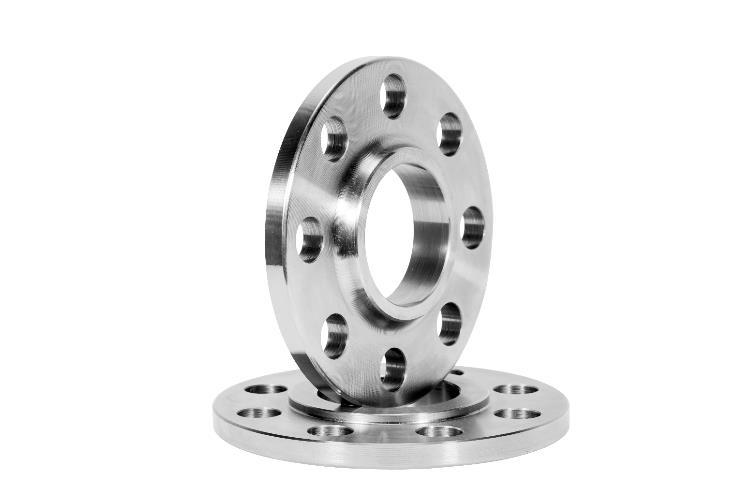
**Sliding flanges** are specialized fittings that allow for the connection of pipes, ducts, and other components within HVAC systems. Unlike traditional flanges, sliding flanges are designed to provide flexibility and accommodate thermal expansion or contraction. This feature is crucial as temperature fluctuations can cause materials to expand or contract, potentially leading to misalignments or leaks.
These flanges typically consist of a flat plate with holes for bolts, allowing them to be securely attached to other components. The sliding mechanism enables movement along the axis of the connected pipe or duct, thereby reducing stress and preventing damage during operation. By providing a reliable and adjustable connection point, sliding flanges enhance the overall effectiveness of HVAC systems.
3. Benefits of Using Sliding Flanges in HVAC Applications
The integration of sliding flanges in HVAC systems comes with several compelling advantages:
3.1 Improved Flexibility
**Sliding flanges** offer enhanced flexibility in HVAC designs. They can accommodate varying lengths and alignments, making them suitable for complex layouts. This adaptability is particularly beneficial in retrofit projects where existing systems demand modifications.
3.2 Reduced Stress on Components
By allowing movement, sliding flanges significantly reduce the stress placed on connected pipes and fittings. This reduction in stress minimizes wear and tear, extending the lifespan of the components and reducing maintenance needs.
3.3 Enhanced Sealing
With proper installation, sliding flanges provide excellent sealing capabilities. This prevents leaks that can compromise the efficiency of HVAC systems, leading to energy loss and increased operational costs.
3.4 Simplified Installation
Installing sliding flanges can be more straightforward compared to rigid flanges. The flexibility they offer can simplify the assembly process, especially in challenging environments.
4. Applications of Sliding Flanges in HVAC Systems
Sliding flanges are versatile and find applications across various HVAC scenarios:
4.1 Chilled Water Systems
In chilled water systems, sliding flanges are essential for connecting pipes that carry temperature-sensitive fluids. Their ability to accommodate movement ensures that the system remains efficient and leak-free.
4.2 Heating Systems
In heating systems, sliding flanges are crucial for maintaining connections between pipes that experience significant temperature changes. They help absorb thermal expansion, preventing potential damage.
4.3 Ventilation Ducts
Sliding flanges are also employed in ventilation ducts, allowing for alignment adjustments during installation. This flexibility helps maintain airflow efficiency and system performance.
4.4 Industrial Applications
Beyond traditional HVAC systems, sliding flanges are widely used in industrial applications where pipes are exposed to high-pressure environments. Their robust design ensures durability and reliability in demanding conditions.
5. Key Criteria for Selecting Sliding Flanges
When it comes to choosing the right sliding flanges for your HVAC system, several factors must be considered:
5.1 Material
The material of the sliding flange is critical in determining its performance. Common materials include stainless steel, carbon steel, and PVC. Selecting the appropriate material based on the application and environmental conditions is essential for optimal performance.
5.2 Size and Compatibility
Ensure that the sliding flanges you select match the diameter and specifications of the pipes or ducts in your system. Compatibility is crucial for achieving a secure and leak-free connection.
5.3 Pressure Rating
Consider the pressure ratings of the sliding flanges. They must be able to withstand the maximum pressure of your HVAC system to prevent failures or leaks.
5.4 Installation Environment
Take into account the environment in which the sliding flanges will be installed. Factors such as temperature fluctuations, humidity, and exposure to chemicals can influence material selection and design.
6. Maintenance Tips for Sliding Flanges
Regular maintenance is crucial for ensuring the longevity and performance of sliding flanges. Here are some tips:
6.1 Routine Inspections
Conduct routine inspections to check for signs of wear, corrosion, or leaks. Early detection of issues can prevent more significant problems down the line.
6.2 Tightening Bolts
Over time, bolts can loosen due to vibrations. Regularly check and tighten bolts to maintain a secure connection and prevent leaks.
6.3 Cleaning
Keep sliding flanges clean from debris and contaminants. Accumulated dirt can affect the sealing capabilities and overall performance.
6.4 Seasonal Checks
Perform seasonal checks before and after heating or cooling seasons to ensure that all components, including sliding flanges, are functioning correctly.
7. Troubleshooting Common Issues with Sliding Flanges
Despite their effectiveness, sliding flanges may experience issues. Here are some common problems and their solutions:
7.1 Leakage
**Leakage** can occur if the sliding flanges are not installed correctly or if they have worn out seals. Ensure that the installation adheres to recommended guidelines and replace any damaged seals.
7.2 Misalignment
If you notice misalignment, it may be due to improper installation or thermal shifts. Adjust the flanges accordingly and check for any structural issues in the piping system.
7.3 Corrosion
Corrosion can weaken flanges, especially in damp environments. Regular inspections and the use of protective coatings can help mitigate this risk.
8. Conclusion: The Importance of Sliding Flanges in HVAC Systems
Sliding flanges are indispensable components in modern HVAC systems. Their ability to provide flexible, efficient, and reliable connections contributes significantly to the overall performance of heating and cooling systems. By understanding their benefits, applications, and maintenance requirements, HVAC professionals can ensure that their systems operate at peak efficiency.
Investing in high-quality sliding flanges and adhering to best practices for installation and maintenance can ultimately lead to cost savings, enhanced system longevity, and improved energy efficiency.
9. Frequently Asked Questions (FAQs)
9.1 What are sliding flanges?
Sliding flanges are fittings that allow pipes and ducts in HVAC systems to connect while accommodating thermal expansion and contraction.
9.2 Why are sliding flanges important for HVAC systems?
They provide flexibility, reduce stress on components, enhance sealing, and simplify installation, all of which contribute to the efficient operation of HVAC systems.
9.3 How do I choose the right sliding flanges for my system?
Consider factors such as material, size, pressure rating, and the installation environment to select the appropriate sliding flanges.
9.4 How can I maintain sliding flanges?
Regular inspections, tightening bolts, cleaning debris, and conducting seasonal checks are essential for maintaining sliding flanges.
9.5 What should I do if I notice a leak in my sliding flanges?
Inspect the installation for proper alignment, ensure that seals are intact, and tighten bolts if necessary. Replace any damaged components promptly to prevent further issues.
Previous
Previous
Latest developments
Sliding Flanges: Essential Components for Optimal HVAC Systems
Sliding Flanges: Essential Components for Optimal HVAC Systems Table of Contents 1. Introduction to Sliding Flanges in HVAC Systems 2. Understanding Sliding Flanges: What They Are and How They Work 3. Benefits of Using Sliding Flanges in HVAC Applications 4. Applications of Sliding Flanges in HVAC Systems 5. Key Criteria for Selecting Sliding Flanges 6. Maintenance Tips

quality Forged High Neck Flange manufacturers
The Forged High Neck Flange is manufactured using advanced forging technology. The forging process makes the internal structure of the metal material denser, greatly improving the flange's strength and toughness. Compared to ordinary cast flanges, it can withstand higher pressure and impact forces, ensuring long-term stable use even under complex operating conditions, effectively reducing the risk of damage caused by external impacts.
The Importance of High Neck Flanges in Construction and Decorative Materials
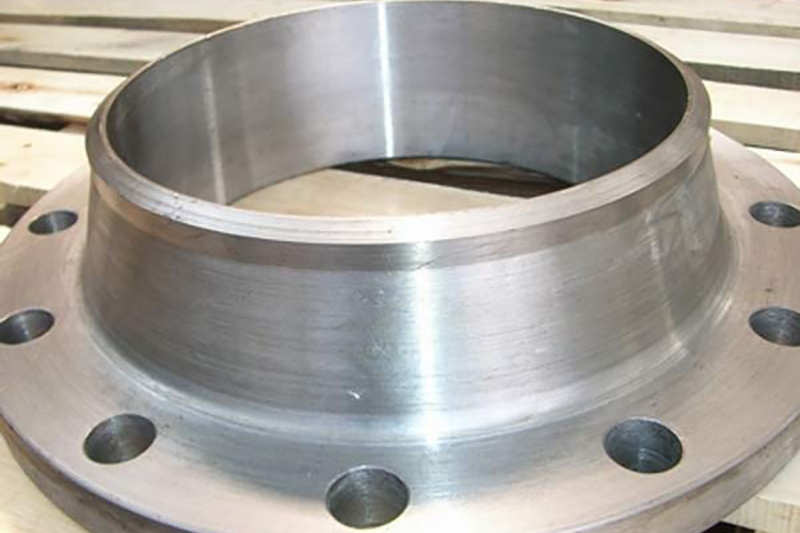
High neck flanges are specialized fittings used in various piping systems within the construction and decorative materials sectors. Characterized by their extended neck, these flanges provide enhanced structural integrity and a secure connection between pipes and other components. The design of high neck flanges allows for better alignment and support, which is particularly important in high-press
Flat Flanges in Civil Engineering: A Comprehensive Case Study Analysis
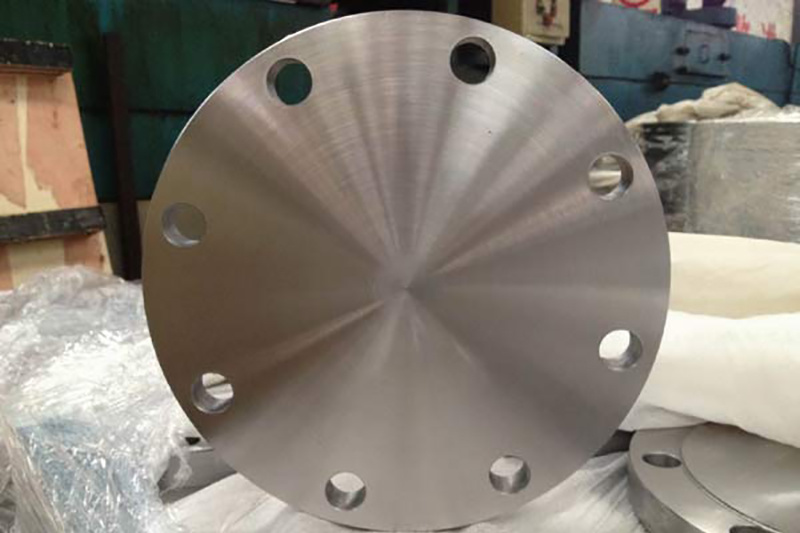
Flat Flanges in Civil Engineering: A Comprehensive Case Study Analysis Table of Contents 1. Introduction to Flat Flanges in Civil Engineering 2. Importance of Flat Flanges in Construction 2.1 Applications of Flat Flanges 2.2 Benefits of Using Flat Flanges 3. Engineering Principles Behind Flat Flanges 4. Design Considerations for Flat Flanges 5. Case Studies: Flat Flanges in Action
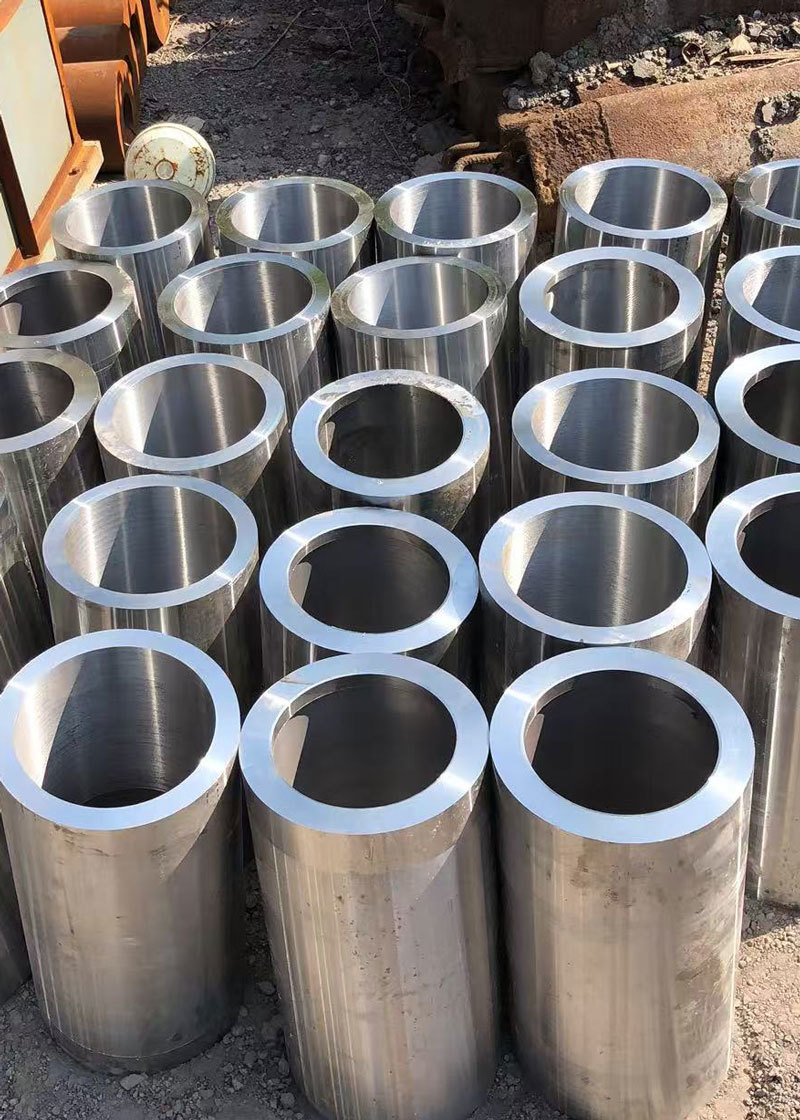
Exploring the Role of Forged Steel in the Construction Industry
In the construction and decorative materials industry, the use of steel industries forgings plays a pivotal role. Forged steel refers to the process of shaping steel through localized compressive forces, which results in enhanced strength, durability, and resistance to wear and tear. This manufacturing method is particularly advantageous in producing components that require high structural integri

The Future of Stainless Steel Forging: Emerging Trends and Insights for 2024 and Beyond
The Future of Stainless Steel Forging: Trends and Predictions Table of Contents 1. Introduction to Stainless Steel Forging 2. Understanding Stainless Steel: Composition and Benefits 3. Current Trends in the Stainless Steel Forging Industry 4. Emerging Technologies in Stainless Steel Forging 5. Sustainability Practices in Stainless Steel Forging 6. Market Predictions for St
Shandong Xinhao Forging Co.,Ltd.
Tel:+86-15098858482
WeChat: 543983004
Email:xinhaoflange@gmail.com
Whatsapp:8615098858482
Website:www.xhflange.com

TikTok