

Exploring the Benefits of Using Sliding Flanges in Plumbing Systems
Release time:
2025-04-15
Exploring the Benefits of Using Sliding Flanges in Plumbing Systems Table of Contents 1. Introduction to Sliding Flanges 2. What are Sliding Flanges? 3. Key Benefits of Sliding Flanges in Plumbing 4. Applications of Sliding Flanges 5. Installation Methods for Sliding Flanges 6. Maintenance Tips for Sliding Flanges 7. Common Issues with Sliding Flanges 8. Conclusion
Exploring the Benefits of Using Sliding Flanges in Plumbing Systems
Table of Contents
- 1. Introduction to Sliding Flanges
- 2. What are Sliding Flanges?
- 3. Key Benefits of Sliding Flanges in Plumbing
- 4. Applications of Sliding Flanges
- 5. Installation Methods for Sliding Flanges
- 6. Maintenance Tips for Sliding Flanges
- 7. Common Issues with Sliding Flanges
- 8. Conclusion
- 9. Frequently Asked Questions
1. Introduction to Sliding Flanges
In plumbing systems, the materials and components chosen can significantly impact functionality, durability, and efficiency. Among these components, sliding flanges have emerged as a popular solution for various plumbing applications. Understanding their unique characteristics and benefits allows us to make informed decisions regarding plumbing design and installation.
2. What are Sliding Flanges?
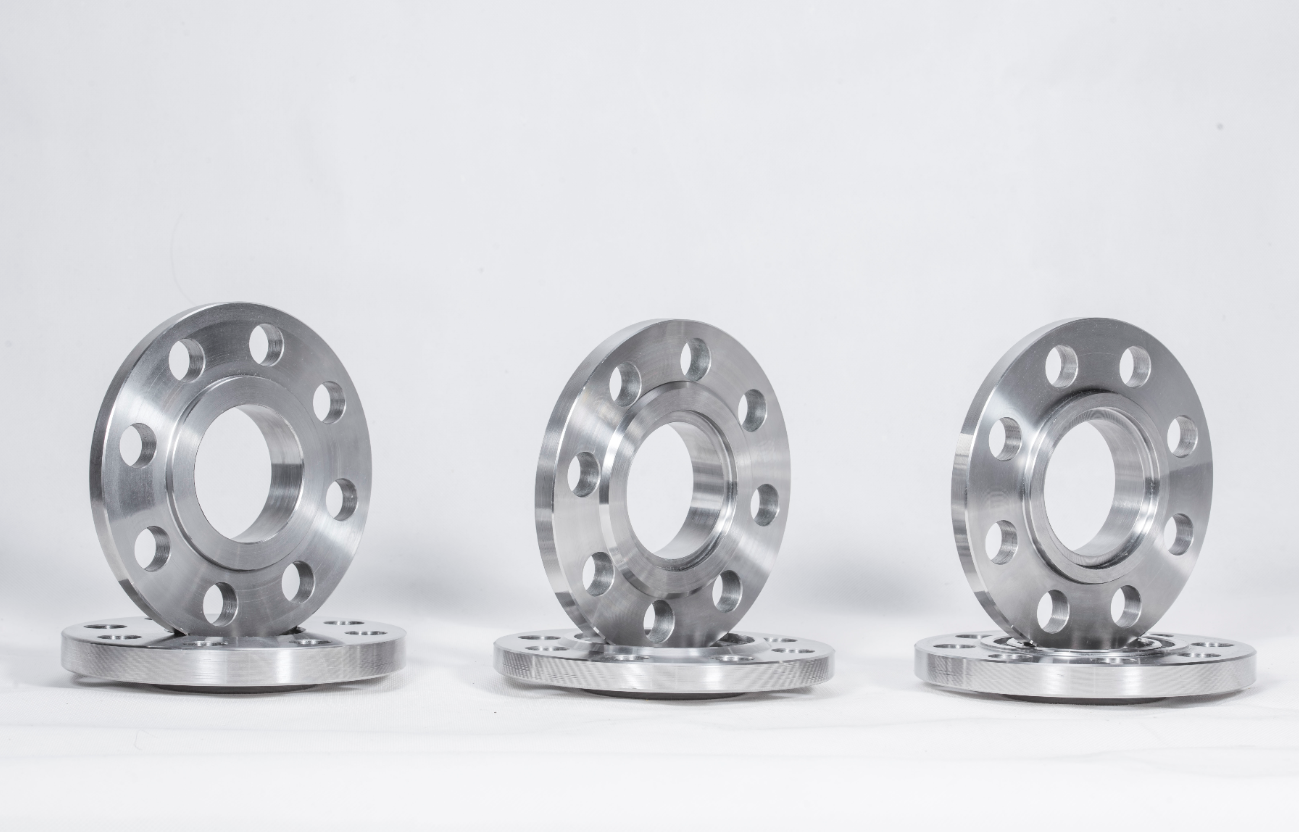
Sliding flanges, often referred to as loose flanges, are specialized fittings designed for ease of installation and maintenance. Unlike traditional flanges that are securely bolted together, sliding flanges allow for a certain degree of movement. This flexibility is particularly beneficial in systems where thermal expansion or contraction occurs, providing a reliable solution for connecting pipes and other plumbing components.
2.1 Types of Sliding Flanges
Sliding flanges come in various types, including:
- **Standard Sliding Flanges**: Designed for general use, accommodating a variety of pipe sizes and materials.
- **Raised Face Sliding Flanges**: Equipped with a raised surface to enhance sealing capabilities and ensure leak-proof connections.
- **Flat Face Sliding Flanges**: Ideal for applications requiring minimal space and a flush connection.
3. Key Benefits of Sliding Flanges in Plumbing
The adoption of sliding flanges in plumbing systems offers numerous advantages that make them a preferred choice for many professionals.
3.1 Enhanced Flexibility
One of the primary benefits of sliding flanges is their ability to accommodate movement. This flexibility is crucial in systems where thermal expansion is a concern, preventing stress on joints and reducing the risk of leaks.
3.2 Simplified Installation
The design of sliding flanges allows for easier installation compared to traditional flanges. Less time is spent aligning and tightening bolts, which is particularly advantageous in tight spaces or complex plumbing layouts.
3.3 Cost-effectiveness
While the initial cost of sliding flanges may be comparable to traditional options, the long-term savings on maintenance and repairs can significantly offset these expenses. Their durability means fewer replacements, contributing to overall cost-effectiveness.
3.4 Improved Sealing Capability
Sliding flanges can provide better sealing properties, especially in high-pressure systems. This improvement enhances reliability and reduces the likelihood of leaks.
4. Applications of Sliding Flanges
Sliding flanges are versatile components used across various plumbing applications. Some notable uses include:
4.1 Industrial Plumbing
In industrial settings, sliding flanges are crucial for connecting pipes that transport liquids and gases under varying temperatures and pressures.
4.2 Residential Plumbing
Home plumbing systems can also benefit from sliding flanges, particularly in areas where expansion and contraction are common, such as water heating systems.
4.3 Marine Applications
Due to their resistance to corrosion and ability to maintain integrity under harsh conditions, sliding flanges are often used in marine plumbing systems.
5. Installation Methods for Sliding Flanges
Installing sliding flanges requires careful attention to detail to ensure a secure and reliable connection. Below are key steps involved in the installation process.
5.1 Preparing the Pipes
Before installation, both the flanges and the pipes should be thoroughly cleaned to remove any debris or imperfections that could hinder proper sealing.
5.2 Aligning the Flanges
Proper alignment is crucial for effective sealing. The sliding flange should be positioned so that it aligns with the corresponding flange on the adjoining pipe.
5.3 Securing the Flanges
Once aligned, the flanges should be temporarily bolted together to ensure they remain in place while the final connections are made. Tightening should be done evenly to avoid stressing one side more than the other.
5.4 Testing the Connection
After the installation is complete, it’s essential to test the connection for leaks. Pressurizing the system and checking for any signs of leakage will confirm the integrity of the installation.
6. Maintenance Tips for Sliding Flanges
Maintaining sliding flanges is relatively straightforward but critical to ensuring their longevity and performance.
6.1 Regular Inspections
Conducting regular inspections to check for signs of wear, corrosion, or leaks can help identify potential issues before they escalate.
6.2 Cleaning and Lubrication
Cleaning the flanges to remove buildup of debris or deposits will enhance their sealing capabilities. Additionally, applying a suitable lubricant to the bolts can facilitate easy removal during future maintenance.
6.3 Monitoring System Pressure
Keeping an eye on the system's pressure levels can help identify any irregularities that may indicate a problem with the flanges or fittings.
7. Common Issues with Sliding Flanges
While sliding flanges are generally reliable, some common issues may arise that require attention.
7.1 Misalignment
Improper installation can lead to misalignment, resulting in leaks or compromised connections. Ensuring proper alignment during installation is vital for success.
7.2 Corrosion
Exposure to harsh environments can lead to corrosion. Choosing the right material for sliding flanges relative to the application's environmental conditions is essential.
7.3 Wear and Tear
Over time, sliding flanges may experience wear and tear, necessitating replacement to maintain system integrity.
8. Conclusion
Sliding flanges offer significant advantages in plumbing systems, from enhancing flexibility and simplifying installation to providing improved sealing capability. Their versatility makes them suitable for various applications, ranging from residential plumbing to industrial settings. By understanding the benefits and maintenance of sliding flanges, we can make informed choices that enhance the efficiency and reliability of our plumbing systems.
9. Frequently Asked Questions
What is the primary function of sliding flanges?
Sliding flanges allow for flexible connections between pipes, accommodating movement due to thermal expansion or contraction while maintaining a secure seal.
Are sliding flanges easy to install?
Yes, sliding flanges are designed for simplified installation, requiring less time for alignment and tightening compared to traditional flanges.
Can sliding flanges be used in high-pressure systems?
Absolutely. Sliding flanges are known for their improved sealing capabilities, making them suitable for high-pressure applications.
How often should sliding flanges be inspected?
Regular inspections should be conducted at least annually, or more frequently in high-demand applications, to ensure their integrity and performance.
What materials are used to make sliding flanges?
Sliding flanges can be made from various materials, including stainless steel, carbon steel, and plastic, depending on the application and environmental conditions.
By embracing the benefits of sliding flanges and ensuring proper installation and maintenance, we can enhance the performance and reliability of plumbing systems across various applications.
Latest developments
Understanding Flanged Connections in Building and Decoration Materials
Flanged connections are a fundamental component in piping systems within the construction and decoration materials sector. These connections consist of two flanges, which are typically flat pieces of metal that are bolted together, creating a secure joint. This method of joining pipes, valves, and fittings is favored due to its reliability, ease of maintenance, and ability to handle high pressure
The Advantages of Sliding Flanges in High-Pressure Applications
The Advantages of Sliding Flanges in High-Pressure Applications Table of Contents 1. Understanding Sliding Flanges 2. Importance of Sliding Flanges in High-Pressure Systems 3. Key Benefits of Sliding Flanges 3.1 Flexibility and Adjustability 3.2 Stress Reduction on Piping 3.3 Enhanced Sealing Capabilities 4. Applications of Sliding Flanges 5. Installation

Understanding High Neck Flanges: Essential Components for Construction and Decorative Materials
High neck flanges are critical components in various piping systems used in the construction and decorative materials industry. They are designed to connect pipes, valves, pumps, and other equipment, ensuring a secure and leak-proof seal. The high neck design distinguishes them from standard flanges, as they feature a longer neck that helps to accommodate thicker materials and provides additional
How to Maintain Your Flat Flanges for Longevity: Essential Tips for Optimal Performance
How to Maintain Your Flat Flanges for Longevity Flanges are essential components in piping and plumbing systems, facilitating connections in various applications. Among these, **flat flanges** are widely used due to their ease of installation and maintenance. However, to ensure their longevity and optimal performance, proper care and maintenance are paramount. In this article, we will delve into e

The Role of Steel Industries Forgings in Construction and Decorative Materials
In the construction and decorative materials sector, the importance of steel industries forgings cannot be overstated. Forging is a manufacturing process that involves shaping metal using localized compressive forces, which results in products that boast enhanced mechanical properties. This method is particularly relevant for the steel industry, where forgings are integral in creating components u

Forging Stainless Steel: Techniques for Optimal Quality
Forging Stainless Steel: Techniques for Optimal Quality Table of Contents 1. Introduction to Forging Stainless Steel 2. What is Stainless Steel? 3. The Importance of Forging in Stainless Steel 4. Key Forging Techniques for Stainless Steel 4.1 Open Die Forging 4.2 Closed Die Forging 4.3 Upset Forging 4.4 Swaging 5. The Forging P
Shandong Xinhao Forging Co.,Ltd.
Tel:+86-15098858482
WeChat: 543983004
Email:xinhaoflange@gmail.com
Whatsapp:8615098858482
Website:www.xhflange.com

TikTok