

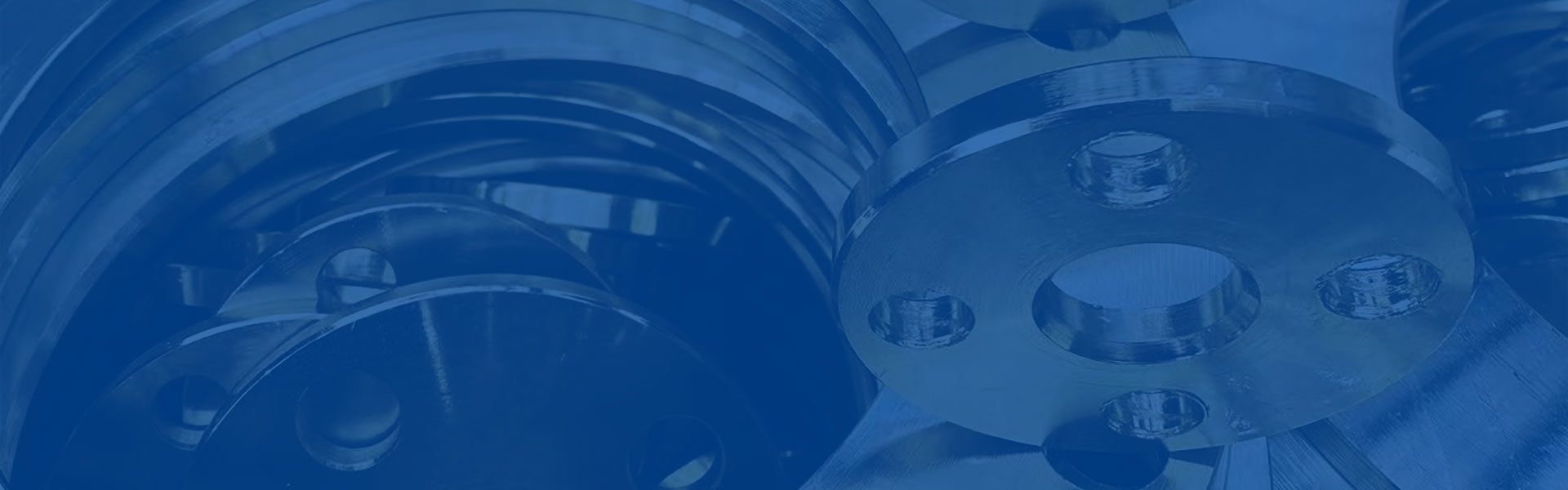
Understanding High Neck Flanges: Essential Components for Construction and Decorative Materials
Release time:
2026-08-13
High neck flanges are critical components in various piping systems used in the construction and decorative materials industry. They are designed to connect pipes, valves, pumps, and other equipment, ensuring a secure and leak-proof seal. The high neck design distinguishes them from standard flanges, as they feature a longer neck that helps to accommodate thicker materials and provides additional

One of the primary advantages of high neck flanges is their ability to withstand higher pressure and temperature conditions. This feature is particularly beneficial in industrial applications where the integrity of the piping system is paramount. The added height of the neck allows for a better fit with the sealing gaskets, enhancing the overall reliability of connections. This is essential for maintaining safety and preventing potential failures that could result in costly downtime or damage.
In terms of materials, high neck flanges can be manufactured from various substances, including stainless steel, carbon steel, and other alloys. The choice of material often depends on the specific operating conditions of the system, including the type of fluid being transported and the environmental factors at play. For example, stainless steel flanges are commonly used in corrosive environments, while carbon steel might be preferred for less demanding applications.
Installation practices play a vital role in the performance of high neck flanges. It is crucial to ensure proper alignment and tightening during the installation process to avoid any misalignment or undue stress on the flange. Additionally, the selection of appropriate gaskets and bolt specifications is essential for achieving a leak-free seal. Regular inspection and maintenance of the flanges can further enhance their lifespan and effectiveness, ensuring that they continue to perform optimally over time.
Moreover, high neck flanges are widely used in various industries beyond construction, including oil and gas, chemical processing, and water treatment. Their versatility makes them suitable for a range of applications, from high-pressure pipelines to decorative installations in architectural designs.
In conclusion, high neck flanges are indispensable components in modern piping systems, providing robust connections that meet the demands of various applications. Understanding their design, material choices, and installation requirements is crucial for professionals in the construction and decorative materials industry. By ensuring the proper selection and maintenance of high neck flanges, businesses can enhance the reliability and efficiency of their piping systems, ultimately contributing to the success of their projects.
Previous
Latest developments
Understanding High Neck Flanges: Essential Components for Construction and Decorative Materials
High neck flanges are critical components in various piping systems used in the construction and decorative materials industry. They are designed to connect pipes, valves, pumps, and other equipment, ensuring a secure and leak-proof seal. The high neck design distinguishes them from standard flanges, as they feature a longer neck that helps to accommodate thicker materials and provides additional
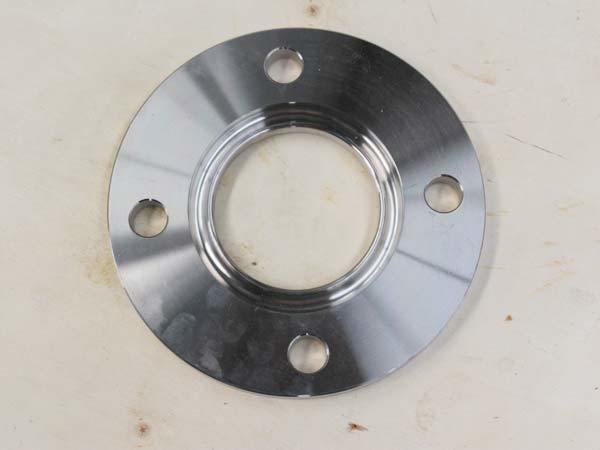
How to Maintain Your Flat Flanges for Longevity: Essential Tips for Optimal Performance
How to Maintain Your Flat Flanges for Longevity Flanges are essential components in piping and plumbing systems, facilitating connections in various applications. Among these, **flat flanges** are widely used due to their ease of installation and maintenance. However, to ensure their longevity and optimal performance, proper care and maintenance are paramount. In this article, we will delve into e

The Role of Steel Industries Forgings in Construction and Decorative Materials
In the construction and decorative materials sector, the importance of steel industries forgings cannot be overstated. Forging is a manufacturing process that involves shaping metal using localized compressive forces, which results in products that boast enhanced mechanical properties. This method is particularly relevant for the steel industry, where forgings are integral in creating components u

Forging Stainless Steel: Techniques for Optimal Quality
Forging Stainless Steel: Techniques for Optimal Quality Table of Contents 1. Introduction to Forging Stainless Steel 2. What is Stainless Steel? 3. The Importance of Forging in Stainless Steel 4. Key Forging Techniques for Stainless Steel 4.1 Open Die Forging 4.2 Closed Die Forging 4.3 Upset Forging 4.4 Swaging 5. The Forging P
--- In the realm of construction and decorative materials, the term **non-standard flange** refers to flanges that do not conform to established or widely accepted industry dimensions and specifications. These flanges are custom-made to meet unique project requirements or to fit specific piping configurations that standard flanges cannot accommodate. Understanding non-standard flanges is crucial f
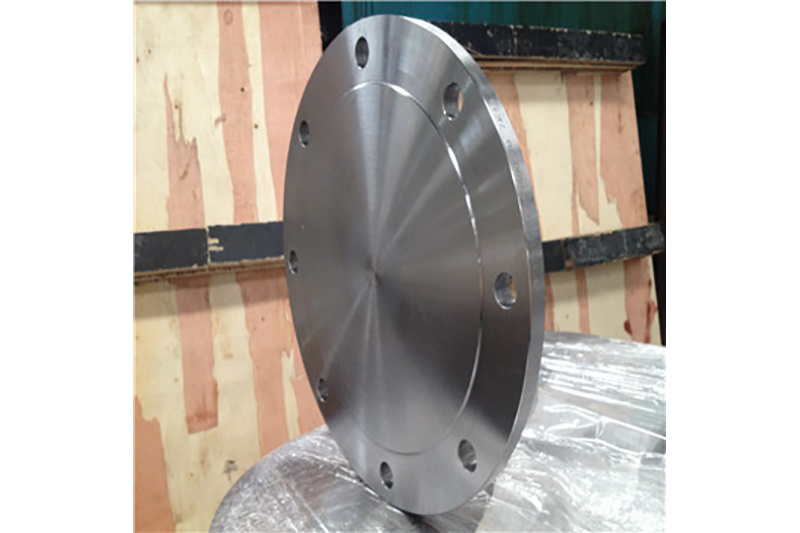
Key Features of Japanese Standard Flanges You Should Know
Key Features of Japanese Standard Flanges You Should Know Table of Contents 1. Introduction to Japanese Standard Flanges 2. Importance of Flanges in Construction 3. Design Specifications of Japanese Standard Flanges 4. Material Types Used in Japanese Standard Flanges 5. The Manufacturing Process of Japanese Standard Flanges 6. Standards and Certifications for Japanese Flan
Shandong Xinhao Forging Co.,Ltd.
Tel:+86-15098858482
WeChat: 543983004
Email:xinhaoflange@gmail.com
Whatsapp:8615098858482
Website:www.xhflange.com

TikTok