

Flat Flanges in Fire Protection Systems: A Comprehensive Overview
Release time:
2026-10-09
Flat Flanges in Fire Protection Systems: A Comprehensive Overview Introduction to Flat Flanges in Fire Protection In the realm of fire protection systems, **flat flanges** serve as fundamental components that ensure the seamless connection and functionality of piping systems. These flanges play a crucial role in maintaining pressure and facilitating the smooth flow of fire suppression agents. Unde
Flat Flanges in Fire Protection Systems: A Comprehensive Overview
Introduction to Flat Flanges in Fire Protection
In the realm of fire protection systems, **flat flanges** serve as fundamental components that ensure the seamless connection and functionality of piping systems. These flanges play a crucial role in maintaining pressure and facilitating the smooth flow of fire suppression agents. Understanding the significance of flat flanges is essential for professionals in the construction and safety industries.
What Are Flat Flanges?
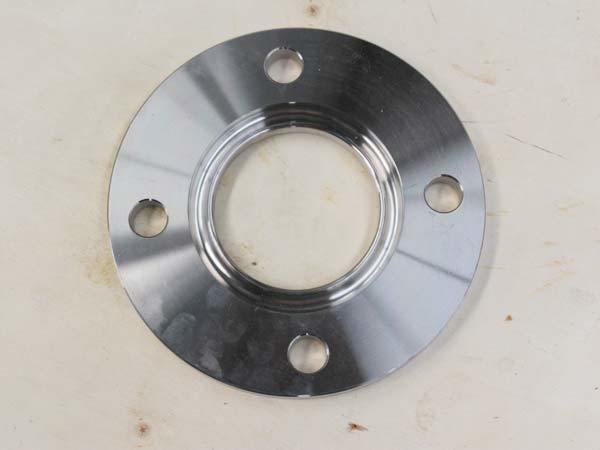
Flat flanges are mechanical components used to join two sections of pipe or a pipe and a fitting. They are characterized by their flat surfaces and typically feature bolt holes along their periphery. This design allows for easy attachment and detachment, making them a preferred choice in many applications, especially in fire protection systems.
Key Features of Flat Flanges
**Material Composition**: Flat flanges are manufactured from various materials, including carbon steel, stainless steel, and ductile iron. The choice of material often depends on the specific requirements of the fire protection system, such as resistance to corrosion and pressure ratings.
**Size and Standards**: Flat flanges come in various sizes and adhere to industry standards, including ANSI, ASME, and API. Understanding these standards is crucial for ensuring compatibility and safety in fire protection applications.
**Design Variations**: While flat flanges are typically flat, they can also be designed with raised faces or grooves to accommodate specific sealing requirements.
The Role of Flat Flanges in Fire Protection Systems
Connecting Components for Efficiency
In fire protection systems, flat flanges connect pipes, valves, pumps, and other components that transport fire suppression agents. Their primary role is to ensure that these connections are leak-proof and can withstand high pressures. This is critical because any leakage can significantly compromise the effectiveness of the fire suppression system.
Facilitating Maintenance and Repair
One of the advantages of using flat flanges is their ease of installation and removal. This convenience allows for quicker maintenance and repair, which is vital in emergency situations. Regular inspections and timely repairs can mitigate risks and ensure that the fire protection system operates at peak efficiency.
Applications of Flat Flanges in Fire Protection Systems
Sprinkler Systems
Flat flanges are integral to the assembly of sprinkler systems, where they connect various piping segments. The reliability of these connections is critical, as any failure could lead to devastating outcomes during a fire.
Standpipe and Hose Systems
In standpipe systems, flat flanges enable the secure attachment of hoses and valves, ensuring the system can deliver water effectively to combat fires. Proper flange connections here are essential for maintaining pressure and flow rates.
Fire Pumps
Flat flanges are also used to connect the fire pump to the piping system. The reliability of these connections is crucial for maintaining the pump's efficiency and ensuring a steady supply of water during firefighting efforts.
Design Considerations for Flat Flanges
Pressure Ratings
When selecting flat flanges for fire protection systems, it is essential to consider pressure ratings. Flanges must be capable of withstanding the operational pressures of the system to prevent failures that could compromise safety.
Temperature Resistance
Fire protection systems often operate under varying temperature conditions. Choosing flanges that can withstand high temperatures is essential to prevent deformation and ensure system integrity.
Corrosion Resistance
Given the environments in which fire protection systems operate, selecting corrosion-resistant materials for flat flanges is vital. Stainless steel flanges, for example, offer excellent resistance to corrosion, ensuring longevity and reliability.
Installation Best Practices for Flat Flanges
Preparation of Surfaces
Before installing flat flanges, it's crucial to ensure that the surfaces are clean and free of debris. Proper surface preparation helps achieve a tight seal, minimizing the risk of leaks.
Use of Gaskets
Gaskets are often used in conjunction with flat flanges to create a seal that prevents leaks. Choosing the right gasket material is essential for compatibility with the fluids being transported.
Tightening Techniques
Proper tightening of flange bolts is critical to achieving a secure connection. Following a specific tightening pattern and using the correct torque settings ensures even pressure distribution across the flange surface.
Common Mistakes to Avoid
Avoiding common errors, such as over-tightening or under-tightening, is essential for maintaining the integrity of the flange connection. Regular inspections can help identify any issues before they escalate.
Advantages of Using Flat Flanges in Fire Protection Systems
Cost-Effectiveness
Flat flanges provide a cost-effective solution for joining piping systems. Their straightforward design and ease of installation reduce labor costs and minimize downtime during repairs.
Versatility in Applications
These flanges are versatile and can be used in various applications beyond fire protection systems, making them a valuable addition to any construction project.
Enhanced Safety
By ensuring secure connections, flat flanges contribute significantly to the safety and reliability of fire protection systems, ultimately protecting lives and property.
Frequently Asked Questions (FAQs)
1. What materials are flat flanges made from?
Flat flanges can be made from various materials, including stainless steel, carbon steel, and ductile iron, depending on the specific requirements of the fire protection system.
2. How do I choose the right flat flange for my fire protection system?
When selecting a flat flange, consider factors such as pressure ratings, temperature resistance, and corrosion resistance to ensure compatibility with your system.
3. Can flat flanges be reused after disassembly?
While flat flanges can sometimes be reused, it is essential to inspect them for any signs of wear or damage. If the flanges are compromised, replacing them is advisable.
4. What is the importance of gaskets in flange connections?
Gaskets play a crucial role in creating a leak-proof seal between flat flanges, preventing any fluid from escaping and ensuring the system operates effectively.
5. How often should flat flange connections be inspected?
Regular inspections of flat flange connections are essential, particularly in high-stakes environments like fire protection systems. A routine inspection schedule should be established based on industry standards and the specific application.
Conclusion
Flat flanges are integral components of fire protection systems, serving a critical role in ensuring safe and efficient operations. By understanding their design, applications, and installation best practices, professionals can make informed decisions that enhance the effectiveness of fire suppression efforts. From choosing the right materials to implementing proper installation techniques, attention to detail is essential in maintaining the integrity of these crucial components. Emphasizing the importance of flat flanges ultimately contributes to safer environments and more effective fire protection systems.
Previous
Latest developments
Flat Flanges in Fire Protection Systems: A Comprehensive Overview
Flat Flanges in Fire Protection Systems: A Comprehensive Overview Introduction to Flat Flanges in Fire Protection In the realm of fire protection systems, **flat flanges** serve as fundamental components that ensure the seamless connection and functionality of piping systems. These flanges play a crucial role in maintaining pressure and facilitating the smooth flow of fire suppression agents. Unde
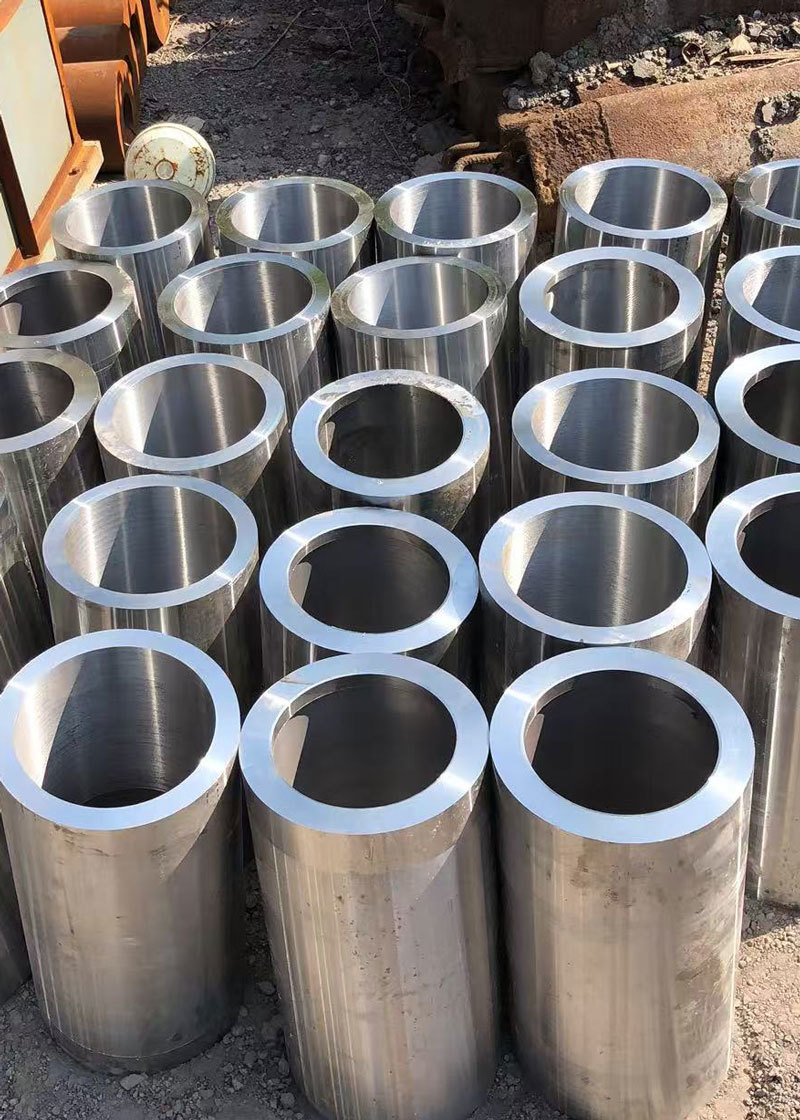
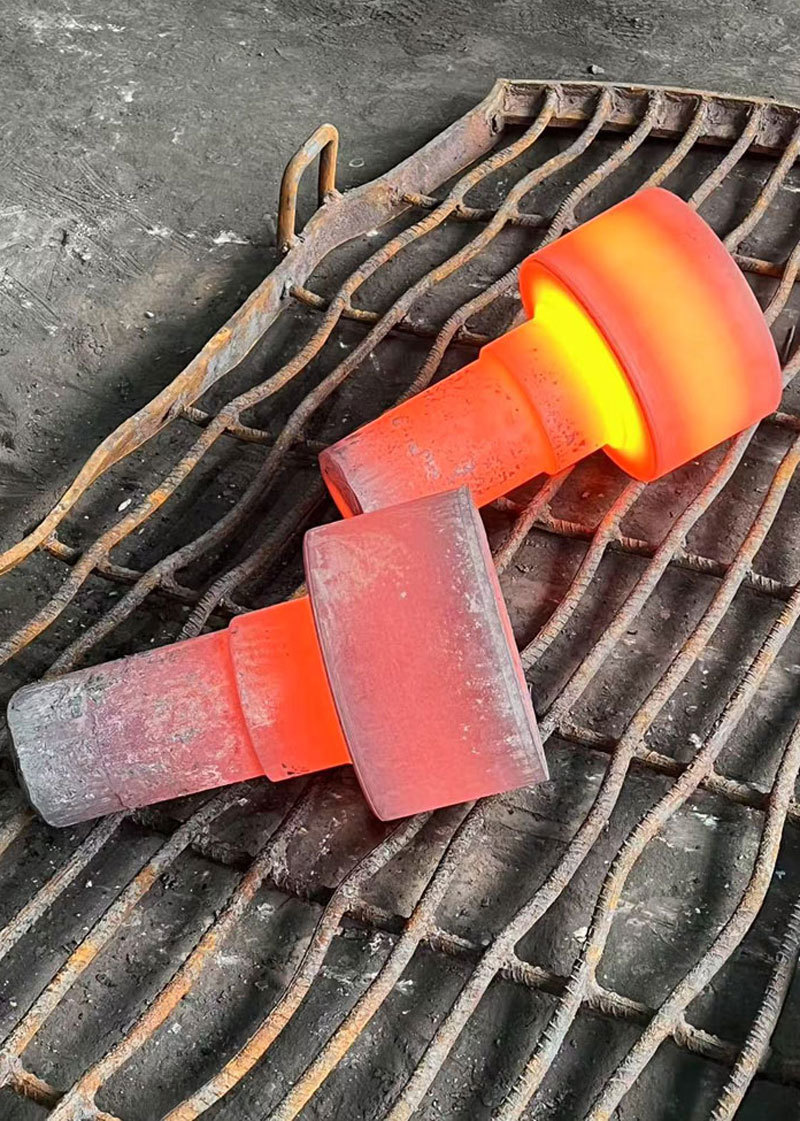
Steel industries forgings represent a crucial aspect of manufacturing within the construction sector, particularly when it comes to durable and high-quality materials. Forging is a process that involves shaping metal using localized compressive forces, resulting in products that boast enhanced strength and integrity. This technique is especially important in the construction and decorative materia
Quality Standards in the Forging of Stainless Steel Products: Ensuring Excellence in Metallurgy
Quality Standards in the Forging of Stainless Steel Products Table of Contents Introduction to Stainless Steel Forging The Importance of Quality Standards in Forging Types of Stainless Steel Used in Forging Common Forging Processes in Stainless Steel Manufacturing Quality Assurance Methodologies in Stainless Steel Forging Testing and Certification of Stainless Steel Products Global
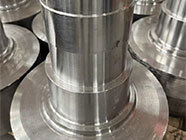
Understanding Non-Standard Flanges: A Key Component in Architectural Applications
Non-standard flanges are specialized components that deviate from conventional sizing and design specifications. Unlike standard flanges, which adhere to established dimensions and pressure ratings, non-standard flanges are custom-made to meet unique project requirements. These flanges are crucial in various architectural and construction applications, particularly when dealing with unconventional
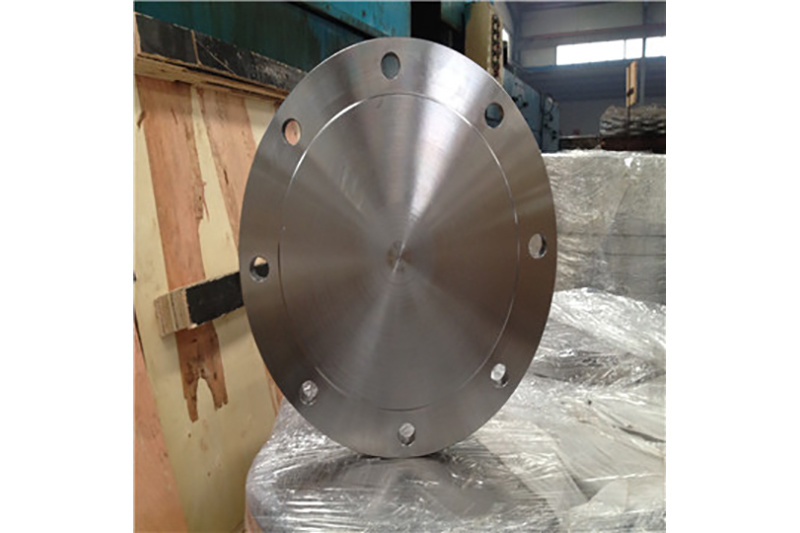
The Importance of Quality Control for Japanese Standard Flanges: Ensuring Durability and Reliability
The Importance of Quality Control for Japanese Standard Flanges In the construction and manufacturing sectors, the significance of quality control cannot be overstated, especially for components as crucial as flanges. Japanese standard flanges, known for their precision and durability, require stringent quality control measures to meet the demands of various applications. This article delves into
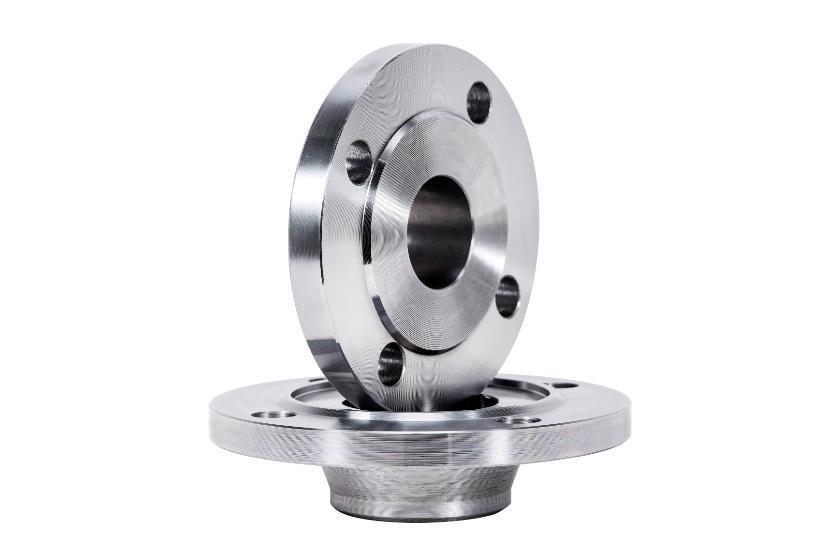
Understanding American Standard Flange in Construction and Decoration Materials
American standard flanges are critical components in the field of construction and decorative materials, particularly in piping systems. These flanges adhere to specific standards established by organizations such as the American National Standards Institute (ANSI) and the American Society of Mechanical Engineers (ASME). Their design and specifications are essential for ensuring compatibility and
Shandong Xinhao Forging Co.,Ltd.
Tel:+86-15098858482
WeChat: 543983004
Email:xinhaoflange@gmail.com
Whatsapp:8615098858482
Website:www.xhflange.com

TikTok