

The Importance of Quality Control for Japanese Standard Flanges: Ensuring Durability and Reliability
Release time:
2026-09-27
The Importance of Quality Control for Japanese Standard Flanges In the construction and manufacturing sectors, the significance of quality control cannot be overstated, especially for components as crucial as flanges. Japanese standard flanges, known for their precision and durability, require stringent quality control measures to meet the demands of various applications. This article delves into
The Importance of Quality Control for Japanese Standard Flanges
In the construction and manufacturing sectors, the significance of quality control cannot be overstated, especially for components as crucial as flanges. Japanese standard flanges, known for their precision and durability, require stringent quality control measures to meet the demands of various applications. This article delves into the critical role of quality control in the production of these components, ensuring they meet both safety and performance standards.
Understanding Japanese Standard Flanges
Japanese standard flanges are essential components used in piping systems. They connect pipes, valves, pumps, and other equipment to form a complete piping system. The design and manufacturing of these flanges adhere to specific standards, such as the JIS (Japanese Industrial Standards), ensuring uniformity and compatibility across the industry.
Types of Japanese Standard Flanges
There are several types of Japanese standard flanges, each serving specific applications:
1. Slip-on Flanges
Slip-on flanges are designed to slide over the pipe's end and are welded both inside and outside for increased strength. They are commonly used in low-pressure applications.
2. Weld Neck Flanges
Weld neck flanges feature a long neck that provides a gradual transition from the pipe to the flange, making them ideal for high-pressure systems.
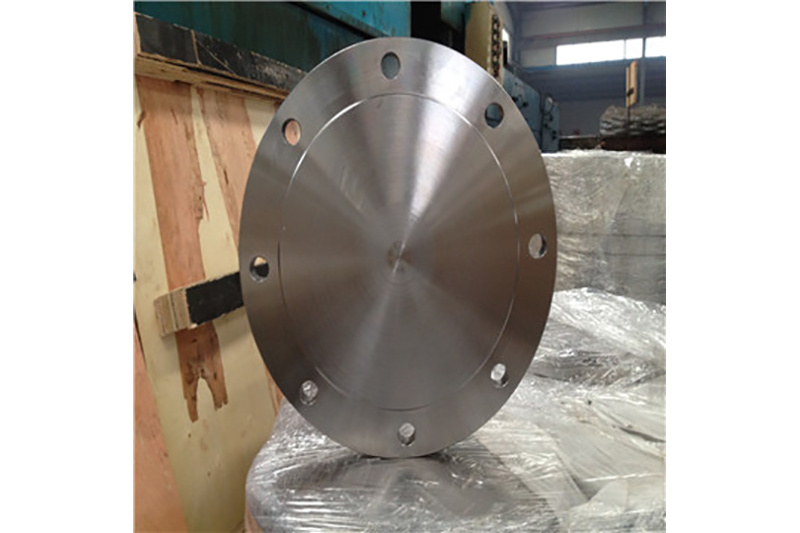
3. Blind Flanges
Blind flanges are used to seal the end of a piping system. They do not have any bore, making them perfect for applications where future connections may be needed.
4. Socket Weld Flanges
These flanges are designed for use with small-diameter piping systems, providing a strong connection through welding.
Each type has its unique characteristics, and the choice of flange largely depends on the application requirements and operating conditions.
The Role of Quality Control in Flange Manufacturing
Quality control in the manufacturing of Japanese standard flanges is paramount. It ensures that each component adheres to the required specifications and standards, contributing to the overall reliability of the piping system. Here are some key aspects where quality control plays a vital role:
1. Material Verification
The foundation of any quality product lies in its materials. Quality control begins with the verification of raw materials used in flange production. Manufacturers must ensure that the metals, such as carbon steel, stainless steel, and alloy materials, meet the required mechanical and chemical properties.
2. Dimensional Accuracy
Dimensional accuracy is crucial in flange production. Flanges must be manufactured to precise measurements to ensure a perfect fit within the piping system. Quality control processes involve using advanced measurement tools, like laser scanners and calipers, to check dimensions throughout the manufacturing process.
3. Surface Finish Quality
The surface finish of flanges can significantly impact their performance. A rough surface can lead to leaks and corrosion, while a smooth finish promotes better sealing. Quality control ensures that flanges are finished according to the specified standards, using techniques such as grinding and polishing.
4. Testing and Inspection Procedures
Testing and inspection procedures are critical components of quality control. Various tests, including hydrostatic tests, ultrasonic tests, and dye penetrant tests, are performed to identify any defects or flaws in the flanges. These tests ensure that the flanges can withstand the required pressure and temperature conditions.
Benefits of Rigorous Quality Control
Implementing rigorous quality control measures in the production of Japanese standard flanges offers numerous benefits:
1. Enhanced Reliability
Quality control ensures that only reliable, high-quality flanges reach the market. This reliability reduces the risk of failures in piping systems, which can lead to costly downtimes and repairs.
2. Compliance with Industry Standards
Manufacturers adhering to strict quality control guidelines are better positioned to comply with industry regulations and standards. This compliance is essential for maintaining certifications and gaining customer trust.
3. Improved Customer Satisfaction
Customers expect high-quality products that perform as advertised. Rigorous quality control processes lead to a reduction in defects, ensuring that customers receive products that meet their expectations.
Quality Control Best Practices for Japanese Standard Flanges
To achieve optimal quality control in flange production, manufacturers should adopt the following best practices:
1. Implementing a Quality Management System (QMS)
A robust Quality Management System (QMS) helps streamline quality control processes. It involves establishing clear procedures, documenting processes, and continuously improving quality standards.
2. Regular Training and Skill Development
Investing in the training and development of employees is crucial. Skilled workers are more likely to produce high-quality products, as they understand the importance of quality control and the specifics of flange manufacturing.
3. Use of Advanced Technology
Incorporating advanced technology, such as automated inspection systems and AI-driven quality control tools, can enhance accuracy and efficiency in the inspection process.
4. Continuous Monitoring and Improvement
Quality control is not a one-time process. Continuous monitoring of production processes helps identify areas for improvement, ensuring that quality is maintained over time.
Challenges in Quality Control for Flange Manufacturing
While the importance of quality control is clear, manufacturers often face challenges in implementing effective quality measures:
1. Variability in Production Processes
With numerous variables in the manufacturing process, such as equipment performance and raw material quality, maintaining consistency can be challenging.
2. Balancing Cost and Quality
Striking a balance between maintaining high-quality standards and managing production costs is often a challenge for manufacturers, requiring careful consideration and strategy.
3. Keeping Up with Technological Advances
The rapid advancement of technology necessitates that manufacturers stay updated with the latest quality control tools and techniques, which can require significant investment.
Case Studies: Successful Quality Control Implementation
Examining real-world examples can provide insights into effective quality control strategies:
1. Case Study: Leading Japanese Flange Manufacturer
One prominent Japanese flange manufacturer implemented a comprehensive QMS with automated inspection tools. This led to a 30% reduction in defects, significantly improving customer satisfaction and reducing warranty claims.
2. Case Study: Global Supplier of Piping Components
A global supplier faced challenges in meeting diverse international standards. By investing in employee training and adopting a standardized quality control framework, the company improved compliance across multiple regions, enhancing its market position.
Future Trends in Quality Control for Flanges
As the industry evolves, so do quality control practices. Future trends may include:
1. Increased Automation
Automation in manufacturing processes is likely to expand, enhancing precision and reducing human error in quality control.
2. Artificial Intelligence Integration
AI-driven analytics can help predict potential quality issues before they arise, allowing for proactive measures to be taken.
3. Sustainability in Quality Practices
With an increasing focus on sustainability, quality control processes will need to consider environmental impacts, promoting eco-friendly materials and practices.
FAQs about Quality Control for Japanese Standard Flanges
1. What is the importance of quality control in flange manufacturing?
Quality control ensures that flanges meet safety and performance specifications, reducing the risk of failures and improving reliability.
2. What are common tests conducted on flanges during quality control?
Common tests include hydrostatic tests, ultrasonic tests, and dye penetrant tests to identify defects.
3. How do manufacturers ensure compliance with industry standards?
By implementing a robust Quality Management System and adhering to specified processes, manufacturers can maintain compliance with industry standards.
4. What materials are typically used for Japanese standard flanges?
Common materials include carbon steel, stainless steel, and various alloys, each chosen based on the application requirements.
5. How can manufacturers improve their quality control processes?
Manufacturers can improve quality control by investing in employee training, adopting advanced technologies, and continuously monitoring production processes.
Conclusion
In conclusion, the importance of quality control in the manufacturing of Japanese standard flanges cannot be overstated. By adhering to rigorous quality assurance measures, manufacturers can ensure the production of reliable, high-performance flanges that meet industry standards. As technological advancements continue to shape the industry, maintaining a commitment to quality will be essential in addressing future challenges and opportunities. Investing in quality control not only enhances product reliability but also fosters customer trust and satisfaction, ultimately leading to long-term success in the market.
Latest developments
Threaded Flanges: Essential Components for Fire Protection Systems
Threaded Flanges: Essential Components for Fire Protection Systems Table of Contents 1. Introduction to Threaded Flanges 2. What Are Threaded Flanges? 3. Types of Threaded Flanges 3.1 Standard Threaded Flanges 3.2 Specialty Threaded Flanges 4. Applications of Threaded Flanges in Fire Protection Systems 4.1 Fire Sprinkl

Understanding Flanged Connections: Key Considerations for Construction and Decorative Materials
Flanged connections play a pivotal role in the construction and decorative materials industry, particularly when it comes to piping systems. These connections are used to join pipes, valves, pumps, and other equipment, allowing for easy assembly, disassembly, and maintenance. Understanding the intricacies of flanged connections is essential for professionals involved in design and installation pro
A Beginner's Comprehensive Guide to Understanding Sliding Flanges in Plumbing
A Beginner's Comprehensive Guide to Understanding Sliding Flanges in Plumbing Table of Contents What Are Sliding Flanges? The Importance of Sliding Flanges in Plumbing Systems Design and Structure of Sliding Flanges Types of Sliding Flanges Used in Plumbing Advantages of Using Sliding Flanges Installation Process for Sliding Flanges Maintenance Tips for Sliding Flanges Common Misc

Understanding High Neck Flanges: Essential Components for Construction and Decorating Materials
High neck flanges are specialized fittings used in piping systems to connect pipes, valves, pumps, and other equipment. They are characterized by a raised or "high" neck that extends from the flange face. This design feature affects the way the flange fits into the overall piping system, providing advantages in terms of strength and stability. One of the key benefits of high neck flanges is their
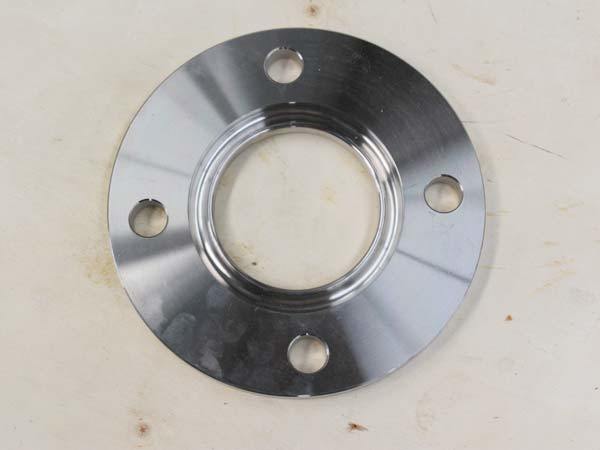
Flat Flanges in Fire Protection Systems: A Comprehensive Overview
Flat Flanges in Fire Protection Systems: A Comprehensive Overview Introduction to Flat Flanges in Fire Protection In the realm of fire protection systems, **flat flanges** serve as fundamental components that ensure the seamless connection and functionality of piping systems. These flanges play a crucial role in maintaining pressure and facilitating the smooth flow of fire suppression agents. Unde
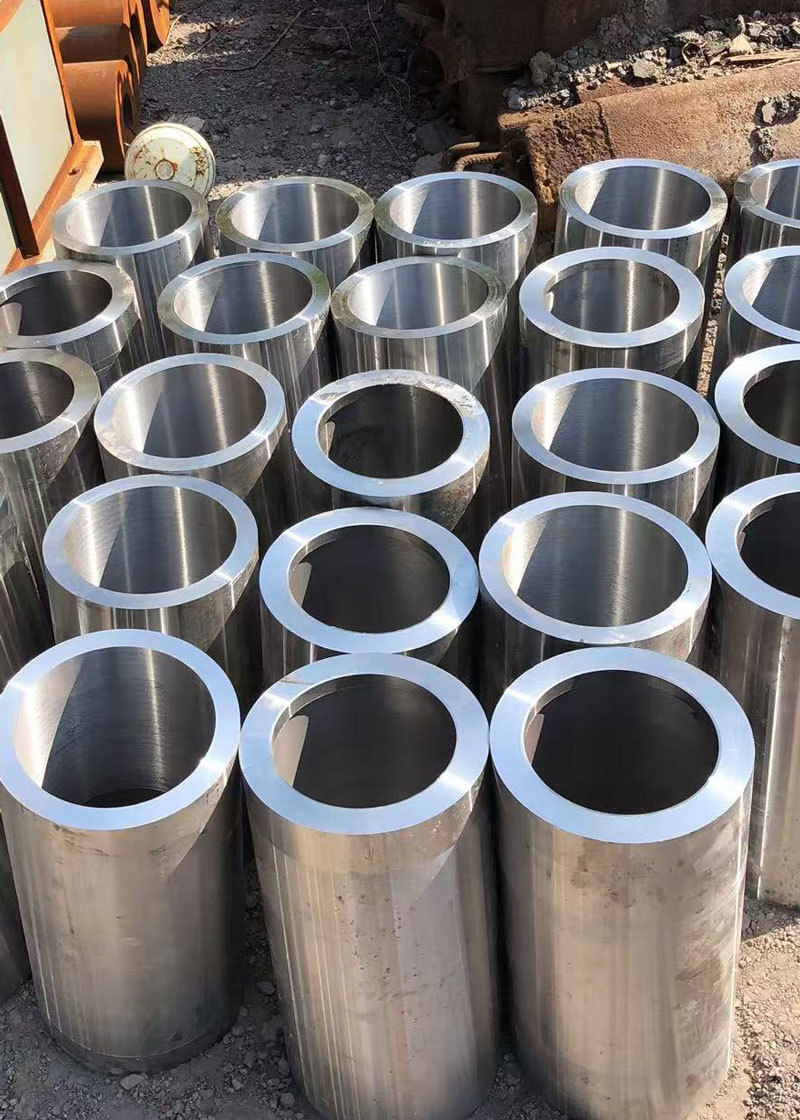
Steel industries forgings represent a crucial aspect of manufacturing within the construction sector, particularly when it comes to durable and high-quality materials. Forging is a process that involves shaping metal using localized compressive forces, resulting in products that boast enhanced strength and integrity. This technique is especially important in the construction and decorative materia
Shandong Xinhao Forging Co.,Ltd.
Tel:+86-15098858482
WeChat: 543983004
Email:xinhaoflange@gmail.com
Whatsapp:8615098858482
Website:www.xhflange.com

TikTok