

A Beginner's Comprehensive Guide to Understanding Sliding Flanges in Plumbing
Release time:
2026-10-15
A Beginner's Comprehensive Guide to Understanding Sliding Flanges in Plumbing Table of Contents What Are Sliding Flanges? The Importance of Sliding Flanges in Plumbing Systems Design and Structure of Sliding Flanges Types of Sliding Flanges Used in Plumbing Advantages of Using Sliding Flanges Installation Process for Sliding Flanges Maintenance Tips for Sliding Flanges Common Misc
A Beginner's Comprehensive Guide to Understanding Sliding Flanges in Plumbing
Table of Contents
- What Are Sliding Flanges?
- The Importance of Sliding Flanges in Plumbing Systems
- Design and Structure of Sliding Flanges
- Types of Sliding Flanges Used in Plumbing
- Advantages of Using Sliding Flanges
- Installation Process for Sliding Flanges
- Maintenance Tips for Sliding Flanges
- Common Misconceptions About Sliding Flanges
- Frequently Asked Questions
What Are Sliding Flanges?
Sliding flanges are specialized fittings used in plumbing and piping systems, primarily designed to connect two pipes in a manner that allows for thermal expansion and movement. Unlike fixed flanges, sliding flanges enable pipes to expand and contract without causing stress at the joint, making them crucial for maintaining the integrity of plumbing systems under varying temperature conditions.
The Importance of Sliding Flanges in Plumbing Systems
In plumbing, ensuring that systems can handle thermal expansion is vital for preventing leaks and structural damage. Sliding flanges provide a flexible connection that accommodates movement, significantly reducing the risk of joint failure. Their application is particularly important in hot water systems, where heat causes pipes to expand.
Moreover, sliding flanges facilitate ease of maintenance and repairs. By allowing for disassembly without the need to cut or damage pipes, they streamline the process, saving both time and costs associated with plumbing work.
Design and Structure of Sliding Flanges
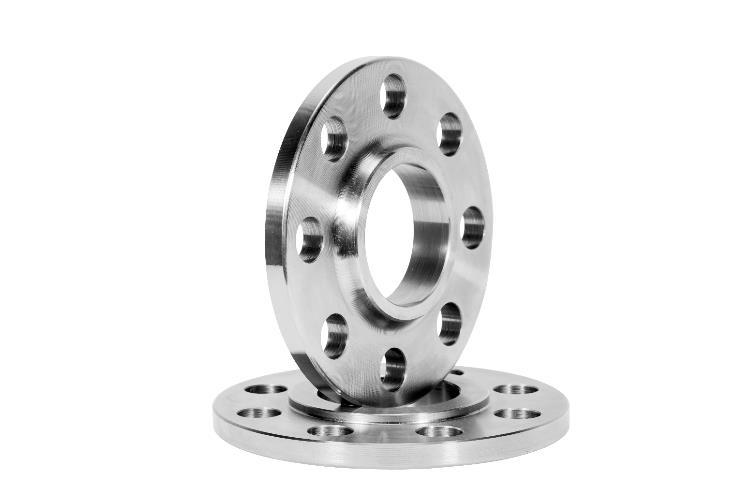
The design of a sliding flange typically includes a series of holes for bolting, a flat face to ensure a tight seal against the mating surface, and a body that allows for adequate movement. These components work together to provide a secure yet flexible connection between pipes.
Materials commonly used for sliding flanges include stainless steel, carbon steel, and other corrosion-resistant materials, which ensure longevity and durability in various plumbing applications.
Types of Sliding Flanges Used in Plumbing
There are several types of sliding flanges, each tailored to specific plumbing needs:
- Standard Sliding Flanges: These are used in most general plumbing applications and are highly versatile.
- Raised Face Sliding Flanges: Designed for high-pressure applications, these flanges have a raised surface that enhances sealing.
- Flat Sliding Flanges: These flanges provide a flatter surface for applications requiring less pressure and more surface contact.
- Blind Sliding Flanges: Used to seal off a section of pipe, blind sliding flanges are crucial for isolating portions of a plumbing system during maintenance.
Advantages of Using Sliding Flanges
Sliding flanges offer numerous advantages that make them a preferred choice in plumbing applications:
- Flexibility: They accommodate thermal expansion, which is essential in hot water systems.
- Ease of Installation: Their design allows for simpler assembly and disassembly compared to rigid flanges.
- Cost-Effective: Reducing the need for extensive modifications or replacements, sliding flanges can save money in the long run.
- Durability: Made from high-quality materials, they withstand various environmental conditions and stresses.
Installation Process for Sliding Flanges
Installing sliding flanges requires careful attention to detail to ensure proper function:
- Preparation: Ensure that the surfaces of the pipes and flanges are clean and free from debris.
- Alignment: Properly align the sliding flange with the adjoining pipe to prevent stress.
- Securing with Bolts: Use appropriate bolts to secure the flange; be cautious not to over-tighten, as this can damage the flange.
- Testing for Leaks: After installation, conduct pressure tests to check for leaks.
Maintenance Tips for Sliding Flanges
Regular maintenance of sliding flanges is crucial for ensuring optimal performance:
- Regular Inspections: Check for any signs of wear, corrosion, or leakage regularly.
- Seal Maintenance: Inspect and replace seals as needed to maintain a tight connection.
- Cleaning: Keep flanges clean to prevent buildup that could impair function.
Common Misconceptions About Sliding Flanges
Several misconceptions about sliding flanges can lead to improper use:
- Myth: Sliding flanges are unnecessary in low-pressure systems. Fact: They provide critical thermal expansion capabilities in all systems.
- Myth: All flanges are the same. Fact: Different types of flanges are designed for specific applications and conditions.
- Myth: Installation is simple and doesn't require skill. Fact: Proper installation techniques are essential to avoid future problems.
Frequently Asked Questions
1. What materials are used to make sliding flanges?
Sliding flanges are commonly made from materials like stainless steel, carbon steel, and other corrosion-resistant alloys, ensuring durability and resistance to environmental factors.
2. Can sliding flanges be used in high-pressure systems?
Yes, sliding flanges can be used in high-pressure applications, especially when designed with a raised face to enhance sealing capabilities.
3. How often should sliding flanges be inspected?
It is advisable to inspect sliding flanges at least once a year or more frequently in systems with high temperature fluctuations or heavy usage.
4. Can I install sliding flanges myself?
While experienced DIYers may install sliding flanges, it is recommended to seek professional assistance to ensure proper installation and avoid potential issues.
5. Do sliding flanges require special tools for installation?
Installation of sliding flanges typically requires standard plumbing tools such as wrenches and torque tools; however, specific applications may need additional equipment.
Conclusion
Sliding flanges play an indispensable role in modern plumbing systems, providing flexibility, durability, and ease of maintenance. Understanding their functionality, advantages, and proper installation techniques can significantly enhance the efficiency and longevity of plumbing infrastructures. Whether you're a novice or an experienced professional, having a comprehensive grasp of sliding flanges in plumbing ensures that your systems can withstand the challenges posed by temperature fluctuations and pressure changes. Embrace the knowledge shared in this guide to make informed decisions that contribute positively to your plumbing projects.
Previous
Latest developments
A Beginner's Comprehensive Guide to Understanding Sliding Flanges in Plumbing
A Beginner's Comprehensive Guide to Understanding Sliding Flanges in Plumbing Table of Contents What Are Sliding Flanges? The Importance of Sliding Flanges in Plumbing Systems Design and Structure of Sliding Flanges Types of Sliding Flanges Used in Plumbing Advantages of Using Sliding Flanges Installation Process for Sliding Flanges Maintenance Tips for Sliding Flanges Common Misc

Understanding High Neck Flanges: Essential Components for Construction and Decorating Materials
High neck flanges are specialized fittings used in piping systems to connect pipes, valves, pumps, and other equipment. They are characterized by a raised or "high" neck that extends from the flange face. This design feature affects the way the flange fits into the overall piping system, providing advantages in terms of strength and stability. One of the key benefits of high neck flanges is their
Flat Flanges in Fire Protection Systems: A Comprehensive Overview
Flat Flanges in Fire Protection Systems: A Comprehensive Overview Introduction to Flat Flanges in Fire Protection In the realm of fire protection systems, **flat flanges** serve as fundamental components that ensure the seamless connection and functionality of piping systems. These flanges play a crucial role in maintaining pressure and facilitating the smooth flow of fire suppression agents. Unde
Steel industries forgings represent a crucial aspect of manufacturing within the construction sector, particularly when it comes to durable and high-quality materials. Forging is a process that involves shaping metal using localized compressive forces, resulting in products that boast enhanced strength and integrity. This technique is especially important in the construction and decorative materia
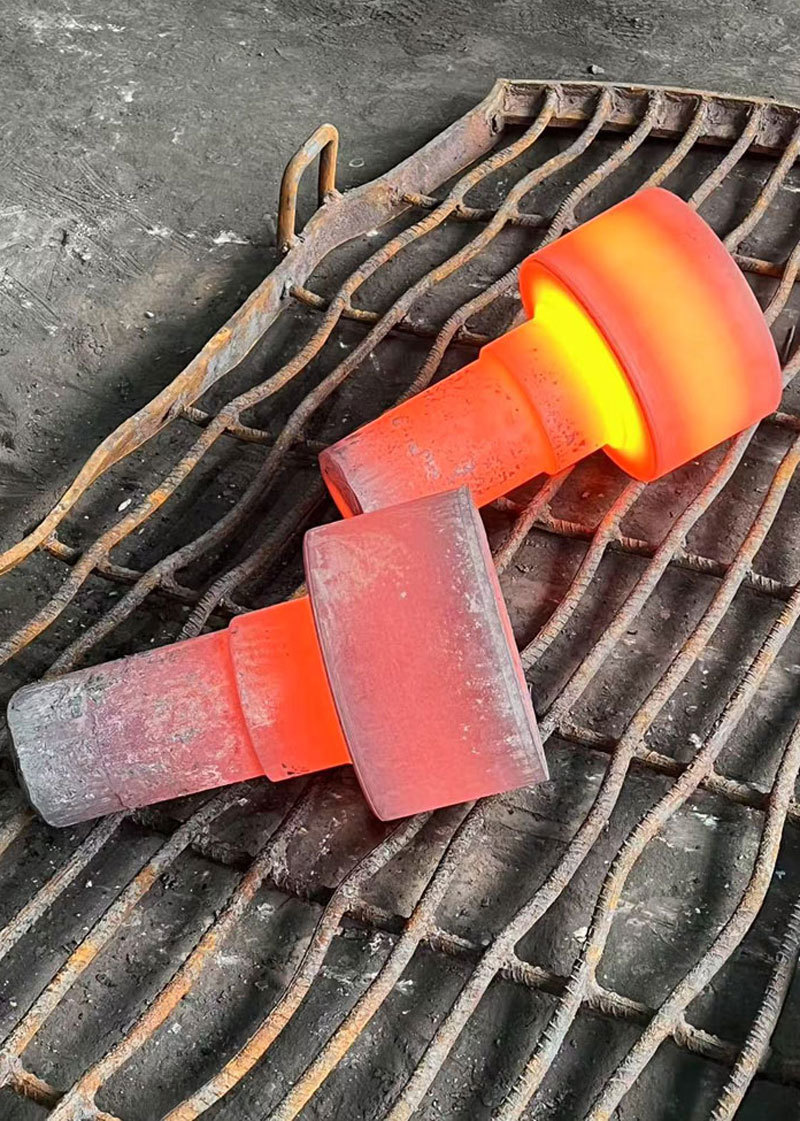
Quality Standards in the Forging of Stainless Steel Products: Ensuring Excellence in Metallurgy
Quality Standards in the Forging of Stainless Steel Products Table of Contents Introduction to Stainless Steel Forging The Importance of Quality Standards in Forging Types of Stainless Steel Used in Forging Common Forging Processes in Stainless Steel Manufacturing Quality Assurance Methodologies in Stainless Steel Forging Testing and Certification of Stainless Steel Products Global
Understanding Non-Standard Flanges: A Key Component in Architectural Applications
Non-standard flanges are specialized components that deviate from conventional sizing and design specifications. Unlike standard flanges, which adhere to established dimensions and pressure ratings, non-standard flanges are custom-made to meet unique project requirements. These flanges are crucial in various architectural and construction applications, particularly when dealing with unconventional
Shandong Xinhao Forging Co.,Ltd.
Tel:+86-15098858482
WeChat: 543983004
Email:xinhaoflange@gmail.com
Whatsapp:8615098858482
Website:www.xhflange.com

TikTok