

Choosing the Right Material for Your Sliding Flange: A Detailed Overview
Release time:
2025-06-04
Choosing the Right Material for Your Sliding Flange: A Detailed Overview In the construction and plumbing industry, the **choice of materials** plays a crucial role in the reliability and performance of systems. One critical component that often gets overlooked is the sliding flange. Selecting the right material for your sliding flange can significantly impact your project's success, affecting eve

Choosing the Right Material for Your Sliding Flange: A Detailed Overview
In the construction and plumbing industry, the **choice of materials** plays a crucial role in the reliability and performance of systems. One critical component that often gets overlooked is the sliding flange. Selecting the right material for your sliding flange can significantly impact your project's success, affecting everything from installation ease to long-term durability. This article will provide an in-depth look at the various materials available for sliding flanges, their properties, advantages, and how to choose the most suitable one for your application.
Table of Contents
- 1. Importance of Sliding Flanges in Construction
- 2. Understanding Sliding Flanges: What Are They?
- 3. Key Factors in Material Selection for Sliding Flanges
- 4. Common Materials Used for Sliding Flanges
- 5. Advantages and Disadvantages of Each Material
- 6. Application-Specific Recommendations
- 7. Maintenance and Care for Sliding Flanges
- 8. Frequently Asked Questions (FAQs)
- 9. Conclusion
1. Importance of Sliding Flanges in Construction
Sliding flanges are vital components that connect pipes and facilitate the flow of fluids within various systems. They provide a flexible connection, allowing for thermal expansion and contraction without compromising the integrity of the piping system. In construction, sliding flanges are widely used in plumbing, HVAC systems, and other industrial applications. Their significance cannot be overstated as they help maintain system efficiency, reduce wear and tear on components, and minimize the risk of leaks.
2. Understanding Sliding Flanges: What Are They?
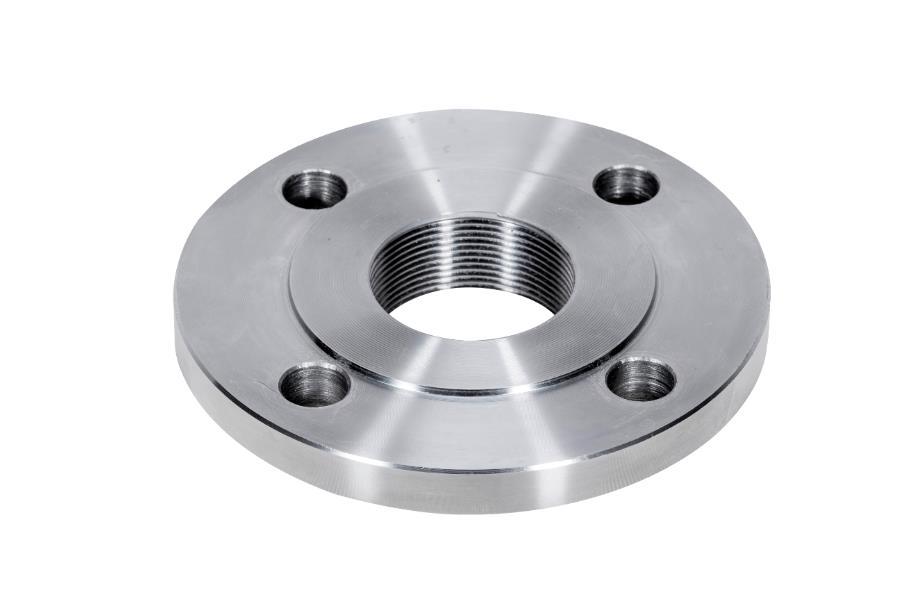
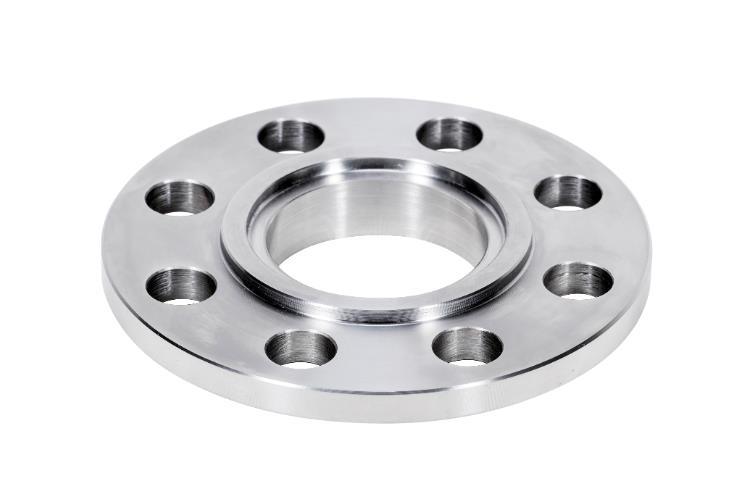
A sliding flange is a type of flange that allows for movement along the pipe it’s attached to. Unlike fixed flanges, sliding flanges can shift slightly, accommodating changes in alignment and thermal expansion. They are typically used in conjunction with a gasket to create a seal between two surfaces, ensuring that fluids remain contained within the piping system. The design of sliding flanges varies, but they typically feature a raised surface that helps in aligning the flange with the pipe.
3. Key Factors in Material Selection for Sliding Flanges
Choosing the right material for your sliding flange is critical to ensuring its efficiency and longevity. Here are several factors to consider when selecting the appropriate material:
3.1. Environmental Conditions
Consider the environment in which the sliding flange will operate. Factors such as temperature, humidity, and exposure to chemicals can all affect the material's performance. For instance, flanges exposed to corrosive substances may require materials with high corrosion resistance.
3.2. Pressure and Temperature Ratings
The material chosen must be able to withstand the pressure and temperature of the working environment. Ensure that the sliding flange's material has ratings that meet or exceed your system requirements.
3.3. Compatibility with Other Materials
It’s essential to ensure that the sliding flange material is compatible with the other materials in the system. This compatibility can prevent galvanic corrosion and ensure a secure, leak-free connection.
3.4. Budget Considerations
While it’s important to choose high-quality materials, budget constraints can also play a significant role. Balancing cost and quality is essential, so consider materials that provide the best value for your specific application.
4. Common Materials Used for Sliding Flanges
There are several materials commonly used for sliding flanges, each with its unique properties and applications. Below are some of the most popular materials:
4.1. Carbon Steel
Carbon steel is one of the most commonly used materials for sliding flanges due to its excellent strength and durability. It is ideal for high-pressure applications but can be prone to corrosion if not properly coated or treated.
4.2. Stainless Steel
Stainless steel is known for its corrosion resistance and longevity. It's a preferred choice for applications involving water, steam, and certain chemicals. Stainless steel flanges are more expensive than carbon steel but often justify the cost with their durability and low maintenance needs.
4.3. Cast Iron
Cast iron flanges are typically used in low-pressure systems and are highly resistant to wear. They are durable but can be brittle, making them unsuitable for environments where impact resistance is crucial.
4.4. PVC and Other Plastics
Plastic sliding flanges, such as those made from PVC, are lightweight, resistant to corrosion, and easy to install. They are often used in chemical processing applications, but they have limitations in terms of temperature and pressure ratings.
4.5. Alloy Materials
Alloy materials, such as duplex stainless steel, provide enhanced strength and corrosion resistance, making them suitable for harsh environments. They are often used in specialized applications where performance is critical.
5. Advantages and Disadvantages of Each Material
Understanding the advantages and disadvantages of each material can help you make an informed decision when selecting sliding flanges.
5.1. Carbon Steel
Advantages: High strength, good weldability, and cost-effective.
Disadvantages: Prone to corrosion without protective coatings.
5.2. Stainless Steel
Advantages: Excellent corrosion resistance and durability, low maintenance.
Disadvantages: Higher cost compared to carbon steel.
5.3. Cast Iron
Advantages: Durable and wear-resistant, suitable for low-pressure systems.
Disadvantages: Brittle and less suitable for high-impact environments.
5.4. PVC and Other Plastics
Advantages: Lightweight, resistant to corrosion, easy to install.
Disadvantages: Limited thermal and pressure ratings.
5.5. Alloy Materials
Advantages: High strength and corrosion resistance for harsh environments.
Disadvantages: Typically more expensive than standard materials.
6. Application-Specific Recommendations
The ideal material for your sliding flange may vary based on the specific application. Here are some recommendations:
6.1. Plumbing Applications
For residential plumbing systems, stainless steel flanges are often the best choice due to their corrosion resistance and strength.
6.2. Industrial Applications
In industrial settings, carbon steel or alloy materials may be preferred due to their high strength and ability to withstand pressure and temperature fluctuations.
6.3. Chemical Processing
For chemical processing applications, consider using PVC or other plastics, especially when dealing with aggressive chemicals. Stainless steel can be a good option if high temperatures are involved.
7. Maintenance and Care for Sliding Flanges
Proper maintenance of sliding flanges can prolong their lifespan and ensure optimal performance. Here are some tips for care:
7.1. Regular Inspections
Perform regular inspections for signs of wear, corrosion, or damage to the flanges and seals. Promptly address any issues to prevent leaks.
7.2. Cleaning
Keep the sliding flanges clean and free of debris. Use appropriate cleaning agents that won't cause damage to the flange material.
7.3. Lubrication
For flanges that experience movement, consider using suitable lubricants to reduce friction and wear. Ensure that lubricants are compatible with the flange material and the operating environment.
8. Frequently Asked Questions (FAQs)
8.1. What is the best material for a sliding flange in a high-temperature environment?
The best material for high-temperature environments is typically stainless steel or alloy materials, as they can withstand elevated temperatures without losing structural integrity.
8.2. Can I use PVC sliding flanges in outdoor applications?
PVC sliding flanges can be used outdoors, but they may degrade under prolonged exposure to UV light. Consider UV-resistant options if outdoor use is necessary.
8.3. How do I know if my sliding flange is leaking?
Look for signs of fluid leaks around the flange connection, such as dampness or puddles. Additionally, listen for hissing sounds that may indicate escaping gases.
8.4. Are sliding flanges reusable?
Sliding flanges can be reused if they are in good condition and have not been damaged during removal. Inspect for wear and replace gaskets as necessary.
8.5. How do I choose the right size sliding flange for my application?
Determine the diameter and pressure rating of your piping system and select a sliding flange that matches these specifications to ensure a proper fit.
9. Conclusion
Choosing the right material for your sliding flange is essential for ensuring the integrity and efficiency of your piping system. By considering factors such as environmental conditions, pressure and temperature ratings, and material compatibility, you can select the best option for your specific needs. From carbon steel to stainless steel and PVC, each material has its unique advantages and disadvantages. Proper maintenance and care can further enhance the lifespan and functionality of your sliding flanges, providing peace of mind in your construction and plumbing projects.
Latest developments
Understanding Flanged Connections in Building and Decoration Materials
Flanged connections are a fundamental component in piping systems within the construction and decoration materials sector. These connections consist of two flanges, which are typically flat pieces of metal that are bolted together, creating a secure joint. This method of joining pipes, valves, and fittings is favored due to its reliability, ease of maintenance, and ability to handle high pressure
The Advantages of Sliding Flanges in High-Pressure Applications
The Advantages of Sliding Flanges in High-Pressure Applications Table of Contents 1. Understanding Sliding Flanges 2. Importance of Sliding Flanges in High-Pressure Systems 3. Key Benefits of Sliding Flanges 3.1 Flexibility and Adjustability 3.2 Stress Reduction on Piping 3.3 Enhanced Sealing Capabilities 4. Applications of Sliding Flanges 5. Installation

Understanding High Neck Flanges: Essential Components for Construction and Decorative Materials
High neck flanges are critical components in various piping systems used in the construction and decorative materials industry. They are designed to connect pipes, valves, pumps, and other equipment, ensuring a secure and leak-proof seal. The high neck design distinguishes them from standard flanges, as they feature a longer neck that helps to accommodate thicker materials and provides additional
How to Maintain Your Flat Flanges for Longevity: Essential Tips for Optimal Performance
How to Maintain Your Flat Flanges for Longevity Flanges are essential components in piping and plumbing systems, facilitating connections in various applications. Among these, **flat flanges** are widely used due to their ease of installation and maintenance. However, to ensure their longevity and optimal performance, proper care and maintenance are paramount. In this article, we will delve into e

The Role of Steel Industries Forgings in Construction and Decorative Materials
In the construction and decorative materials sector, the importance of steel industries forgings cannot be overstated. Forging is a manufacturing process that involves shaping metal using localized compressive forces, which results in products that boast enhanced mechanical properties. This method is particularly relevant for the steel industry, where forgings are integral in creating components u

Forging Stainless Steel: Techniques for Optimal Quality
Forging Stainless Steel: Techniques for Optimal Quality Table of Contents 1. Introduction to Forging Stainless Steel 2. What is Stainless Steel? 3. The Importance of Forging in Stainless Steel 4. Key Forging Techniques for Stainless Steel 4.1 Open Die Forging 4.2 Closed Die Forging 4.3 Upset Forging 4.4 Swaging 5. The Forging P
Shandong Xinhao Forging Co.,Ltd.
Tel:+86-15098858482
WeChat: 543983004
Email:xinhaoflange@gmail.com
Whatsapp:8615098858482
Website:www.xhflange.com

TikTok