

Understanding Flanged Connections: Essential Insights for Building and Decoration Materials
Release time:
2025-09-21
Flanged connections are a crucial component in various piping systems used within the construction and decorative materials industry. These connections serve as a reliable method for joining pipes, valves, and fittings, ensuring a leak-proof seal that can withstand varying levels of pressure and temperature. Understanding the intricacies of flanged connections is essential for professionals lookin

A flanged connection consists of two flanges, which are typically flat pieces of material with holes drilled around their periphery for bolting. When two flanges are joined together, a gasket is often placed between them, creating a tight seal that prevents leakage. This configuration not only provides structural integrity but also facilitates easier access for maintenance and repairs, making flanged connections a popular choice in many applications.
One of the primary advantages of flanged connections is their versatility. They can be used in a variety of systems, including water supply lines, HVAC systems, and even in decorative elements that require robust structural support. The ability to disassemble and reassemble these connections without damaging the components makes them particularly appealing for temporary setups or systems that require frequent maintenance.
When it comes to the installation of flanged connections, several key considerations should be taken into account. First, the alignment of the flanges is critical; improper alignment can lead to uneven pressure distribution and potential leaks. It is advisable to use alignment tools and ensure that the surfaces of the flanges are clean and free of debris before installation.
Another important factor is the selection of the appropriate gasket material. The gasket must be compatible with the fluid being transported and capable of withstanding the operational pressures and temperatures. Common materials include rubber, PTFE, and various types of metal, each with its own advantages depending on the application.
Moreover, the tightening of bolts that secure the flanges together should follow a specific torque pattern to ensure even distribution of pressure. Over-tightening can lead to flange deformation, while under-tightening can result in leakage. Therefore, using a calibrated torque wrench and adhering to the manufacturer’s specifications is essential for achieving a secure connection.
In conclusion, flanged connections play a vital role in the construction and decorative materials industry. Their ability to provide a strong, reliable connection while allowing for ease of maintenance makes them an invaluable choice for various applications. Understanding the principles of flanged connections will not only enhance your project outcomes but also contribute to the longevity and performance of the systems you design and install.
Latest developments
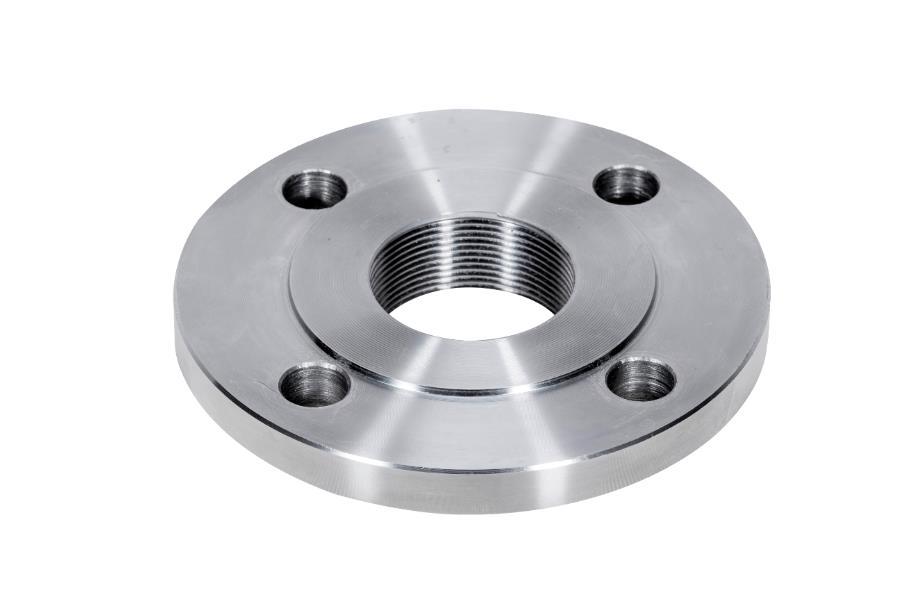
Understanding Flanged Connections in Building and Decoration Materials
Flanged connections are a fundamental component in piping systems within the construction and decoration materials sector. These connections consist of two flanges, which are typically flat pieces of metal that are bolted together, creating a secure joint. This method of joining pipes, valves, and fittings is favored due to its reliability, ease of maintenance, and ability to handle high pressure
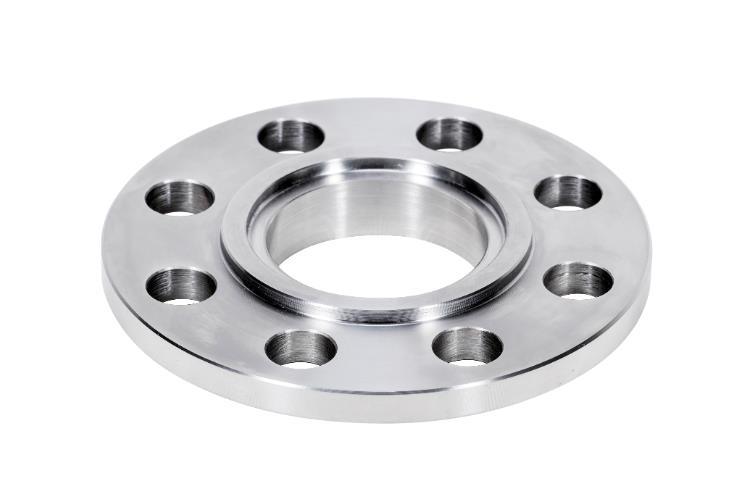
The Advantages of Sliding Flanges in High-Pressure Applications
The Advantages of Sliding Flanges in High-Pressure Applications Table of Contents 1. Understanding Sliding Flanges 2. Importance of Sliding Flanges in High-Pressure Systems 3. Key Benefits of Sliding Flanges 3.1 Flexibility and Adjustability 3.2 Stress Reduction on Piping 3.3 Enhanced Sealing Capabilities 4. Applications of Sliding Flanges 5. Installation

Understanding High Neck Flanges: Essential Components for Construction and Decorative Materials
High neck flanges are critical components in various piping systems used in the construction and decorative materials industry. They are designed to connect pipes, valves, pumps, and other equipment, ensuring a secure and leak-proof seal. The high neck design distinguishes them from standard flanges, as they feature a longer neck that helps to accommodate thicker materials and provides additional
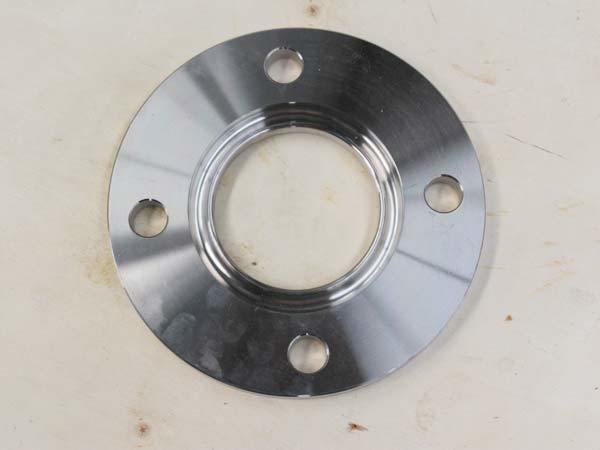
How to Maintain Your Flat Flanges for Longevity: Essential Tips for Optimal Performance
How to Maintain Your Flat Flanges for Longevity Flanges are essential components in piping and plumbing systems, facilitating connections in various applications. Among these, **flat flanges** are widely used due to their ease of installation and maintenance. However, to ensure their longevity and optimal performance, proper care and maintenance are paramount. In this article, we will delve into e

The Role of Steel Industries Forgings in Construction and Decorative Materials
In the construction and decorative materials sector, the importance of steel industries forgings cannot be overstated. Forging is a manufacturing process that involves shaping metal using localized compressive forces, which results in products that boast enhanced mechanical properties. This method is particularly relevant for the steel industry, where forgings are integral in creating components u

Forging Stainless Steel: Techniques for Optimal Quality
Forging Stainless Steel: Techniques for Optimal Quality Table of Contents 1. Introduction to Forging Stainless Steel 2. What is Stainless Steel? 3. The Importance of Forging in Stainless Steel 4. Key Forging Techniques for Stainless Steel 4.1 Open Die Forging 4.2 Closed Die Forging 4.3 Upset Forging 4.4 Swaging 5. The Forging P
Shandong Xinhao Forging Co.,Ltd.
Tel:+86-15098858482
WeChat: 543983004
Email:xinhaoflange@gmail.com
Whatsapp:8615098858482
Website:www.xhflange.com

TikTok