

Exploring the Role of Forgings in the Steel Industry: A Key Component for Construction and Decoration
Release time:
2026-01-07
In the realm of the steel industry, forgings have emerged as a crucial element, particularly for professionals involved in construction and decorative materials. Forgings are produced by shaping steel through deformation processes, which enhances its mechanical properties and structural integrity. This makes them highly sought after in various applications, ranging from heavy construction to intri
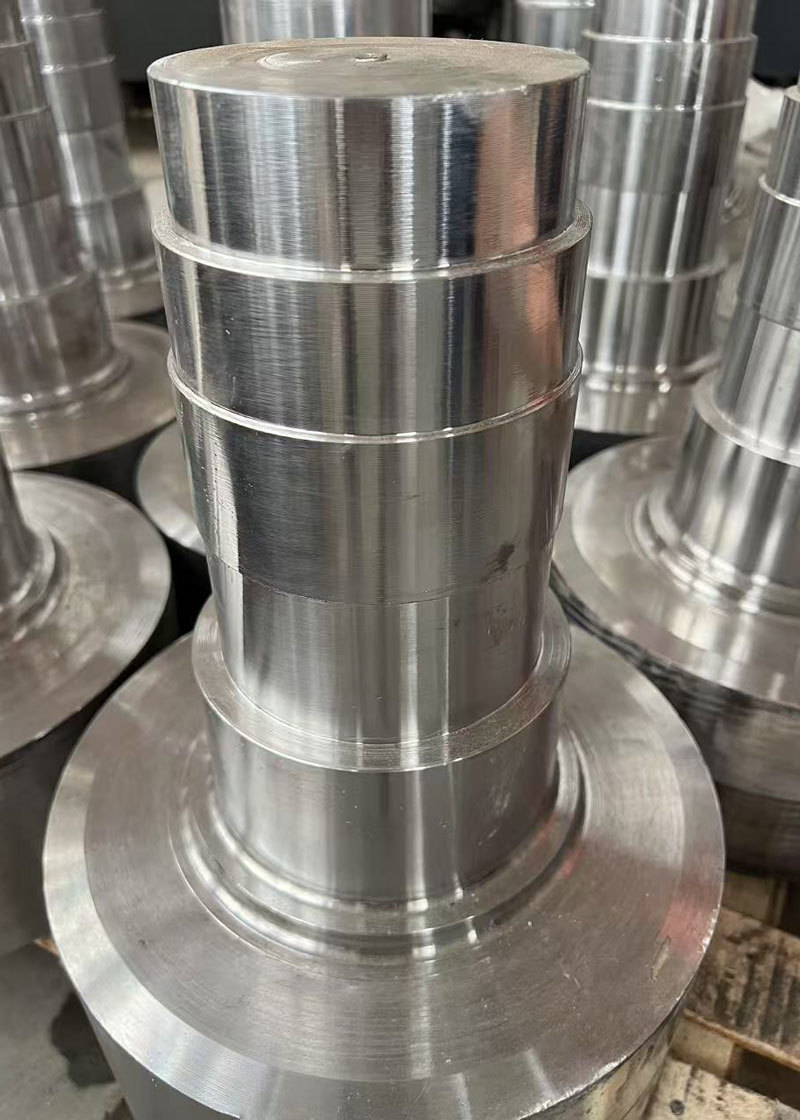
One of the primary advantages of steel forgings is their superior strength compared to other materials. The forging process involves applying heat and pressure, which align the internal grain structure of the steel. This results in a material that can withstand high levels of stress and strain. As a result, forgings are often used in critical applications such as structural beams, supports, and fittings, where safety and reliability are paramount.
In addition to strength, steel forgings offer excellent ductility and toughness. These properties allow the material to absorb energy and deform without breaking, making it ideal for projects that require durability under dynamic loads. For instance, in the construction of bridges, high-rise buildings, and industrial facilities, forged components can ensure long-lasting performance, even in harsh environmental conditions.
Moreover, the versatility of steel forgings extends to their aesthetic appeal. In the decorative materials sector, forged steel can be crafted into intricate shapes and designs. This capability allows architects and designers to incorporate unique elements into their structures, enhancing both functionality and visual appeal. From ornate railings to customized fixtures, the applications of forged steel are virtually limitless.
Another noteworthy aspect of steel forgings is their ability to be produced in various sizes and shapes, tailored to specific project requirements. This customization allows for efficient integration into different construction scenarios, optimizing both performance and cost-effectiveness. By leveraging the unique properties of forged steel, professionals in the construction and decoration industry can achieve innovative designs while ensuring structural integrity.
In conclusion, the significance of steel forgings in the steel industry cannot be overstated. With their enhanced strength, durability, and aesthetic versatility, these materials play a vital role in both construction and decorative applications. As the demand for high-quality building materials continues to grow, understanding the benefits and applications of steel forgings will empower professionals to make informed decisions that elevate the standards of their projects. Whether it’s for structural needs or decorative enhancements, steel forgings stand out as a reliable choice in the ever-evolving landscape of the construction and decoration materials industry.
Latest developments
Mastering DIY: Essential Tips for Working with Threaded Flanges at Home
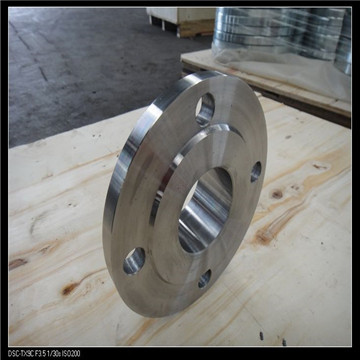
Mastering DIY: Essential Tips for Working with Threaded Flanges at Home Table of Contents Understanding Threaded Flanges: A Comprehensive Overview The Importance of Threaded Flanges in Home Projects Essential Tools and Materials for Working with Threaded Flanges Preparation Steps Before Starting Your Project Step-by-Step Guide to Installing Threaded Flanges Common Mistakes
Understanding Flanged Connections in Building and Decoration Materials
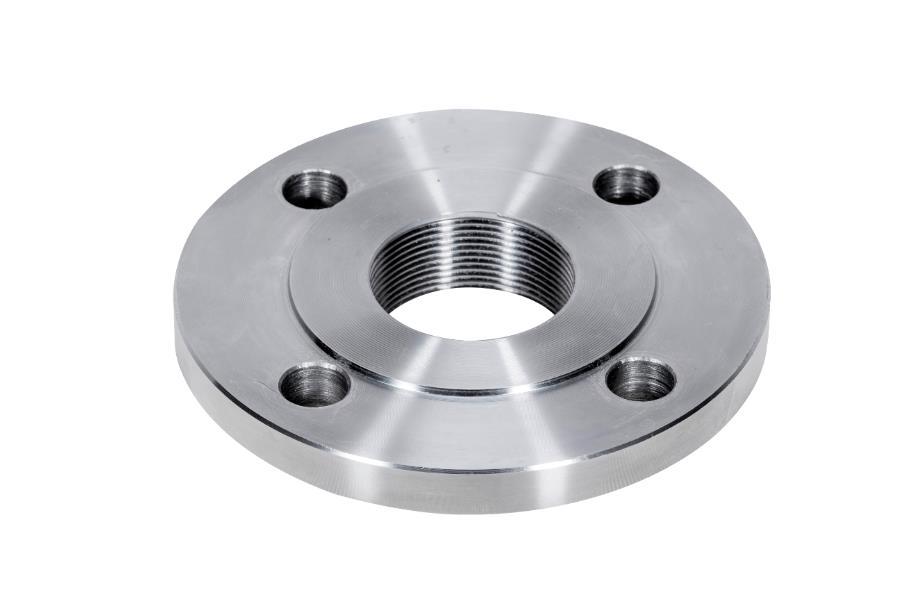
Flanged connections are a fundamental component in piping systems within the construction and decoration materials sector. These connections consist of two flanges, which are typically flat pieces of metal that are bolted together, creating a secure joint. This method of joining pipes, valves, and fittings is favored due to its reliability, ease of maintenance, and ability to handle high pressure
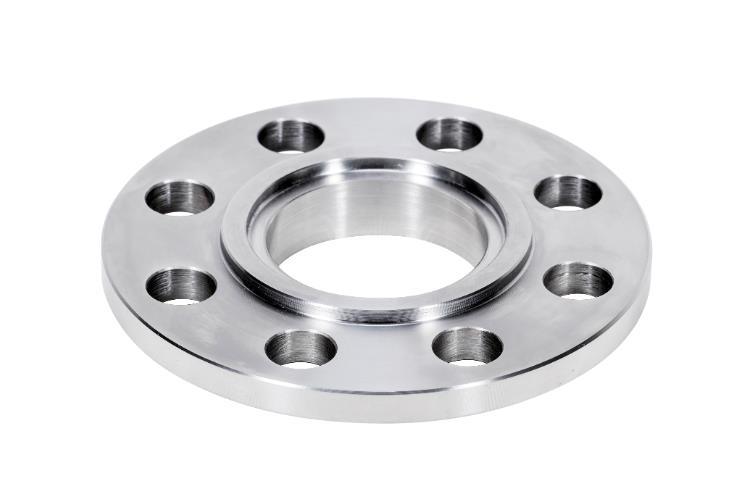
The Advantages of Sliding Flanges in High-Pressure Applications
The Advantages of Sliding Flanges in High-Pressure Applications Table of Contents 1. Understanding Sliding Flanges 2. Importance of Sliding Flanges in High-Pressure Systems 3. Key Benefits of Sliding Flanges 3.1 Flexibility and Adjustability 3.2 Stress Reduction on Piping 3.3 Enhanced Sealing Capabilities 4. Applications of Sliding Flanges 5. Installation

Understanding High Neck Flanges: Essential Components for Construction and Decorative Materials
High neck flanges are critical components in various piping systems used in the construction and decorative materials industry. They are designed to connect pipes, valves, pumps, and other equipment, ensuring a secure and leak-proof seal. The high neck design distinguishes them from standard flanges, as they feature a longer neck that helps to accommodate thicker materials and provides additional
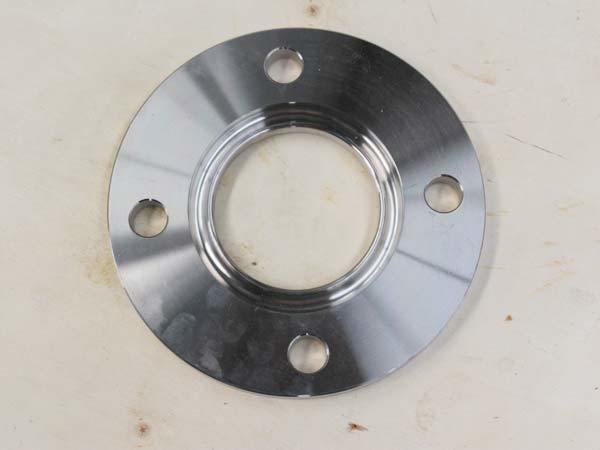
How to Maintain Your Flat Flanges for Longevity: Essential Tips for Optimal Performance
How to Maintain Your Flat Flanges for Longevity Flanges are essential components in piping and plumbing systems, facilitating connections in various applications. Among these, **flat flanges** are widely used due to their ease of installation and maintenance. However, to ensure their longevity and optimal performance, proper care and maintenance are paramount. In this article, we will delve into e

The Role of Steel Industries Forgings in Construction and Decorative Materials
In the construction and decorative materials sector, the importance of steel industries forgings cannot be overstated. Forging is a manufacturing process that involves shaping metal using localized compressive forces, which results in products that boast enhanced mechanical properties. This method is particularly relevant for the steel industry, where forgings are integral in creating components u
Shandong Xinhao Forging Co.,Ltd.
Tel:+86-15098858482
WeChat: 543983004
Email:xinhaoflange@gmail.com
Whatsapp:8615098858482
Website:www.xhflange.com

TikTok