

The Historical Evolution of Stainless Steel Forging Methods: A Comprehensive Analysis
Release time:
2026-09-03
The Historical Evolution of Stainless Steel Forging Methods Introduction to Stainless Steel Forging Stainless steel forging has come a long way since its inception in the early 20th century. This process involves shaping stainless steel through the application of compressive forces, resulting in enhanced mechanical properties and durability. Understanding the evolution of these forging methods is

The Historical Evolution of Stainless Steel Forging Methods
Introduction to Stainless Steel Forging
Stainless steel forging has come a long way since its inception in the early 20th century. This process involves shaping stainless steel through the application of compressive forces, resulting in enhanced mechanical properties and durability. Understanding the evolution of these forging methods is crucial for appreciating their significance in various industrial applications.
Table of Contents
1. Origins of Stainless Steel
2. Early Forging Methods
3. Technological Advancements in Forging
4. Modern Forging Techniques
5. Applications of Stainless Steel Forging
6. Benefits of Forging Stainless Steel
7. Future Trends in Stainless Steel Forging
8. Frequently Asked Questions
9. Conclusion
Origins of Stainless Steel
The story of stainless steel begins in the early 1900s with the discovery of chromium's corrosion-resistant properties. Harry Brearley, a British metallurgist, is credited with the invention of stainless steel in 1913. By adding chromium to carbon steel, he created an alloy that would resist rust and staining. This innovation laid the foundation for the forging processes that would follow.
Early Forging Methods
Initially, the forging of stainless steel was rudimentary. Blacksmiths utilized traditional hammering techniques to manipulate the metal. These early methods were labor-intensive and often resulted in inconsistent quality. The focus was primarily on producing small-scale items, such as cutlery and tools, which required precision and durability.
The Role of Manual Labor in Early Forging
Manual labor played a significant role in the early stages of stainless steel forging. Craftsmen relied on their skills to shape the metal, often using hand-held tools. This process was inefficient and limited in scope, restricting production capabilities.
Technological Advancements in Forging
As the demand for stainless steel grew, so did the need for more efficient forging methods. The mid-20th century witnessed several technological advancements that transformed the industry.
Introduction of Hydraulic Presses
In the 1950s, hydraulic presses began to replace traditional hammers in forging operations. These machines offered greater control and force, allowing for higher precision in shaping stainless steel. The adoption of hydraulic technology enabled manufacturers to produce larger components with improved mechanical properties.
Computer Numerical Control (CNC) Technology
The introduction of CNC technology in the 1980s revolutionized stainless steel forging. This allowed for automated processes, resulting in consistent quality and reduced human error. CNC machines could produce intricate designs and complex geometries, expanding the possibilities for stainless steel applications.
Modern Forging Techniques
Today, stainless steel forging employs a variety of modern techniques that enhance efficiency and product quality.
Die Forging
Die forging involves the use of pre-formed molds to shape the metal. This method allows for mass production and ensures uniformity across products. Die forging is particularly advantageous for producing components in industries such as aerospace and automotive, where precision is paramount.
Open-Die Forging
Open-die forging, also known as free forging, involves shaping the metal without the use of a closed mold. This technique is flexible and can accommodate larger pieces, making it ideal for custom orders. Open-die forging is often used for heavy machinery parts and structural components.
Applications of Stainless Steel Forging
The versatility of stainless steel makes it a preferred choice in various industries. Some applications include:
Aerospace Industry
Stainless steel components are vital in aerospace applications due to their strength and corrosion resistance. Forged stainless steel parts are used in aircraft engines, landing gear, and structural components, ensuring safety and reliability.
Medical Devices
In the medical field, stainless steel is favored for surgical instruments and implants. The forging process ensures that these tools meet strict hygiene standards while providing the necessary strength and durability.
Construction and Infrastructure
Stainless steel's resistance to environmental factors makes it ideal for construction materials. Forged stainless steel components are commonly used in bridges, buildings, and other infrastructure projects, providing long-lasting solutions.
Benefits of Forging Stainless Steel
Forging stainless steel offers numerous advantages, making it a preferred method in various industries.
Enhanced Mechanical Properties
Forging improves the mechanical properties of stainless steel, resulting in materials that can withstand significant stress and strain. The process refines the grain structure, enhancing strength, ductility, and toughness.
Cost-Effectiveness
While the initial investment in forging equipment can be high, the long-term benefits outweigh the costs. Forged stainless steel components typically require less maintenance and have a longer lifespan, reducing overall production costs.
Design Flexibility
Modern forging techniques allow for greater design flexibility. Manufacturers can produce complex shapes and sizes, catering to specific industry needs without compromising quality.
Future Trends in Stainless Steel Forging
As technology continues to evolve, so does stainless steel forging. Future trends are likely to focus on sustainability and efficiency.
Incorporating Sustainable Practices
With growing environmental concerns, the stainless steel industry is shifting towards sustainable forging practices. This includes using recycled materials and reducing energy consumption during the forging process.
Advanced Robotics in Forging
The integration of robotics in forging operations is set to enhance precision and efficiency. Robotic systems can automate repetitive tasks, allowing skilled workers to focus on more complex operations.
Frequently Asked Questions
1. What is stainless steel forging?
Stainless steel forging is a manufacturing process that shapes stainless steel using compressive forces. This enhances the metal's mechanical properties, making it stronger and more durable.
2. What are the benefits of forged stainless steel?
Forged stainless steel offers enhanced mechanical properties, cost-effectiveness, and design flexibility, making it suitable for various industrial applications.
3. How has technology impacted stainless steel forging?
Technological advancements, such as hydraulic presses and CNC machines, have improved the efficiency, precision, and consistency of stainless steel forging processes.
4. In which industries is stainless steel forging commonly used?
Stainless steel forging is widely used in aerospace, medical devices, construction, and automotive industries due to its strength and corrosion resistance.
5. What are the future trends in stainless steel forging?
Future trends include the adoption of sustainable practices and the integration of robotics to enhance precision and efficiency in forging operations.
Conclusion
The historical evolution of stainless steel forging methods reflects significant technological advancements and innovations that have shaped the manufacturing landscape. From the early days of manual forging to the modern techniques employed today, stainless steel continues to play a crucial role in various industries. As we look to the future, sustainability and efficiency will drive further developments in this essential field, ensuring that stainless steel remains a vital material for generations to come.
Previous
Latest developments
The Historical Evolution of Stainless Steel Forging Methods: A Comprehensive Analysis
The Historical Evolution of Stainless Steel Forging Methods Introduction to Stainless Steel Forging Stainless steel forging has come a long way since its inception in the early 20th century. This process involves shaping stainless steel through the application of compressive forces, resulting in enhanced mechanical properties and durability. Understanding the evolution of these forging methods is

Understanding Non-Standard Flanges: Essential Insights for the Construction and Decoration Industry
Non-standard flanges are integral components in piping systems, primarily used to connect pipes, valves, and other equipment. Unlike standard flanges, which adhere to widely accepted dimensions and specifications, non-standard flanges are custom-made to fit specific project requirements. This customization is often necessary when dealing with unique designs, unusual materials, or specific pressure
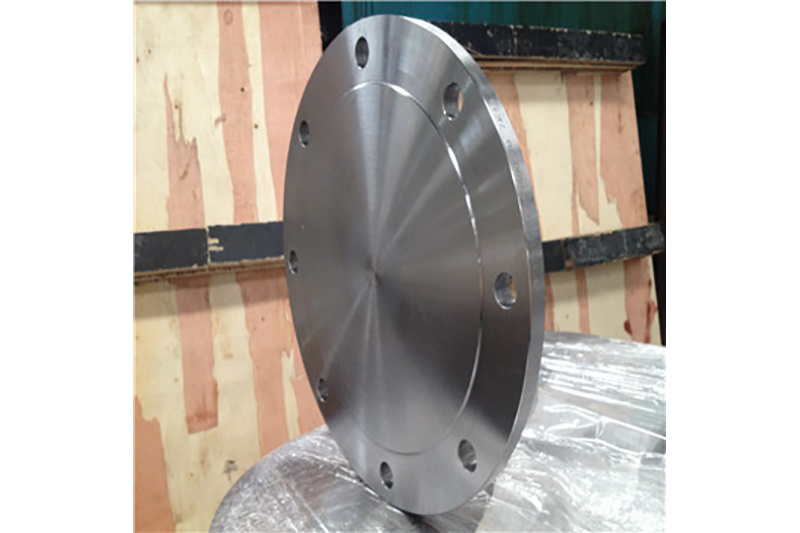
Incorporating Japanese Standard Flanges into Your Design Plans: A Comprehensive Guide
Incorporating Japanese Standard Flanges into Your Design Plans: A Comprehensive Guide Table of Contents Introduction to Japanese Standard Flanges Understanding Flanges: Types and Functions What Are Japanese Standard Flanges? Applications of Japanese Standard Flanges in Various Industries Benefits of Using Japanese Standard Flanges Design Integration: How to
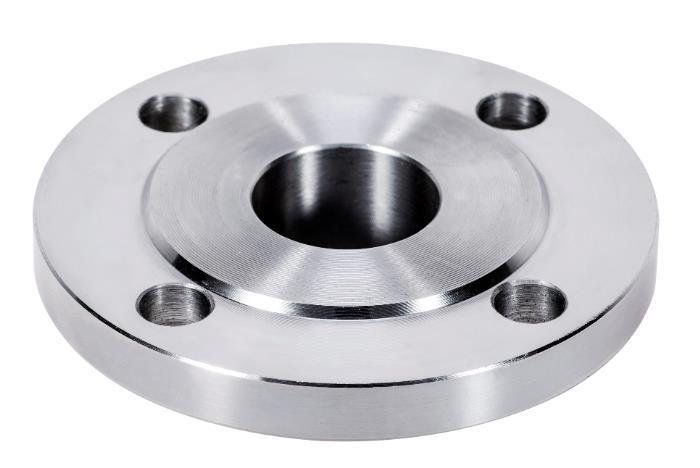
Understanding American Standard Flanges: A Comprehensive Guide for Professionals
When it comes to piping systems, the American standard flange plays a pivotal role in ensuring reliable connections between various components. These flanges, adhering to specific dimensions and standards, are essential for creating secure joints that can withstand pressure and temperature variations in numerous applications. American standard flanges are typically made from materials such as carb
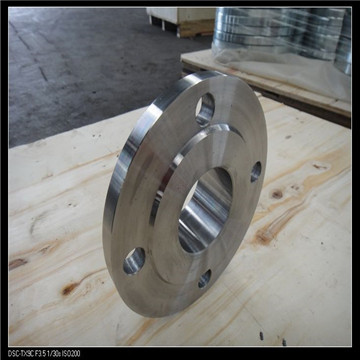
Mastering DIY: Essential Tips for Working with Threaded Flanges at Home
Mastering DIY: Essential Tips for Working with Threaded Flanges at Home Table of Contents Understanding Threaded Flanges: A Comprehensive Overview The Importance of Threaded Flanges in Home Projects Essential Tools and Materials for Working with Threaded Flanges Preparation Steps Before Starting Your Project Step-by-Step Guide to Installing Threaded Flanges Common Mistakes
Understanding Flanged Connections in Building and Decoration Materials
Flanged connections are a fundamental component in piping systems within the construction and decoration materials sector. These connections consist of two flanges, which are typically flat pieces of metal that are bolted together, creating a secure joint. This method of joining pipes, valves, and fittings is favored due to its reliability, ease of maintenance, and ability to handle high pressure
Shandong Xinhao Forging Co.,Ltd.
Tel:+86-15098858482
WeChat: 543983004
Email:xinhaoflange@gmail.com
Whatsapp:8615098858482
Website:www.xhflange.com

TikTok