

Understanding the Essential Role of Japanese Standard Flanges in Modern Construction
Release time:
2025-03-20
Understanding the Essential Role of Japanese Standard Flanges in Modern Construction Table of Contents 1. Introduction to Japanese Standard Flanges 2. Historical Background of Flange Standards in Japan 3. Manufacturing Standards for Japanese Standard Flanges 4. Types of Japanese Standard Flanges and Their Applications 5. Importance of Japanese Standard Flanges in Modern Construction 6

Understanding the Essential Role of Japanese Standard Flanges in Modern Construction
Table of Contents
- 1. Introduction to Japanese Standard Flanges
- 2. Historical Background of Flange Standards in Japan
- 3. Manufacturing Standards for Japanese Standard Flanges
- 4. Types of Japanese Standard Flanges and Their Applications
- 5. Importance of Japanese Standard Flanges in Modern Construction
- 6. Advantages of Using Japanese Standard Flanges
- 7. Challenges in Implementing Japanese Standard Flanges
- 8. Future Trends in Flange Technology and Construction
- 9. Conclusion
- 10. Frequently Asked Questions
1. Introduction to Japanese Standard Flanges
In modern construction, the significance of **flanges** cannot be overstated. Particularly, **Japanese standard flanges** stand out due to their precise manufacturing processes and adherence to stringent quality standards. These components play a crucial role in joining pipes, valves, pumps, and other equipment in various construction and industrial applications. Understanding their importance is essential for any professional in the construction industry.
2. Historical Background of Flange Standards in Japan
Japanese standards for flanges emerged from the need for high-quality construction materials that could withstand the rigors of Japan's unique geographical and seismic conditions. The development of standardized flanges began in the mid-20th century, influenced by both domestic needs and international standards. The collaboration between Japanese engineers and global experts has led to the refinement of these standards, ensuring that they meet rigorous safety and performance criteria.
3. Manufacturing Standards for Japanese Standard Flanges
The manufacturing of **Japanese standard flanges** is governed by strict regulations, primarily outlined in the Japanese Industrial Standards (JIS). These standards ensure that flanges meet specific criteria regarding:
- **Material Composition**: The choice of materials, such as carbon steel, stainless steel, and alloy materials, is crucial for performance.
- **Dimensional Tolerances**: Flanges must adhere to precise dimensions to ensure proper sealing and connection.
- **Surface Finish**: The surface quality affects both the aesthetic and functional aspects of flanges.
By adhering to these standards, manufacturers can guarantee a high level of quality and reliability in **Japanese standard flanges**.
4. Types of Japanese Standard Flanges and Their Applications
Japanese standard flanges come in various types, each tailored for specific applications. Some common types include:
4.1 Weld Neck Flanges
Weld neck flanges are widely used in high-pressure applications. Their design allows for a smooth transition between the pipe and the flange, minimizing turbulence.
4.2 Slip-On Flanges
Slip-on flanges are easy to install and are commonly used in low-pressure applications. They slip onto the pipe and are then welded in place.
4.3 Blind Flanges
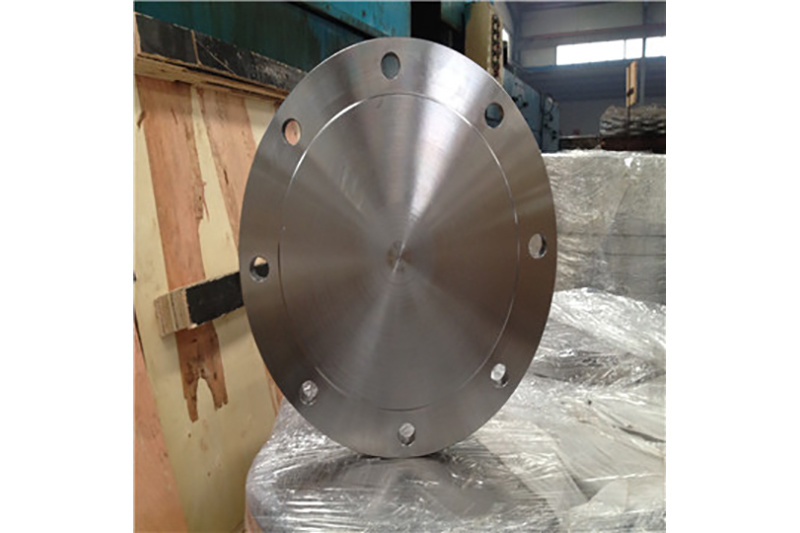
Blind flanges are used to close the end of a piping system. They provide a robust seal and are essential for maintenance purposes.
4.4 Socket Weld Flanges
Socket weld flanges allow for a smooth flow of materials and are typically used in smaller diameter piping systems.
5. Importance of Japanese Standard Flanges in Modern Construction
The role of **Japanese standard flanges** extends beyond mere functionality; they are integral to the **structural integrity** of various construction projects. Their advantages include:
- **Enhanced Safety**: High-quality materials and manufacturing standards ensure that flanges can withstand extreme conditions, contributing to overall safety.
- **Flexibility in Design**: The variety of flange types allows engineers to select the most suitable option for their project requirements.
- **Cost-Effectiveness**: While high-quality flanges may come at a premium, their durability reduces long-term maintenance costs.
6. Advantages of Using Japanese Standard Flanges
Incorporating Japanese standard flanges into construction projects offers numerous benefits:
6.1 Quality Assurance
Manufacturers adhering to JIS standards ensure that the flanges are produced with the highest quality materials, leading to improved performance and reliability.
6.2 Compatibility
Japanese standard flanges are designed to be compatible with various piping systems, making them ideal for diverse projects.
6.3 Performance in Seismic Regions
Given Japan's susceptibility to earthquakes, these flanges are engineered to perform well under seismic stress, making them suitable for use in earthquake-prone areas.
7. Challenges in Implementing Japanese Standard Flanges
Despite their advantages, there are challenges associated with the implementation of Japanese standard flanges:
7.1 Cost Considerations
The higher manufacturing costs associated with quality materials and precise engineering can deter some businesses from using Japanese standard flanges.
7.2 Availability
In some regions, sourcing Japanese standard flanges may be difficult, leading to delays in project timelines.
7.3 Knowledge Gap
A lack of understanding regarding the specifications and applications of Japanese standard flanges may hinder their widespread adoption.
8. Future Trends in Flange Technology and Construction
The future of **Japanese standard flanges** is poised for innovation. Emerging trends include:
8.1 Advanced Materials
The development of new materials, such as composites, may enhance the durability and reduce the weight of flanges.
8.2 Automation
Automation in manufacturing processes could lead to improved precision and lower production costs, making high-quality flanges more accessible.
8.3 Sustainability
The push for sustainable construction practices will likely influence flange design and production, emphasizing materials and processes that minimize environmental impact.
9. Conclusion
In conclusion, **Japanese standard flanges** play an essential role in the construction industry, combining quality, safety, and versatility. Their adherence to strict manufacturing standards and their ability to perform in demanding environments make them a preferred choice for engineers and construction professionals worldwide. As technology advances, the future of flanges looks promising, with innovations that will further enhance their efficiency and sustainability. Understanding their importance is crucial for anyone involved in modern construction.
10. Frequently Asked Questions
1. What are Japanese standard flanges?
Japanese standard flanges are components used in piping systems, manufactured according to Japanese Industrial Standards to ensure quality and compatibility.
2. Why are Japanese standard flanges important in construction?
They ensure structural integrity, safety, and reliability in various applications, making them essential for modern construction.
3. What types of flanges are commonly used in construction?
Common types include weld neck, slip-on, blind, and socket weld flanges, each serving different purposes in piping systems.
4. How do Japanese standard flanges compare to other international standards?
Japanese standard flanges are known for their stringent quality and performance standards, often making them favorable in high-risk applications.
5. What challenges are associated with using Japanese standard flanges?
Challenges include higher costs, availability issues in some regions, and potential knowledge gaps among engineers and contractors.
Latest developments
Quality Standards in the Forging of Stainless Steel Products: Ensuring Excellence in Metallurgy
Quality Standards in the Forging of Stainless Steel Products Table of Contents Introduction to Stainless Steel Forging The Importance of Quality Standards in Forging Types of Stainless Steel Used in Forging Common Forging Processes in Stainless Steel Manufacturing Quality Assurance Methodologies in Stainless Steel Forging Testing and Certification of Stainless Steel Products Global
Understanding Non-Standard Flanges: A Key Component in Architectural Applications
Non-standard flanges are specialized components that deviate from conventional sizing and design specifications. Unlike standard flanges, which adhere to established dimensions and pressure ratings, non-standard flanges are custom-made to meet unique project requirements. These flanges are crucial in various architectural and construction applications, particularly when dealing with unconventional
The Importance of Quality Control for Japanese Standard Flanges: Ensuring Durability and Reliability
The Importance of Quality Control for Japanese Standard Flanges In the construction and manufacturing sectors, the significance of quality control cannot be overstated, especially for components as crucial as flanges. Japanese standard flanges, known for their precision and durability, require stringent quality control measures to meet the demands of various applications. This article delves into
Understanding American Standard Flange in Construction and Decoration Materials
American standard flanges are critical components in the field of construction and decorative materials, particularly in piping systems. These flanges adhere to specific standards established by organizations such as the American National Standards Institute (ANSI) and the American Society of Mechanical Engineers (ASME). Their design and specifications are essential for ensuring compatibility and
Exploring the Advantages of Using Threaded Flanges in HVAC Systems
Exploring the Advantages of Using Threaded Flanges in HVAC Systems Table of Contents 1. Introduction to Threaded Flanges in HVAC 2. Understanding Threaded Flanges 3. Benefits of Using Threaded Flanges in HVAC Systems 3.1 Superior Sealing Capability 3.2 Ease of Installation and Maintenance 3.3 Cost-Effectiveness 3.4 Versatility i

The Essential Guide to Flanged Connections in Building and Decorative Materials
Flanged connections are vital components in the construction and decorative materials sector, especially in the context of piping systems and fittings. Understanding their function, design, and application can significantly enhance the efficiency and reliability of installations. A flanged connection involves two flanges, which are flat pieces of material with holes for bolts. These flanges are bo
Shandong Xinhao Forging Co.,Ltd.
Tel:+86-15098858482
WeChat: 543983004
Email:xinhaoflange@gmail.com
Whatsapp:8615098858482
Website:www.xhflange.com

TikTok