

Understanding American Standard Flanges: Essential Insights for Professionals in the Construction Industry
Release time:
2026-11-12
--- In the realm of construction and decorative materials, American Standard flanges serve as fundamental components in piping systems. Flanges are essential for connecting pipes, valves, pumps, and other equipment, ensuring the integrity and reliability of plumbing and industrial systems. Understanding the specifications and applications of American Standard flanges can significantly enhance your

In the realm of construction and decorative materials, American Standard flanges serve as fundamental components in piping systems. Flanges are essential for connecting pipes, valves, pumps, and other equipment, ensuring the integrity and reliability of plumbing and industrial systems. Understanding the specifications and applications of American Standard flanges can significantly enhance your project outcomes and material selection processes.
American Standard flanges are manufactured according to specific standards set forth by organizations such as the American National Standards Institute (ANSI). These standards ensure that flanges are compatible with various pipe sizes, pressure ratings, and materials, promoting seamless integration within piping systems. Typically, flanges are categorized into several types, including weld neck, slip-on, blind, and threaded, each serving distinct purposes based on the requirements of the application.
When selecting American Standard flanges, it is crucial to consider factors such as the pipe material, pressure rating, and temperature conditions. Common materials for flanges include carbon steel, stainless steel, and cast iron, each offering unique benefits in terms of durability and resistance to corrosion. For instance, stainless steel flanges are often preferred in environments prone to moisture and corrosive substances, while carbon steel flanges may be suitable for high-temperature applications.
The design and dimensions of American Standard flanges are also critical considerations. Flanges typically feature a raised face or flat face, which affects the sealing capabilities when bolted to a matching flange. Understanding these design specifications can help ensure a proper fit and minimize the risk of leaks in your piping system.
Moreover, installation practices play a pivotal role in the performance of American Standard flanges. Proper alignment, torque settings, and the use of appropriate gaskets are vital for achieving optimal sealing and preventing potential failures. Engaging in best practices during installation not only extends the lifespan of the flanges but also enhances the overall efficiency of the plumbing system.
In summary, American Standard flanges are indispensable components within construction and decorative materials, particularly in piping applications. Familiarity with their standards, types, materials, and installation techniques is essential for professionals in the industry. By enhancing your understanding of these flanges, you can make informed decisions that contribute to the success of your projects and ensure the reliability of your systems. Whether you are involved in the design, installation, or maintenance of piping systems, a comprehensive knowledge of American Standard flanges will empower you to achieve higher standards of performance and safety in your work.
Latest developments
--- In the realm of construction and decorative materials, American Standard flanges serve as fundamental components in piping systems. Flanges are essential for connecting pipes, valves, pumps, and other equipment, ensuring the integrity and reliability of plumbing and industrial systems. Understanding the specifications and applications of American Standard flanges can significantly enhance your
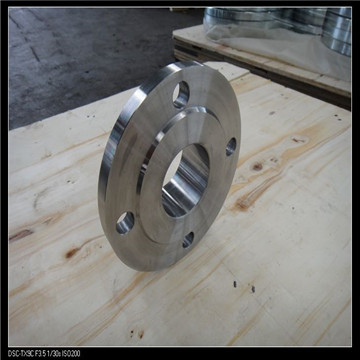
Threaded Flanges: Essential Components for Fire Protection Systems
Threaded Flanges: Essential Components for Fire Protection Systems Table of Contents 1. Introduction to Threaded Flanges 2. What Are Threaded Flanges? 3. Types of Threaded Flanges 3.1 Standard Threaded Flanges 3.2 Specialty Threaded Flanges 4. Applications of Threaded Flanges in Fire Protection Systems 4.1 Fire Sprinkl

Understanding Flanged Connections: Key Considerations for Construction and Decorative Materials
Flanged connections play a pivotal role in the construction and decorative materials industry, particularly when it comes to piping systems. These connections are used to join pipes, valves, pumps, and other equipment, allowing for easy assembly, disassembly, and maintenance. Understanding the intricacies of flanged connections is essential for professionals involved in design and installation pro
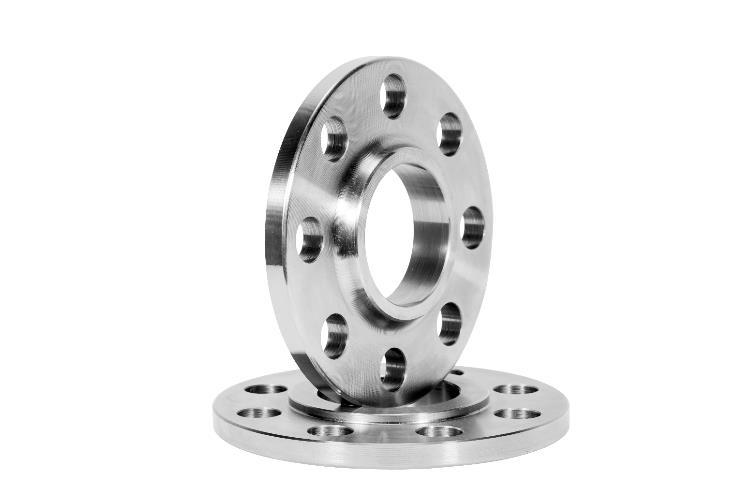
A Beginner's Comprehensive Guide to Understanding Sliding Flanges in Plumbing
A Beginner's Comprehensive Guide to Understanding Sliding Flanges in Plumbing Table of Contents What Are Sliding Flanges? The Importance of Sliding Flanges in Plumbing Systems Design and Structure of Sliding Flanges Types of Sliding Flanges Used in Plumbing Advantages of Using Sliding Flanges Installation Process for Sliding Flanges Maintenance Tips for Sliding Flanges Common Misc

Understanding High Neck Flanges: Essential Components for Construction and Decorating Materials
High neck flanges are specialized fittings used in piping systems to connect pipes, valves, pumps, and other equipment. They are characterized by a raised or "high" neck that extends from the flange face. This design feature affects the way the flange fits into the overall piping system, providing advantages in terms of strength and stability. One of the key benefits of high neck flanges is their
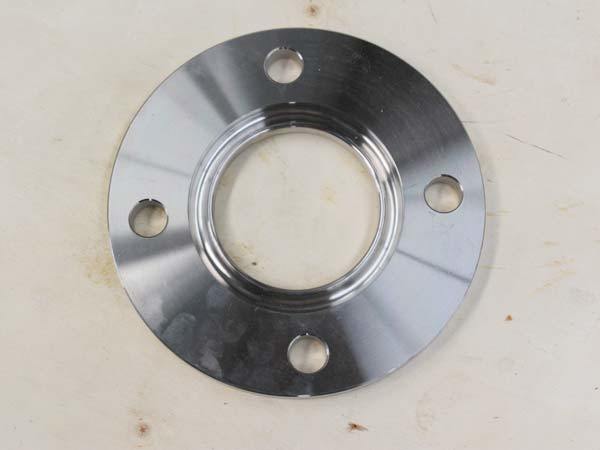
Flat Flanges in Fire Protection Systems: A Comprehensive Overview
Flat Flanges in Fire Protection Systems: A Comprehensive Overview Introduction to Flat Flanges in Fire Protection In the realm of fire protection systems, **flat flanges** serve as fundamental components that ensure the seamless connection and functionality of piping systems. These flanges play a crucial role in maintaining pressure and facilitating the smooth flow of fire suppression agents. Unde
Shandong Xinhao Forging Co.,Ltd.
Tel:+86-15098858482
WeChat: 543983004
Email:xinhaoflange@gmail.com
Whatsapp:8615098858482
Website:www.xhflange.com

TikTok