

Understanding the Forging Process: A Deep Dive into Stainless Steel
Release time:
2025-03-22
Understanding the Forging Process: A Deep Dive into Stainless Steel Table of Contents What is Forging and Why is it Important? Types of Forging Processes Open Die Forging Closed Die Forging Roll Forging Other Forging Techniques The Unique Properties of Stainless Steel The Forging Process Explained Heating and Preparation Deformation Techn

Understanding the Forging Process: A Deep Dive into Stainless Steel
Table of Contents
- What is Forging and Why is it Important?
- Types of Forging Processes
- The Unique Properties of Stainless Steel
- The Forging Process Explained
- Applications of Forged Stainless Steel
- Challenges in the Forging Process
- Future Trends in Stainless Steel Forging
- Frequently Asked Questions (FAQs)
What is Forging and Why is it Important?
Forging is a manufacturing process that involves shaping metal using localized compressive forces. It is a critical technique in metallurgy, especially for producing components requiring high strength and durability. The importance of forging lies in its ability to enhance the mechanical properties of metals, making them suitable for various applications in industries like construction, automotive, and aerospace. Forging typically results in a product that is stronger than its cast counterparts due to the refinement of the grain structure during the process.
Types of Forging Processes
The forging process can be classified into several categories, each offering distinct advantages depending on the application.
Open Die Forging
Open die forging involves the deformation of metal between two flat dies. This method is versatile and can produce large components, but it is less precise than other methods. Open die forging is commonly used for products such as large shafts and rings.
Closed Die Forging
Closed die forging, also known as impression die forging, uses dies that contain a specific cavity shape. This process allows for greater precision and can produce complex shapes with minimal material waste. It is ideal for manufacturing components like gears and connecting rods.
Roll Forging
Roll forging is a continuous process where metal is passed through a series of rolls to achieve the desired shape. This method is efficient for producing long, uniform shapes and is often used for manufacturing rails and beams.
Other Forging Techniques
Additional forging techniques include swaging and upset forging. Swaging involves reducing the diameter of a metal piece by hammering it down, while upset forging increases the diameter by compressing the metal end. Each method has its specific use cases and advantages.
The Unique Properties of Stainless Steel
Stainless steel is renowned for its outstanding corrosion resistance, strength, and aesthetic appeal. Its unique properties arise from the presence of chromium, which forms a passive layer that protects the surface from oxidation. Other alloying elements, such as nickel and molybdenum, can enhance its properties further. The versatile nature of stainless steel makes it an ideal candidate for forging, leading to applications in various industries, including food processing, medical devices, and petrochemicals.
The Forging Process Explained
Understanding the forging process of stainless steel requires familiarity with several key stages.
Heating and Preparation
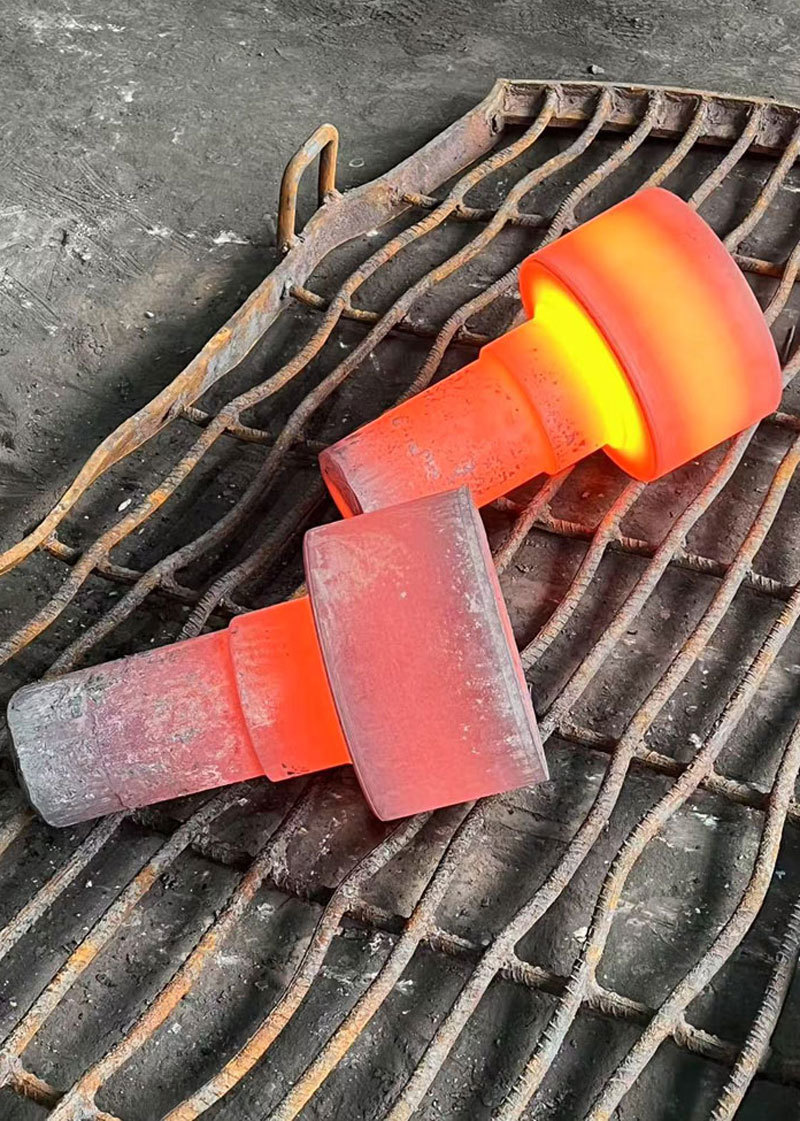
Prior to forging, the stainless steel must be heated to a specific temperature, typically between 1,100°C to 1,300°C (2,012°F to 2,372°F). This heating process increases the metal's malleability, making it easier to shape. Proper preparation also involves removing any surface contaminants that could affect the quality of the final product.
Deformation Techniques
Once the metal reaches the appropriate temperature, it undergoes deformation through various techniques. Hammering, pressing, or rolling are commonly employed methods. The choice of technique largely depends on the desired shape and the properties of the stainless steel being used. During this stage, the grain structure of the metal is refined, enhancing its strength.
Cooling and Finishing
After shaping, the forged stainless steel components are cooled—usually through air cooling or quenching in water or oil. This step is critical for achieving the desired hardness and durability of the metal. Finishing processes, such as machining, polishing, or surface treatment, may also follow to ensure the final product meets specific tolerances and surface quality standards.
Applications of Forged Stainless Steel
Forged stainless steel is widely used across various sectors due to its superior properties. Common applications include:
- **Automotive Components**: Forged stainless steel is used for manufacturing critical parts like crankshafts, gears, and suspension components due to its strength and durability.
- **Aerospace**: Many aerospace components, including engine parts and structural elements, use forged stainless steel due to its ability to withstand extreme conditions.
- **Construction**: In the building and construction industry, forged stainless steel is used in structural supports and reinforcement bars.
- **Medical Equipment**: The corrosion resistance and durability of stainless steel make it an ideal choice for surgical instruments and medical devices.
Challenges in the Forging Process
While forging stainless steel presents numerous advantages, it also comes with challenges. One of the primary issues is the cost, as the initial investment in forging equipment and tools can be substantial. Additionally, the forging process requires precise temperature control, as overheating can lead to defects. Maintaining consistent quality throughout the production run is essential to ensure that all components meet the required specifications.
Future Trends in Stainless Steel Forging
The future of stainless steel forging is promising, with several trends shaping the landscape. Innovations in technology, such as the use of computer-aided design (CAD) and advanced manufacturing techniques, are enhancing the precision and efficiency of the forging process. Moreover, the growing demand for lightweight materials in industries like aerospace and automotive is driving research into new stainless steel alloys that offer improved performance.
Frequently Asked Questions (FAQs)
1. What is the main advantage of forging stainless steel?
The primary advantage of forging stainless steel is the improvement in mechanical properties, resulting in stronger and more durable components compared to those made from cast metal.
2. How does the temperature affect the forging process of stainless steel?
The temperature significantly affects the malleability and workability of stainless steel. Proper heating ensures easier deformation and optimal grain structure refinement.
3. What are the typical applications for forged stainless steel products?
Forged stainless steel products are commonly used in automotive, aerospace, construction, and medical fields, where strength and corrosion resistance are vital.
4. Are there any environmental impacts associated with the forging process?
Like many manufacturing processes, forging can have environmental impacts, including energy consumption and waste generation. However, advancements are being made to reduce these effects.
5. Can stainless steel be forged at room temperature?
Forging stainless steel at room temperature is possible; however, it requires significant force and can lead to work hardening, making the process more challenging and less effective.
Conclusion
The forging process of stainless steel is a complex yet fascinating subject that plays a crucial role in modern manufacturing. By understanding the various types of forging, the unique properties of stainless steel, and the intricacies of the forging process itself, industries can leverage the benefits of this versatile material to create high-quality products. As advancements in technology continue to shape the forging landscape, stainless steel will remain at the forefront of innovation, catering to the evolving needs of various sectors.
Latest developments
Quality Standards in the Forging of Stainless Steel Products: Ensuring Excellence in Metallurgy
Quality Standards in the Forging of Stainless Steel Products Table of Contents Introduction to Stainless Steel Forging The Importance of Quality Standards in Forging Types of Stainless Steel Used in Forging Common Forging Processes in Stainless Steel Manufacturing Quality Assurance Methodologies in Stainless Steel Forging Testing and Certification of Stainless Steel Products Global
Understanding Non-Standard Flanges: A Key Component in Architectural Applications
Non-standard flanges are specialized components that deviate from conventional sizing and design specifications. Unlike standard flanges, which adhere to established dimensions and pressure ratings, non-standard flanges are custom-made to meet unique project requirements. These flanges are crucial in various architectural and construction applications, particularly when dealing with unconventional
The Importance of Quality Control for Japanese Standard Flanges: Ensuring Durability and Reliability
The Importance of Quality Control for Japanese Standard Flanges In the construction and manufacturing sectors, the significance of quality control cannot be overstated, especially for components as crucial as flanges. Japanese standard flanges, known for their precision and durability, require stringent quality control measures to meet the demands of various applications. This article delves into
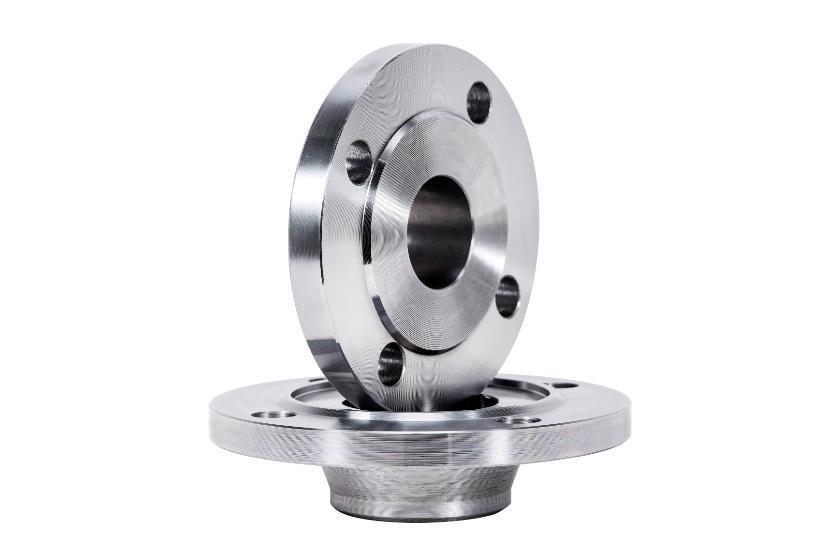
Understanding American Standard Flange in Construction and Decoration Materials
American standard flanges are critical components in the field of construction and decorative materials, particularly in piping systems. These flanges adhere to specific standards established by organizations such as the American National Standards Institute (ANSI) and the American Society of Mechanical Engineers (ASME). Their design and specifications are essential for ensuring compatibility and
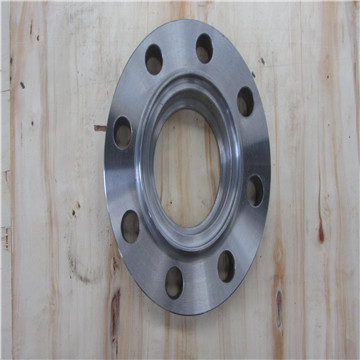
Exploring the Advantages of Using Threaded Flanges in HVAC Systems
Exploring the Advantages of Using Threaded Flanges in HVAC Systems Table of Contents 1. Introduction to Threaded Flanges in HVAC 2. Understanding Threaded Flanges 3. Benefits of Using Threaded Flanges in HVAC Systems 3.1 Superior Sealing Capability 3.2 Ease of Installation and Maintenance 3.3 Cost-Effectiveness 3.4 Versatility i

The Essential Guide to Flanged Connections in Building and Decorative Materials
Flanged connections are vital components in the construction and decorative materials sector, especially in the context of piping systems and fittings. Understanding their function, design, and application can significantly enhance the efficiency and reliability of installations. A flanged connection involves two flanges, which are flat pieces of material with holes for bolts. These flanges are bo
Shandong Xinhao Forging Co.,Ltd.
Tel:+86-15098858482
WeChat: 543983004
Email:xinhaoflange@gmail.com
Whatsapp:8615098858482
Website:www.xhflange.com

TikTok