

Why Choose Flat Flanges for Your Plumbing Needs: A Comprehensive Guide
Release time:
2025-03-24
Why Choose Flat Flanges for Your Plumbing Needs? Table of Contents 1. Introduction to Flat Flanges 2. What are Flat Flanges? 3. Advantages of Using Flat Flanges in Plumbing 4. Applications of Flat Flanges 5. Installation Tips for Flat Flanges 6. Maintenance of Flat Flanges 7. Common Issues and Solutions with Flat Flanges 8. Frequently Asked Questions (FAQs) 9. Conclusion

Why Choose Flat Flanges for Your Plumbing Needs?
Table of Contents
- 1. Introduction to Flat Flanges
- 2. What are Flat Flanges?
- 3. Advantages of Using Flat Flanges in Plumbing
- 4. Applications of Flat Flanges
- 5. Installation Tips for Flat Flanges
- 6. Maintenance of Flat Flanges
- 7. Common Issues and Solutions with Flat Flanges
- 8. Frequently Asked Questions (FAQs)
- 9. Conclusion
1. Introduction to Flat Flanges
In plumbing and piping systems, **flat flanges** are essential components that facilitate the connection between various pipes and fittings. They provide a reliable interface for securing pipes, ensuring minimal leakage and optimal flow. This guide delves into the reasons why flat flanges are often the preferred choice for plumbing needs, highlighting their unique benefits, applications, and best practices for installation and maintenance.
2. What are Flat Flanges?
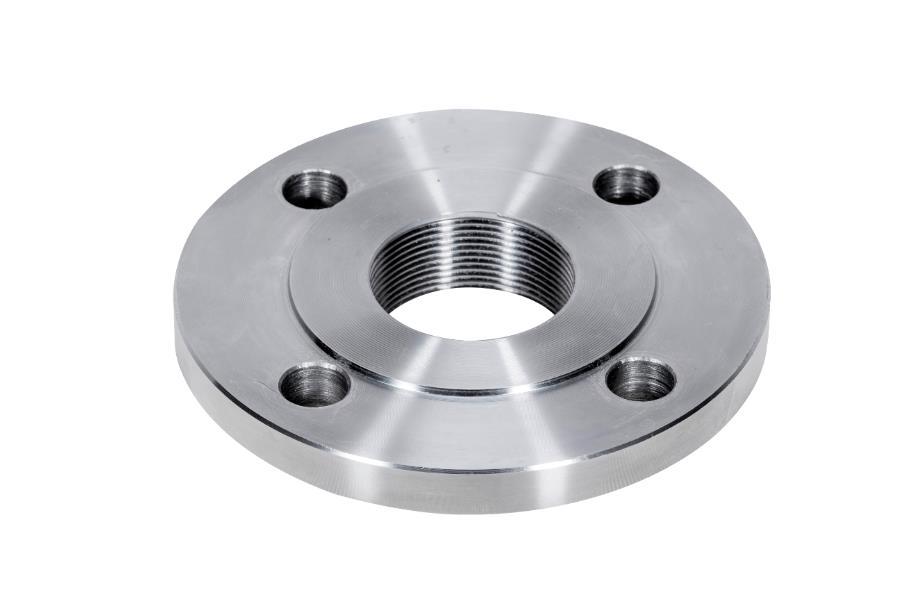
Flat flanges are circular plates with holes around the perimeter that allow for bolting two sections of pipe together. Typically made from materials such as **stainless steel**, **carbon steel**, or **plastic**, they serve as a secure junction point in piping systems. The design features a flat surface that provides a large area for sealing, which is critical for preventing leaks. With various sizes and pressure ratings available, flat flanges can accommodate diverse plumbing applications.
2.1 Types of Flat Flanges
Flat flanges come in several types, including:
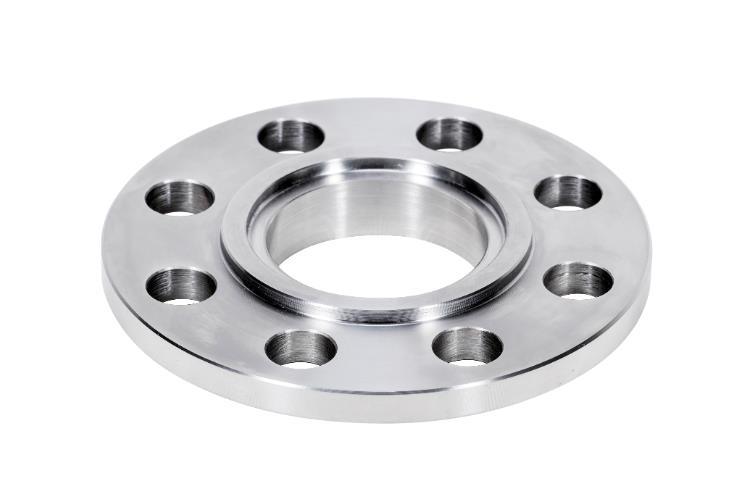
- **Slip-on flanges**: These are designed to slip over the pipe’s end, making alignment easier during installation.
- **Blind flanges**: Used to seal the end of a piping system, blind flanges do not have a hole for a pipe.
- **Weld neck flanges**: These flanges have a long neck that helps in aligning the flange with the pipe and provides additional reinforcement.
3. Advantages of Using Flat Flanges in Plumbing
Flat flanges offer several advantages that make them a top choice for plumbing professionals:
3.1 Easy Installation
One of the primary benefits of flat flanges is their straightforward installation process. The design allows for easy alignment and securing with bolts, making them ideal for both novice and experienced plumbers.
3.2 Cost-Effective Solution
Flat flanges provide a cost-effective solution for piping systems. They often require less time and fewer materials for installation compared to other flange types, reducing overall project costs.
3.3 Versatility
Flat flanges are versatile components that can be used in a variety of applications, including water supply lines, drainage systems, and even in industrial settings. Their adaptability makes them suitable for nearly any plumbing project.
3.4 Leak Prevention
The flat surface of these flanges creates an expansive sealing area, significantly reducing the risk of leaks. Proper installation ensures a tight seal, which is crucial for maintaining the integrity of plumbing systems.
3.5 Durable Materials
Flat flanges are often made from durable materials such as stainless steel, which is resistant to corrosion and wear. This longevity is essential for plumbing systems that require long-term reliability.
4. Applications of Flat Flanges
Flat flanges are commonly used in various plumbing applications:
4.1 Residential Plumbing
In residential plumbing, flat flanges are used to connect piping systems for water supply and drainage. Their ease of installation and leak prevention properties make them ideal for home plumbing projects.
4.2 Commercial Plumbing
In commercial settings, flat flanges facilitate connections in larger piping systems, such as HVAC systems, irrigation, and fire protection systems. Their durability is essential for handling high-pressure applications.
4.3 Industrial Applications
Flat flanges are also prevalent in industrial applications, where they connect heavy-duty pipes and equipment. Their ability to withstand harsh environments and pressures makes them a staple in manufacturing and processing facilities.
5. Installation Tips for Flat Flanges
Proper installation of flat flanges is crucial for ensuring a leak-free connection. Here are some tips to follow:
5.1 Prepare the Surface
Ensure that the surfaces of both the flange and the pipe are clean and free from debris. Any dirt or corrosion can compromise the seal.
5.2 Use Gaskets Wisely
Select the appropriate gasket material for the application. Gaskets help create a seal between the flange and the pipe, preventing leaks.
5.3 Align the Flanges Properly
When connecting flanges, make sure they are properly aligned. Misalignment can lead to uneven pressure and potential leaks.
5.4 Tighten Bolts Evenly
When securing the flanges, tighten the bolts in a crisscross pattern to ensure even pressure distribution. This helps maintain the integrity of the seal.
5.5 Follow Manufacturer Guidelines
Always refer to the manufacturer’s installation guidelines for specific recommendations regarding torque specifications and gasket selection.
6. Maintenance of Flat Flanges
Regular maintenance of flat flanges is essential for ensuring their longevity and effectiveness. Here are some maintenance practices to consider:
6.1 Routine Inspections
Conduct routine inspections of the flanges to check for signs of wear, corrosion, or leaks. Early detection can prevent more significant issues down the line.
6.2 Replace Worn Gaskets
Gaskets can wear out over time. Regularly check and replace worn or damaged gaskets to maintain a proper seal.
6.3 Monitor Bolts for Tightness
Periodically check the tightness of bolts. Loose bolts can lead to leaks, so it’s essential to keep them secure.
6.4 Clean the Flanges
Maintain cleanliness by removing any buildup of dirt, grime, or corrosion. This helps preserve the integrity of the flanges and improves their performance.
7. Common Issues and Solutions with Flat Flanges
While flat flanges are reliable components, they can encounter issues. Here are some common problems and their solutions:
7.1 Leaks at the Joint
**Problem:** Leaks at the flange joint can occur due to improper installation or worn gaskets.
**Solution:** Revisit the installation process, ensure proper alignment, and replace any damaged gaskets.
7.2 Corrosion
**Problem:** Corrosion can weaken the flange, leading to failure.
**Solution:** Use corrosion-resistant materials and apply protective coatings to extend the life of the flanges.
7.3 Misalignment
**Problem:** Misalignment during installation can cause stress on the flanges.
**Solution:** Always ensure proper alignment and use alignment tools if necessary.
8. Frequently Asked Questions (FAQs)
8.1 What materials are flat flanges made of?
Flat flanges can be made from various materials, including stainless steel, carbon steel, plastic, and bronze, depending on the application and requirements.
8.2 How do I choose the right size flat flange for my plumbing project?
Selecting the right size involves measuring the diameter of the pipes being connected. Consult manufacturer specifications for compatibility.
8.3 Can flat flanges be reused?
While flat flanges can sometimes be reused, it is advisable to inspect them for damage and replace gaskets each time for optimal performance.
8.4 Are flat flanges suitable for high-pressure applications?
Yes, flat flanges can be designed to withstand high pressures, but it’s crucial to select the correct type and material based on the specific requirements.
8.5 What is the difference between flat flanges and raised face flanges?
Flat flanges have a flat sealing surface, while raised face flanges feature a raised area around the bolt holes for improved sealing under pressure.
9. Conclusion
Choosing flat flanges for your plumbing needs offers a myriad of benefits, including ease of installation, leak prevention, and versatility across various applications. By understanding the advantages and proper maintenance of flat flanges, you can ensure the longevity of your plumbing systems. Whether for residential, commercial, or industrial use, flat flanges stand as a reliable solution that meets the demands of modern plumbing.
Latest developments
Understanding Flanged Connections in Building and Decoration Materials
Flanged connections are a fundamental component in piping systems within the construction and decoration materials sector. These connections consist of two flanges, which are typically flat pieces of metal that are bolted together, creating a secure joint. This method of joining pipes, valves, and fittings is favored due to its reliability, ease of maintenance, and ability to handle high pressure
The Advantages of Sliding Flanges in High-Pressure Applications
The Advantages of Sliding Flanges in High-Pressure Applications Table of Contents 1. Understanding Sliding Flanges 2. Importance of Sliding Flanges in High-Pressure Systems 3. Key Benefits of Sliding Flanges 3.1 Flexibility and Adjustability 3.2 Stress Reduction on Piping 3.3 Enhanced Sealing Capabilities 4. Applications of Sliding Flanges 5. Installation

Understanding High Neck Flanges: Essential Components for Construction and Decorative Materials
High neck flanges are critical components in various piping systems used in the construction and decorative materials industry. They are designed to connect pipes, valves, pumps, and other equipment, ensuring a secure and leak-proof seal. The high neck design distinguishes them from standard flanges, as they feature a longer neck that helps to accommodate thicker materials and provides additional
How to Maintain Your Flat Flanges for Longevity: Essential Tips for Optimal Performance
How to Maintain Your Flat Flanges for Longevity Flanges are essential components in piping and plumbing systems, facilitating connections in various applications. Among these, **flat flanges** are widely used due to their ease of installation and maintenance. However, to ensure their longevity and optimal performance, proper care and maintenance are paramount. In this article, we will delve into e

The Role of Steel Industries Forgings in Construction and Decorative Materials
In the construction and decorative materials sector, the importance of steel industries forgings cannot be overstated. Forging is a manufacturing process that involves shaping metal using localized compressive forces, which results in products that boast enhanced mechanical properties. This method is particularly relevant for the steel industry, where forgings are integral in creating components u

Forging Stainless Steel: Techniques for Optimal Quality
Forging Stainless Steel: Techniques for Optimal Quality Table of Contents 1. Introduction to Forging Stainless Steel 2. What is Stainless Steel? 3. The Importance of Forging in Stainless Steel 4. Key Forging Techniques for Stainless Steel 4.1 Open Die Forging 4.2 Closed Die Forging 4.3 Upset Forging 4.4 Swaging 5. The Forging P
Shandong Xinhao Forging Co.,Ltd.
Tel:+86-15098858482
WeChat: 543983004
Email:xinhaoflange@gmail.com
Whatsapp:8615098858482
Website:www.xhflange.com

TikTok