

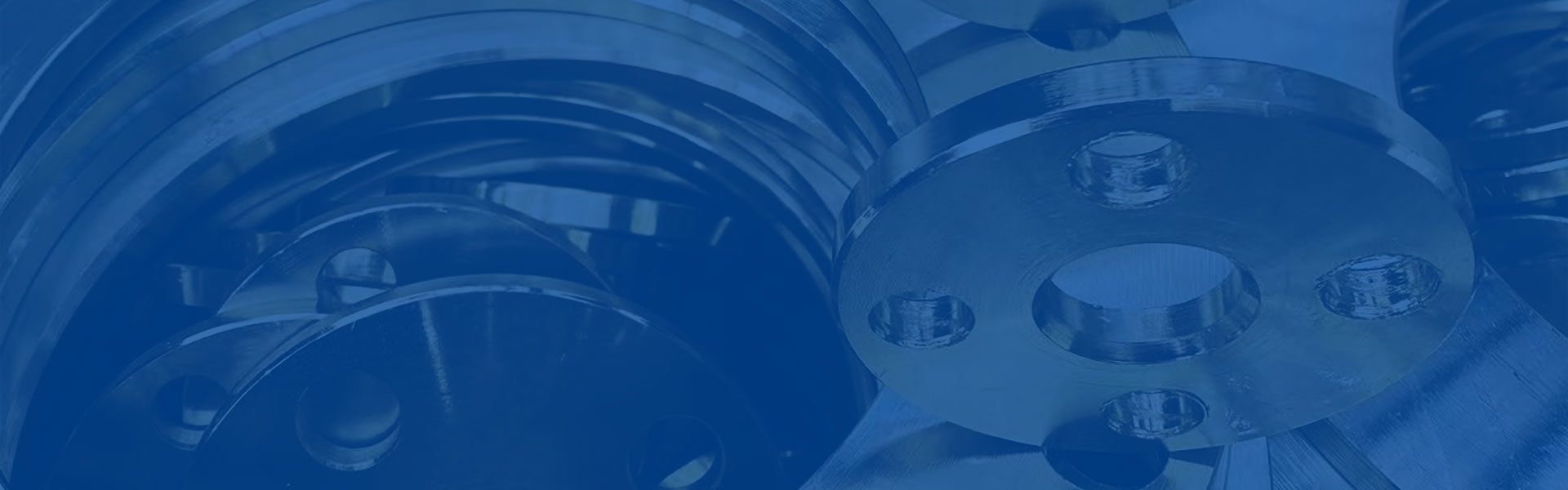
How Sliding Flanges Enhance Pipe Connections in Building Projects
Release time:
2025-03-26
How Sliding Flanges Enhance Pipe Connections in Building Projects Table of Contents 1. Introduction to Sliding Flanges 2. The Importance of Flanges in Pipe Connections 3. Types of Sliding Flanges Available 4. Advantages of Using Sliding Flanges 5. Proper Installation Techniques for Sliding Flanges 6. Applications of Sliding Flanges in Building Projects 7. Maintenance Tips for Slidin

How Sliding Flanges Enhance Pipe Connections in Building Projects
Table of Contents
- 1. Introduction to Sliding Flanges
- 2. The Importance of Flanges in Pipe Connections
- 3. Types of Sliding Flanges Available
- 4. Advantages of Using Sliding Flanges
- 5. Proper Installation Techniques for Sliding Flanges
- 6. Applications of Sliding Flanges in Building Projects
- 7. Maintenance Tips for Sliding Flanges
- 8. Common Issues and Troubleshooting
- 9. Frequently Asked Questions (FAQs)
- 10. Conclusion
1. Introduction to Sliding Flanges
Sliding flanges are a pivotal component in modern construction and plumbing, facilitating seamless pipe connections and contributing to the overall integrity of building projects. These flanges play a crucial role in allowing flexibility and expansion within piping systems, ensuring that they can withstand various pressures and temperatures. Understanding how sliding flanges function and their benefits can significantly impact the efficiency and longevity of any construction project.
2. The Importance of Flanges in Pipe Connections
Flanges serve as critical junctions in piping systems, providing a reliable means to connect and secure pipes. Their importance cannot be overstated, particularly in complex building projects where multiple pipes converge and need to be connected swiftly and securely. Sliding flanges, in particular, offer unique advantages over traditional fixed flanges, primarily through their ability to accommodate movement and reduce stress on the piping system.
2.1 Enhancing Safety and Efficiency
The use of sliding flanges enhances both safety and efficiency in building projects. By allowing for slight movements, they reduce the risk of stress fractures and leaks that can occur in rigid pipe connections. This flexibility minimizes the chances of catastrophic failures, making the installation safer for workers and the long-term performance of the system more reliable.
2.2 Cost-Effectiveness
Incorporating sliding flanges can lead to significant cost savings in the long run. By preventing leaks and breaks, they reduce the need for frequent repairs and replacements, lowering maintenance costs. Additionally, their ease of installation can save time on labor, further contributing to a project’s overall budget.
3. Types of Sliding Flanges Available
Sliding flanges come in various designs and materials to suit different applications. Understanding the types available can aid in selecting the right flange for your project.
3.1 Standard Sliding Flanges
Standard sliding flanges are designed for general applications and can be used with various pipe materials. They typically feature a smooth surface for easy connection and disconnection.
3.2 Adjustable Sliding Flanges
These flanges allow for further adjustments during installation, making them ideal for systems that require precise alignments. They are particularly useful in dynamic systems where movement is expected.
3.3 Specialty Sliding Flanges
Available for specific applications, specialty sliding flanges cater to unique requirements, such as high-pressure environments or corrosive conditions. Selecting the right type ensures optimal performance and durability.
4. Advantages of Using Sliding Flanges
Using sliding flanges in piping systems offers several key advantages that enhance their functionality and performance in building projects.
4.1 Flexibility and Movement Accommodation
One of the most significant benefits of sliding flanges is their ability to accommodate pipe movement caused by thermal expansion, vibration, or settling. This flexibility can greatly reduce the risk of structural failure due to stress.
4.2 Simplified Installation Process
Sliding flanges simplify the installation process as they can be easily adjusted during the setup. This ease of use is particularly beneficial in tight spaces or complex configurations where precise alignment is critical.
4.3 Reduced Risk of Leaks
By allowing for movement without compromising the integrity of the connection, sliding flanges significantly reduce the risk of leaks. This aspect is crucial for maintaining system efficiency and safety.
4.4 Enhanced Durability
Constructed from high-quality materials, sliding flanges are built to withstand the rigors of various environments. Their durability ensures that they can handle fluctuating pressures and temperatures without degrading over time.
5. Proper Installation Techniques for Sliding Flanges
Proper installation is essential to maximizing the benefits of sliding flanges. Here are some key techniques to ensure a successful installation.
5.1 Pre-Installation Checks
Before installation, it’s crucial to inspect the flanges and pipes for any defects. Ensure all components are clean and free from debris that could interfere with the connection.
5.2 Aligning the Flanges
Accurate alignment of the sliding flanges is vital for preventing leaks and maintaining system integrity. Use alignment tools and techniques to achieve a perfect fit.
5.3 Tightening the Connections
When securing the flanges, follow a star pattern for tightening bolts to ensure even pressure distribution. This method helps minimize the risk of warping and ensures a tight seal.
5.4 Testing for Leaks
After installation, conduct a thorough leak test to confirm the integrity of the connections. This step is crucial for ensuring the longevity and reliability of the piping system.
6. Applications of Sliding Flanges in Building Projects
Sliding flanges find applications in various building projects, enhancing the functionality of piping systems across numerous sectors.
6.1 Industrial Applications
In industrial settings, sliding flanges are commonly used in large-scale piping systems where high pressures and temperatures are present. They ensure safe and effective operation in environments such as manufacturing plants and chemical processing facilities.
6.2 Residential Plumbing
In residential plumbing systems, sliding flanges provide flexibility and ease of maintenance. They are especially useful in areas where pipes are subject to movement, such as in basements or foundations.
6.3 HVAC Systems
Sliding flanges are integral to HVAC systems, allowing for the expansion and contraction of pipes due to temperature changes. This feature is essential for maintaining efficiency and comfort in climate-controlled environments.
7. Maintenance Tips for Sliding Flanges
Regular maintenance is essential to prolong the life of sliding flanges and ensure their optimal performance. Here are some maintenance tips to consider.
7.1 Regular Inspections
Conduct regular visual inspections of the sliding flanges and connections. Look for any signs of corrosion, wear, or leaks that may require immediate attention.
7.2 Lubrication
Applying appropriate lubricant to the sliding surfaces can facilitate smooth movement and reduce wear. Ensure that the lubricant used is compatible with the flange material and the environment.
7.3 Monitoring System Performance
Keep an eye on the overall performance of the piping system. Any changes in pressure, temperature, or flow rates may indicate an issue with the sliding flanges that requires further investigation.
8. Common Issues and Troubleshooting
Despite their advantages, sliding flanges can experience issues if not installed or maintained correctly. Knowing how to troubleshoot these problems can save time and resources.
8.1 Misalignment
Misalignment of sliding flanges can lead to leaks and system failures. To correct this, realign the flanges and ensure that all connection points are secured properly.
8.2 Corrosion
Corrosion can compromise the integrity of sliding flanges. If identified, replace affected flanges and consider using corrosion-resistant materials for future installations.
8.3 Excessive Wear
If sliding flanges show signs of excessive wear, it may be due to inadequate lubrication or misalignment. Regular maintenance and proper installation practices can mitigate this issue.
9. Frequently Asked Questions (FAQs)
9.1 What materials are sliding flanges made from?
Sliding flanges are commonly made from materials such as stainless steel, carbon steel, and ductile iron, each selected based on the specific requirements of the application.
9.2 How do sliding flanges differ from fixed flanges?
Unlike fixed flanges, sliding flanges allow for movement and adjustment during installation, making them more versatile in systems where pipes may expand or contract.
9.3 Can sliding flanges be reused?
Yes, sliding flanges can often be reused if they are in good condition. However, it is essential to inspect them thoroughly before reinstallation.
9.4 What should I do if I notice a leak at the sliding flange?
If you detect a leak, immediately check the alignment and tightness of the bolts. If adjustments don’t resolve the issue, consider replacing the flange.
9.5 Are there specific standards for sliding flange installation?
Yes, there are various industry standards and guidelines for the installation of sliding flanges that vary by application and region. Always refer to these standards to ensure compliance and safety.
10. Conclusion
In conclusion, sliding flanges play a vital role in enhancing pipe connections within building projects. Their unique ability to accommodate movement, ease of installation, and overall durability make them a preferred choice for various applications. By understanding the advantages of sliding flanges and employing best practices in installation and maintenance, construction professionals can ensure the integrity and efficiency of their piping systems. Investing in quality sliding flanges not only boosts performance but also contributes significantly to the long-term success of building projects.
Latest developments
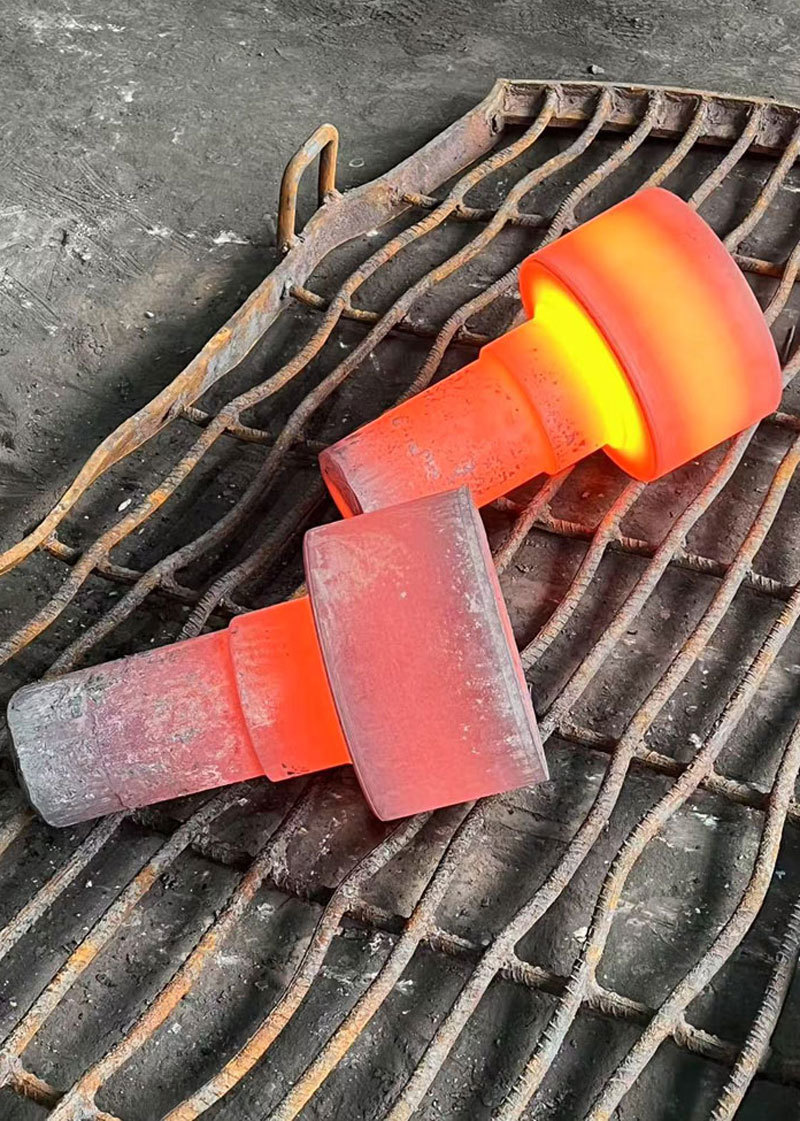
Quality Standards in the Forging of Stainless Steel Products: Ensuring Excellence in Metallurgy
Quality Standards in the Forging of Stainless Steel Products Table of Contents Introduction to Stainless Steel Forging The Importance of Quality Standards in Forging Types of Stainless Steel Used in Forging Common Forging Processes in Stainless Steel Manufacturing Quality Assurance Methodologies in Stainless Steel Forging Testing and Certification of Stainless Steel Products Global
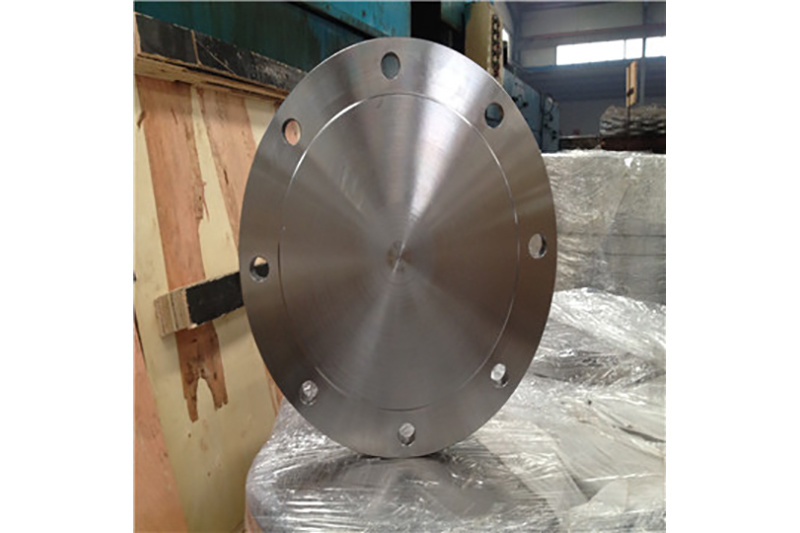
Understanding Non-Standard Flanges: A Key Component in Architectural Applications
Non-standard flanges are specialized components that deviate from conventional sizing and design specifications. Unlike standard flanges, which adhere to established dimensions and pressure ratings, non-standard flanges are custom-made to meet unique project requirements. These flanges are crucial in various architectural and construction applications, particularly when dealing with unconventional
The Importance of Quality Control for Japanese Standard Flanges: Ensuring Durability and Reliability
The Importance of Quality Control for Japanese Standard Flanges In the construction and manufacturing sectors, the significance of quality control cannot be overstated, especially for components as crucial as flanges. Japanese standard flanges, known for their precision and durability, require stringent quality control measures to meet the demands of various applications. This article delves into
Understanding American Standard Flange in Construction and Decoration Materials
American standard flanges are critical components in the field of construction and decorative materials, particularly in piping systems. These flanges adhere to specific standards established by organizations such as the American National Standards Institute (ANSI) and the American Society of Mechanical Engineers (ASME). Their design and specifications are essential for ensuring compatibility and
Exploring the Advantages of Using Threaded Flanges in HVAC Systems
Exploring the Advantages of Using Threaded Flanges in HVAC Systems Table of Contents 1. Introduction to Threaded Flanges in HVAC 2. Understanding Threaded Flanges 3. Benefits of Using Threaded Flanges in HVAC Systems 3.1 Superior Sealing Capability 3.2 Ease of Installation and Maintenance 3.3 Cost-Effectiveness 3.4 Versatility i

The Essential Guide to Flanged Connections in Building and Decorative Materials
Flanged connections are vital components in the construction and decorative materials sector, especially in the context of piping systems and fittings. Understanding their function, design, and application can significantly enhance the efficiency and reliability of installations. A flanged connection involves two flanges, which are flat pieces of material with holes for bolts. These flanges are bo
Shandong Xinhao Forging Co.,Ltd.
Tel:+86-15098858482
WeChat: 543983004
Email:xinhaoflange@gmail.com
Whatsapp:8615098858482
Website:www.xhflange.com

TikTok