


The Importance of Sliding Flanges in Modern Architectural Designs
Release time:
2025-04-05
The Importance of Sliding Flanges in Modern Architectural Designs Understanding Sliding Flanges Sliding flanges are crucial mechanical components utilized in piping systems and structural frameworks. They act as connectors that can slide along a specific axis, facilitating movement and expansion in response to temperature changes or structural shifts. Their design allows for considerable adaptabil
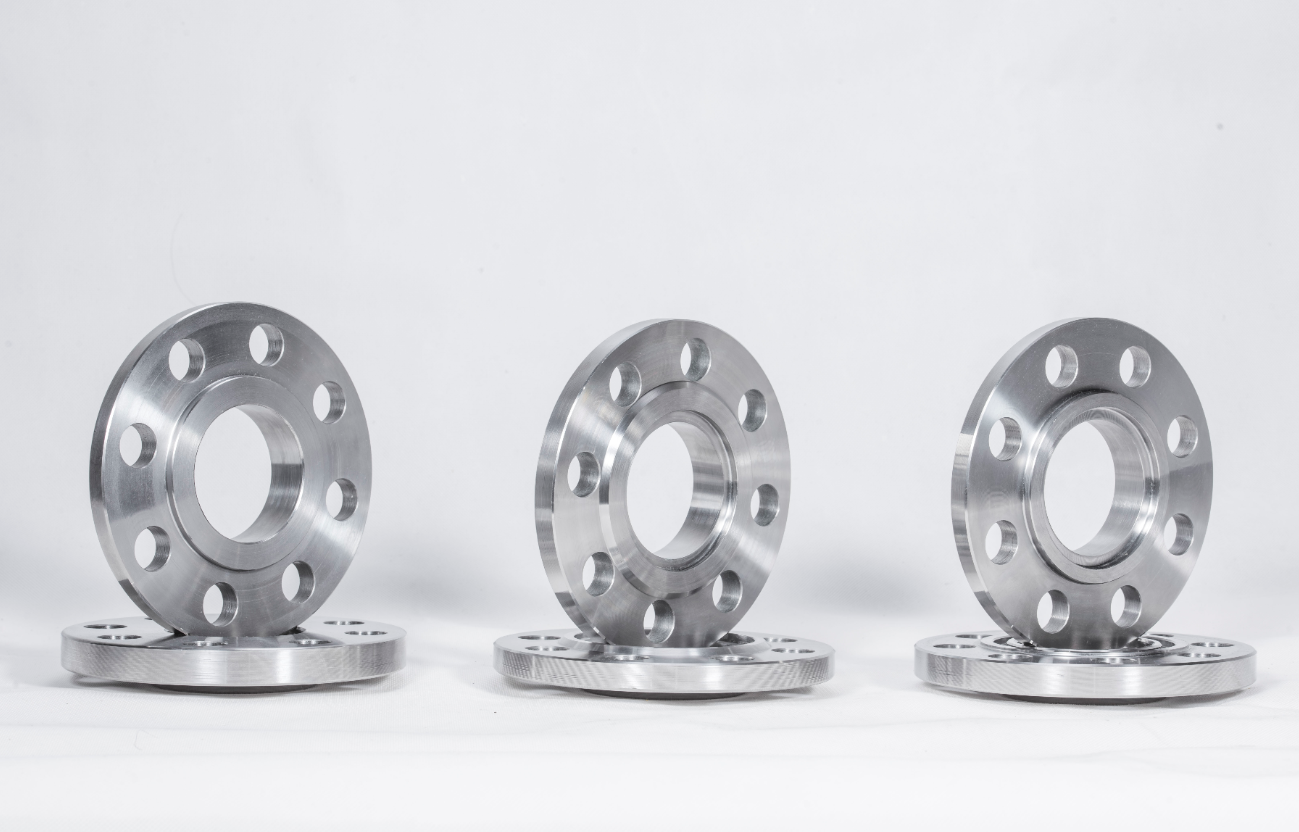
The Importance of Sliding Flanges in Modern Architectural Designs
Understanding Sliding Flanges
Sliding flanges are crucial mechanical components utilized in piping systems and structural frameworks. They act as connectors that can slide along a specific axis, facilitating movement and expansion in response to temperature changes or structural shifts. Their design allows for considerable adaptability, making them indispensable in modern architectural applications where flexibility and resilience are paramount.
The Functionality of Sliding Flanges
At their core, sliding flanges serve to accommodate thermal expansion and contraction within piping systems or structural elements. This capability is essential, especially in environments where temperature fluctuations are common. By allowing movement, sliding flanges help maintain the integrity of the architecture and prevent stress-related damages.
Key Features of Sliding Flanges
1. **Material Versatility**: Sliding flanges can be manufactured from a variety of materials, including stainless steel, carbon steel, and high-strength alloys, offering durability and corrosion resistance.
2. **Ease of Installation**: The installation process is straightforward, which minimizes labor costs and time for construction projects.
3. **Customizable Designs**: Sliding flanges can be tailored to meet specific architectural requirements, providing solutions for unique and complex designs.
Applications of Sliding Flanges in Architecture
Sliding flanges find application across various architectural projects, enhancing both performance and aesthetic appeal. Here are some of the most common uses:
1. Pipe Systems in High-Rise Buildings
In skyscrapers, sliding flanges are often utilized to connect sections of pipe systems, especially in heating and cooling applications. They allow for vertical movement of pipes as the building sways due to wind or seismic activity, ensuring safety and operational efficiency.
2. Bridge Construction
Bridges are subject to dynamic forces such as temperature changes and loads. Sliding flanges are integrated into bridge designs to enable controlled movement, which mitigates stress on structural components and enhances longevity.
3. HVAC Systems
In heating, ventilation, and air conditioning (HVAC) systems, sliding flanges facilitate the expansion and contraction of ductwork. This flexibility is crucial in maintaining efficiency and preventing damage to the system.
4. Modular Buildings
The rise of modular construction has made sliding flanges even more significant. They allow for the quick assembly and disassembly of building components, making it easier to adapt designs or relocate structures as needed.
Advantages of Using Sliding Flanges
Incorporating sliding flanges into architectural designs offers a myriad of benefits:
1. Enhanced Structural Integrity
By accommodating movement and preventing stress concentrations, sliding flanges significantly improve the overall integrity of structures, reducing the risk of failure over time.
2. Increased Design Flexibility
Their adaptability allows architects and engineers to explore innovative design solutions without compromising safety or functionality.
3. Cost-Effectiveness
The straightforward installation process and reduced need for maintenance translate into lower overall project costs. Additionally, the longevity of sliding flanges results in decreased replacement rates.
4. Improved Safety Standards
With their ability to mitigate stress and accommodate movement, sliding flanges contribute to higher safety standards in both residential and commercial structures.
Challenges in Implementing Sliding Flanges
Despite their numerous advantages, several challenges may arise when implementing sliding flanges in architectural designs:
1. Design Complexity
Incorporating sliding flanges into intricate architectural designs may require advanced engineering solutions to ensure compatibility with other structural components.
2. Material Selection
Choosing the right material for sliding flanges is crucial, as it must withstand environmental conditions while maintaining performance.
3. Maintenance Considerations
Although sliding flanges require minimal maintenance, regular inspections are necessary to ensure they function correctly, particularly in demanding environments.
Best Practices for Using Sliding Flanges
To maximize the benefits of sliding flanges in architectural designs, consider the following best practices:
1. Conduct Thorough Load Analysis
Before installation, perform a comprehensive load analysis to determine the appropriate size and material for sliding flanges, ensuring they can accommodate expected movements.
2. Collaborate with Structural Engineers
Engage structural engineers early in the design process to ensure seamless integration of sliding flanges with other architectural elements.
3. Regular Inspections and Upkeep
Implement a routine maintenance schedule to inspect the condition of sliding flanges, addressing any issues promptly to maintain structural integrity.
Case Studies: Successful Applications of Sliding Flanges
Examining real-world projects can provide insight into the effective use of sliding flanges in architecture.
1. The Burj Khalifa
In the design of the Burj Khalifa, sliding flanges were integral to the piping systems, allowing for safe expansion and contraction as the building rises above the clouds.
2. The Golden Gate Bridge
The Golden Gate Bridge incorporates sliding flanges within its design to accommodate the natural sway caused by wind and seismic activity, ensuring its resilience over decades.
3. Modular Housing Units
Many modern modular housing units utilize sliding flanges, enabling quick reconfiguration and relocation while maintaining structural integrity.
Future Trends in Sliding Flange Technology
As architectural designs evolve, so too will the technology surrounding sliding flanges. Anticipated trends include:
1. Smart Materials
The development of smart materials that respond to environmental changes could enhance the performance of sliding flanges, making them even more effective in managing movement.
2. Advanced Manufacturing Techniques
3D printing and other advanced manufacturing techniques may allow for more intricate designs and customizations, pushing the boundaries of what sliding flanges can achieve.
3. Increased Sustainability
With a growing focus on sustainability, future sliding flanges will likely incorporate eco-friendly materials and manufacturing processes to minimize environmental impact.
Frequently Asked Questions (FAQs)
1. What are sliding flanges typically made of?
Sliding flanges are usually constructed from materials such as carbon steel, stainless steel, or high-strength alloys depending on the application requirements.
2. How do sliding flanges differ from fixed flanges?
While fixed flanges are designed to provide a permanent connection, sliding flanges allow for movement, accommodating thermal expansion and structural shifts.
3. Can sliding flanges be used in residential applications?
Yes, sliding flanges can be effectively used in residential applications, particularly in plumbing and HVAC systems where flexibility and movement are necessary.
4. What maintenance do sliding flanges require?
Regular inspections for wear and tear, as well as ensuring the proper alignment, are essential for maintaining the functionality of sliding flanges.
5. Are there any limitations to using sliding flanges?
The main limitations include potential design complexity and the need for thorough load analysis to ensure proper function within the overall structure.
Conclusion
Sliding flanges play a critical role in modern architectural designs, providing flexibility, structural integrity, and cost-effectiveness. As architecture continues to innovate, the significance of sliding flanges will only increase, allowing for more daring designs and resilient structures. By understanding their applications, advantages, and best practices, architects and engineers can harness the full potential of sliding flanges, ensuring that they remain a key component in the future of architectural design.
Latest developments
Understanding Non-Standard Flanges: Key Considerations for Your Projects
Non-standard flanges play a crucial role in various piping systems, offering flexibility and adaptability in construction projects. These flanges deviate from the standard dimensions and specifications set by organizations such as the American National Standards Institute (ANSI) or the International Organization for Standardization (ISO). Instead, non-standard flanges are custom-made to meet speci

How Japanese Standard Flanges Influence Construction Costs
How Japanese Standard Flanges Influence Construction Costs Understanding Japanese Standard Flanges Japanese standard flanges are critical components in piping systems used across various construction projects. They ensure the secure connection of pipes, valves, fittings, and other equipment. These flanges adhere to specific Japanese Industrial Standards (JIS), which dictate their dimensions, mat

--- In the realm of construction and decorative materials, American Standard flanges serve as fundamental components in piping systems. Flanges are essential for connecting pipes, valves, pumps, and other equipment, ensuring the integrity and reliability of plumbing and industrial systems. Understanding the specifications and applications of American Standard flanges can significantly enhance your
Threaded Flanges: Essential Components for Fire Protection Systems
Threaded Flanges: Essential Components for Fire Protection Systems Table of Contents 1. Introduction to Threaded Flanges 2. What Are Threaded Flanges? 3. Types of Threaded Flanges 3.1 Standard Threaded Flanges 3.2 Specialty Threaded Flanges 4. Applications of Threaded Flanges in Fire Protection Systems 4.1 Fire Sprinkl

Understanding Flanged Connections: Key Considerations for Construction and Decorative Materials
Flanged connections play a pivotal role in the construction and decorative materials industry, particularly when it comes to piping systems. These connections are used to join pipes, valves, pumps, and other equipment, allowing for easy assembly, disassembly, and maintenance. Understanding the intricacies of flanged connections is essential for professionals involved in design and installation pro
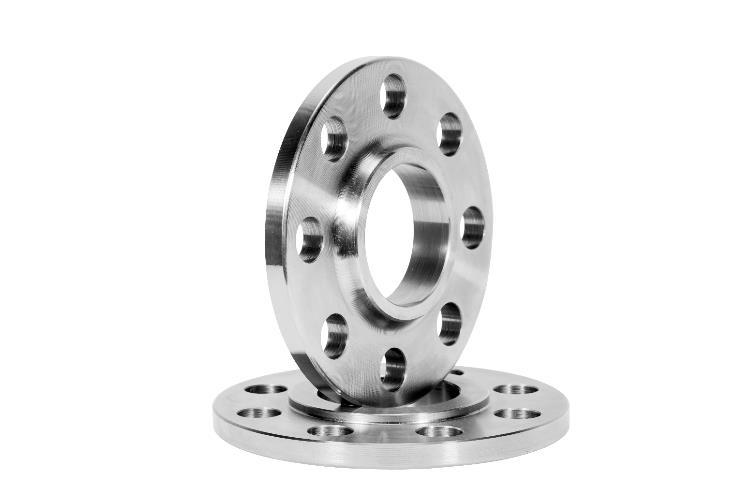
A Beginner's Comprehensive Guide to Understanding Sliding Flanges in Plumbing
A Beginner's Comprehensive Guide to Understanding Sliding Flanges in Plumbing Table of Contents What Are Sliding Flanges? The Importance of Sliding Flanges in Plumbing Systems Design and Structure of Sliding Flanges Types of Sliding Flanges Used in Plumbing Advantages of Using Sliding Flanges Installation Process for Sliding Flanges Maintenance Tips for Sliding Flanges Common Misc
Shandong Xinhao Forging Co.,Ltd.
Tel:+86-15098858482
WeChat: 543983004
Email:xinhaoflange@gmail.com
Whatsapp:8615098858482
Website:www.xhflange.com

TikTok