

Threaded Flanges: Essential Components for Reliable Piping Systems
Release time:
2025-04-07
Threaded Flanges: Essential Components for Reliable Piping Systems In the world of piping systems, ensuring a secure and leak-proof connection is paramount. One of the most effective solutions for achieving this is through the use of **threaded flanges**. These components not only provide stability but also facilitate easier assembly and disassembly of piping systems. In this article, we will de
Threaded Flanges: Essential Components for Reliable Piping Systems
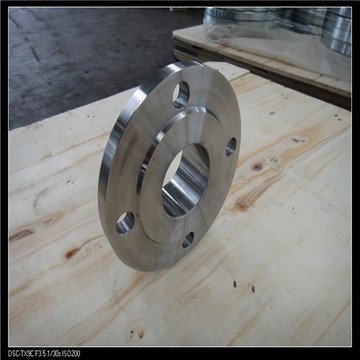
In the world of piping systems, ensuring a secure and leak-proof connection is paramount. One of the most effective solutions for achieving this is through the use of **threaded flanges**. These components not only provide stability but also facilitate easier assembly and disassembly of piping systems. In this article, we will delve into the intricacies of threaded flanges, exploring their types, advantages, applications, and best practices for installation and maintenance.
Table of Contents
- What are Threaded Flanges?
- Types of Threaded Flanges
- Benefits of Using Threaded Flanges
- Common Applications of Threaded Flanges
- Installation Tips for Threaded Flanges
- Maintenance Practices for Threaded Flanges
- Frequently Asked Questions
- Conclusion
What are Threaded Flanges?
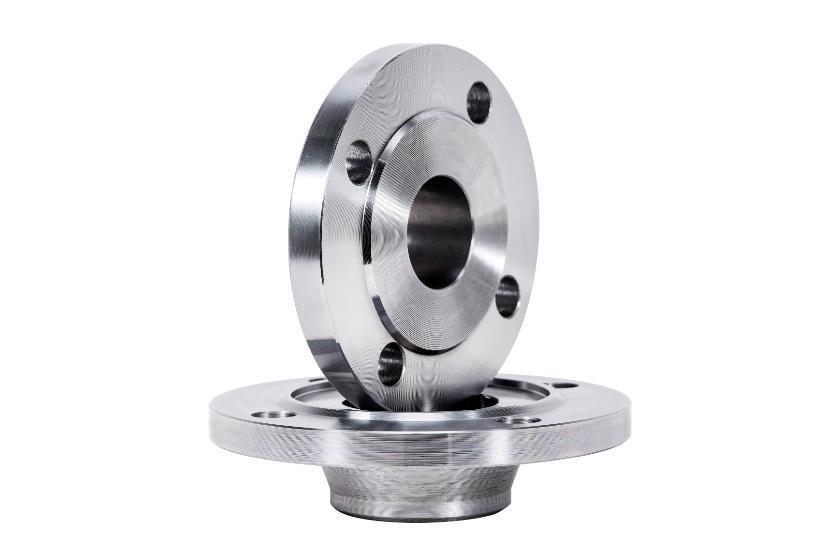
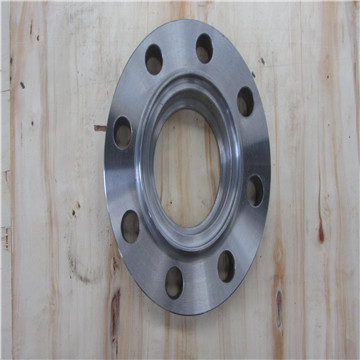
Threaded flanges, also known as **screw flanges**, are designed with internal threads that allow them to be screwed onto a corresponding pipe. Unlike welded flanges, which require a permanent joint, threaded flanges can be easily removed, making them a popular choice in systems where maintenance or modification is necessary. Typically manufactured from materials such as stainless steel, carbon steel, and alloy steel, these flanges provide robust connections in various applications.
Types of Threaded Flanges
Understanding the different types of threaded flanges is essential for selecting the right component for your piping system. Here are some common types:
1. **Standard Threaded Flanges**
Standard threaded flanges come with basic thread designs and are suitable for various industrial applications. They are often used in low-pressure systems where the risk of leakage is minimal.
2. **Raised Face Threaded Flanges**
These flanges feature a raised surface around the bore, which helps improve sealing capabilities. Raised face threaded flanges are often used in systems that require a higher degree of leak resistance.
3. **Flat Face Threaded Flanges**
Flat face threaded flanges provide a larger surface area for sealing, making them ideal for applications involving soft gaskets. They are commonly used in low-pressure systems.
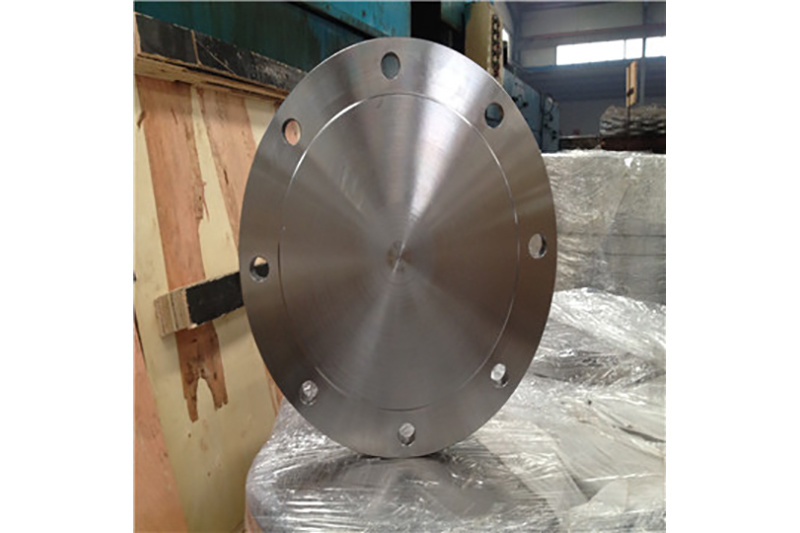
4. **Blind Threaded Flanges**
Blind threaded flanges are solid and do not have a bore. They are used to close the end of piping systems, preventing flow when necessary.
Benefits of Using Threaded Flanges
Threaded flanges offer numerous advantages that make them a preferred choice in many industrial applications:
1. **Ease of Installation and Removal**
The primary advantage of threaded flanges is their ease of installation and removal. The threaded design allows for quick assembly and disassembly, which is particularly beneficial in maintenance-heavy applications.
2. **Versatility**
Threaded flanges can be used in a variety of piping configurations and are suitable for different materials, making them versatile components in fluid transport systems.
3. **Cost-Effectiveness**
Due to their simpler manufacturing process compared to welded flanges, threaded flanges can be more cost-effective, especially in low-pressure applications.
4. **Reduced Risk of Corrosion**
When properly chosen and installed, threaded flanges can minimize the risk of corrosion. The materials used, such as stainless steel, offer excellent resistance to various environmental factors.
Common Applications of Threaded Flanges
Threaded flanges find relevance in multiple industries due to their unique properties. Here are some common applications:
1. **Water Treatment Plants**
In water treatment facilities, threaded flanges are often utilized to connect pipes and valves, allowing for easy maintenance and replacement of components.
2. **Chemical and Petrochemical Industries**
These flanges are extensively used in the chemical industry for transporting various corrosive substances, providing secure and reliable connections.
3. **Oil and Gas Sector**
In oil and gas applications, threaded flanges are essential for constructing pipelines that can withstand high pressures while remaining accessible for maintenance.
4. **HVAC Systems**
Threaded flanges are commonly found in HVAC systems, where they connect ductwork and piping for heating and cooling systems, ensuring efficient operation.
Installation Tips for Threaded Flanges
Proper installation is vital for ensuring the reliability of threaded flanges. Here are some essential tips:
1. **Use the Right Tools**
Ensure you have the appropriate tools for installation, including wrenches and thread sealants. The correct tools help prevent damage to the flange and pipe during installation.
2. **Clean the Threads**
Before installing threaded flanges, clean both the flange and the pipe threads thoroughly. Dirt and debris can affect the seal and lead to leaks.
3. **Apply Thread Sealant**
Using a suitable thread sealant is crucial for achieving leak-proof connections. Be cautious not to over-apply, as this can lead to complications during assembly.
4. **Do Not Over-Tighten**
While it might be tempting to tighten the flange excessively, doing so can strip the threads and compromise the integrity of the connection. Follow the recommended torque specifications.
Maintenance Practices for Threaded Flanges
Regular maintenance is key to extending the lifespan of threaded flanges. Here are some best practices:
1. **Routine Inspections**
Conduct routine inspections to check for signs of wear, corrosion, or leaks. Early detection can prevent larger issues down the line.
2. **Replace Damaged Components**
If any components are found to be damaged during inspections, replace them promptly to maintain system integrity and performance.
3. **Keep Flanges Clean**
Regularly clean the flanges to prevent the buildup of corrosion or debris, which can affect the connection and overall system performance.
4. **Monitor Pressure Levels**
Keep an eye on the pressure levels within the system to ensure they remain within safe operating limits. Excess pressure can lead to failures in the flange connections.
Frequently Asked Questions
1. **What is the difference between threaded flanges and welded flanges?**
Threaded flanges can be easily removed for maintenance, while welded flanges are permanently attached and require cutting for removal.
2. **Are threaded flanges suitable for high-pressure applications?**
While they can be used in high-pressure applications, it is essential to select the right material and design to ensure reliability.
3. **How do I choose the right size of threaded flange?**
Choosing the right size involves matching the flange size to the pipe diameter and ensuring compatibility with the system's requirements.
4. **Can threaded flanges be used with all types of pipes?**
Threaded flanges can be used with many types of pipes, but compatibility with the specific pipe material must be confirmed.
5. **What materials are best for threaded flanges?**
The best materials depend on the application environment. Stainless steel is commonly preferred for its corrosion resistance, while carbon steel is more cost-effective for less demanding applications.
Conclusion
Threaded flanges are essential components in establishing reliable piping systems across various industries. Their advantages, including ease of installation, versatility, and cost-effectiveness, make them a preferred choice for engineers and contractors alike. By understanding the types of threaded flanges, their benefits, applications, and best practices for installation and maintenance, professionals can enhance the efficiency and longevity of their piping systems. Investing in quality threaded flanges not only ensures operational reliability but also contributes to the overall success of any piping project.
Latest developments
Quality Standards in the Forging of Stainless Steel Products: Ensuring Excellence in Metallurgy
Quality Standards in the Forging of Stainless Steel Products Table of Contents Introduction to Stainless Steel Forging The Importance of Quality Standards in Forging Types of Stainless Steel Used in Forging Common Forging Processes in Stainless Steel Manufacturing Quality Assurance Methodologies in Stainless Steel Forging Testing and Certification of Stainless Steel Products Global
Understanding Non-Standard Flanges: A Key Component in Architectural Applications
Non-standard flanges are specialized components that deviate from conventional sizing and design specifications. Unlike standard flanges, which adhere to established dimensions and pressure ratings, non-standard flanges are custom-made to meet unique project requirements. These flanges are crucial in various architectural and construction applications, particularly when dealing with unconventional
The Importance of Quality Control for Japanese Standard Flanges: Ensuring Durability and Reliability
The Importance of Quality Control for Japanese Standard Flanges In the construction and manufacturing sectors, the significance of quality control cannot be overstated, especially for components as crucial as flanges. Japanese standard flanges, known for their precision and durability, require stringent quality control measures to meet the demands of various applications. This article delves into
Understanding American Standard Flange in Construction and Decoration Materials
American standard flanges are critical components in the field of construction and decorative materials, particularly in piping systems. These flanges adhere to specific standards established by organizations such as the American National Standards Institute (ANSI) and the American Society of Mechanical Engineers (ASME). Their design and specifications are essential for ensuring compatibility and
Exploring the Advantages of Using Threaded Flanges in HVAC Systems
Exploring the Advantages of Using Threaded Flanges in HVAC Systems Table of Contents 1. Introduction to Threaded Flanges in HVAC 2. Understanding Threaded Flanges 3. Benefits of Using Threaded Flanges in HVAC Systems 3.1 Superior Sealing Capability 3.2 Ease of Installation and Maintenance 3.3 Cost-Effectiveness 3.4 Versatility i

The Essential Guide to Flanged Connections in Building and Decorative Materials
Flanged connections are vital components in the construction and decorative materials sector, especially in the context of piping systems and fittings. Understanding their function, design, and application can significantly enhance the efficiency and reliability of installations. A flanged connection involves two flanges, which are flat pieces of material with holes for bolts. These flanges are bo
Shandong Xinhao Forging Co.,Ltd.
Tel:+86-15098858482
WeChat: 543983004
Email:xinhaoflange@gmail.com
Whatsapp:8615098858482
Website:www.xhflange.com

TikTok