

Top Benefits of Using Japanese Standard Flanges in Building Materials
Release time:
2025-04-09
Top Benefits of Using Japanese Standard Flanges in Building Materials The construction industry continually seeks innovative solutions to improve efficiency and quality. One such solution lies in the adoption of Japanese standard flanges. These components play a crucial role in connecting pipes, vessels, and other equipment across various applications. In this article, we will explore the numerous
Top Benefits of Using Japanese Standard Flanges in Building Materials
The construction industry continually seeks innovative solutions to improve efficiency and quality. One such solution lies in the adoption of Japanese standard flanges. These components play a crucial role in connecting pipes, vessels, and other equipment across various applications. In this article, we will explore the numerous benefits of using Japanese standard flanges in building materials, focusing on their superior quality, enhanced safety features, and overall performance.
Table of Contents
- Understanding Japanese Standard Flanges
- The Quality Assurance of Japanese Standards
- Enhanced Safety Considerations
- Improved Durability and Longevity
- Cost-Effectiveness in the Long Run
- Versatility in Applications
- Compliance with International Standards
- Frequently Asked Questions
- Conclusion
Understanding Japanese Standard Flanges
Japanese standard flanges are engineered components designed to connect different piping systems. They come in a variety of sizes and materials, including stainless steel, carbon steel, and alloy steel, ensuring compatibility across numerous applications. Their design aligns with strict Japanese industrial standards, which prioritize precision engineering and robust performance.
Types of Japanese Standard Flanges
Several types of flanges operate under Japanese standards, including:
- Flat Flanges: Often used in low-pressure applications.
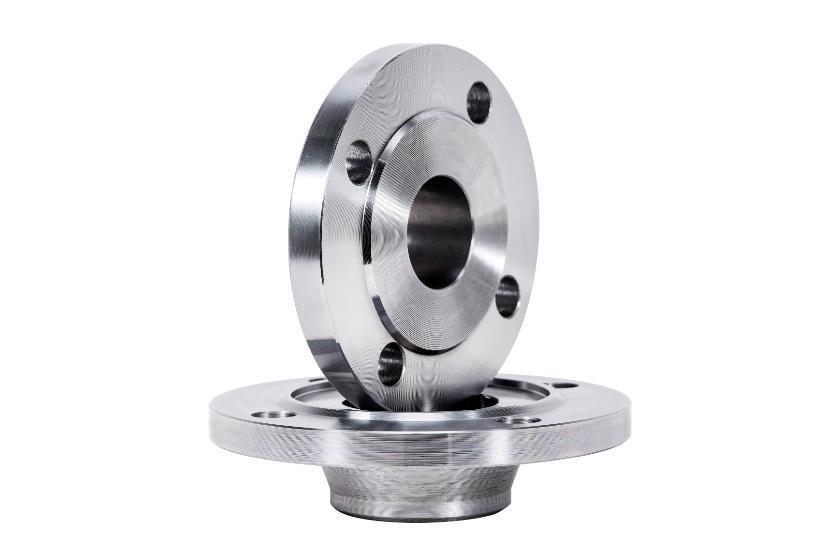
- Weld Neck Flanges: Ideal for high-pressure systems, providing excellent stress distribution.
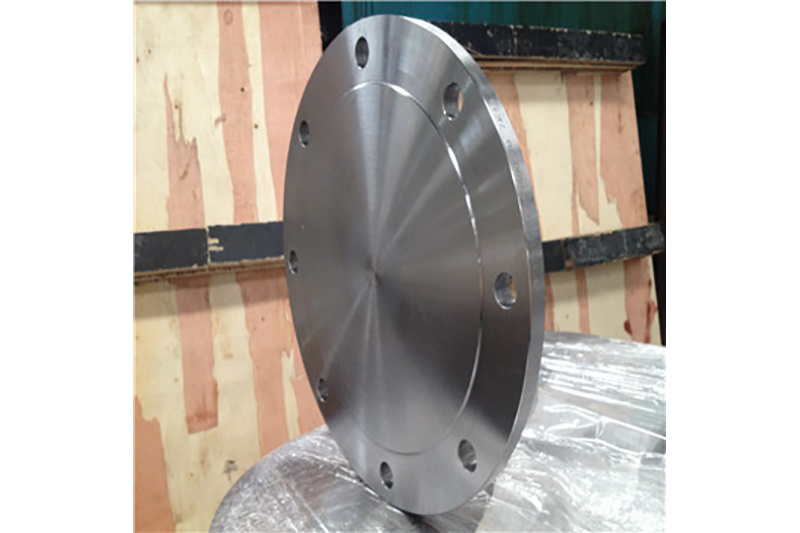
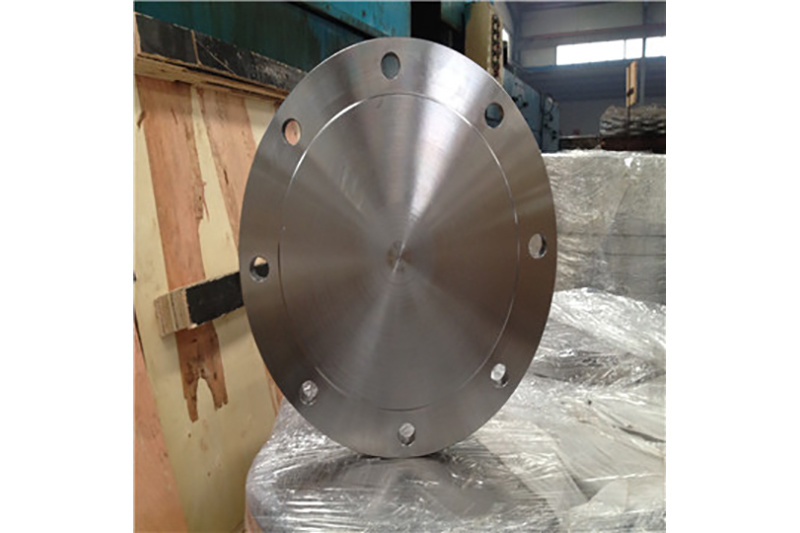
- Blind Flanges: Used to seal off piping systems.
- Slip-On Flanges: Easy to install and used in low-pressure systems.
The Quality Assurance of Japanese Standards
One of the most notable advantages of using Japanese standard flanges is their adherence to high-quality manufacturing standards. Japan has a reputation for precision engineering, which translates into flanges that offer consistent quality. Manufacturers in Japan employ advanced technologies and rigorous testing protocols to ensure that every flange meets or exceeds the necessary specifications.
Material Quality
The materials used for Japanese standard flanges are sourced responsibly and undergo stringent quality checks. For instance, stainless steel flanges are resistant to corrosion, making them suitable for various environments, including marine and chemical applications. The robust construction ensures that they can withstand extreme temperatures and pressures.
Enhanced Safety Considerations
Safety is paramount in construction and industrial applications. Japanese standard flanges are designed with safety in mind, featuring robust designs that minimize the risk of leaks and failures. Their precise engineering ensures a snug fit, reducing the chances of accidents caused by loose connections.
Leak Prevention
A well-fitted flange can significantly reduce the risk of leaks, which can lead to catastrophic failures and safety hazards. The meticulous design of Japanese standard flanges incorporates features that create a resilient seal, essential for maintaining system integrity.
Improved Durability and Longevity
Durability is a hallmark of Japanese standard flanges. The high-quality materials and manufacturing processes contribute to a longer lifespan compared to other flanges. This longevity translates into fewer replacements and repairs, making them a cost-effective solution for building materials.
Resistance to Wear and Tear
Japanese standard flanges are engineered to resist wear and tear from environmental factors such as corrosion, temperature fluctuations, and mechanical stress. This makes them an ideal choice for high-demand applications, ensuring that your systems operate smoothly over time.
Cost-Effectiveness in the Long Run
While the initial investment in Japanese standard flanges may be higher than lower-quality alternatives, their long-term cost-effectiveness is undeniable. The combination of durability, reduced maintenance needs, and fewer failures means that over time, these flanges can save significant costs associated with repairs and replacements.
Lower Maintenance Requirements
With Japanese standard flanges, businesses can expect lower maintenance needs due to their robust designs. This means less downtime and more efficiency in operations, ultimately contributing to bottom-line savings.
Versatility in Applications
Japanese standard flanges are versatile components suitable for diverse applications across various industries, including oil and gas, water supply, HVAC systems, and more. Their compatibility with different piping systems allows for seamless integration into existing structures, making them a preferred choice for engineers and architects.
Adaptability to Different Industries
Whether constructing residential buildings, industrial facilities, or infrastructure projects, Japanese standard flanges can adapt to the specific needs of the project. Their ability to work effectively in different environments underscores their importance in modern construction.
Compliance with International Standards
Japanese standard flanges comply with various international standards, ensuring that they meet the expectations of global markets. This compliance not only enhances the credibility of the products but also reassures consumers about their reliability and performance.
Global Recognition
Using flanges that adhere to recognized standards can enhance your project's reputation. Whether exporting products or working on international projects, compliance with Japanese standards can facilitate smoother operations and wider acceptance in the market.
Frequently Asked Questions
1. What are Japanese standard flanges made of?
Japanese standard flanges are typically made from materials like stainless steel, carbon steel, and alloy steel, providing excellent resistance to corrosion and mechanical stress.
2. How do I choose the right flange for my project?
Choosing the right flange involves considering factors such as pressure ratings, material compatibility, and the specific requirements of your application. Consulting with a knowledgeable supplier can guide you in making the best choice.
3. Are Japanese standard flanges suitable for high-pressure applications?
Yes, many Japanese standard flanges, especially weld neck flanges, are designed to handle high-pressure environments, making them ideal for demanding applications.
4. How do Japanese standard flanges compare to other standards?
Japanese standard flanges often offer superior quality, precision, and durability compared to other standards, making them a preferred choice in many industrial applications.
5. Can I use Japanese standard flanges in outdoor applications?
Absolutely, Japanese standard flanges are engineered to withstand various environmental conditions, making them suitable for outdoor applications, especially those exposed to moisture and extreme temperatures.
Conclusion
In conclusion, the benefits of using Japanese standard flanges in building materials extend far beyond mere convenience. Their exceptional quality, enhanced safety features, improved durability, and compliance with international standards make them a superior choice for construction projects. By investing in these high-quality flanges, you ensure not only the integrity of your systems but also contribute to the overall success of your projects. As the construction industry evolves, opting for reliable and efficient components like Japanese standard flanges will undoubtedly pay dividends in the long run.
Latest developments
Quality Standards in the Forging of Stainless Steel Products: Ensuring Excellence in Metallurgy
Quality Standards in the Forging of Stainless Steel Products Table of Contents Introduction to Stainless Steel Forging The Importance of Quality Standards in Forging Types of Stainless Steel Used in Forging Common Forging Processes in Stainless Steel Manufacturing Quality Assurance Methodologies in Stainless Steel Forging Testing and Certification of Stainless Steel Products Global
Understanding Non-Standard Flanges: A Key Component in Architectural Applications
Non-standard flanges are specialized components that deviate from conventional sizing and design specifications. Unlike standard flanges, which adhere to established dimensions and pressure ratings, non-standard flanges are custom-made to meet unique project requirements. These flanges are crucial in various architectural and construction applications, particularly when dealing with unconventional
The Importance of Quality Control for Japanese Standard Flanges: Ensuring Durability and Reliability
The Importance of Quality Control for Japanese Standard Flanges In the construction and manufacturing sectors, the significance of quality control cannot be overstated, especially for components as crucial as flanges. Japanese standard flanges, known for their precision and durability, require stringent quality control measures to meet the demands of various applications. This article delves into
Understanding American Standard Flange in Construction and Decoration Materials
American standard flanges are critical components in the field of construction and decorative materials, particularly in piping systems. These flanges adhere to specific standards established by organizations such as the American National Standards Institute (ANSI) and the American Society of Mechanical Engineers (ASME). Their design and specifications are essential for ensuring compatibility and
Exploring the Advantages of Using Threaded Flanges in HVAC Systems
Exploring the Advantages of Using Threaded Flanges in HVAC Systems Table of Contents 1. Introduction to Threaded Flanges in HVAC 2. Understanding Threaded Flanges 3. Benefits of Using Threaded Flanges in HVAC Systems 3.1 Superior Sealing Capability 3.2 Ease of Installation and Maintenance 3.3 Cost-Effectiveness 3.4 Versatility i

The Essential Guide to Flanged Connections in Building and Decorative Materials
Flanged connections are vital components in the construction and decorative materials sector, especially in the context of piping systems and fittings. Understanding their function, design, and application can significantly enhance the efficiency and reliability of installations. A flanged connection involves two flanges, which are flat pieces of material with holes for bolts. These flanges are bo
Shandong Xinhao Forging Co.,Ltd.
Tel:+86-15098858482
WeChat: 543983004
Email:xinhaoflange@gmail.com
Whatsapp:8615098858482
Website:www.xhflange.com

TikTok