

The Advantages of Using Forged Stainless Steel in Construction
Release time:
2025-04-11
The Advantages of Using Forged Stainless Steel in Construction Table of Contents 1. Introduction to Forged Stainless Steel 2. What is Forged Stainless Steel? 3. Benefits of Using Forged Stainless Steel in Construction 3.1 Durability and Strength 3.2 Corrosion Resistance 3.3 Aesthetic Appeal 3.4 Cost Efficiency 3.5 Su
The Advantages of Using Forged Stainless Steel in Construction
Table of Contents
- 1. Introduction to Forged Stainless Steel
- 2. What is Forged Stainless Steel?
- 3. Benefits of Using Forged Stainless Steel in Construction
- 3.1 Durability and Strength
- 3.2 Corrosion Resistance
- 3.3 Aesthetic Appeal
- 3.4 Cost Efficiency
- 3.5 Sustainability
- 4. Applications of Forged Stainless Steel in Construction
- 5. Forged Stainless Steel vs. Other Construction Materials
- 6. Common Misconceptions About Forged Stainless Steel
- 7. Frequently Asked Questions
- 8. Conclusion
1. Introduction to Forged Stainless Steel
Forged stainless steel has emerged as a game-changer in the construction and manufacturing sectors. Renowned for its remarkable properties, this material offers a compelling combination of **strength**, **durability**, and **resistance to adverse environmental conditions**. In this article, we delve into the many advantages of using forged stainless steel in construction, exploring why it is becoming the material of choice for builders and architects alike.
2. What is Forged Stainless Steel?
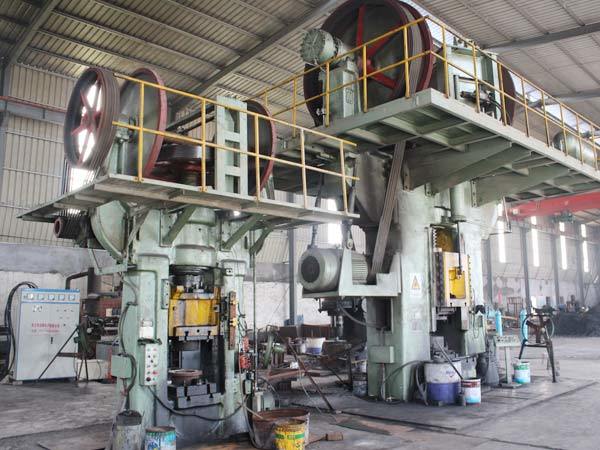
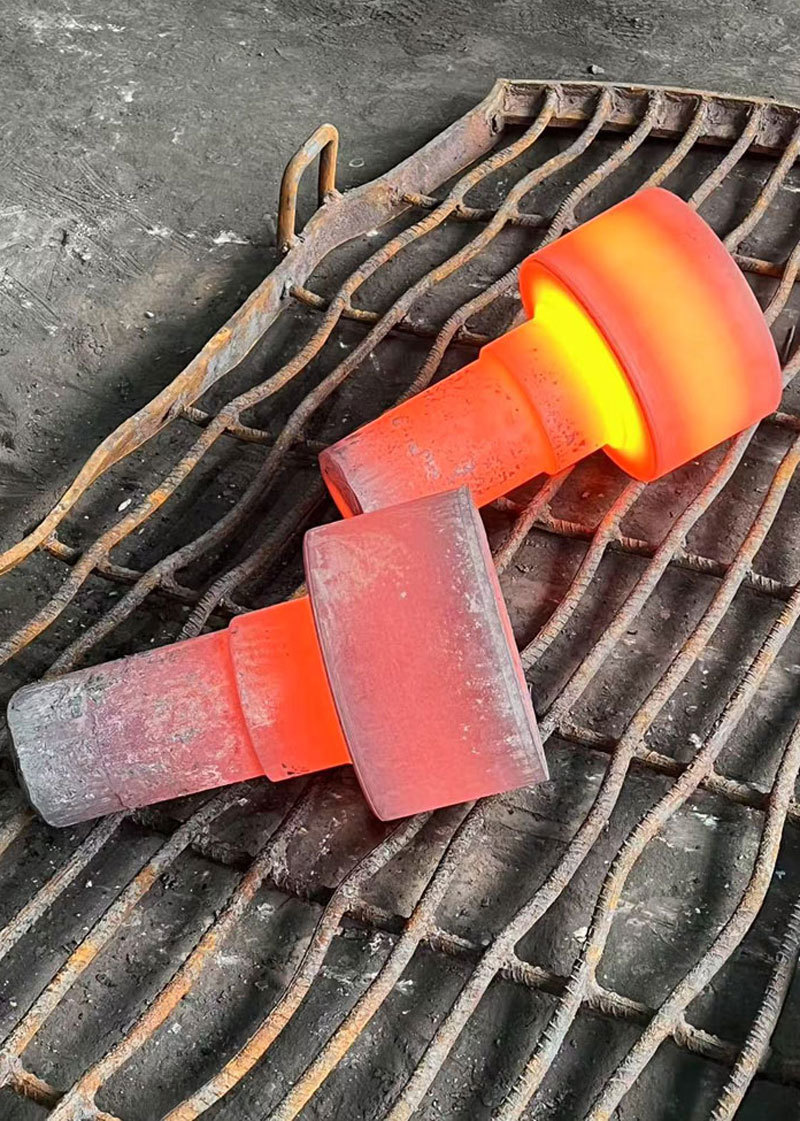
Forged stainless steel is produced through a process that involves heating stainless steel to a high temperature and then shaping it under pressure. This method enhances the material's mechanical properties, resulting in a product that is not only robust but also malleable enough for complex designs. The forging process refines the grain structure, ensuring improved strength and resilience.
3. Benefits of Using Forged Stainless Steel in Construction
Forged stainless steel offers numerous benefits that make it an excellent choice for construction projects. Below, we explore some of these advantages in detail.
3.1 Durability and Strength
One of the primary reasons to choose forged stainless steel is its **incredible strength**. The forging process increases the density and integrity of the metal, making it less susceptible to cracking and deformation under load. This durability ensures that construction elements can withstand heavy weights and stress, making forged stainless steel ideal for structural applications such as beams, columns, and reinforcements.
3.2 Corrosion Resistance
**Corrosion resistance** is another significant advantage of forged stainless steel. Unlike regular steel, which can rust and corrode when exposed to moisture, forged stainless steel contains chromium, which forms a protective layer that prevents oxidation. This characteristic is particularly beneficial in coastal areas or environments with high humidity, where traditional materials may fail. Consequently, using forged stainless steel reduces maintenance costs and enhances the longevity of structures.
3.3 Aesthetic Appeal
Beyond its mechanical benefits, forged stainless steel also boasts an **aesthetic appeal** that many architects and designers appreciate. Its sleek, polished surface provides a modern look that can complement a variety of architectural styles. Whether used for handrails, facades, or decorative elements, forged stainless steel adds a touch of elegance to any construction project.
3.4 Cost Efficiency
While the initial cost of forged stainless steel may be higher than that of other materials, its long-term cost efficiency is noteworthy. The **low maintenance requirements** and extended lifespan of forged stainless steel mean that, over time, it can prove to be a more economical choice. Furthermore, its durability reduces the need for frequent repairs or replacements, translating to savings for construction projects.
3.5 Sustainability
In today’s eco-conscious world, sustainability is a key consideration in construction. Forged stainless steel is **recyclable** and often produced using sustainable practices, making it a preferable choice for environmentally-friendly projects. By selecting forged stainless steel, builders can contribute to reducing their carbon footprint while ensuring that their structures are durable and long-lasting.
4. Applications of Forged Stainless Steel in Construction
The versatility of forged stainless steel allows it to be utilized in various applications within the construction industry. Here are some prominent uses:
4.1 Structural Components
Forged stainless steel is extensively used in **structural components** such as beams, columns, and trusses, providing the necessary strength and support for buildings and bridges.
4.2 Architectural Elements
Designers frequently use forged stainless steel in **architectural features** like handrails, staircases, and facades, where both strength and aesthetics are paramount.
4.3 Fasteners and Fittings
The material’s strength makes it ideal for manufacturing **fasteners and fittings** that require high tensile strength and resistance to environmental stressors.
5. Forged Stainless Steel vs. Other Construction Materials
When comparing forged stainless steel to other construction materials, several important distinctions arise:
5.1 Forged Stainless Steel vs. Regular Steel
Regular steel is prone to rust and requires protective coatings, whereas forged stainless steel offers inherent corrosion resistance without the need for additional treatments.
5.2 Forged Stainless Steel vs. Aluminum
While aluminum is lightweight, forged stainless steel provides superior strength and durability, making it better suited for heavy-load applications.
5.3 Forged Stainless Steel vs. Reinforced Concrete
While reinforced concrete is strong in compression, forged stainless steel excels in tensile strength, making it a better choice for structures requiring flexibility and resilience.
6. Common Misconceptions About Forged Stainless Steel
Despite its many advantages, several misconceptions about forged stainless steel persist:
6.1 It’s Too Expensive
While the upfront cost may be higher, the long-term savings through reduced maintenance and durability make it cost-effective.
6.2 It’s Heavy and Difficult to Work With
Although forged stainless steel is denser than some materials, advancements in manufacturing techniques have made it easier to manipulate and install, often comparable to other metals.
7. Frequently Asked Questions
7.1 What are the main advantages of using forged stainless steel in construction?
Forged stainless steel offers exceptional strength, durability, and corrosion resistance, making it an ideal choice for a wide range of construction applications.
7.2 How does forged stainless steel compare to other metals?
Forged stainless steel outperforms regular steel in terms of corrosion resistance and is typically stronger than aluminum and reinforced concrete in load-bearing applications.
7.3 Is forged stainless steel environmentally friendly?
Yes, forged stainless steel is recyclable and often produced using sustainable practices, making it a more environmentally-friendly choice than many other materials.
7.4 Can forged stainless steel be used in coastal areas?
Absolutely. Its corrosion resistance makes it particularly suitable for coastal environments where traditional metals may corrode rapidly.
7.5 What types of construction projects benefit most from forged stainless steel?
Projects that require high strength, durability, and aesthetic appeal, such as commercial buildings, bridges, and architectural features, significantly benefit from using forged stainless steel.
8. Conclusion
In conclusion, forged stainless steel stands out as a superior material for construction due to its unmatched strength, durability, and aesthetic appeal. Its resistance to corrosion ensures that structures maintain their integrity and appearance over time, making it a cost-effective choice despite initial investments. With its versatility across various applications and growing recognition for sustainability, forged stainless steel is poised to play an integral role in the future of construction. As the industry continues to evolve, embracing forged stainless steel will undoubtedly lead to stronger, more resilient, and aesthetically pleasing structures.
Latest developments
Quality Standards in the Forging of Stainless Steel Products: Ensuring Excellence in Metallurgy
Quality Standards in the Forging of Stainless Steel Products Table of Contents Introduction to Stainless Steel Forging The Importance of Quality Standards in Forging Types of Stainless Steel Used in Forging Common Forging Processes in Stainless Steel Manufacturing Quality Assurance Methodologies in Stainless Steel Forging Testing and Certification of Stainless Steel Products Global
Understanding Non-Standard Flanges: A Key Component in Architectural Applications
Non-standard flanges are specialized components that deviate from conventional sizing and design specifications. Unlike standard flanges, which adhere to established dimensions and pressure ratings, non-standard flanges are custom-made to meet unique project requirements. These flanges are crucial in various architectural and construction applications, particularly when dealing with unconventional
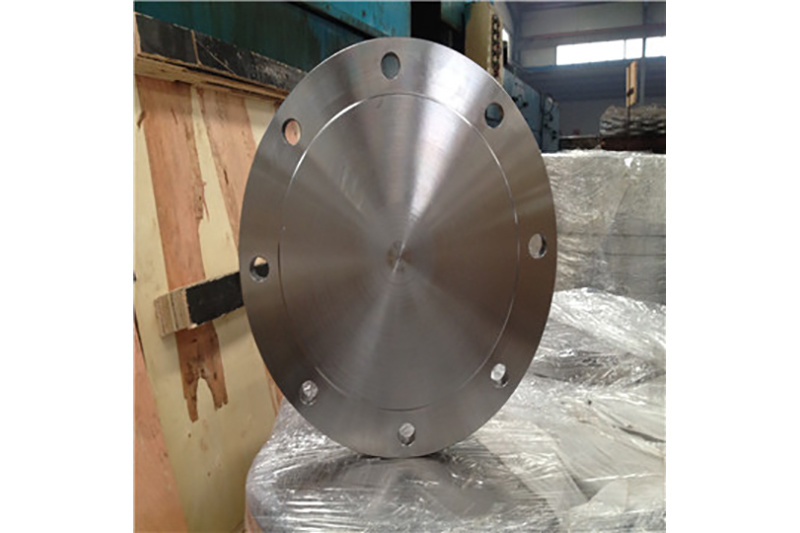
The Importance of Quality Control for Japanese Standard Flanges: Ensuring Durability and Reliability
The Importance of Quality Control for Japanese Standard Flanges In the construction and manufacturing sectors, the significance of quality control cannot be overstated, especially for components as crucial as flanges. Japanese standard flanges, known for their precision and durability, require stringent quality control measures to meet the demands of various applications. This article delves into
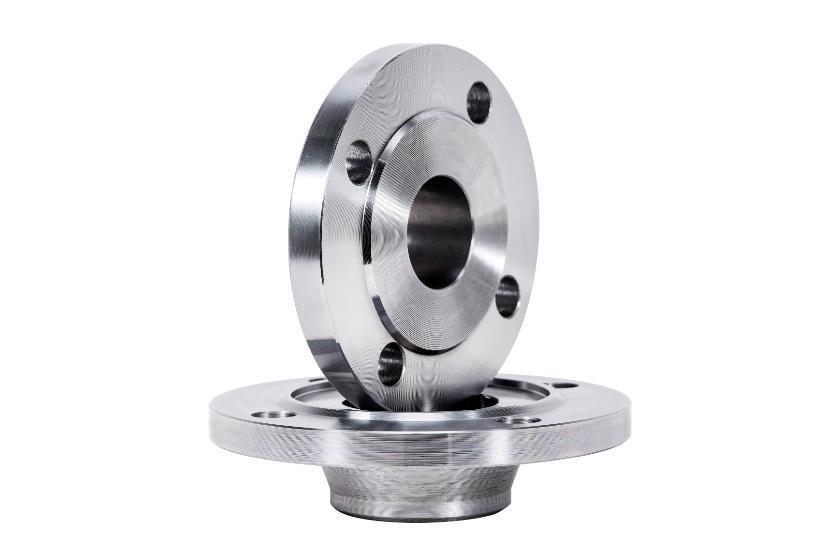
Understanding American Standard Flange in Construction and Decoration Materials
American standard flanges are critical components in the field of construction and decorative materials, particularly in piping systems. These flanges adhere to specific standards established by organizations such as the American National Standards Institute (ANSI) and the American Society of Mechanical Engineers (ASME). Their design and specifications are essential for ensuring compatibility and
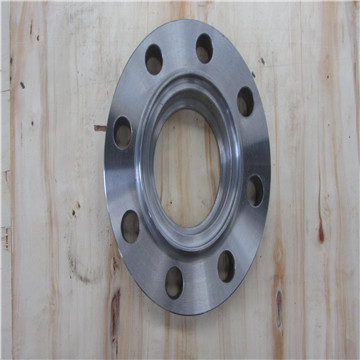
Exploring the Advantages of Using Threaded Flanges in HVAC Systems
Exploring the Advantages of Using Threaded Flanges in HVAC Systems Table of Contents 1. Introduction to Threaded Flanges in HVAC 2. Understanding Threaded Flanges 3. Benefits of Using Threaded Flanges in HVAC Systems 3.1 Superior Sealing Capability 3.2 Ease of Installation and Maintenance 3.3 Cost-Effectiveness 3.4 Versatility i

The Essential Guide to Flanged Connections in Building and Decorative Materials
Flanged connections are vital components in the construction and decorative materials sector, especially in the context of piping systems and fittings. Understanding their function, design, and application can significantly enhance the efficiency and reliability of installations. A flanged connection involves two flanges, which are flat pieces of material with holes for bolts. These flanges are bo
Shandong Xinhao Forging Co.,Ltd.
Tel:+86-15098858482
WeChat: 543983004
Email:xinhaoflange@gmail.com
Whatsapp:8615098858482
Website:www.xhflange.com

TikTok