


Flat Flange Applications: Enhancing Structural Integrity for Modern Construction
Release time:
2025-04-13
Flat Flange Applications: Enhancing Structural Integrity for Modern Construction Table of Contents 1. Introduction to Flat Flanges 2. Understanding Flat Flanges 2.1 Definition of Flat Flanges 2.2 Types of Flat Flanges 3. Importance of Flat Flanges in Structural Integrity 4. Applications of Flat Flanges 4.1 Flat Flanges
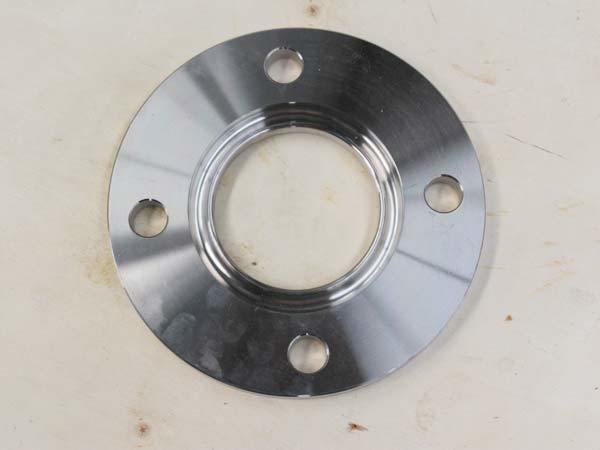
Flat Flange Applications: Enhancing Structural Integrity for Modern Construction
Table of Contents
- 1. Introduction to Flat Flanges
- 2. Understanding Flat Flanges
- 3. Importance of Flat Flanges in Structural Integrity
- 4. Applications of Flat Flanges
- 4.1 Flat Flanges in Construction
- 4.2 Industrial Applications of Flat Flanges
- 4.3 Residential Uses of Flat Flanges
- 5. Installation Best Practices for Flat Flanges
- 6. Maintenance and Inspection of Flat Flanges
- 7. Conclusion
- 8. Frequently Asked Questions (FAQs)
1. Introduction to Flat Flanges
Flat flanges are essential components in the construction and decorative materials industry. Their primary function is to provide a secure and stable connection between two structural elements, enhancing the integrity of the overall assembly. As we dive into the different applications and benefits of flat flanges, we will uncover why these elements are indispensable in modern construction.
2. Understanding Flat Flanges
2.1 Definition of Flat Flanges
Flat flanges are circular plates made from various materials, including metal and plastic, featuring holes along their edges for bolts. These plates serve as a means of connecting pipes, fittings, and other structural components, ensuring a tight and leak-proof joint.
2.2 Types of Flat Flanges
There are several types of flat flanges, each designed for specific applications:
1. **Slip-On Flanges**: These are designed to slide over the pipe and then be welded in place. They are easy to align and install.
2. **Blind Flanges**: These flanges are completely closed off, used to seal the end of a piping system and provide access for inspection.
3. **Weld Neck Flanges**: These flanges have a long neck that provides a gradual transition between the flange and the pipe, enhancing strength.
4. **Socket Weld Flanges**: These flanges allow the pipe to be inserted into a socket and are often used in high-pressure applications.
5. **Lap Joint Flanges**: These flanges consist of two pieces and are used in applications where frequent disassembly is necessary.
3. Importance of Flat Flanges in Structural Integrity
Flat flanges play a pivotal role in maintaining structural integrity. They provide a robust connection between components, ensuring that forces and loads are evenly distributed. This is crucial in applications where high pressure, temperature fluctuations, or dynamic forces are present.
- **Load Distribution**: Flat flanges help distribute the load evenly across connected elements, reducing the risk of stress concentrations that could lead to failure.
- **Leak Prevention**: Properly installed flat flanges create tight seals that prevent leaks, a fundamental requirement in piping systems, particularly in industries such as oil and gas.
- **Ease of Maintenance**: Flanges make it easier to access piping systems for maintenance and inspection, ensuring ongoing structural integrity.
4. Applications of Flat Flanges
Flat flanges find applications across various sectors, showcasing their versatility and importance in enhancing structural integrity.
4.1 Flat Flanges in Construction
In the construction industry, flat flanges are integral to connecting structural beams, columns, and piping systems. They are widely used in high-rise buildings, bridges, and other large structures where stability and safety are paramount.
- **Steel Structures**: Flat flanges are essential in connecting steel beams and columns, ensuring that loads are transferred effectively.
- **HVAC Systems**: Flat flanges are used to connect ductwork, providing secure joints that withstand airflow pressures.
4.2 Industrial Applications of Flat Flanges
In industrial settings, flat flanges are vital for connecting pipes, valves, and pumps. Their ability to create tight seals is crucial in preventing leaks and maintaining efficiency.
- **Chemical Processing**: Flat flanges are used in pipelines transporting chemicals, where leak prevention is critical for safety.
- **Oil and Gas**: In this sector, flanges connect various components of drilling and extraction equipment, ensuring durability under extreme conditions.
4.3 Residential Uses of Flat Flanges
Flat flanges are also utilized in residential applications, such as plumbing and HVAC systems. They provide reliable connections that ensure proper functionality and safety.
- **Plumbing Systems**: Flanges are used to connect pipes to fixtures, offering secure joints that prevent leaks.
- **Heating Systems**: In residential heating systems, flat flanges connect radiators and boilers, ensuring efficient heat transfer.
5. Installation Best Practices for Flat Flanges
Proper installation of flat flanges is critical to ensure their effectiveness. Here are some best practices to follow:
- **Surface Preparation**: Ensure that the surfaces of the flange and the connected components are clean, smooth, and free from debris.
- **Alignment**: Align the flanges accurately before tightening bolts to prevent stress and ensure an even distribution of loads.
- **Torquing**: Use a torque wrench to tighten bolts according to manufacturer specifications, ensuring the necessary clamping force without over-tightening.
- **Gaskets**: Use appropriate gaskets to enhance the seal between the flanges and prevent leaks.
6. Maintenance and Inspection of Flat Flanges
Regular maintenance and inspection of flat flanges are essential to ensure their longevity and effectiveness. This includes:
- **Visual Inspections**: Regularly check for signs of wear, corrosion, or leaks around the flanges.
- **Torque Checks**: Periodically verify the torque settings to ensure that they remain within specifications.
- **Gasket Replacement**: Replace gaskets as needed to maintain effective seals.
7. Conclusion
Flat flanges play a crucial role in enhancing the structural integrity of various systems across construction, industrial, and residential applications. Their ability to provide secure, leak-proof connections makes them indispensable in modern engineering and architecture. By understanding their applications, installation practices, and maintenance requirements, one can ensure the continued reliability and safety of structures in which they are employed.
8. Frequently Asked Questions (FAQs)
What is the purpose of flat flanges?
Flat flanges are used to create secure connections between structural elements, ensuring that loads are evenly distributed and preventing leaks.
How do I install flat flanges correctly?
Ensure proper surface preparation, align the flanges correctly, and use a torque wrench to tighten bolts according to manufacturer specifications.
What types of flat flanges are available?
Common types of flat flanges include slip-on, blind, weld neck, socket weld, and lap joint flanges, each designed for specific applications.
How often should flat flanges be inspected?
Regular inspections should be conducted, with torque checks every few months and visual inspections performed at least once a year or as necessary.
Are flat flanges suitable for high-pressure applications?
Yes, certain types of flat flanges, such as weld neck and socket weld flanges, are specifically designed for high-pressure applications and provide enhanced strength and durability.
Latest developments
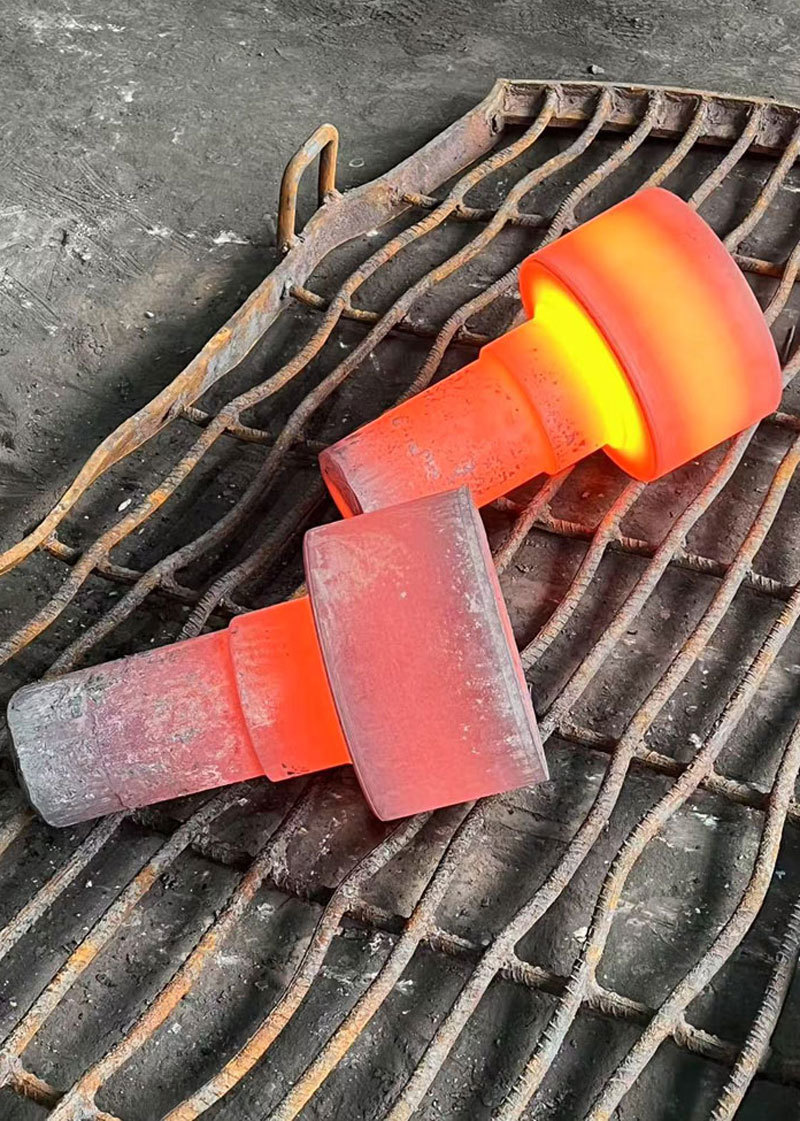
Quality Standards in the Forging of Stainless Steel Products: Ensuring Excellence in Metallurgy
Quality Standards in the Forging of Stainless Steel Products Table of Contents Introduction to Stainless Steel Forging The Importance of Quality Standards in Forging Types of Stainless Steel Used in Forging Common Forging Processes in Stainless Steel Manufacturing Quality Assurance Methodologies in Stainless Steel Forging Testing and Certification of Stainless Steel Products Global
Understanding Non-Standard Flanges: A Key Component in Architectural Applications
Non-standard flanges are specialized components that deviate from conventional sizing and design specifications. Unlike standard flanges, which adhere to established dimensions and pressure ratings, non-standard flanges are custom-made to meet unique project requirements. These flanges are crucial in various architectural and construction applications, particularly when dealing with unconventional
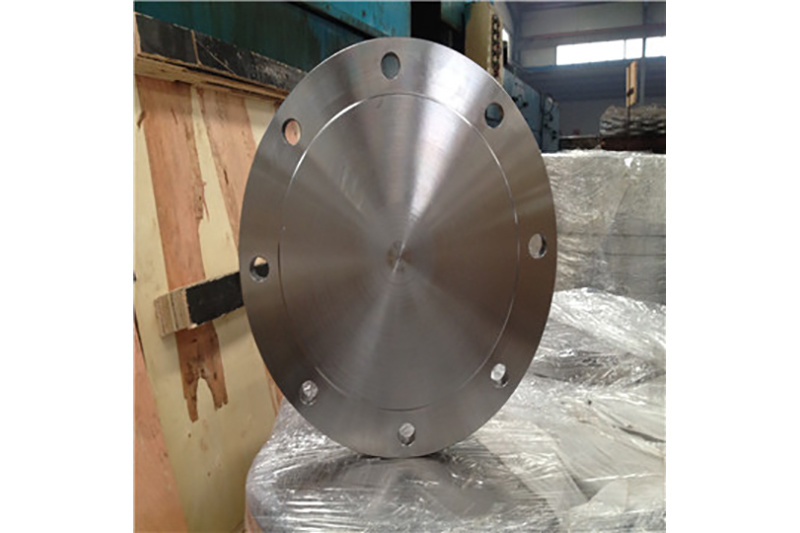
The Importance of Quality Control for Japanese Standard Flanges: Ensuring Durability and Reliability
The Importance of Quality Control for Japanese Standard Flanges In the construction and manufacturing sectors, the significance of quality control cannot be overstated, especially for components as crucial as flanges. Japanese standard flanges, known for their precision and durability, require stringent quality control measures to meet the demands of various applications. This article delves into
Understanding American Standard Flange in Construction and Decoration Materials
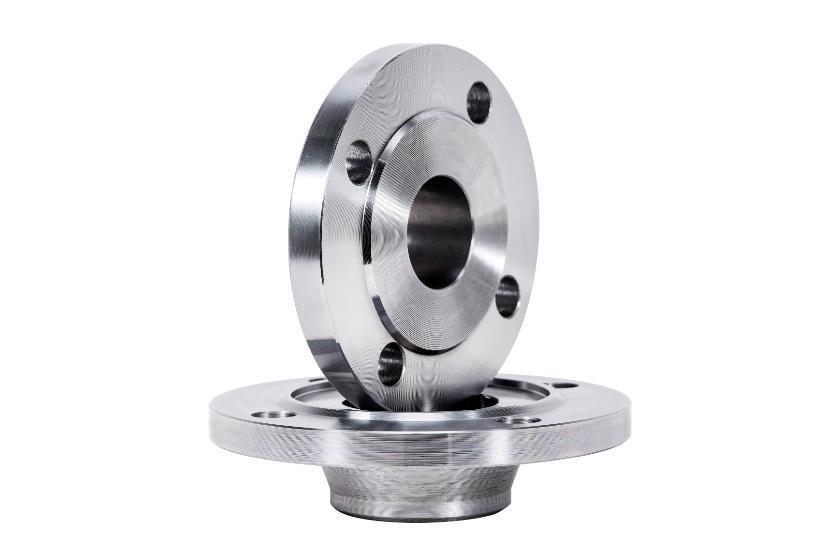
American standard flanges are critical components in the field of construction and decorative materials, particularly in piping systems. These flanges adhere to specific standards established by organizations such as the American National Standards Institute (ANSI) and the American Society of Mechanical Engineers (ASME). Their design and specifications are essential for ensuring compatibility and
Exploring the Advantages of Using Threaded Flanges in HVAC Systems
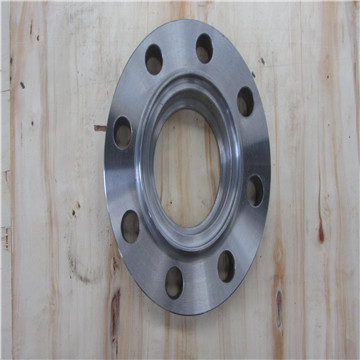
Exploring the Advantages of Using Threaded Flanges in HVAC Systems Table of Contents 1. Introduction to Threaded Flanges in HVAC 2. Understanding Threaded Flanges 3. Benefits of Using Threaded Flanges in HVAC Systems 3.1 Superior Sealing Capability 3.2 Ease of Installation and Maintenance 3.3 Cost-Effectiveness 3.4 Versatility i

The Essential Guide to Flanged Connections in Building and Decorative Materials
Flanged connections are vital components in the construction and decorative materials sector, especially in the context of piping systems and fittings. Understanding their function, design, and application can significantly enhance the efficiency and reliability of installations. A flanged connection involves two flanges, which are flat pieces of material with holes for bolts. These flanges are bo
Shandong Xinhao Forging Co.,Ltd.
Tel:+86-15098858482
WeChat: 543983004
Email:xinhaoflange@gmail.com
Whatsapp:8615098858482
Website:www.xhflange.com

TikTok