

How to Select the Right Flat Flange for Your Project: A Comprehensive Guide
Release time:
2025-04-23
How to Select the Right Flat Flange for Your Project Table of Contents Understanding Flat Flanges Types of Flat Flanges Materials Used in Flat Flanges Key Specifications to Consider How to Measure Flat Flanges Installation Tips and Best Practices Troubleshooting Common Issues Frequently Asked Questions Conclusion Understanding Flat Flanges Flat flanges are crucial com
How to Select the Right Flat Flange for Your Project
Table of Contents
- Understanding Flat Flanges
- Types of Flat Flanges
- Materials Used in Flat Flanges
- Key Specifications to Consider
- How to Measure Flat Flanges
- Installation Tips and Best Practices
- Troubleshooting Common Issues
- Frequently Asked Questions
- Conclusion
Understanding Flat Flanges
Flat flanges are crucial components in piping systems, serving as connection points for pipes, valves, and equipment. They create a secure seal that prevents leaks and ensures efficient fluid or gas flow. Understanding the function and importance of flat flanges is essential for making informed decisions during your project.
Flanges come in various shapes and sizes, but flat flanges are typically characterized by their flat surface and lack of raised or recessed features. This type of flange is designed to be bolted to another flat flange, providing a reliable and sturdy interface for joining two sections of piping or equipment.
Types of Flat Flanges
When selecting a flat flange, it is essential to understand the different types available on the market:
1. Standard Flat Flanges
Standard flat flanges are commonly used in many applications, providing a straightforward connection method that is easy to install and maintain. They are typically manufactured to meet specific dimensional standards, ensuring compatibility with various piping systems.
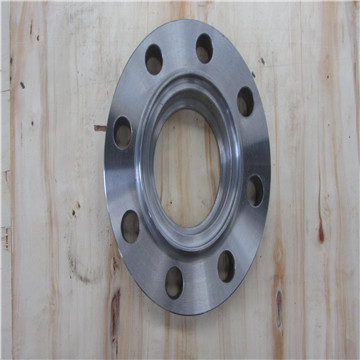
2. Slip-On Flanges
Slip-on flanges are designed to be slipped over the pipe's end before being welded in place. This type of flange is easy to fit and allows for some alignment adjustment during installation, making it ideal for situations where precision is crucial.
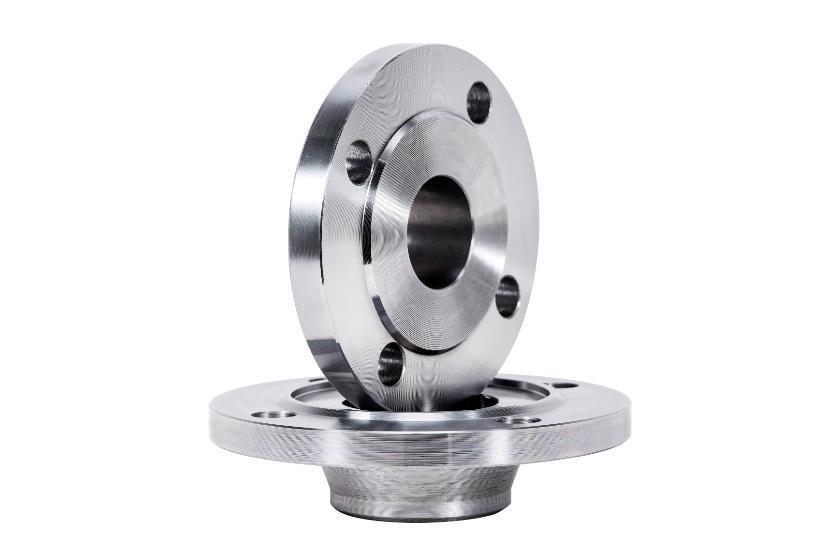
3. Weld Neck Flanges
Weld neck flanges feature a long tapered neck that is welded to the pipe. This design provides additional strength and stability, making weld neck flanges suitable for high-pressure applications.
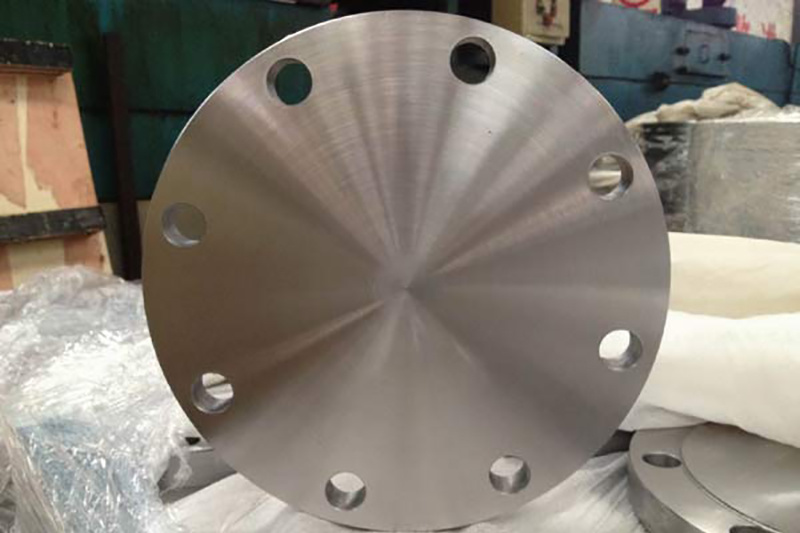
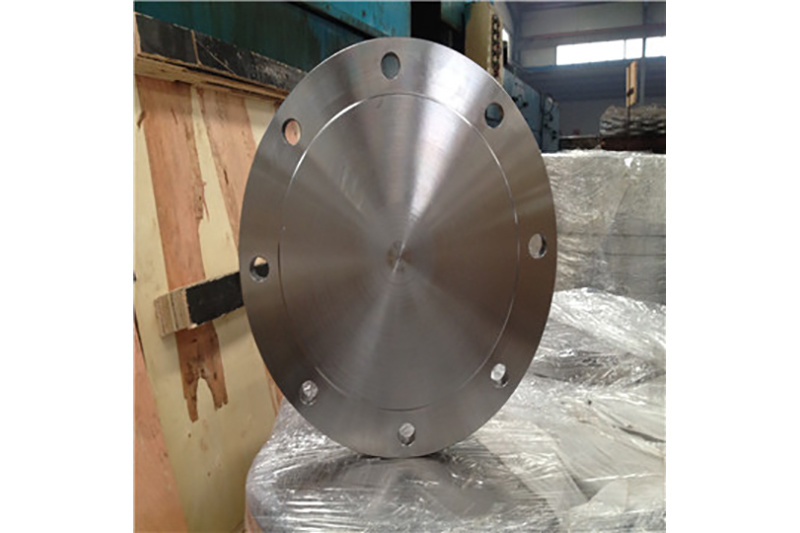
4. Blind Flanges
Blind flanges are solid discs used to seal off the end of a piping system. They are essential for maintenance and testing, allowing systems to be closed off without needing to remove existing piping or equipment.
5. Socket Weld Flanges
Socket weld flanges are designed for use with pipes that are smaller in diameter. The pipe is inserted into the flange and welded in place, creating a joint that is both strong and reliable.
Materials Used in Flat Flanges
The material of the flat flange can significantly affect its performance, durability, and compatibility with different media. Here are some common materials used in flat flanges:
1. Carbon Steel
Carbon steel flanges are widely used due to their strength and affordability. They are suitable for moderate-pressure applications and can be coated to enhance corrosion resistance.
2. Stainless Steel
Stainless steel flanges offer excellent corrosion resistance, making them ideal for harsh environments and applications involving corrosive fluids. They are available in various grades, each suitable for specific conditions.
3. Plastic
Plastic flanges are lightweight and resistant to corrosion, making them suitable for certain chemical applications. They are often used in lower-pressure systems and for specific industries like wastewater treatment.
4. Alloy Steel
Alloy steel flanges are designed for high-stress applications and extreme environments. They offer enhanced strength and resistance to wear and corrosion but can be more expensive than other materials.
Key Specifications to Consider
When selecting the right flat flange, several specifications must be taken into account:
1. Pressure Rating
The pressure rating of a flat flange indicates the maximum pressure it can safely withstand. Ensure that the flange you choose is rated for the same or greater pressure as your application.
2. Size and Diameter
Flanges come in various sizes, and selecting the appropriate diameter is critical for a secure fit. Measure the pipe's outer diameter and match it with the corresponding flange size.
3. Bolt Pattern and Number
The bolt pattern and the number of bolts required can vary depending on the flange type and size. Ensure compatibility with your piping system by checking the specifications carefully.
4. Surface Finish
The surface finish of the flange can impact its sealing capabilities. Consider whether a smooth or rough finish is more suitable for your application, as it can affect the gasket's performance.
5. Gasket Compatibility
Selecting the right gasket material that complements your flat flange is essential. Consider the media being transported and choose a gasket that can handle the temperature and chemical properties of the fluid.
How to Measure Flat Flanges
Proper measurement is vital for ensuring a perfect fit between the flange and the piping system. Here’s a step-by-step guide to help you measure flat flanges accurately:
1. Measure the Pipe Diameter
Use a caliper or measuring tape to measure the outer diameter of the pipe that will connect to the flange. This measurement will help determine the flange size you need.
2. Check the Flange Thickness
The thickness of the flange is important for strength and stability. Measure the flange's thickness at its widest point to ensure it meets your project's requirements.
3. Determine the Bolt Circle Diameter
The bolt circle diameter is the distance from the center of one bolt hole to the center of the opposite bolt hole. Measure this carefully to guarantee compatibility with your bolting system.
4. Count the Bolt Holes
Knowing the number of bolt holes in the flange will help you select the right bolts and ensure a proper fit. Count the bolt holes and confirm their arrangement before purchasing the flange.
Installation Tips and Best Practices
Successful installation of flat flanges requires attention to detail and following best practices:
1. Clean the Flange Surfaces
Before installation, ensure that both flange surfaces are clean and free from debris, rust, or old gasket material. This will promote a better seal and reduce the risk of leaks.
2. Use the Correct Gasket
Select a gasket that suits your application, considering factors such as temperature, pressure, and the type of media being transported. Ensure that the gasket fits snugly within the flange.
3. Tighten Bolts Evenly
When securing the flanges, tighten the bolts in a crisscross pattern, ensuring even pressure distribution. This will help prevent warping and create a better seal.
4. Inspect for Leaks
After installation, conduct a thorough inspection for leaks. Run the system under normal operating conditions for a short period and check all connections for any signs of leakage.
Troubleshooting Common Issues
Even with the best practices, issues can arise during the installation or operation of flat flanges. Here are some common problems and their solutions:
1. Leaking Connections
If you notice leaks at the flange connections, inspect the gasket for damage or misalignment. Replacing the gasket and ensuring proper torque on the bolts may resolve the issue.
2. Gasket Failure
Gasket failure can occur due to overheating or incompatible materials. To prevent this, always choose gaskets designed for the specific operating conditions of your application.
3. Corrosion
Corrosion can weaken flanges and cause leaks. Regularly inspect flanges, especially in corrosive environments, and consider using protective coatings to enhance durability.
4. Misalignment
Misalignment can lead to stress on flange connections. Use alignment tools during installation to ensure that flanges are properly aligned before tightening.
Frequently Asked Questions
1. What is the main function of flat flanges?
Flat flanges are designed to connect pipes, valves, and equipment securely, providing a reliable seal to prevent leaks in fluid or gas systems.
2. How do I know which size flat flange to choose?
Measure the outer diameter of the pipe and check the specifications of flanges to determine the compatible size for your project.
3. Can I use any gasket with my flat flange?
No, it’s crucial to select a gasket compatible with the material, temperature, and pressure of the media being transported.
4. How often should flat flange connections be inspected?
It is advisable to inspect flat flange connections regularly, especially in high-stress or corrosive environments, to ensure they remain secure and leak-free.
5. What should I do if I notice a leak in a flange connection?
Inspect the gasket for damage or misalignment and consider replacing it. Ensure that the bolts are tightened evenly and check for other potential causes of the leak.
Conclusion
Selecting the right flat flange for your project is essential for ensuring a secure and efficient piping system. By understanding the various types, materials, specifications, and best practices for installation, you can make informed decisions that will contribute to the longevity and reliability of your project. With the right information and careful consideration, you’ll be well-equipped to choose the perfect flat flange and tackle any challenges that may arise during installation and operation.
Latest developments
Quality Standards in the Forging of Stainless Steel Products: Ensuring Excellence in Metallurgy
Quality Standards in the Forging of Stainless Steel Products Table of Contents Introduction to Stainless Steel Forging The Importance of Quality Standards in Forging Types of Stainless Steel Used in Forging Common Forging Processes in Stainless Steel Manufacturing Quality Assurance Methodologies in Stainless Steel Forging Testing and Certification of Stainless Steel Products Global
Understanding Non-Standard Flanges: A Key Component in Architectural Applications
Non-standard flanges are specialized components that deviate from conventional sizing and design specifications. Unlike standard flanges, which adhere to established dimensions and pressure ratings, non-standard flanges are custom-made to meet unique project requirements. These flanges are crucial in various architectural and construction applications, particularly when dealing with unconventional
The Importance of Quality Control for Japanese Standard Flanges: Ensuring Durability and Reliability
The Importance of Quality Control for Japanese Standard Flanges In the construction and manufacturing sectors, the significance of quality control cannot be overstated, especially for components as crucial as flanges. Japanese standard flanges, known for their precision and durability, require stringent quality control measures to meet the demands of various applications. This article delves into
Understanding American Standard Flange in Construction and Decoration Materials
American standard flanges are critical components in the field of construction and decorative materials, particularly in piping systems. These flanges adhere to specific standards established by organizations such as the American National Standards Institute (ANSI) and the American Society of Mechanical Engineers (ASME). Their design and specifications are essential for ensuring compatibility and
Exploring the Advantages of Using Threaded Flanges in HVAC Systems
Exploring the Advantages of Using Threaded Flanges in HVAC Systems Table of Contents 1. Introduction to Threaded Flanges in HVAC 2. Understanding Threaded Flanges 3. Benefits of Using Threaded Flanges in HVAC Systems 3.1 Superior Sealing Capability 3.2 Ease of Installation and Maintenance 3.3 Cost-Effectiveness 3.4 Versatility i

The Essential Guide to Flanged Connections in Building and Decorative Materials
Flanged connections are vital components in the construction and decorative materials sector, especially in the context of piping systems and fittings. Understanding their function, design, and application can significantly enhance the efficiency and reliability of installations. A flanged connection involves two flanges, which are flat pieces of material with holes for bolts. These flanges are bo
Shandong Xinhao Forging Co.,Ltd.
Tel:+86-15098858482
WeChat: 543983004
Email:xinhaoflange@gmail.com
Whatsapp:8615098858482
Website:www.xhflange.com

TikTok