

Sliding Flanges vs. Traditional Flanges: Which is Right for Your Project?
Release time:
2025-04-25
Sliding Flanges vs. Traditional Flanges: Which is Right for Your Project? Table of Contents Understanding Flanges: An Overview What are Traditional Flanges? What are Sliding Flanges? Key Differences Between Sliding and Traditional Flanges Advantages of Traditional Flanges Advantages of Sliding Flanges Choosing the Right Flange for Your Project FAQs: Common Question

Sliding Flanges vs. Traditional Flanges: Which is Right for Your Project?
Table of Contents
- Understanding Flanges: An Overview
- What are Traditional Flanges?
- What are Sliding Flanges?
- Key Differences Between Sliding and Traditional Flanges
- Advantages of Traditional Flanges
- Advantages of Sliding Flanges
- Choosing the Right Flange for Your Project
- FAQs: Common Questions About Flanges
- Conclusion
Understanding Flanges: An Overview
Flanges play a crucial role in piping systems, serving as connectors that allow two sections of pipe to be joined securely. These fittings are critical in various industries such as construction, oil and gas, and plumbing. Understanding the different types of flanges available is essential for selecting the right one for your project.
Flanges come in various shapes and sizes, each designed to meet specific operational requirements. The two most commonly used types of flanges are traditional flanges and sliding flanges. In this article, we’ll explore these two types in-depth, highlighting their benefits and limitations to help you make an informed decision for your next project.
What are Traditional Flanges?
Traditional flanges, often referred to as fixed or welded flanges, are a classic choice for numerous piping applications. They are typically fixed to the pipe through welding or bolting, providing a very secure connection.
Characteristics of Traditional Flanges
- **Design:** Traditional flanges typically feature a flat face or raised face design.
- **Material:** They can be made from a variety of materials, including stainless steel, carbon steel, and plastic.
- **Usage:** Ideal for high-pressure and high-temperature applications, traditional flanges can withstand extreme conditions.
Applications of Traditional Flanges
Traditional flanges are commonly used in:
- Power generation facilities
- Chemical processing plants
- Water treatment facilities
- Oil and gas pipelines
What are Sliding Flanges?
Sliding flanges, also known as slip-on flanges, are another popular option for connecting piping systems. Unlike traditional flanges, sliding flanges are designed to slide over the pipe, allowing for easier alignment and installation.
Characteristics of Sliding Flanges
- **Design:** Sliding flanges have a simpler design, allowing them to be easily positioned onto the pipe before being welded.
- **Material:** Like traditional flanges, sliding flanges can be manufactured from various materials, providing flexibility based on project requirements.
- **Usage:** Best suited for low-pressure applications, sliding flanges are easier to install and adjust.
Applications of Sliding Flanges
Sliding flanges are often used in:
- HVAC systems
- Fire protection systems
- Plumbing applications
Key Differences Between Sliding and Traditional Flanges
While both sliding and traditional flanges serve the same primary purpose—connecting pipes—there are several notable differences that can impact your project.
Connection Method
- Traditional flanges require welding around the pipe, creating a strong, permanent bond.
- Sliding flanges simply slide over the pipe, allowing for easier installation and adjustments.
Installation Process
- Traditional flanges can be more labor-intensive to install due to the need for precise alignment and welding.
- Sliding flanges simplify the installation process, making it easier to make adjustments.
Pressure and Temperature Ratings
- Traditional flanges are more robust, making them suitable for high-pressure and high-temperature applications.
- Sliding flanges are better suited for low-pressure environments.
Cost Considerations
- Traditional flanges may incur higher labor costs due to the installation process.
- Sliding flanges, being easier to install, can reduce labor costs and overall project expenses.
Advantages of Traditional Flanges
Traditional flanges offer numerous benefits that make them a preferred choice in many industrial applications.
Enhanced Strength and Durability
Due to their welded connections, traditional flanges provide greater strength and durability compared to sliding flanges. This makes them ideal for high-stress environments.
Better Leak Resistance
The secure bonding of traditional flanges minimizes the risk of leaks, which is critical in applications involving harmful or hazardous materials.
Advantages of Sliding Flanges
While traditional flanges have their advantages, sliding flanges also offer unique benefits that can be appealing for certain projects.
Simplified Installation
The installation process of sliding flanges is less complex, making them easier to handle, especially for larger projects where time efficiency is crucial.
Cost-Effectiveness
The simpler installation reduces labor costs, making sliding flanges a more budget-friendly option for many projects.
Choosing the Right Flange for Your Project
When selecting between sliding flanges and traditional flanges, consider the following factors:
Project Requirements
Evaluate the specific needs of your project, including pressure, temperature, and material compatibility.
Budget Constraints
Consider your budget and whether the potential cost savings of sliding flanges make them a viable option for your project.
Long-Term Performance
Think about the long-term performance needs of your piping system. If durability and leak resistance are critical, traditional flanges may be worth the investment.
FAQs: Common Questions About Flanges
1. What is the main difference between sliding and traditional flanges?
The main difference lies in their installation and connection methods. Traditional flanges require welding, while sliding flanges simply slide onto the pipe.
2. In which applications are sliding flanges typically used?
Sliding flanges are best suited for low-pressure applications such as HVAC and plumbing systems.
3. Are traditional flanges more expensive than sliding flanges?
Yes, traditional flanges can incur higher costs due to the more complex installation process.
4. Can sliding flanges be used in high-pressure systems?
While sliding flanges can handle certain pressures, they are not recommended for high-pressure applications where traditional flanges are preferable.
5. How do I determine the right flange type for my piping system?
Consider factors such as pressure ratings, temperature requirements, and the nature of the materials being transported in your system.
Conclusion
Selecting the right flange for your construction project is crucial for ensuring the safety and efficiency of your piping system. Traditional flanges offer enhanced strength and durability, making them ideal for high-pressure applications. On the other hand, sliding flanges provide ease of installation and cost-effectiveness for lower-pressure systems.
By thoroughly understanding the differences, advantages, and applications of sliding flanges and traditional flanges, you can make an informed decision that best meets your project's needs. Whether you require the robust nature of traditional flanges or the flexibility of sliding flanges, knowing the characteristics and applications of each type will guide you towards a successful piping solution.
Latest developments
Quality Standards in the Forging of Stainless Steel Products: Ensuring Excellence in Metallurgy
Quality Standards in the Forging of Stainless Steel Products Table of Contents Introduction to Stainless Steel Forging The Importance of Quality Standards in Forging Types of Stainless Steel Used in Forging Common Forging Processes in Stainless Steel Manufacturing Quality Assurance Methodologies in Stainless Steel Forging Testing and Certification of Stainless Steel Products Global
Understanding Non-Standard Flanges: A Key Component in Architectural Applications
Non-standard flanges are specialized components that deviate from conventional sizing and design specifications. Unlike standard flanges, which adhere to established dimensions and pressure ratings, non-standard flanges are custom-made to meet unique project requirements. These flanges are crucial in various architectural and construction applications, particularly when dealing with unconventional
The Importance of Quality Control for Japanese Standard Flanges: Ensuring Durability and Reliability
The Importance of Quality Control for Japanese Standard Flanges In the construction and manufacturing sectors, the significance of quality control cannot be overstated, especially for components as crucial as flanges. Japanese standard flanges, known for their precision and durability, require stringent quality control measures to meet the demands of various applications. This article delves into
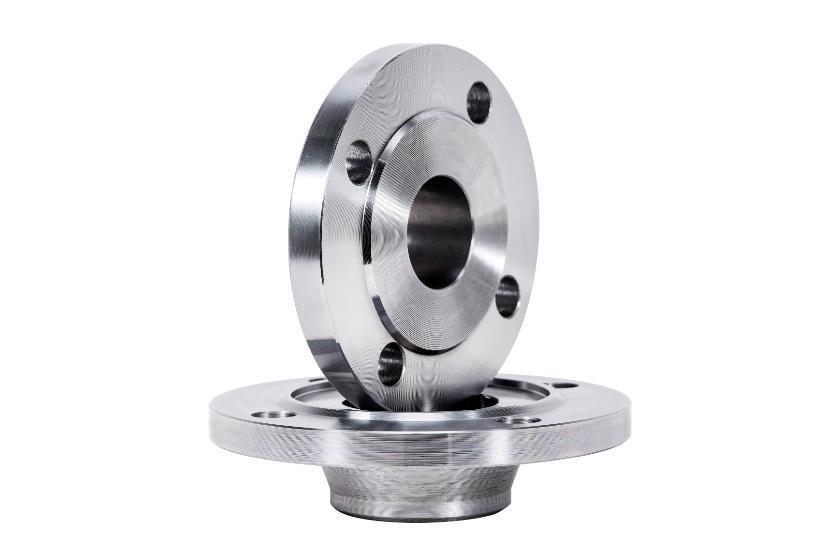
Understanding American Standard Flange in Construction and Decoration Materials
American standard flanges are critical components in the field of construction and decorative materials, particularly in piping systems. These flanges adhere to specific standards established by organizations such as the American National Standards Institute (ANSI) and the American Society of Mechanical Engineers (ASME). Their design and specifications are essential for ensuring compatibility and
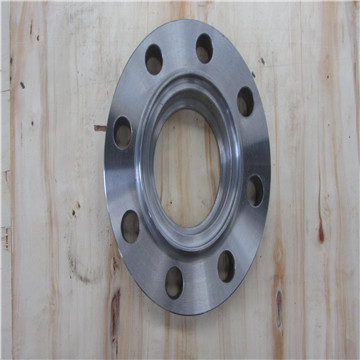
Exploring the Advantages of Using Threaded Flanges in HVAC Systems
Exploring the Advantages of Using Threaded Flanges in HVAC Systems Table of Contents 1. Introduction to Threaded Flanges in HVAC 2. Understanding Threaded Flanges 3. Benefits of Using Threaded Flanges in HVAC Systems 3.1 Superior Sealing Capability 3.2 Ease of Installation and Maintenance 3.3 Cost-Effectiveness 3.4 Versatility i

The Essential Guide to Flanged Connections in Building and Decorative Materials
Flanged connections are vital components in the construction and decorative materials sector, especially in the context of piping systems and fittings. Understanding their function, design, and application can significantly enhance the efficiency and reliability of installations. A flanged connection involves two flanges, which are flat pieces of material with holes for bolts. These flanges are bo
Shandong Xinhao Forging Co.,Ltd.
Tel:+86-15098858482
WeChat: 543983004
Email:xinhaoflange@gmail.com
Whatsapp:8615098858482
Website:www.xhflange.com

TikTok