

A Comprehensive Guide to Installing Threaded Flanges: Ensuring a Secure Connection
Release time:
2025-04-27
A Comprehensive Guide to Installing Threaded Flanges: Ensuring a Secure Connection When it comes to connecting pipes in various industrial applications, threaded flanges offer a reliable solution. They provide a secure connection that is easy to install and maintain. In this comprehensive guide, we will delve into the intricacies of threaded flanges, covering everything from their types and materi
A Comprehensive Guide to Installing Threaded Flanges: Ensuring a Secure Connection
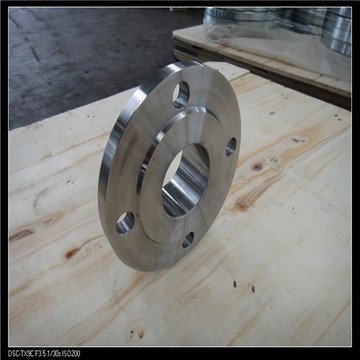
When it comes to connecting pipes in various industrial applications, threaded flanges offer a reliable solution. They provide a secure connection that is easy to install and maintain. In this comprehensive guide, we will delve into the intricacies of threaded flanges, covering everything from their types and materials to installation techniques and maintenance tips. Whether you are a seasoned professional or a DIY enthusiast, this guide will equip you with the knowledge needed to master threaded flange installation.
Table of Contents
- 1. Introduction to Threaded Flanges
- 2. Types of Threaded Flanges
- 3. Materials Used for Threaded Flanges
- 4. Tools Required for Installation
- 5. Step-by-Step Installation Techniques
- 6. Common Issues and Troubleshooting
- 7. Maintenance Tips for Threaded Flanges
- 8. Conclusion
- 9. Frequently Asked Questions
1. Introduction to Threaded Flanges
Threaded flanges are pivotal in connecting pipes, valves, and equipment in various systems, particularly in industries like oil and gas, water treatment, and chemical processing. They feature a female thread on the inside that allows them to screw onto a male threaded pipe or fitting, creating a robust and leak-proof connection. Understanding how to properly install threaded flanges is essential for ensuring the safety and efficiency of your piping systems.
2. Types of Threaded Flanges
Several types of threaded flanges cater to different applications and requirements. The most common types include:
2.1 Slip-On Flanges
Slip-on flanges are designed to slide over the end of a pipe. They are easy to align and install, making them a popular choice for many plumbing applications.
2.2 Weld Neck Flanges
Weld neck flanges are characterized by a long tapered hub that allows for a strong connection. They are often used in high-pressure applications due to their robustness.
2.3 Blind Flanges
Blind flanges are solid flanges with no hole in the center, making them suitable for closing off the end of a piping system.
2.4 Socket Weld Flanges
Socket weld flanges are designed for use with a pipe that fits inside the flange. They provide a strong and secure connection, ideal for high-pressure systems.
3. Materials Used for Threaded Flanges
Threaded flanges are made from various materials, each offering unique advantages based on the application:
3.1 Carbon Steel
Carbon steel is widely used for its strength and durability. It is an economical choice for many applications but may require a protective coating to prevent corrosion.
3.2 Stainless Steel
Stainless steel flanges are resistant to corrosion, making them suitable for harsh environments. They are often used in food processing and chemical industries.
3.3 Alloy Steel
Alloy steel flanges provide enhanced strength and resistance to temperature and pressure, making them ideal for high-performance applications.
3.4 PVC and Other Plastics
Plastic flanges like PVC are lightweight and corrosion-resistant, making them suitable for non-pressure applications such as drainage systems.
4. Tools Required for Installation
Before beginning the installation of threaded flanges, gather the following tools:
- Wrench
- Thread sealant or tape
- Torque wrench
- Pipe cutter
- Cleaning brushes
- PPE (gloves, goggles)
5. Step-by-Step Installation Techniques
Installing threaded flanges involves a series of clear steps to ensure a secure connection. Follow these guidelines:
5.1 Prepare the Pipes
Ensure that the pipe ends are clean and free from debris. Use a cleaning brush to remove any rust, scale, or dirt. A clean surface is crucial for a proper seal.
5.2 Apply Thread Sealant
Using thread sealant or tape, wrap the male threads of the pipe. This helps prevent leaks by creating a barrier between the threads.
5.3 Align the Flange
Thread the flange onto the pipe by hand, ensuring it is properly aligned. Do not force it, as this can cause damage.
5.4 Tighten the Connection
Using a wrench, tighten the flange securely. Follow the manufacturer’s specifications for torque settings to prevent over-tightening, which can lead to flange failure.
5.5 Inspect the Installation
After installation, inspect the flange connection for any signs of misalignment or leaks. Correct any issues before moving forward.
6. Common Issues and Troubleshooting
Even with careful installation, issues may arise. Here are common problems and their solutions:
6.1 Leaks
If you notice a leak, check if the flange is properly tightened. If the leak persists, it may be necessary to disassemble the flange and reapply thread sealant.
6.2 Misalignment
Misalignment can lead to stress on the flange. Adjust the pipe or use spacers to align the flange correctly.
6.3 Corrosion
Inspect for signs of corrosion, especially in metal flanges. If corrosion is present, consider replacing the flange or applying a protective coating.
7. Maintenance Tips for Threaded Flanges
Regular maintenance can extend the life of your threaded flanges:
7.1 Periodic Inspections
Conduct regular inspections of the flanges for leaks, corrosion, or any signs of wear. Early detection can prevent major failures.
7.2 Cleaning
Keep the flange surfaces clean. Remove any debris or buildup that could affect the integrity of the seal.
7.3 Re-Torqueing
Re-torqueing the flange bolts periodically can help maintain a secure connection, especially in high-pressure applications.
8. Conclusion
Installing threaded flanges requires attention to detail and adherence to best practices. By understanding the types, materials, and installation techniques, you can ensure strong and reliable connections in your piping systems. Regular maintenance and troubleshooting can further enhance the lifespan and effectiveness of your installations. With this comprehensive guide, we are confident that you will be equipped to tackle any threaded flange installation with ease.
9. Frequently Asked Questions
9.1 What are the benefits of using threaded flanges?
Threaded flanges provide ease of installation, the ability to disassemble for maintenance, and a secure connection that minimizes the risk of leaks.
9.2 Can threaded flanges be used in high-pressure applications?
Yes, certain types of threaded flanges, like weld neck flanges, are suitable for high-pressure applications when installed correctly.
9.3 How do I choose the right material for my threaded flanges?
Select the material based on the environment and application. For corrosive environments, stainless steel or plastic flanges may be best.
9.4 What is the best way to prevent corrosion on metal flanges?
Applying protective coatings and conducting regular inspections can help prevent corrosion on metal flanges.
9.5 Is it necessary to use thread sealant on threaded flanges?
While not always necessary, using thread sealant or tape can significantly reduce the risk of leaks and enhance the integrity of the connection.
Latest developments
Quality Standards in the Forging of Stainless Steel Products: Ensuring Excellence in Metallurgy
Quality Standards in the Forging of Stainless Steel Products Table of Contents Introduction to Stainless Steel Forging The Importance of Quality Standards in Forging Types of Stainless Steel Used in Forging Common Forging Processes in Stainless Steel Manufacturing Quality Assurance Methodologies in Stainless Steel Forging Testing and Certification of Stainless Steel Products Global
Understanding Non-Standard Flanges: A Key Component in Architectural Applications
Non-standard flanges are specialized components that deviate from conventional sizing and design specifications. Unlike standard flanges, which adhere to established dimensions and pressure ratings, non-standard flanges are custom-made to meet unique project requirements. These flanges are crucial in various architectural and construction applications, particularly when dealing with unconventional
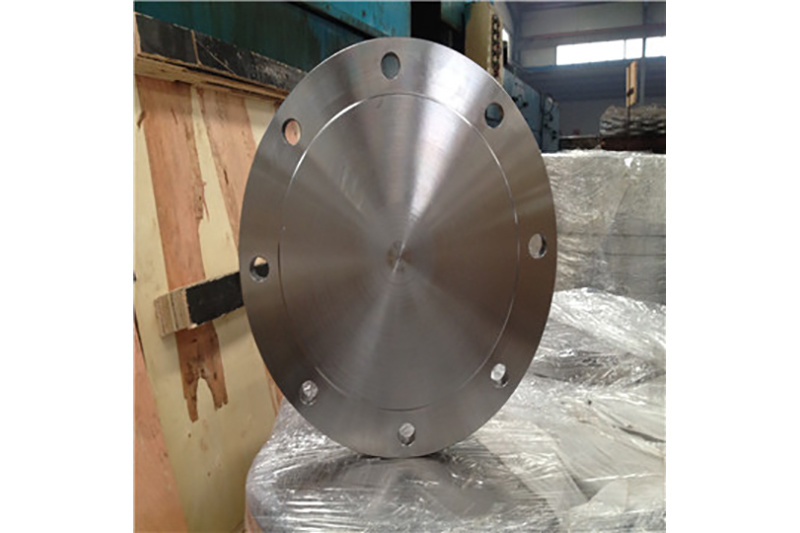
The Importance of Quality Control for Japanese Standard Flanges: Ensuring Durability and Reliability
The Importance of Quality Control for Japanese Standard Flanges In the construction and manufacturing sectors, the significance of quality control cannot be overstated, especially for components as crucial as flanges. Japanese standard flanges, known for their precision and durability, require stringent quality control measures to meet the demands of various applications. This article delves into
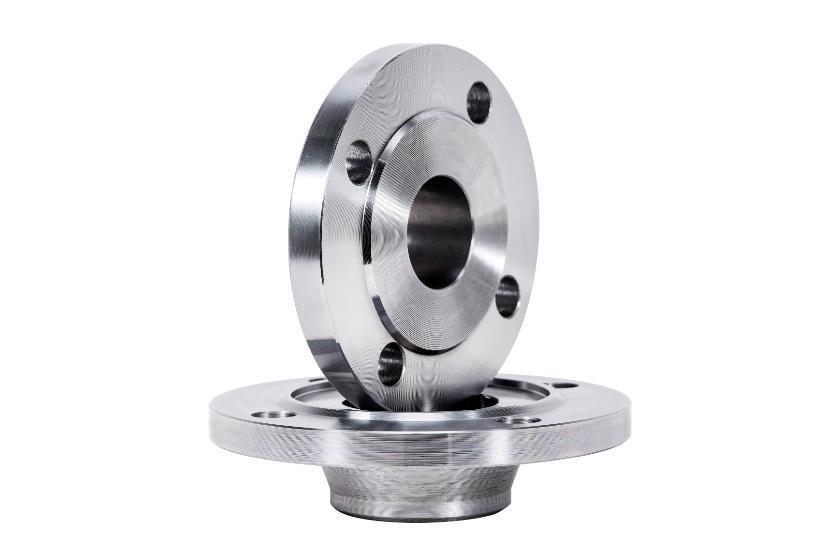
Understanding American Standard Flange in Construction and Decoration Materials
American standard flanges are critical components in the field of construction and decorative materials, particularly in piping systems. These flanges adhere to specific standards established by organizations such as the American National Standards Institute (ANSI) and the American Society of Mechanical Engineers (ASME). Their design and specifications are essential for ensuring compatibility and
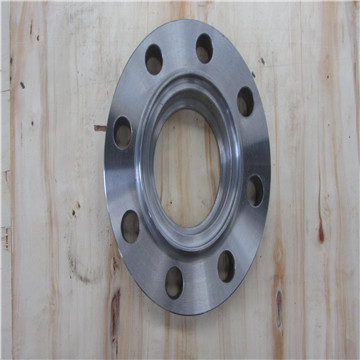
Exploring the Advantages of Using Threaded Flanges in HVAC Systems
Exploring the Advantages of Using Threaded Flanges in HVAC Systems Table of Contents 1. Introduction to Threaded Flanges in HVAC 2. Understanding Threaded Flanges 3. Benefits of Using Threaded Flanges in HVAC Systems 3.1 Superior Sealing Capability 3.2 Ease of Installation and Maintenance 3.3 Cost-Effectiveness 3.4 Versatility i

The Essential Guide to Flanged Connections in Building and Decorative Materials
Flanged connections are vital components in the construction and decorative materials sector, especially in the context of piping systems and fittings. Understanding their function, design, and application can significantly enhance the efficiency and reliability of installations. A flanged connection involves two flanges, which are flat pieces of material with holes for bolts. These flanges are bo
Shandong Xinhao Forging Co.,Ltd.
Tel:+86-15098858482
WeChat: 543983004
Email:xinhaoflange@gmail.com
Whatsapp:8615098858482
Website:www.xhflange.com

TikTok