

Understanding Flanged Connections: Essential Insights for Your Construction Projects
Release time:
2025-05-16
Flanged connections are vital components in various piping systems, especially in the construction and decorative materials sector. They play a critical role in ensuring the integrity and stability of piping connections, making them an essential consideration for engineers, architects, and builders alike. At its core, a flanged connection consists of two flat surfaces with matching holes, typicall
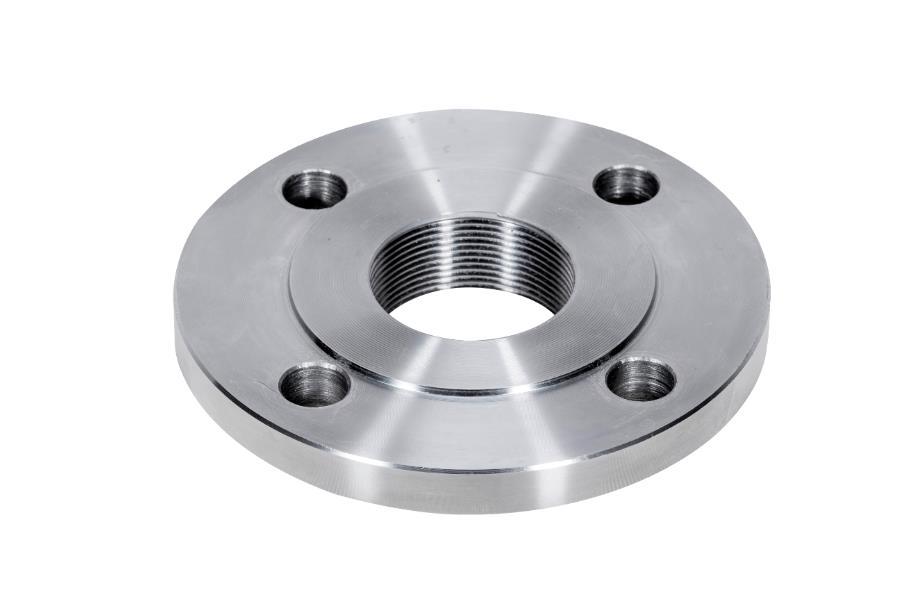
At its core, a flanged connection consists of two flat surfaces with matching holes, typically reinforced by bolts or screws. This design allows for a secure and leak-proof connection between pipes, fittings, and other components, ensuring that the system operates efficiently under various pressures and temperatures. Flanges can be made from a variety of materials, including metal, plastic, or composite materials, making them adaptable to different applications and environments.
One of the primary advantages of flanged connections is their ease of installation and maintenance. Unlike welded connections, which can be time-consuming and require specialized equipment, flanged connections can be assembled and disassembled quickly. This feature is particularly beneficial in situations where regular maintenance or modifications are necessary, as it allows for easy access to the piping system without extensive downtime.
Flanged connections are commonly used in a wide range of applications, including water supply systems, industrial processes, and HVAC systems. Their ability to withstand high pressure and temperature variations makes them suitable for both residential and commercial projects. Whether you're working on a complex industrial setup or a simple plumbing installation, flanged connections can provide the reliability and performance you need.
When considering flanged connections for your projects, it's essential to pay attention to the specifications and standards relevant to your particular application. Factors such as the type of fluid being transported, operating pressure, and environmental conditions can influence the choice of flange type and material. Additionally, ensuring proper alignment and tightening of the bolts is crucial to prevent leaks and maintain system performance.
In summary, understanding flanged connections is vital for anyone involved in the construction and decorative materials industry. Their advantages in terms of ease of use, maintenance, and adaptability to various applications make them a popular choice for piping systems. By considering the specific requirements of your project and selecting the appropriate flanged connections, you can enhance the reliability and efficiency of your installations. Embrace the power of flanged connections and ensure the success of your construction endeavors.
Latest developments
Understanding Non-Standard Flanges: Key Considerations for Your Projects
Non-standard flanges play a crucial role in various piping systems, offering flexibility and adaptability in construction projects. These flanges deviate from the standard dimensions and specifications set by organizations such as the American National Standards Institute (ANSI) or the International Organization for Standardization (ISO). Instead, non-standard flanges are custom-made to meet speci

How Japanese Standard Flanges Influence Construction Costs
How Japanese Standard Flanges Influence Construction Costs Understanding Japanese Standard Flanges Japanese standard flanges are critical components in piping systems used across various construction projects. They ensure the secure connection of pipes, valves, fittings, and other equipment. These flanges adhere to specific Japanese Industrial Standards (JIS), which dictate their dimensions, mat

--- In the realm of construction and decorative materials, American Standard flanges serve as fundamental components in piping systems. Flanges are essential for connecting pipes, valves, pumps, and other equipment, ensuring the integrity and reliability of plumbing and industrial systems. Understanding the specifications and applications of American Standard flanges can significantly enhance your
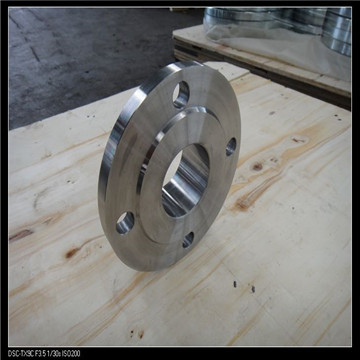
Threaded Flanges: Essential Components for Fire Protection Systems
Threaded Flanges: Essential Components for Fire Protection Systems Table of Contents 1. Introduction to Threaded Flanges 2. What Are Threaded Flanges? 3. Types of Threaded Flanges 3.1 Standard Threaded Flanges 3.2 Specialty Threaded Flanges 4. Applications of Threaded Flanges in Fire Protection Systems 4.1 Fire Sprinkl

Understanding Flanged Connections: Key Considerations for Construction and Decorative Materials
Flanged connections play a pivotal role in the construction and decorative materials industry, particularly when it comes to piping systems. These connections are used to join pipes, valves, pumps, and other equipment, allowing for easy assembly, disassembly, and maintenance. Understanding the intricacies of flanged connections is essential for professionals involved in design and installation pro
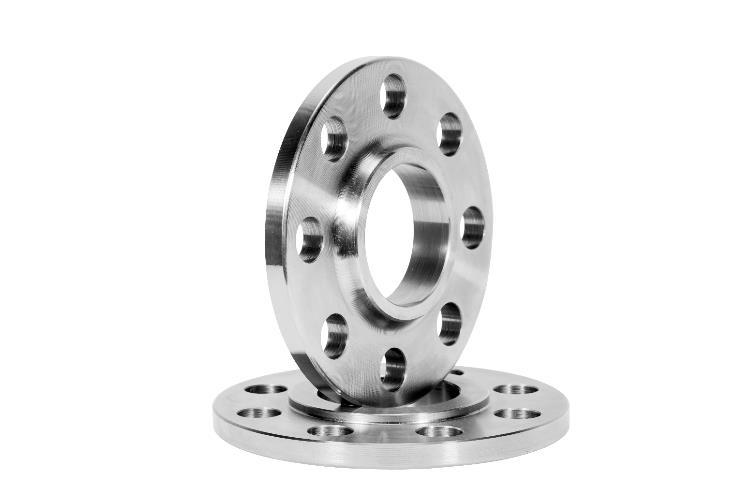
A Beginner's Comprehensive Guide to Understanding Sliding Flanges in Plumbing
A Beginner's Comprehensive Guide to Understanding Sliding Flanges in Plumbing Table of Contents What Are Sliding Flanges? The Importance of Sliding Flanges in Plumbing Systems Design and Structure of Sliding Flanges Types of Sliding Flanges Used in Plumbing Advantages of Using Sliding Flanges Installation Process for Sliding Flanges Maintenance Tips for Sliding Flanges Common Misc
Shandong Xinhao Forging Co.,Ltd.
Tel:+86-15098858482
WeChat: 543983004
Email:xinhaoflange@gmail.com
Whatsapp:8615098858482
Website:www.xhflange.com

TikTok