

The Essential Role of Flat Flanges in Modern Construction Techniques
Release time:
2025-05-23
The Essential Role of Flat Flanges in Modern Construction Techniques In the realm of **modern construction techniques**, flat flanges play an integral role that often goes unnoticed. These critical components contribute to the overall efficiency and safety of various construction projects. Understanding the significance of flat flanges can help engineers, architects, and contractors optimize their
The Essential Role of Flat Flanges in Modern Construction Techniques
In the realm of **modern construction techniques**, flat flanges play an integral role that often goes unnoticed. These critical components contribute to the overall efficiency and safety of various construction projects. Understanding the significance of flat flanges can help engineers, architects, and contractors optimize their designs and improve structural integrity.
Table of Contents
- Introduction to Flat Flanges
- What Are Flat Flanges?
- Types of Flat Flanges Used in Construction
- Benefits of Using Flat Flanges in Construction
- Applications of Flat Flanges in Various Industries
- Installation Techniques for Flat Flanges
- Maintenance and Inspection of Flat Flanges
- Future Trends in Flange Design and Construction
- Conclusion
- FAQs About Flat Flanges
Introduction to Flat Flanges
Flat flanges are mechanical components that connect two sections of piping or other construction materials. They provide a sturdy and leak-proof seal, ensuring that fluids and gases flow smoothly through systems. In today’s construction landscape, where efficiency and reliability are paramount, understanding the role of flat flanges is crucial for anyone involved in construction or engineering.
What Are Flat Flanges?
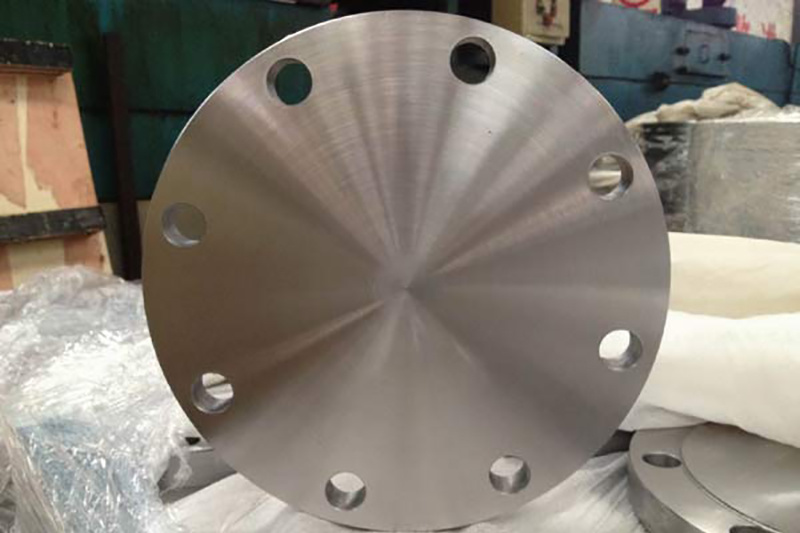
Flat flanges are circular plates with holes for fastening and aligning two parts together, typically pipes. They are usually made from materials such as **stainless steel**, **carbon steel**, or **PVC**, depending on the application requirements. The design typically includes a flat surface that provides even pressure distribution, making them ideal for high-stress environments.
Key Characteristics of Flat Flanges
1. **Material Composition:** The choice of materials greatly affects durability and corrosion resistance.
2. **Dimensions and Thickness:** Standardized sizes are available to fit a variety of piping systems.
3. **Bolt Patterns:** The arrangement of holes varies to accommodate different bolt configurations.
Types of Flat Flanges Used in Construction
Flat flanges come in various types, each designed for specific applications. Understanding these types helps in selecting the right flange for your needs.
1. Weld Neck Flanges
These flanges are welded to the pipe, providing excellent strength and stability. They are often used in high-pressure systems.
2. Slip-On Flanges
Designed to slip over the pipe end, these flanges are easy to install and are suitable for low-pressure applications.
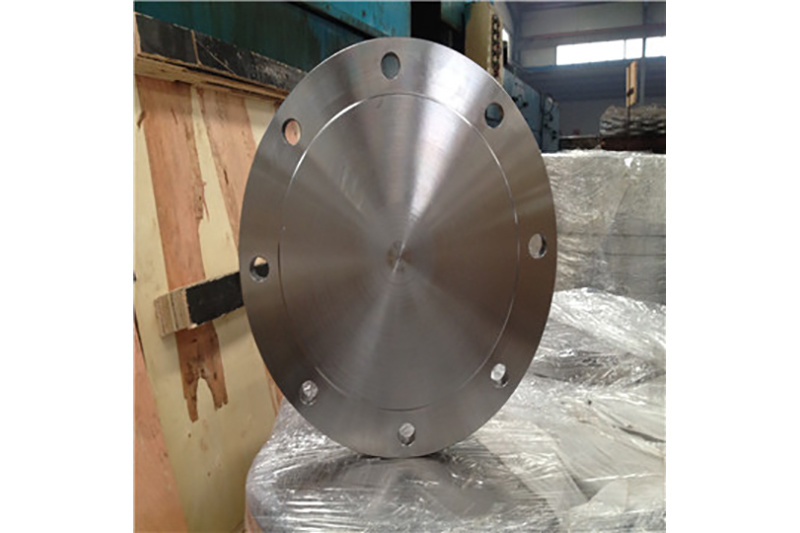
3. Blind Flanges
Used to seal the end of a piping system, blind flanges prevent flow and are essential for maintenance and inspection.
4. Socket Weld Flanges
These flanges are inserted into the pipe and welded, providing a strong connection and minimizing turbulence.
5. Threaded Flanges
These flanges have internal threads that allow them to screw onto the pipe, making them a good choice for low-pressure applications.
Benefits of Using Flat Flanges in Construction
Utilizing flat flanges in construction offers numerous advantages that enhance efficiency and safety.
1. Enhanced Structural Integrity
Flat flanges provide a strong connection between components, ensuring that structures can withstand various stresses and strains.
2. Cost-Effectiveness
Their simple design and ease of installation make flat flanges a cost-effective solution for many construction projects.
3. Versatility
Flat flanges can be used in a variety of applications, from plumbing systems to industrial machinery, making them highly versatile.
4. Reduced Maintenance
With proper installation and material selection, flat flanges require minimal maintenance, saving time and resources in the long run.
Applications of Flat Flanges in Various Industries
Flat flanges have a broad range of applications across different industries, showcasing their versatility and functionality.
1. Oil and Gas Industry
In the oil and gas sector, flat flanges are used to connect pipes and valves, ensuring the safe transport of hydrocarbons.
2. Water Treatment Plants
Flat flanges are essential in water treatment systems, where they connect various components while preventing leaks.
3. HVAC Systems
Heating, Ventilation, and Air Conditioning systems rely on flat flanges to connect ductwork, ensuring efficient airflow.
4. Chemical Processing
In chemical plants, flat flanges are vital for connecting pipes carrying corrosive substances, requiring materials that can withstand harsh conditions.
Installation Techniques for Flat Flanges
Proper installation of flat flanges is crucial to ensure their effectiveness. Here are some recommended techniques:
1. Surface Preparation
Clean the surfaces of the flanges and pipes to remove any debris or contaminants.
2. Alignment
Carefully align the flanges to ensure that the bolt holes match perfectly. Misalignment can lead to leaks.
3. Bolting
Use the appropriate bolts and nuts, tightening them evenly to maintain pressure distribution across the flange.
4. Testing for Leaks
Once installed, conduct a pressure test to ensure that the flanges are leak-proof.
Maintenance and Inspection of Flat Flanges
Regular maintenance and inspection are vital to prolong the lifespan of flat flanges and ensure their reliability.
1. Visual Inspections
Routine visual checks can help identify corrosion, wear, or misalignment early.
2. Torque Checks
Periodically check the torque on bolts to ensure they remain tight and secure.
3. Replacement of Worn Components
When signs of wear are detected, replacing flanges or sealing gaskets promptly can prevent further damage.
Future Trends in Flange Design and Construction
As technology progresses, the design and application of flat flanges are evolving.
1. Advanced Materials
Innovations in materials science are leading to the development of more durable and corrosion-resistant flanges.
2. Enhanced Manufacturing Techniques
Additive manufacturing and precision machining are paving the way for custom flange designs that meet specific project requirements.
3. Sustainability
The push for eco-friendly construction practices is influencing flange design, focusing on reducing waste and increasing recyclability.
Conclusion
In summary, **flat flanges** are vital components in modern construction techniques, providing essential connections that ensure structural integrity, enhance safety, and allow for efficient system designs. Their diverse applications across various industries underline their significance in today’s construction landscape. By understanding their benefits, types, installation techniques, and maintenance practices, professionals can leverage flat flanges to optimize project outcomes and ensure long-term reliability.
FAQs About Flat Flanges
1. What materials are flat flanges made from?
Flat flanges can be made from various materials, including stainless steel, carbon steel, and PVC, depending on the intended application.
2. How do I choose the right flat flange for my project?
Consider factors such as the type of material being transported, pressure requirements, and the environment in which the flange will be used.
3. Can flat flanges be reused?
Yes, flat flanges can often be reused, provided they are in good condition and free from damage or corrosion.
4. What is the difference between a slip-on flange and a weld neck flange?
Slip-on flanges are easier to install and suitable for low-pressure systems, while weld neck flanges provide better strength and are ideal for high-pressure applications.
5. How often should flat flanges be inspected?
It is advisable to inspect flat flanges regularly, especially in high-stress environments or critical systems, to ensure their integrity and functionality.
Latest developments
Quality Standards in the Forging of Stainless Steel Products: Ensuring Excellence in Metallurgy
Quality Standards in the Forging of Stainless Steel Products Table of Contents Introduction to Stainless Steel Forging The Importance of Quality Standards in Forging Types of Stainless Steel Used in Forging Common Forging Processes in Stainless Steel Manufacturing Quality Assurance Methodologies in Stainless Steel Forging Testing and Certification of Stainless Steel Products Global
Understanding Non-Standard Flanges: A Key Component in Architectural Applications
Non-standard flanges are specialized components that deviate from conventional sizing and design specifications. Unlike standard flanges, which adhere to established dimensions and pressure ratings, non-standard flanges are custom-made to meet unique project requirements. These flanges are crucial in various architectural and construction applications, particularly when dealing with unconventional
The Importance of Quality Control for Japanese Standard Flanges: Ensuring Durability and Reliability
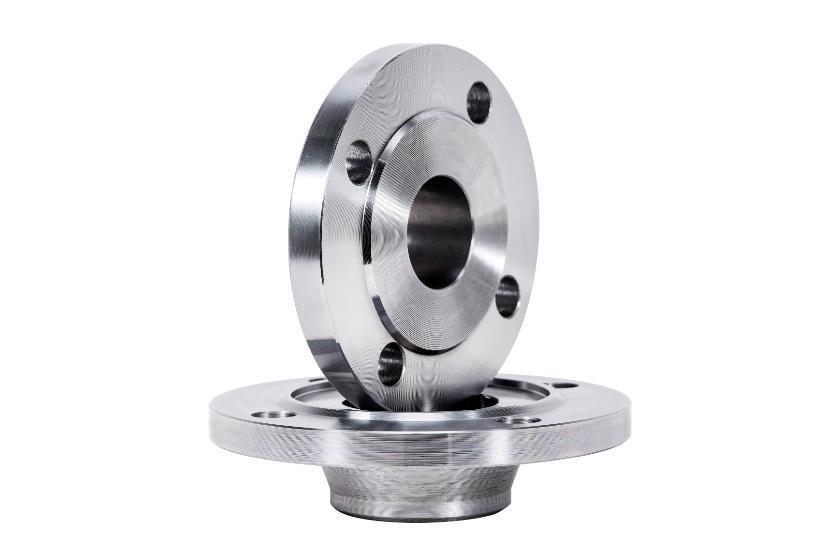
The Importance of Quality Control for Japanese Standard Flanges In the construction and manufacturing sectors, the significance of quality control cannot be overstated, especially for components as crucial as flanges. Japanese standard flanges, known for their precision and durability, require stringent quality control measures to meet the demands of various applications. This article delves into
Understanding American Standard Flange in Construction and Decoration Materials
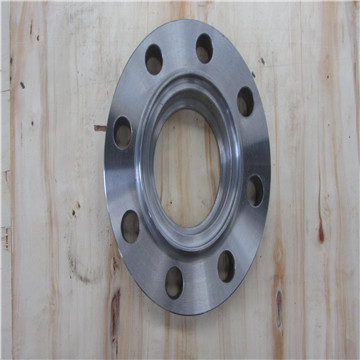
American standard flanges are critical components in the field of construction and decorative materials, particularly in piping systems. These flanges adhere to specific standards established by organizations such as the American National Standards Institute (ANSI) and the American Society of Mechanical Engineers (ASME). Their design and specifications are essential for ensuring compatibility and
Exploring the Advantages of Using Threaded Flanges in HVAC Systems
Exploring the Advantages of Using Threaded Flanges in HVAC Systems Table of Contents 1. Introduction to Threaded Flanges in HVAC 2. Understanding Threaded Flanges 3. Benefits of Using Threaded Flanges in HVAC Systems 3.1 Superior Sealing Capability 3.2 Ease of Installation and Maintenance 3.3 Cost-Effectiveness 3.4 Versatility i

The Essential Guide to Flanged Connections in Building and Decorative Materials
Flanged connections are vital components in the construction and decorative materials sector, especially in the context of piping systems and fittings. Understanding their function, design, and application can significantly enhance the efficiency and reliability of installations. A flanged connection involves two flanges, which are flat pieces of material with holes for bolts. These flanges are bo
Shandong Xinhao Forging Co.,Ltd.
Tel:+86-15098858482
WeChat: 543983004
Email:xinhaoflange@gmail.com
Whatsapp:8615098858482
Website:www.xhflange.com

TikTok