

The Integral Role of Sliding Flanges in Optimizing Water Management Systems
Release time:
2025-05-25
The Integral Role of Sliding Flanges in Optimizing Water Management Systems In modern water management systems, the efficiency of fluid transport is paramount. Sliding flanges play a critical role in ensuring the smooth operation of these systems, facilitating connections while accommodating movement and thermal expansion. In this article, we will explore the mechanics, benefits, applications, and

The Integral Role of Sliding Flanges in Optimizing Water Management Systems
In modern water management systems, the efficiency of fluid transport is paramount. Sliding flanges play a critical role in ensuring the smooth operation of these systems, facilitating connections while accommodating movement and thermal expansion. In this article, we will explore the mechanics, benefits, applications, and best practices associated with sliding flanges, shedding light on their significance in water management and construction industries.
Table of Contents
- 1. Introduction to Sliding Flanges
- 2. The Mechanics of Sliding Flanges
- 3. Benefits of Using Sliding Flanges
- 4. Applications of Sliding Flanges in Water Management
- 5. Installation Practices for Sliding Flanges
- 6. Maintenance Tips for Sliding Flanges
- 7. Common Issues and Troubleshooting
- 8. Future Trends in Flange Technology
- 9. Frequently Asked Questions (FAQs)
- 10. Conclusion
1. Introduction to Sliding Flanges
Sliding flanges, often overlooked in the larger scope of water management systems, are vital components that facilitate the secure connection of pipes and fittings. Their unique design allows for movement, making them particularly effective in systems where temperature fluctuations can lead to expansion and contraction. Understanding the functionality and importance of sliding flanges is crucial for engineers and contractors involved in the design and maintenance of water management systems.
2. The Mechanics of Sliding Flanges
Sliding flanges consist of two primary components: the flange itself and a sliding mechanism that allows for axial movement. This design accommodates changes in length due to thermal expansion or contraction, enabling systems to operate efficiently without the risk of ruptures or leaks.
2.1 Design Features
The design of sliding flanges typically includes a smooth surface and a robust material that can withstand the pressures and chemical exposures commonly found in water management applications. The sliding mechanism may involve a groove, which guides the flange's movement, ensuring stability while allowing for flexibility.
2.2 Functionality
The primary function of sliding flanges is to ensure leak-proof connections while permitting pipe movement. This is particularly important in long pipelines where temperature variations can cause significant expansion. By facilitating movement, sliding flanges help maintain system integrity over time.
3. Benefits of Using Sliding Flanges
Incorporating sliding flanges into water management systems offers several advantages that enhance system performance and longevity. Below are some notable benefits:
3.1 Flexibility
Sliding flanges allow for axial movement, making them ideal for applications where thermal expansion is a concern. This flexibility reduces stress on connections, minimizing the risk of damage.
3.2 Reduced Maintenance Costs
By preventing leaks and minimizing wear on pipe joints, sliding flanges can significantly reduce the frequency and costs associated with maintenance. This, in turn, leads to longer service life for the entire water management system.
3.3 Enhanced Safety
In high-pressure systems, the risk of catastrophic failures is a constant concern. Sliding flanges help mitigate this risk by accommodating movement and thereby reducing the potential for leaks and ruptures, enhancing overall safety.
4. Applications of Sliding Flanges in Water Management
Sliding flanges find a wide range of applications across various sectors involved in water management. Their versatility and reliability make them suitable for numerous environments:
4.1 Municipal Water Supply Systems
In municipal water supply systems, sliding flanges are used to connect different sections of piping while allowing for movement caused by temperature changes or ground settling. This ensures a continuous and efficient flow of water, critical for public health and safety.
4.2 Industrial Water Systems
Industries that utilize large volumes of water, such as manufacturing and cooling processes, often employ sliding flanges in their piping systems. The ability to accommodate movement helps maintain system efficiency and prevents costly downtime.
4.3 Irrigation Systems
In agricultural applications, sliding flanges are crucial for connecting irrigation pipes. They help adapt to the varying lengths caused by soil settling and other environmental factors, ensuring consistent and reliable water delivery to crops.
5. Installation Practices for Sliding Flanges
Proper installation of sliding flanges is vital to their performance and longevity. Here are essential practices to consider:
5.1 Preparing the Site
Before installation, it is crucial to assess the site for proper alignment and support. Ensure that the pipe ends are clean and free of debris to facilitate a secure connection.
5.2 Aligning the Flanges
Correct alignment of the flanges is critical for effective operation. Misalignment can lead to increased wear and can compromise the seal, leading to leaks. Use appropriate tools to ensure the flanges are parallel and aligned correctly.
5.3 Securing the Connection
Once aligned, secure the sliding flanges using bolts and nuts. It is important to follow the manufacturer's specifications regarding torque settings to prevent over-tightening, which can damage the flange or pipe.
6. Maintenance Tips for Sliding Flanges
Regular maintenance is essential for the longevity and efficiency of sliding flanges. Below are some tips to keep in mind:
6.1 Regular Inspections
Conduct periodic inspections to check for signs of wear, corrosion, or leaks. Early detection can prevent more significant issues down the line.
6.2 Lubrication
Ensure that the sliding mechanism is adequately lubricated to facilitate smooth movement. Regular lubrication helps to minimize friction and wear on the flange.
6.3 Replacing Worn Components
If any component of the sliding flange shows signs of significant wear, it is advisable to replace it promptly. This proactive approach can extend the lifespan of the entire water management system.
7. Common Issues and Troubleshooting
While sliding flanges are designed for durability, some common issues can arise:
7.1 Leaks
Leaks are often the result of improper installation or wear over time. If leaks are detected, check for misalignment, and ensure that bolts are properly tightened. Replacing gaskets or seals may also be necessary.
7.2 Excessive Movement
Excessive movement can cause stress on the pipes and flanges. This issue may arise from inadequate support or incorrect flange specifications. Ensure proper supports are in place to minimize movement.
8. Future Trends in Flange Technology
The future of sliding flanges is likely to be shaped by advancements in materials and design:
8.1 Smart Flange Technology
Emerging technologies are leading to the development of smart flanges equipped with sensors. These sensors can monitor pressure, temperature, and even detect leaks, alerting operators before significant issues arise.
8.2 Sustainable Materials
As industries focus on sustainability, the use of eco-friendly materials in flange manufacturing is gaining traction. This shift not only reduces environmental impact but also enhances the durability of the flanges.
9. Frequently Asked Questions (FAQs)
9.1 What are sliding flanges used for?
Sliding flanges are primarily used in piping systems to connect pipes while allowing for axial movement due to temperature changes or ground settling.
9.2 How do sliding flanges differ from traditional flanges?
Unlike traditional flanges, which are rigid and do not allow for movement, sliding flanges are designed to accommodate axial movement, providing flexibility in piping systems.
9.3 What materials are commonly used for sliding flanges?
Sliding flanges are typically made from materials such as stainless steel, carbon steel, and PVC, depending on the application and environmental conditions.
9.4 How often should sliding flanges be inspected?
It is advisable to inspect sliding flanges at least annually or more frequently in high-stress applications to ensure optimal performance and prevent leaks.
9.5 Can sliding flanges be reused?
Sliding flanges can often be reused if they show no signs of damage or significant wear. However, it is crucial to inspect and replace gaskets or seals as needed.
10. Conclusion
Sliding flanges play a crucial role in enhancing the efficiency and reliability of water management systems. Their unique design accommodates movement, making them indispensable in applications where temperature fluctuations and ground settling are concerns. By understanding the mechanics, benefits, and installation practices associated with sliding flanges, industry professionals can optimize their water management systems for greater performance and longevity. As technology continues to evolve, staying informed about advancements in flange design and materials will ensure that these systems remain both efficient and sustainable. Investing in quality sliding flanges is not just a choice; it's a commitment to effective water management.
Latest developments
Quality Standards in the Forging of Stainless Steel Products: Ensuring Excellence in Metallurgy
Quality Standards in the Forging of Stainless Steel Products Table of Contents Introduction to Stainless Steel Forging The Importance of Quality Standards in Forging Types of Stainless Steel Used in Forging Common Forging Processes in Stainless Steel Manufacturing Quality Assurance Methodologies in Stainless Steel Forging Testing and Certification of Stainless Steel Products Global
Understanding Non-Standard Flanges: A Key Component in Architectural Applications
Non-standard flanges are specialized components that deviate from conventional sizing and design specifications. Unlike standard flanges, which adhere to established dimensions and pressure ratings, non-standard flanges are custom-made to meet unique project requirements. These flanges are crucial in various architectural and construction applications, particularly when dealing with unconventional
The Importance of Quality Control for Japanese Standard Flanges: Ensuring Durability and Reliability
The Importance of Quality Control for Japanese Standard Flanges In the construction and manufacturing sectors, the significance of quality control cannot be overstated, especially for components as crucial as flanges. Japanese standard flanges, known for their precision and durability, require stringent quality control measures to meet the demands of various applications. This article delves into
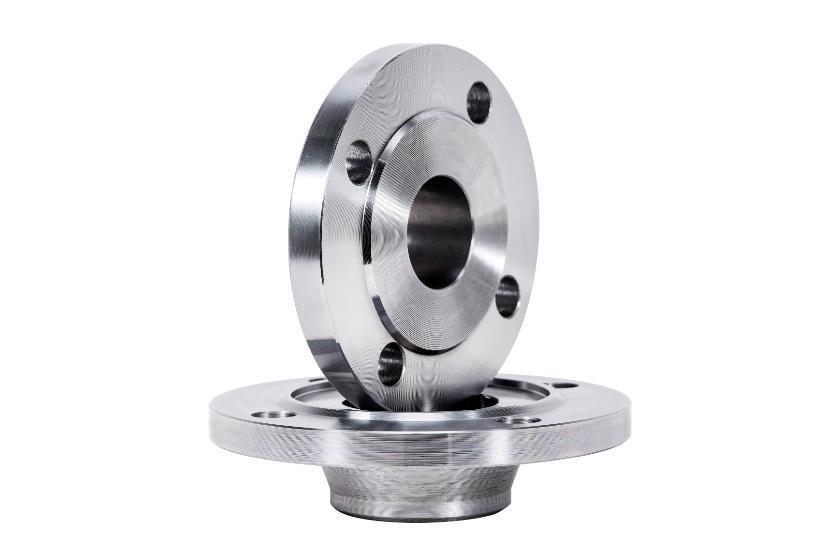
Understanding American Standard Flange in Construction and Decoration Materials
American standard flanges are critical components in the field of construction and decorative materials, particularly in piping systems. These flanges adhere to specific standards established by organizations such as the American National Standards Institute (ANSI) and the American Society of Mechanical Engineers (ASME). Their design and specifications are essential for ensuring compatibility and
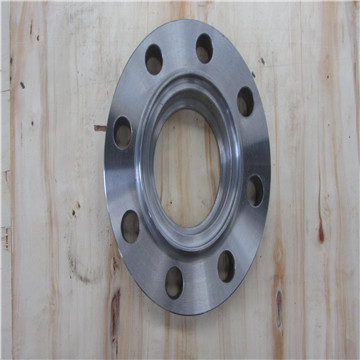
Exploring the Advantages of Using Threaded Flanges in HVAC Systems
Exploring the Advantages of Using Threaded Flanges in HVAC Systems Table of Contents 1. Introduction to Threaded Flanges in HVAC 2. Understanding Threaded Flanges 3. Benefits of Using Threaded Flanges in HVAC Systems 3.1 Superior Sealing Capability 3.2 Ease of Installation and Maintenance 3.3 Cost-Effectiveness 3.4 Versatility i

The Essential Guide to Flanged Connections in Building and Decorative Materials
Flanged connections are vital components in the construction and decorative materials sector, especially in the context of piping systems and fittings. Understanding their function, design, and application can significantly enhance the efficiency and reliability of installations. A flanged connection involves two flanges, which are flat pieces of material with holes for bolts. These flanges are bo
Shandong Xinhao Forging Co.,Ltd.
Tel:+86-15098858482
WeChat: 543983004
Email:xinhaoflange@gmail.com
Whatsapp:8615098858482
Website:www.xhflange.com

TikTok