

Exploring the Versatile Applications of Forged Stainless Steel Across Industries
Release time:
2025-05-31
Common Applications of Forged Stainless Steel in Various Industries Table of Contents 1. Introduction to Forged Stainless Steel 2. What is Forged Stainless Steel? 3. The Manufacturing Process of Forged Stainless Steel 4. Benefits of Using Forged Stainless Steel 5. Applications of Forged Stainless Steel in Construction 6. Applications of Forged Stainless Steel in the Automotive Industry 7. Applica
Common Applications of Forged Stainless Steel in Various Industries
Table of Contents
- 1. Introduction to Forged Stainless Steel
- 2. What is Forged Stainless Steel?
- 3. The Manufacturing Process of Forged Stainless Steel
- 4. Benefits of Using Forged Stainless Steel
- 5. Applications of Forged Stainless Steel in Construction
- 6. Applications of Forged Stainless Steel in the Automotive Industry
- 7. Applications of Forged Stainless Steel in the Energy Sector
- 8. Applications of Forged Stainless Steel in Aerospace
- 9. Future Trends in Forged Stainless Steel Applications
- 10. Conclusion
- 11. Frequently Asked Questions
1. Introduction to Forged Stainless Steel
Forged stainless steel presents a unique blend of strength, durability, and aesthetic appeal, making it a favored choice in multiple industries. This article explores the common applications of forged stainless steel, shedding light on its versatility and the reasons behind its widespread use.
2. What is Forged Stainless Steel?
Forged stainless steel is created through a process that involves shaping the steel using localized compressive forces. This technique enhances the material's structure, resulting in improved mechanical properties. The combination of high corrosion resistance and strength makes forged stainless steel suitable for various demanding environments.
Understanding the Composition of Forged Stainless Steel
The composition of forged stainless steel typically includes iron, chromium, nickel, and other alloying elements. The presence of chromium, which constitutes at least 10.5% of the composition, is what grants stainless steel its rust-resistant properties. In forged variants, the metallurgical structure is refined, enhancing its resilience and fatigue strength, which are critical for applications in harsh environments.
3. The Manufacturing Process of Forged Stainless Steel
The manufacturing of forged stainless steel involves several key processes:
Heating and Forming
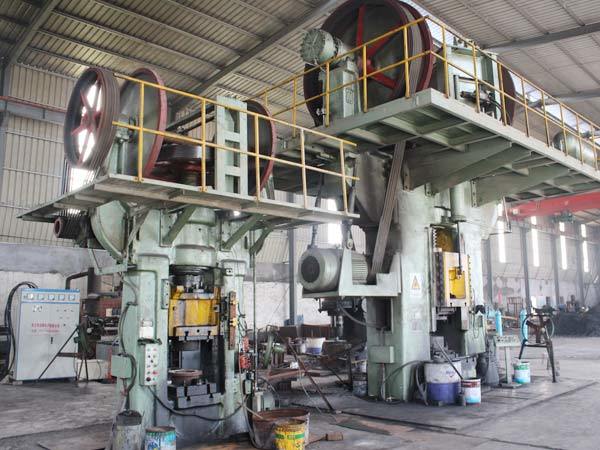
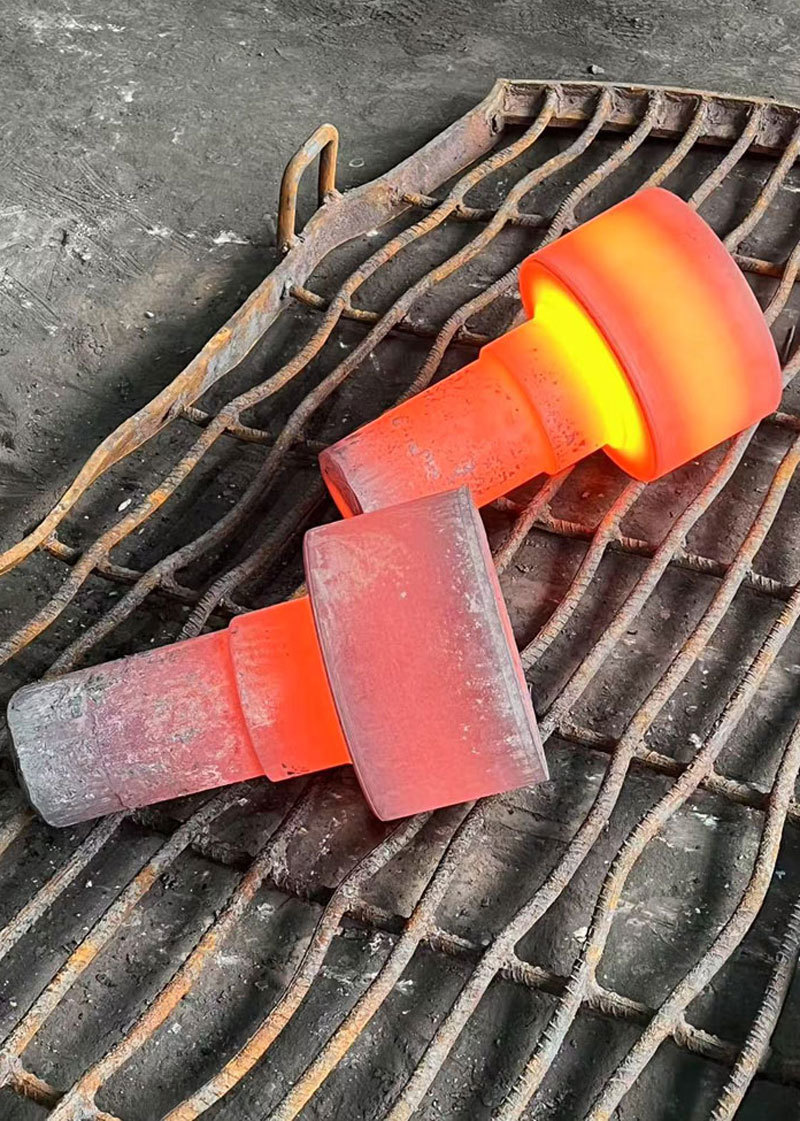
The raw stainless steel is heated to a temperature that makes it malleable. A forging press or hammer is then used to shape the material, ensuring uniformity and consistency throughout the workpiece.
Cooling and Treatment
After shaping, the forged steel is allowed to cool, and sometimes undergoes heat treatment to further enhance its mechanical properties. Techniques such as annealing or quenching are commonly employed.
Finishing Processes
The final stage involves surface finishing processes, such as polishing or machining, to achieve the desired surface quality and dimensions. These finishing touches not only improve aesthetics but also enhance the functional properties of the steel.
4. Benefits of Using Forged Stainless Steel
Forged stainless steel offers several advantages that make it a preferred material in many applications:
Enhanced Strength and Durability
The forging process results in a denser microstructure, providing enhanced strength and durability compared to cast or machined counterparts.
Resistance to Corrosion
Forged stainless steel exhibits excellent resistance to rust, pitting, and oxidation, making it ideal for environments exposed to moisture and chemicals.
Versatility in Design
The ability to forge stainless steel into complex shapes allows for innovative design possibilities across various industries.
Reduced Risk of Fracture
Due to the refined grain structure, forged stainless steel has a lower likelihood of fracture under stress, contributing to safer applications in critical systems.
5. Applications of Forged Stainless Steel in Construction
In the construction industry, forged stainless steel is widely used for:
Structural Components
Forged stainless steel is utilized in beams, columns, and supports due to its high strength-to-weight ratio. Its durability ensures long-lasting structural integrity, even in challenging environments.
Fasteners and Hardware
Bolts, nuts, and other fasteners made from forged stainless steel provide reliable connections in various constructions, from residential buildings to skyscrapers.
Architectural Elements
Decorative elements like railings, brackets, and fixtures benefit from the aesthetic appeal of forged stainless steel, making it a popular choice for both functional and decorative purposes.
6. Applications of Forged Stainless Steel in the Automotive Industry
The automotive sector relies heavily on forged stainless steel for:
Engine Components
Components such as crankshafts, connecting rods, and camshafts made from forged stainless steel contribute to the overall performance and longevity of vehicles.
Chassis and Suspension Parts
The strength and lightweight nature of forged stainless steel make it an ideal choice for chassis and suspension components, enhancing vehicle handling and safety.
Exhaust Systems
Forged stainless steel is favored for exhaust systems due to its resistance to high temperatures and corrosive environments, ensuring durability and efficiency.
7. Applications of Forged Stainless Steel in the Energy Sector
In the energy sector, forged stainless steel is essential for:
Oil and Gas Exploration
Components like valves, flanges, and pipelines made from forged stainless steel withstand extreme pressures and corrosive substances encountered during oil and gas extraction.
Renewable Energy Systems
Forged stainless steel plays a crucial role in wind turbines, solar panel supports, and other renewable energy systems, providing strength and corrosion resistance in various environmental conditions.
8. Applications of Forged Stainless Steel in Aerospace
The aerospace industry benefits from forged stainless steel in applications such as:
Aircraft Components
Structural components in aircraft, including landing gear and engine parts, leverage the high strength-to-weight ratio of forged stainless steel, ensuring safety and performance.
Spacecraft Parts
Forged stainless steel is used in spacecraft for critical components that must endure extreme temperatures and pressures, ensuring mission success.
9. Future Trends in Forged Stainless Steel Applications
As industries evolve, so do the applications of forged stainless steel. Trends include:
Increased Use in Sustainable Technologies
With a growing emphasis on sustainability, forged stainless steel is increasingly being utilized in eco-friendly technologies, such as green construction and energy-efficient appliances.
Advancements in Manufacturing Techniques
Innovations in forging technology, including 3D printing and automation, are set to revolutionize the production of forged stainless steel, increasing efficiency and reducing costs.
10. Conclusion
The applications of forged stainless steel across various industries highlight its unparalleled versatility, strength, and aesthetic appeal. From construction to aerospace, this material continues to play a critical role in the development of advanced technologies and sustainable solutions. As industries move forward, forged stainless steel will undoubtedly remain a material of choice, adapting to meet the challenges of the future.
11. Frequently Asked Questions
What is the difference between forged and cast stainless steel?
Forged stainless steel undergoes a process of shaping under high pressure, resulting in improved strength and grain structure, whereas cast stainless steel is poured into molds and may have less uniformity.
Why is forged stainless steel preferred in the automotive industry?
Its high strength-to-weight ratio, resistance to vibration and fatigue, and corrosion resistance make it ideal for critical automotive components.
Can forged stainless steel be used in high-temperature applications?
Yes, forged stainless steel exhibits excellent performance in high-temperature environments, making it suitable for applications like exhaust systems and gas turbines.
What are the main benefits of using forged stainless steel in construction?
The primary benefits include enhanced structural integrity, corrosion resistance, and versatility in design for various architectural applications.
How does the forging process enhance the properties of stainless steel?
The forging process refines the grain structure, resulting in improved strength, toughness, and resistance to fatigue and fracture compared to other manufacturing methods.
Latest developments
Quality Standards in the Forging of Stainless Steel Products: Ensuring Excellence in Metallurgy
Quality Standards in the Forging of Stainless Steel Products Table of Contents Introduction to Stainless Steel Forging The Importance of Quality Standards in Forging Types of Stainless Steel Used in Forging Common Forging Processes in Stainless Steel Manufacturing Quality Assurance Methodologies in Stainless Steel Forging Testing and Certification of Stainless Steel Products Global
Understanding Non-Standard Flanges: A Key Component in Architectural Applications
Non-standard flanges are specialized components that deviate from conventional sizing and design specifications. Unlike standard flanges, which adhere to established dimensions and pressure ratings, non-standard flanges are custom-made to meet unique project requirements. These flanges are crucial in various architectural and construction applications, particularly when dealing with unconventional
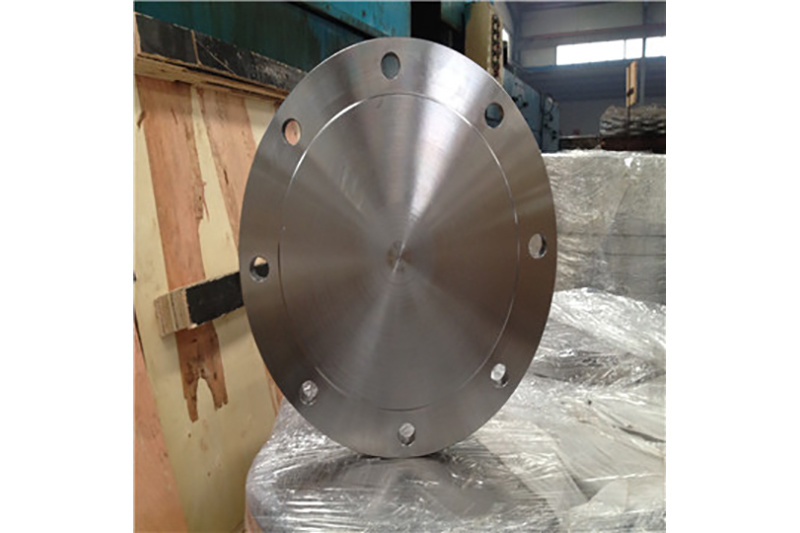
The Importance of Quality Control for Japanese Standard Flanges: Ensuring Durability and Reliability
The Importance of Quality Control for Japanese Standard Flanges In the construction and manufacturing sectors, the significance of quality control cannot be overstated, especially for components as crucial as flanges. Japanese standard flanges, known for their precision and durability, require stringent quality control measures to meet the demands of various applications. This article delves into
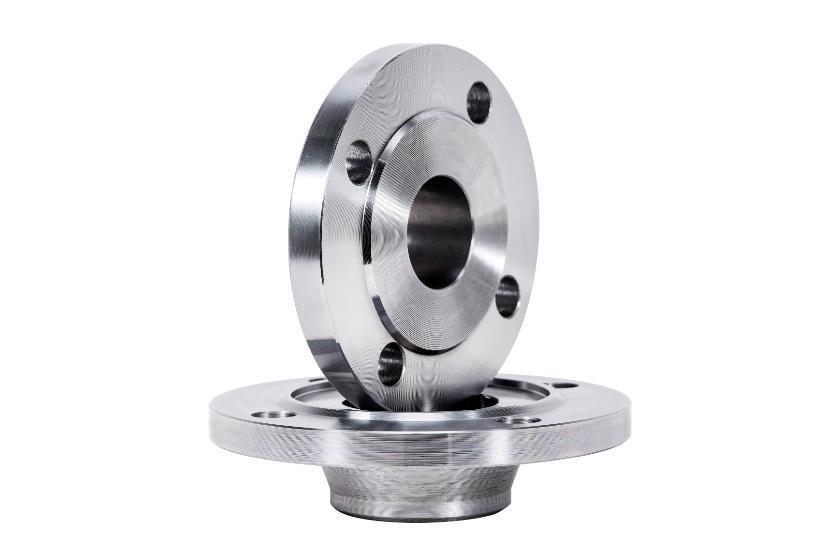
Understanding American Standard Flange in Construction and Decoration Materials
American standard flanges are critical components in the field of construction and decorative materials, particularly in piping systems. These flanges adhere to specific standards established by organizations such as the American National Standards Institute (ANSI) and the American Society of Mechanical Engineers (ASME). Their design and specifications are essential for ensuring compatibility and
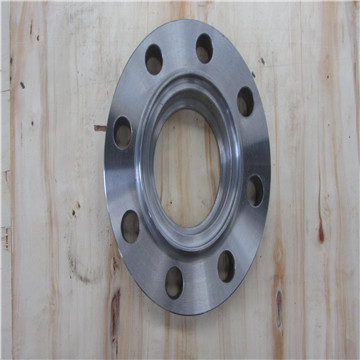
Exploring the Advantages of Using Threaded Flanges in HVAC Systems
Exploring the Advantages of Using Threaded Flanges in HVAC Systems Table of Contents 1. Introduction to Threaded Flanges in HVAC 2. Understanding Threaded Flanges 3. Benefits of Using Threaded Flanges in HVAC Systems 3.1 Superior Sealing Capability 3.2 Ease of Installation and Maintenance 3.3 Cost-Effectiveness 3.4 Versatility i

The Essential Guide to Flanged Connections in Building and Decorative Materials
Flanged connections are vital components in the construction and decorative materials sector, especially in the context of piping systems and fittings. Understanding their function, design, and application can significantly enhance the efficiency and reliability of installations. A flanged connection involves two flanges, which are flat pieces of material with holes for bolts. These flanges are bo
Shandong Xinhao Forging Co.,Ltd.
Tel:+86-15098858482
WeChat: 543983004
Email:xinhaoflange@gmail.com
Whatsapp:8615098858482
Website:www.xhflange.com

TikTok