

Flat Flange Installation: Essential Tips for a Successful Project
Release time:
2025-06-02
Flat Flange Installation: Essential Tips for a Successful Project Understanding Flat Flanges: What You Need to Know Flat flanges serve as critical components in various piping systems, allowing for a secure and leak-proof connection between pipes or equipment. These flanges are typically flat, providing a surface to which bolts can be attached, creating a tight seal when bolted together. The use o
Flat Flange Installation: Essential Tips for a Successful Project
Understanding Flat Flanges: What You Need to Know
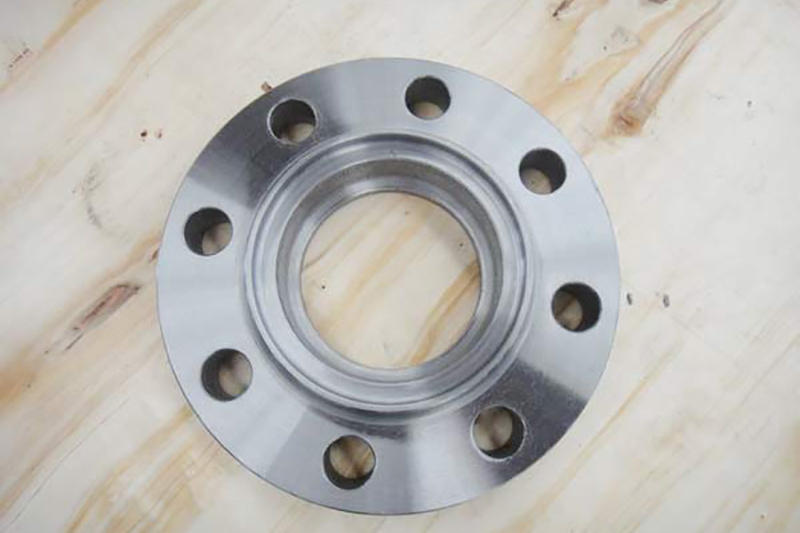
Flat flanges serve as critical components in various piping systems, allowing for a secure and leak-proof connection between pipes or equipment. These flanges are typically flat, providing a surface to which bolts can be attached, creating a tight seal when bolted together. The use of flat flanges is common in industries ranging from oil and gas to construction and plumbing.
Types of Flat Flanges
When embarking on a flat flange installation project, it's crucial to understand the different types of flanges available:
- **Slip-on Flanges:** These are easy to install and fit over the pipe. They are often used in low-pressure applications.
- **Weld Neck Flanges:** Suitable for high-pressure systems, they offer a stronger connection due to their tapered neck.
- **Blind Flanges:** Used to seal the end of a piping system or as a means to create access points.
Each type has its unique advantages and applications, and the choice will impact the success of your installation.
The Importance of Proper Material Selection
Selecting the right material for your flat flanges is essential. Flanges are available in various materials including stainless steel, carbon steel, and plastic. Your choice should depend on factors such as:
- **Corrosion Resistance:** In environments prone to moisture, stainless steel may be the best option.
- **Pressure Ratings:** Ensure that the flange material can withstand the pressure of the system.
- **Temperature Tolerance:** Consider the operating temperatures to avoid material failure.
Recommended Materials for Different Applications
- **Stainless Steel:** Ideal for chemical processing and food industries due to its corrosion resistance.
- **Carbon Steel:** Commonly used in oil and gas applications for its strength.
- **PVC Flanges:** Suitable for low-pressure plumbing systems and non-corrosive environments.
Preparation: The Key to a Successful Flat Flange Installation
Before diving into the installation process, thorough preparation is vital. This involves checking the surface condition of both the flange and the mating surfaces of the pipes. Any debris, rust, or old sealant should be removed to ensure a proper seal.
Tools and Equipment Needed
Gather the following tools and equipment to ensure a smooth installation process:
- **Torque Wrench:** Ensures that bolts are tightened to the correct specifications.
- **Flange Alignment Tools:** Helps to achieve proper alignment between flanges.
- **Gasket Material:** Choose an appropriate gasket material based on the application.
Step-by-Step Guide to Flat Flange Installation
Now that you are prepared, follow this step-by-step guide for a successful flat flange installation.
Step 1: Align the Flanges
Proper alignment is crucial for a successful installation. Ensure that the flanges are aligned correctly, with the bolt holes matching up. Misalignment can lead to leaks and structural failure.
Step 2: Insert the Gasket
Place the gasket between the flanges. The gasket material should be chosen based on the specific application and pressure requirements. Ensure that the gasket fits snugly and is positioned correctly.
Step 3: Insert the Bolts
Insert bolts into the aligned holes, ensuring they pass through both flanges and the gasket. It’s advisable to use bolts that are the same material as the flange to prevent galvanic corrosion.
Step 4: Tighten the Bolts
Using a torque wrench, tighten the bolts in a crisscross pattern. This ensures even distribution of pressure and prevents warping of the flanges. Follow the manufacturer's torque specifications to avoid over-tightening, which can cause damage.
Step 5: Conduct a Leak Test
After installation, conduct a leak test to ensure a secure seal. Pressurize the system and monitor for any signs of leaks. This step is essential, especially in high-pressure applications.
Troubleshooting Common Flat Flange Installation Issues
Even with careful preparation and execution, issues may arise during installation. Here are some common problems and their solutions:
Problem 1: Leaks at the Flange Joint
Leaks can occur if the flange surfaces are not clean or the gasket is improperly fitted. Ensure that both surfaces are smooth, clean, and free from damage.
Problem 2: Misalignment of Flanges
If flanges are misaligned, it can lead to uneven stress and possible failure. Use flange alignment tools to rectify any misalignment before tightening bolts.
Problem 3: Over-Tightening the Bolts
Over-tightening can warp the flange or damage the gasket. Always adhere to the recommended torque specifications and use a torque wrench to avoid this issue.
Best Practices for Flat Flange Installation
To ensure that your flat flange installation is successful, consider the following best practices:
- **Use High-Quality Materials:** Investing in high-quality flanges and gaskets will result in a more durable installation.
- **Follow Manufacturer Guidelines:** Always adhere to the specific guidelines provided by the flange manufacturer for installation and maintenance.
- **Regular Maintenance Checks:** Periodically inspect flanges for any signs of wear or leakage. Regular maintenance extends the life of the piping system.
Frequently Asked Questions (FAQs)
What is the purpose of a flat flange?
Flat flanges connect pipes or equipment securely, providing a leak-proof seal for a variety of applications.
How do I choose the right gasket for my flat flange?
Selecting a gasket depends on the application's pressure, temperature, and chemical exposure—consult manufacturer specifications for guidance.
Can I reuse flat flanges once they have been installed?
While it is possible to reuse flanges, it is recommended to replace them if they show signs of wear or damage to ensure a proper seal.
What tools do I need for flat flange installation?
Essential tools include a torque wrench, flange alignment tools, gasket material, and standard hand tools for installation.
How often should I check my flat flange connections?
Regular inspections are advisable, particularly in high-pressure systems. Conduct checks every few months or after significant operational changes.
Conclusion
In conclusion, successful flat flange installation requires careful planning, the right materials, and adherence to best practices. By understanding the types of flanges, preparing adequately, and following a systematic installation process, you can achieve a reliable and durable connection in your piping systems. Remember to maintain and periodically inspect your installations to ensure ongoing performance and safety. Whether you are working on a small plumbing project or a large industrial application, applying these tips will help you achieve success in your flat flange installation endeavors.
Latest developments
Quality Standards in the Forging of Stainless Steel Products: Ensuring Excellence in Metallurgy
Quality Standards in the Forging of Stainless Steel Products Table of Contents Introduction to Stainless Steel Forging The Importance of Quality Standards in Forging Types of Stainless Steel Used in Forging Common Forging Processes in Stainless Steel Manufacturing Quality Assurance Methodologies in Stainless Steel Forging Testing and Certification of Stainless Steel Products Global
Understanding Non-Standard Flanges: A Key Component in Architectural Applications
Non-standard flanges are specialized components that deviate from conventional sizing and design specifications. Unlike standard flanges, which adhere to established dimensions and pressure ratings, non-standard flanges are custom-made to meet unique project requirements. These flanges are crucial in various architectural and construction applications, particularly when dealing with unconventional
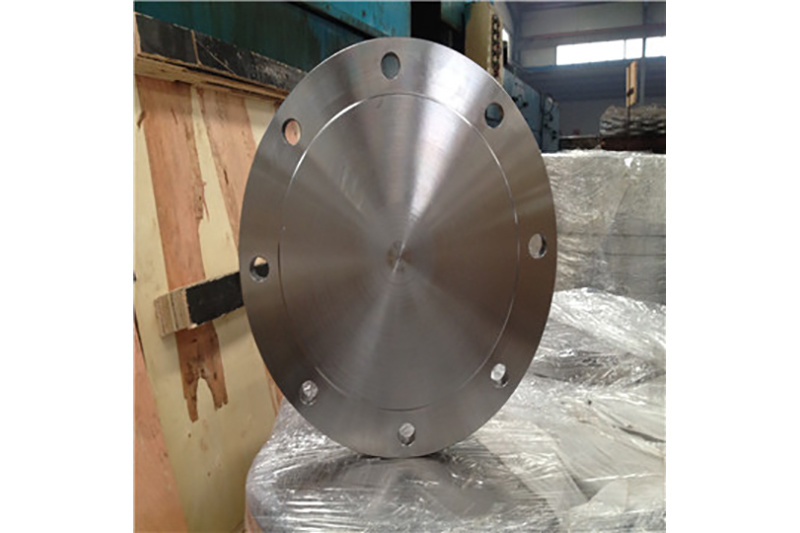
The Importance of Quality Control for Japanese Standard Flanges: Ensuring Durability and Reliability
The Importance of Quality Control for Japanese Standard Flanges In the construction and manufacturing sectors, the significance of quality control cannot be overstated, especially for components as crucial as flanges. Japanese standard flanges, known for their precision and durability, require stringent quality control measures to meet the demands of various applications. This article delves into
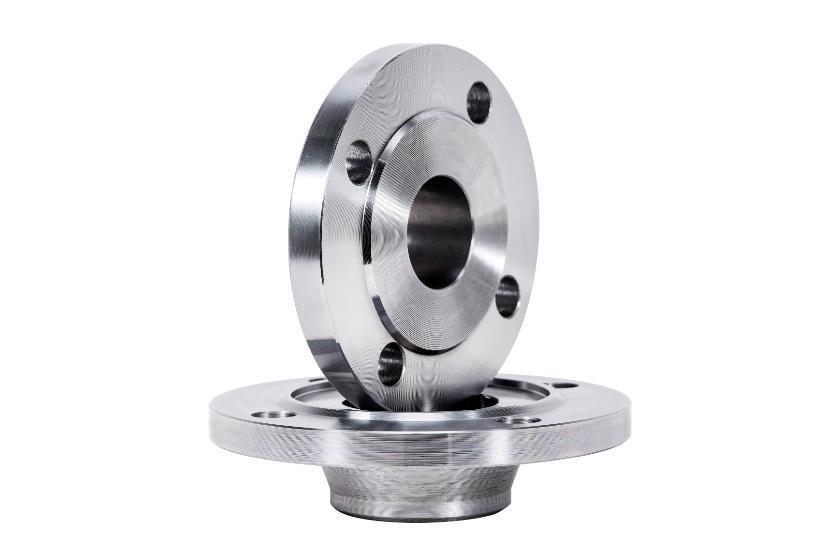
Understanding American Standard Flange in Construction and Decoration Materials
American standard flanges are critical components in the field of construction and decorative materials, particularly in piping systems. These flanges adhere to specific standards established by organizations such as the American National Standards Institute (ANSI) and the American Society of Mechanical Engineers (ASME). Their design and specifications are essential for ensuring compatibility and
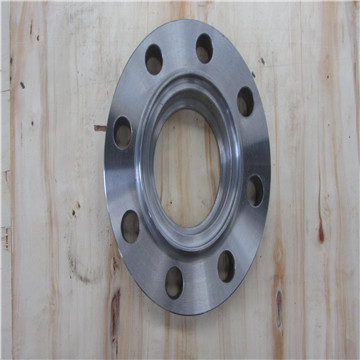
Exploring the Advantages of Using Threaded Flanges in HVAC Systems
Exploring the Advantages of Using Threaded Flanges in HVAC Systems Table of Contents 1. Introduction to Threaded Flanges in HVAC 2. Understanding Threaded Flanges 3. Benefits of Using Threaded Flanges in HVAC Systems 3.1 Superior Sealing Capability 3.2 Ease of Installation and Maintenance 3.3 Cost-Effectiveness 3.4 Versatility i

The Essential Guide to Flanged Connections in Building and Decorative Materials
Flanged connections are vital components in the construction and decorative materials sector, especially in the context of piping systems and fittings. Understanding their function, design, and application can significantly enhance the efficiency and reliability of installations. A flanged connection involves two flanges, which are flat pieces of material with holes for bolts. These flanges are bo
Shandong Xinhao Forging Co.,Ltd.
Tel:+86-15098858482
WeChat: 543983004
Email:xinhaoflange@gmail.com
Whatsapp:8615098858482
Website:www.xhflange.com

TikTok