

How Threaded Flanges Can Improve Your Building's Efficiency
Release time:
2025-06-06
How Threaded Flanges Can Improve Your Building's Efficiency In the ever-evolving landscape of construction and building management, efficiency stands as a cornerstone of sustainability and cost-effectiveness. One often overlooked yet crucial component in enhancing this efficiency is the use of **threaded flanges**. These integral fittings not only streamline construction processes but also contrib
How Threaded Flanges Can Improve Your Building's Efficiency
In the ever-evolving landscape of construction and building management, efficiency stands as a cornerstone of sustainability and cost-effectiveness. One often overlooked yet crucial component in enhancing this efficiency is the use of **threaded flanges**. These integral fittings not only streamline construction processes but also contribute significantly to the operational efficiency of buildings. In this article, we will explore how threaded flanges can enhance your building's overall performance, reduce operational costs, and improve longevity.
Understanding Threaded Flanges: A Comprehensive Overview
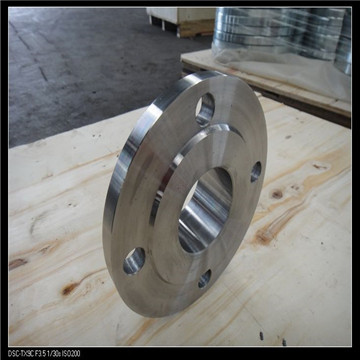
Threaded flanges are mechanical components that provide a reliable connection between pipes, valves, and other equipment. Unlike welded or slip-on flanges, threaded flanges feature internal threads that allow them to be easily screwed onto the pipe. This unique design offers several advantages, particularly in applications where welding is impractical or undesirable.
The Composition and Design of Threaded Flanges
Typically made from materials like stainless steel, carbon steel, or PVC, threaded flanges come in various sizes and pressure ratings to suit different applications. Their design allows for a tight seal, minimizing the risk of leaks and improving overall system integrity.
Types of Threaded Flanges
There are several types of threaded flanges, including:
- Class 150 Threaded Flanges: Suitable for low-pressure applications.
- Class 300 Threaded Flanges: Designed for medium-pressure systems.
- Class 600 Threaded Flanges: Used in high-pressure environments.
Why Choose Threaded Flanges for Your Building Projects?
Incorporating threaded flanges into your building project offers a multitude of benefits that can significantly boost efficiency.
Enhanced Accessibility and Maintenance
One of the primary advantages of threaded flanges is their ease of installation and removal. This accessibility allows for straightforward maintenance and repairs, minimizing downtime. In the context of building efficiency, quick access to pipelines means faster troubleshooting and reduced operational interruptions.
Cost-Effective Solutions
Using threaded flanges can lead to substantial cost savings. Their easy installation reduces labor costs, while the minimized need for specialized welding equipment can further cut expenses. Additionally, the reliability of threaded flanges means fewer repairs and replacements over time.
Improved Energy Efficiency
Threaded flanges contribute to improved energy efficiency by providing a leak-tight seal. This prevents loss of fluids or gases, which can lead to energy wastage. A well-maintained system with quality threaded flanges ensures optimal performance, directly impacting energy consumption and costs.
Versatility in Application
Threaded flanges are incredibly versatile, making them suitable for a wide range of applications in building systems. Whether in plumbing, HVAC systems, or industrial processes, their adaptability allows for efficient integrations across various setups.
Applications of Threaded Flanges in Construction
Understanding where and how threaded flanges can be utilized in your building projects is key to maximizing their efficiency benefits.
HVAC Systems
In heating, ventilation, and air conditioning (HVAC) systems, threaded flanges are essential for connecting ductwork and piping. Their reliability ensures that air and fluid flow seamlessly, optimizing the system's performance and energy efficiency.
Water Supply Lines
For residential and commercial buildings, threaded flanges provide secure connections in water supply lines. Their ability to maintain a tight seal minimizes the risk of leaks, ensuring that the building's water supply remains efficient and reliable.
Industrial Applications
In industrial settings, threaded flanges are often used in conjunction with heavy machinery and piping systems. Their robustness and ease of maintenance make them ideal for environments where quick repairs are vital for operational continuity.
Installation Considerations for Threaded Flanges
While threaded flanges offer numerous advantages, proper installation is critical to achieving optimal efficiency.
Preparation and Compatibility
Before installation, ensure that the flanges are compatible with the pipes and fittings in your system. Preparation involves cleaning the threads and ensuring that they are free from debris to allow for a secure connection.
Proper Torque Application
Applying the correct torque during installation is crucial for ensuring a leak-tight seal. Over-tightening can lead to thread damage, while under-tightening may result in leaks. Utilizing a torque wrench can help achieve the right balance.
Maintenance Practices for Threaded Flanges
To ensure the longevity and efficiency of threaded flanges, regular maintenance is essential.
Routine Inspections
Conducting routine inspections of threaded flanges allows for the early detection of potential issues. Look for signs of wear, corrosion, or leaks, and address them promptly to avoid costly repairs.
Cleaning and Lubrication
Keeping threaded flanges clean and properly lubricated can significantly extend their lifespan. Regular cleaning prevents buildup that can hinder performance, while lubrication helps maintain the integrity of the threads.
Case Studies: Real-World Benefits of Threaded Flanges
Examining real-world applications of threaded flanges can provide insight into their efficiency benefits.
Commercial Building Renovation
In a recent commercial building renovation, the installation of threaded flanges in the HVAC system resulted in a 15% increase in energy efficiency. The ease of installation allowed for quicker project completion and reduced labor costs.
Industrial Facility Upgrade
An industrial facility that upgraded its piping system to include threaded flanges reported a significant decrease in downtime due to maintenance. The improved accessibility allowed for swift repairs, keeping operations running smoothly.
Frequently Asked Questions
What are the main advantages of using threaded flanges?
Threaded flanges offer enhanced accessibility, cost-effectiveness, improved energy efficiency, and versatility in various applications.
How do I know if threaded flanges are suitable for my project?
Consider the specific requirements of your project, including pressure ratings, material compatibility, and the need for easy maintenance to determine suitability.
Can threaded flanges be used in high-pressure applications?
Yes, threaded flanges are available in various pressure ratings, including high-pressure options like Class 600, making them suitable for demanding applications.
What maintenance practices should I follow for threaded flanges?
Regular inspections, cleaning, and lubrication are essential maintenance practices to ensure the longevity and efficiency of threaded flanges.
Are threaded flanges more cost-effective than welded flanges?
Generally, threaded flanges can be more cost-effective due to lower installation labor costs and easier maintenance compared to welded flanges.
Conclusion
Incorporating **threaded flanges** into your building projects can lead to significant improvements in efficiency and cost-effectiveness. With their ease of installation, versatility, and reliability, they stand out as essential components for modern construction and building management. By understanding their benefits and applications, you can make informed decisions that not only enhance the operational efficiency of your buildings but also contribute to sustainable and long-term success. Embracing threaded flanges is not just a smart choice; it is a necessary step towards fostering a more efficient and resilient building infrastructure.
Latest developments
Quality Standards in the Forging of Stainless Steel Products: Ensuring Excellence in Metallurgy
Quality Standards in the Forging of Stainless Steel Products Table of Contents Introduction to Stainless Steel Forging The Importance of Quality Standards in Forging Types of Stainless Steel Used in Forging Common Forging Processes in Stainless Steel Manufacturing Quality Assurance Methodologies in Stainless Steel Forging Testing and Certification of Stainless Steel Products Global
Understanding Non-Standard Flanges: A Key Component in Architectural Applications
Non-standard flanges are specialized components that deviate from conventional sizing and design specifications. Unlike standard flanges, which adhere to established dimensions and pressure ratings, non-standard flanges are custom-made to meet unique project requirements. These flanges are crucial in various architectural and construction applications, particularly when dealing with unconventional
The Importance of Quality Control for Japanese Standard Flanges: Ensuring Durability and Reliability
The Importance of Quality Control for Japanese Standard Flanges In the construction and manufacturing sectors, the significance of quality control cannot be overstated, especially for components as crucial as flanges. Japanese standard flanges, known for their precision and durability, require stringent quality control measures to meet the demands of various applications. This article delves into
Understanding American Standard Flange in Construction and Decoration Materials
American standard flanges are critical components in the field of construction and decorative materials, particularly in piping systems. These flanges adhere to specific standards established by organizations such as the American National Standards Institute (ANSI) and the American Society of Mechanical Engineers (ASME). Their design and specifications are essential for ensuring compatibility and
Exploring the Advantages of Using Threaded Flanges in HVAC Systems
Exploring the Advantages of Using Threaded Flanges in HVAC Systems Table of Contents 1. Introduction to Threaded Flanges in HVAC 2. Understanding Threaded Flanges 3. Benefits of Using Threaded Flanges in HVAC Systems 3.1 Superior Sealing Capability 3.2 Ease of Installation and Maintenance 3.3 Cost-Effectiveness 3.4 Versatility i

The Essential Guide to Flanged Connections in Building and Decorative Materials
Flanged connections are vital components in the construction and decorative materials sector, especially in the context of piping systems and fittings. Understanding their function, design, and application can significantly enhance the efficiency and reliability of installations. A flanged connection involves two flanges, which are flat pieces of material with holes for bolts. These flanges are bo
Shandong Xinhao Forging Co.,Ltd.
Tel:+86-15098858482
WeChat: 543983004
Email:xinhaoflange@gmail.com
Whatsapp:8615098858482
Website:www.xhflange.com

TikTok