

Innovative Applications of Japanese Standard Flanges in Architecture: A Comprehensive Exploration
Release time:
2025-06-08
Innovative Applications of Japanese Standard Flanges in Architecture Introduction to Japanese Standard Flanges In the realm of architecture and construction, the importance of choosing the right components cannot be overstated. **Japanese standard flanges**, which are pivotal in various piping systems and structural assemblies, have seen increased adoption due to their innovative designs and adapt
Innovative Applications of Japanese Standard Flanges in Architecture
Introduction to Japanese Standard Flanges
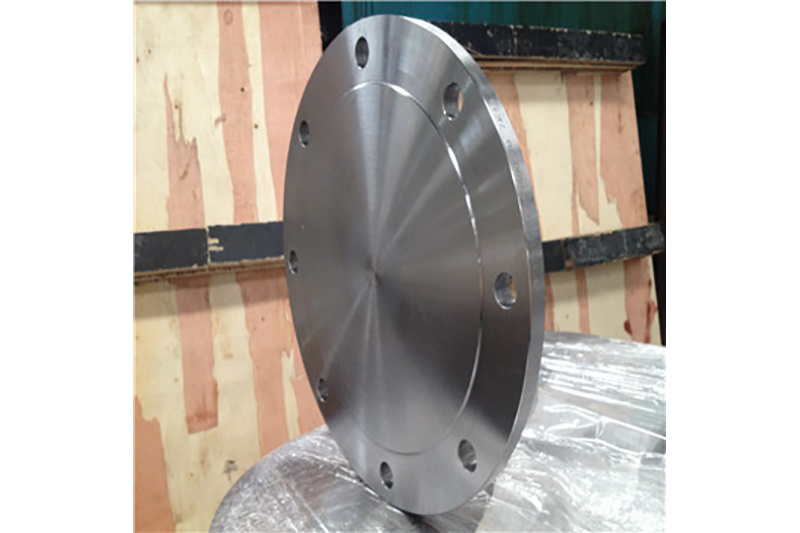
In the realm of architecture and construction, the importance of choosing the right components cannot be overstated. **Japanese standard flanges**, which are pivotal in various piping systems and structural assemblies, have seen increased adoption due to their innovative designs and adaptability. This article will explore how these flanges are revolutionizing architectural practices, enhancing both functionality and aesthetics within buildings.
The Evolution of Flange Technology
Understanding Flanges: A Brief Overview
Flanges serve as critical connectors in piping systems, allowing for easy assembly and disassembly. They are utilized to join two sections of pipe or to attach a pipe to a valve, pump, or other equipment. **Japanese standard flanges**, specifically, adhere to rigorous quality and dimensional standards, ensuring reliability and durability in various applications.
Historical Context of Japanese Flanges in Architecture
Japan has a rich history of engineering and design excellence. The evolution of flange technology mirrors the country's commitment to innovation. Over the years, Japanese engineers have refined flange designs to enhance performance in high-stress environments, showcasing their potential in architectural applications.
Benefits of Using Japanese Standard Flanges
Durability and Strength
One of the standout features of **Japanese standard flanges** is their unmatched strength and durability. Constructed from high-quality materials, these flanges can withstand extreme pressures and temperatures, making them ideal for both residential and commercial applications. Their robustness ensures the longevity of architectural structures while maintaining safety standards.
Design Flexibility
Japanese flanges come in various shapes and sizes, allowing architects and engineers to select the most suitable option for their projects. Whether for modern skyscrapers or traditional buildings, the versatility of these flanges enables creativity in design, allowing for intricate and tailored architectural details.
Enhanced Aesthetic Appeal
Incorporating **Japanese standard flanges** into architectural design can elevate the aesthetic quality of buildings. Their sleek profiles and customizable finishes allow for seamless integration into various architectural styles, contributing to the overall visual harmony of a project. This aesthetic consideration is particularly crucial in modern architecture, where form meets function.
Innovative Applications in Architecture
Use in Sustainable Building Practices
The construction industry is increasingly leaning towards sustainability, and **Japanese standard flanges** play a vital role in this transition. Their durability means fewer replacements and repairs, which translates to lower material waste over time. Furthermore, the ability to create efficient piping systems helps reduce energy consumption in buildings.
Integration in Modular Construction
Modular construction, a method that involves prefabricating building sections off-site before assembly, has gained popularity due to its efficiency and cost-effectiveness. **Japanese standard flanges** simplify the connection between modules, ensuring a quick and secure installation process, thereby speeding up project timelines without sacrificing quality.
Case Study: Prefabricated Housing in Japan
In Japan, prefabricated housing has seen significant advancements. The use of **Japanese standard flanges** in these designs facilitates easy assembly and disassembly, allowing homeowners the flexibility to modify their living spaces. This adaptability appeals to the modern homeowner, emphasizing the relevance of these flanges in contemporary architecture.
Applications in Seismic-Resistant Structures
Given Japan’s susceptibility to earthquakes, engineers have developed innovative solutions to enhance structural integrity. **Japanese standard flanges** are integral to the design of seismic-resistant buildings, providing essential support and flexibility, which are crucial in mitigating the impacts of seismic activity. The use of these flanges in such applications underscores their importance in ensuring safety and longevity.
Technical Innovations Driving Flange Design
Material Advancements
The materials used in producing **Japanese standard flanges** have evolved significantly. Advanced alloys and composite materials enhance not only the strength but also the resistance to corrosion and wear. This innovation ensures that flanges remain effective in harsh environments, extending their service life.
Precision Engineering Processes
Japanese manufacturers are renowned for their precision engineering, which is critical in flange production. Advanced machining and fabrication techniques guarantee that each flange meets stringent quality standards, thus ensuring compatibility and performance in architectural applications.
Challenges and Considerations in Flange Application
Cost Implications
While **Japanese standard flanges** offer numerous benefits, they can sometimes come with a higher price tag compared to standard options. Architects and builders must weigh the initial costs against the long-term benefits of durability and performance. Investing in quality flanges can result in significant savings on maintenance and replacements in the long run.
Installation Expertise
The successful application of **Japanese standard flanges** requires skilled installation. Ensuring proper alignment and torque specifications is crucial for optimal performance. Consequently, builders must invest in training and expertise to maximize the benefits of these advanced components.
Future Trends in Flange Applications
Emerging Technologies in Architecture
As architectural practices evolve, so do the technologies that support them. The rise of smart buildings and IoT (Internet of Things) integration presents new opportunities for **Japanese standard flanges**. Innovations such as smart sensors embedded within flanges can provide real-time data on pressure and temperature, leading to enhanced monitoring and maintenance capabilities.
Sustainability as a Driving Force
The push for greener buildings and eco-friendly construction methods will continue to influence flange design and application. **Japanese standard flanges** will likely see further improvements in materials and designs that promote sustainability, aligning with global environmental goals.
FAQs
1. What are Japanese standard flanges?
**Japanese standard flanges** are components used in piping systems that adhere to specific Japanese industrial standards, ensuring quality, durability, and compatibility in various applications.
2. How do Japanese standard flanges differ from other flange types?
They are designed with precision engineering standards unique to Japan, often featuring superior materials and specifications that offer enhanced performance compared to other international flanges.
3. Can Japanese standard flanges be used in residential applications?
Yes, they are suitable for both commercial and residential applications, particularly when durability and aesthetic appeal are prioritized.
4. What are the advantages of using flanges in modular construction?
Flanges simplify the assembly and disassembly of prefabricated modules, enabling quicker construction times and greater flexibility in design.
5. Are there any downsides to using Japanese standard flanges?
While they offer many benefits, the initial cost and the need for skilled installation can be considered potential downsides.
Conclusion
The innovative applications of **Japanese standard flanges** in architecture exemplify how traditional engineering principles can meet modern design needs. From enhancing structural integrity to facilitating sustainable practices, these components are integral to the future of architecture. As we continue to explore the realms of design and construction, the role of Japanese standard flanges will undoubtedly expand, paving the way for more resilient and aesthetically pleasing structures. Embracing these innovations not only contributes to building efficiency but also aligns with the overarching goal of creating lasting, sustainable environments that cater to future generations.
Latest developments
Quality Standards in the Forging of Stainless Steel Products: Ensuring Excellence in Metallurgy
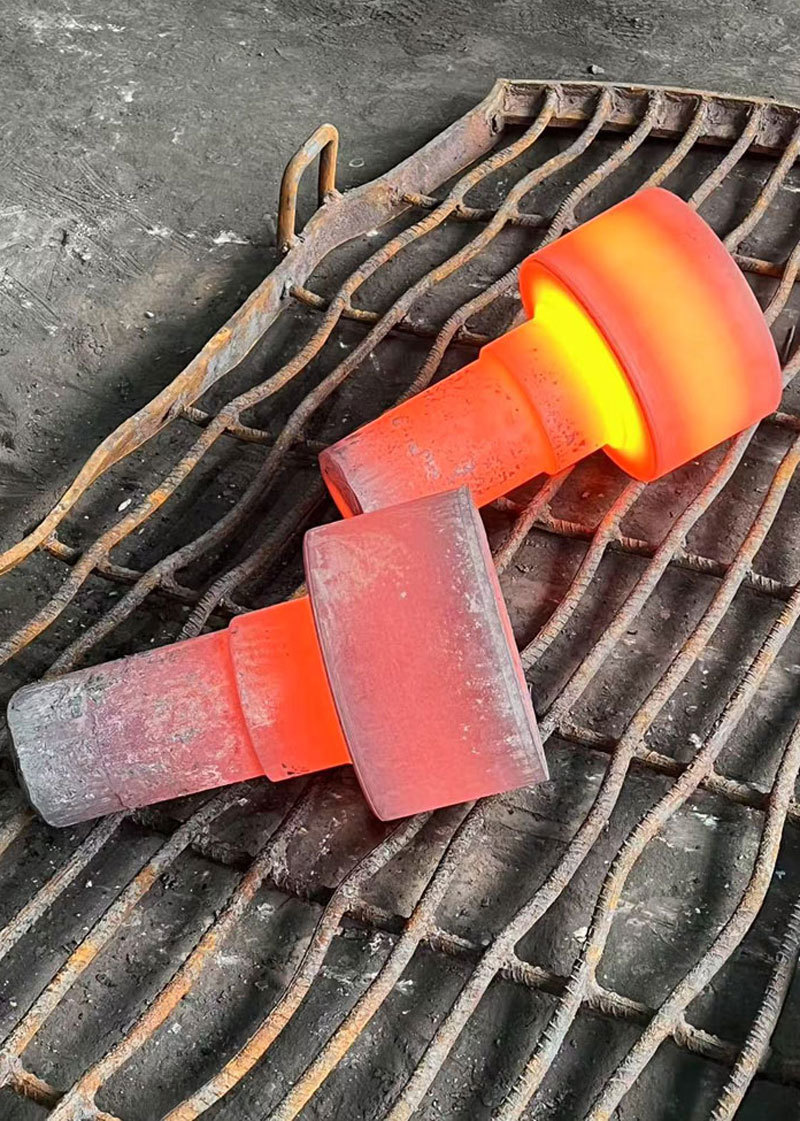
Quality Standards in the Forging of Stainless Steel Products Table of Contents Introduction to Stainless Steel Forging The Importance of Quality Standards in Forging Types of Stainless Steel Used in Forging Common Forging Processes in Stainless Steel Manufacturing Quality Assurance Methodologies in Stainless Steel Forging Testing and Certification of Stainless Steel Products Global
Understanding Non-Standard Flanges: A Key Component in Architectural Applications
Non-standard flanges are specialized components that deviate from conventional sizing and design specifications. Unlike standard flanges, which adhere to established dimensions and pressure ratings, non-standard flanges are custom-made to meet unique project requirements. These flanges are crucial in various architectural and construction applications, particularly when dealing with unconventional
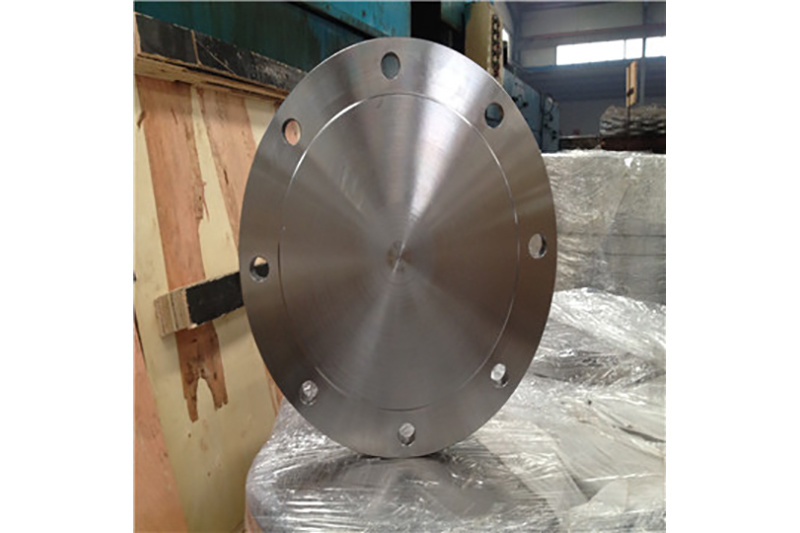
The Importance of Quality Control for Japanese Standard Flanges: Ensuring Durability and Reliability
The Importance of Quality Control for Japanese Standard Flanges In the construction and manufacturing sectors, the significance of quality control cannot be overstated, especially for components as crucial as flanges. Japanese standard flanges, known for their precision and durability, require stringent quality control measures to meet the demands of various applications. This article delves into
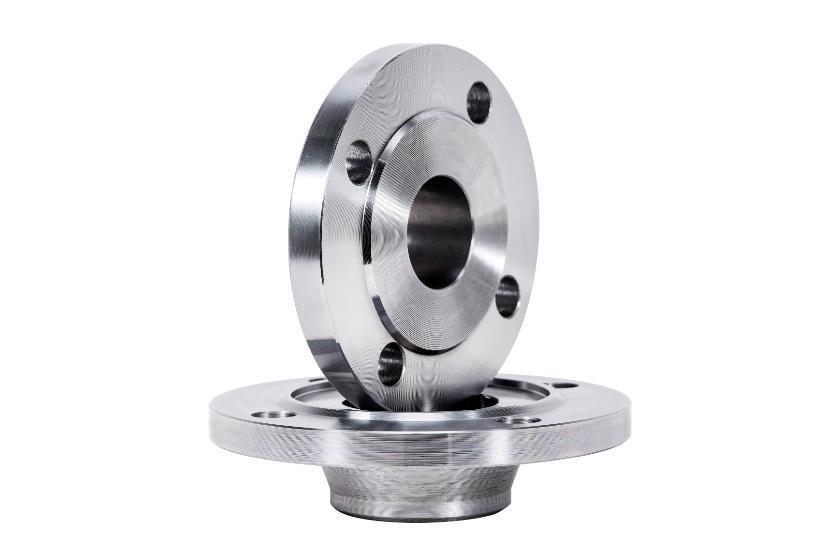
Understanding American Standard Flange in Construction and Decoration Materials
American standard flanges are critical components in the field of construction and decorative materials, particularly in piping systems. These flanges adhere to specific standards established by organizations such as the American National Standards Institute (ANSI) and the American Society of Mechanical Engineers (ASME). Their design and specifications are essential for ensuring compatibility and
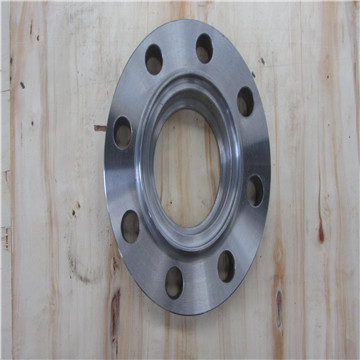
Exploring the Advantages of Using Threaded Flanges in HVAC Systems
Exploring the Advantages of Using Threaded Flanges in HVAC Systems Table of Contents 1. Introduction to Threaded Flanges in HVAC 2. Understanding Threaded Flanges 3. Benefits of Using Threaded Flanges in HVAC Systems 3.1 Superior Sealing Capability 3.2 Ease of Installation and Maintenance 3.3 Cost-Effectiveness 3.4 Versatility i

The Essential Guide to Flanged Connections in Building and Decorative Materials
Flanged connections are vital components in the construction and decorative materials sector, especially in the context of piping systems and fittings. Understanding their function, design, and application can significantly enhance the efficiency and reliability of installations. A flanged connection involves two flanges, which are flat pieces of material with holes for bolts. These flanges are bo
Shandong Xinhao Forging Co.,Ltd.
Tel:+86-15098858482
WeChat: 543983004
Email:xinhaoflange@gmail.com
Whatsapp:8615098858482
Website:www.xhflange.com

TikTok