

The Role of Forging in Enhancing Stainless Steel Properties: An In-Depth Exploration
Release time:
2025-06-20
The Role of Forging in Enhancing Stainless Steel Properties Table of Contents 1. Introduction to Stainless Steel and Forging 2. Overview of Forging Techniques 3. The Impact of Forging on Stainless Steel Properties 3.1 Enhancing Mechanical Strength 3.2 Improving Corrosion Resistance 3.3 Increasing Ductility and Toughness 4. Types of Forged Stainless Steel 5. Applications of Forged
The Role of Forging in Enhancing Stainless Steel Properties
Table of Contents
1. Introduction to Stainless Steel and Forging
2. Overview of Forging Techniques
3. The Impact of Forging on Stainless Steel Properties
3.1 Enhancing Mechanical Strength
3.2 Improving Corrosion Resistance
3.3 Increasing Ductility and Toughness
4. Types of Forged Stainless Steel
5. Applications of Forged Stainless Steel
6. Comparison of Forged vs. Cast Stainless Steel
7. Best Practices in Forging Stainless Steel
8. Frequently Asked Questions (FAQs)
9. Conclusion
1. Introduction to Stainless Steel and Forging
Stainless steel is a versatile and widely used material known for its excellent corrosion resistance and strength. It is an alloy primarily composed of iron, chromium, and nickel, which gives it its unique properties. As industries seek materials that can withstand extreme conditions, the demand for stainless steel continues to grow. Forging, a vital manufacturing process, plays a significant role in enhancing the properties of stainless steel, leading to improved performance in various applications.
2. Overview of Forging Techniques
Forging involves the shaping of metal through compressive forces, which can be applied using various methods, such as hammering, pressing, or rolling. This process can be performed at different temperatures, resulting in two main categories: hot forging and cold forging.
- **Hot Forging**: This technique involves heating the metal above its recrystallization temperature, allowing for easier shaping and improved ductility. Hot forging is commonly used for stainless steel to enhance its mechanical properties.
- **Cold Forging**: In contrast, cold forging is performed at room temperature, which can lead to higher precision and better surface finishes. However, it may not be suitable for all stainless steel grades due to the potential for work hardening.
Each forging method has its advantages and is chosen based on the desired outcome for the specific application.
3. The Impact of Forging on Stainless Steel Properties
The forging process significantly influences the mechanical and physical properties of stainless steel. By altering its microstructure, forging can enhance various characteristics, making the material more suitable for demanding environments.
3.1 Enhancing Mechanical Strength
One of the primary benefits of forging stainless steel is the improvement of mechanical strength. The process aligns the grain structure of the metal, resulting in a denser and more robust material. Forged stainless steel exhibits higher yield strength, tensile strength, and fatigue resistance compared to its cast counterparts. This enhanced strength is crucial for applications in aerospace, automotive, and construction industries, where reliability is paramount.
3.2 Improving Corrosion Resistance
Corrosion resistance is a hallmark of stainless steel, but forging can further enhance this property. The forging process removes impurities and inclusions that may compromise the material's integrity. Additionally, the refined grain structure created during forging allows for a more uniform distribution of chromium, which is vital for forming a protective oxide layer against corrosion. This makes forged stainless steel particularly valuable in marine and chemical processing environments where corrosion is a constant threat.
3.3 Increasing Ductility and Toughness
Forging also improves the ductility and toughness of stainless steel. Ductility refers to a material's ability to deform without breaking, while toughness measures its ability to absorb energy before fracturing. The forging process introduces a more favorable microstructure, allowing for increased elongation and impact resistance. This is particularly important in applications such as pipeline manufacturing, where materials must withstand dynamic loads and potential impacts.
4. Types of Forged Stainless Steel
There are several grades of stainless steel, each with unique properties suitable for different applications. The most commonly forged stainless steel types include:
- **Austenitic Stainless Steel**: Known for its excellent corrosion resistance and formability, austenitic grades (e.g., 304, 316) are widely used in the food and pharmaceutical industries.
- **Ferritic Stainless Steel**: These grades (e.g., 430) offer good resistance to oxidation and stress corrosion cracking but have lower ductility.
- **Martensitic Stainless Steel**: Known for its high strength and toughness, martensitic grades (e.g., 410, 420) are commonly used for high-stress applications such as cutting tools and valves.
- **Duplex Stainless Steel**: Combining austenitic and ferritic properties, duplex grades (e.g., 2205) offer excellent corrosion resistance and strength, making them suitable for oil and gas applications.
Each type of forged stainless steel is selected based on the specific requirements of the application at hand.
5. Applications of Forged Stainless Steel
Forged stainless steel finds application in various industries due to its superior properties. Some notable applications include:
- **Aerospace**: Components such as landing gear and turbine engine parts require high strength and lightweight materials, making forged stainless steel an ideal choice.
- **Automotive**: Forged parts such as crankshafts, gears, and suspension components benefit from enhanced performance and durability.
- **Oil and Gas**: Valves, pumps, and piping systems made from forged stainless steel can withstand harsh environments and corrosive substances.
- **Construction**: Structural components, fasteners, and fittings often utilize forged stainless steel for its reliability and strength.
The versatility of forged stainless steel allows it to meet the stringent demands of these industries effectively.
6. Comparison of Forged vs. Cast Stainless Steel
While both forged and cast stainless steel have their applications, they differ significantly in terms of properties and performance.
- **Structural Integrity**: Forged stainless steel generally exhibits superior structural integrity due to its refined microstructure and aligned grain flow. This results in higher strength and durability compared to cast stainless steel, which can have internal voids and defects.
- **Corrosion Resistance**: The forging process enhances the corrosion resistance of stainless steel by eliminating impurities that could compromise performance. Cast stainless steel, while still resistant, may not offer the same level of protection in harsh environments.
- **Ductility and Toughness**: Forged stainless steel demonstrates greater ductility and toughness, making it suitable for high-stress applications. Cast stainless steel, while generally more brittle, may not withstand dynamic loads as effectively.
Overall, forged stainless steel is preferred for applications requiring high performance and reliability, while cast stainless steel may be suitable for less demanding environments where cost considerations are a priority.
7. Best Practices in Forging Stainless Steel
To achieve optimal results in forging stainless steel, it is essential to adhere to best practices throughout the process:
- **Material Selection**: Choose the appropriate grade of stainless steel based on the intended application and desired properties.
- **Temperature Control**: Maintain precise temperature levels during forging to ensure the material's ductility and prevent cracking.
- **Tooling**: Utilize proper tooling and dies designed specifically for forging stainless steel to achieve desired shapes and dimensions.
- **Post-Forging Treatments**: Implement heat treatment processes post-forging to enhance mechanical properties and relieve internal stresses.
- **Quality Control**: Conduct thorough inspections and testing to ensure that the forged components meet industry standards and specifications.
Following these best practices ensures the production of high-quality forged stainless steel components that meet the demands of various applications.
8. Frequently Asked Questions (FAQs)
8.1 What is the primary advantage of forging stainless steel?
The primary advantage of forging stainless steel is the enhancement of its mechanical properties, such as strength, ductility, and toughness, resulting in superior performance in demanding applications.
8.2 How does forging affect corrosion resistance?
Forging improves corrosion resistance by refining the microstructure, removing impurities, and ensuring a more uniform distribution of chromium, which is critical for forming protective oxide layers.
8.3 What are the common grades of forged stainless steel?
Common grades include austenitic (e.g., 304, 316), ferritic (e.g., 430), martensitic (e.g., 410, 420), and duplex stainless steel (e.g., 2205), each tailored for specific applications.
8.4 Can cold forging be used for stainless steel?
Yes, cold forging can be used for stainless steel, but it is typically limited to certain grades and applications due to the potential for work hardening.
8.5 What industries benefit most from forged stainless steel?
Industries such as aerospace, automotive, oil and gas, and construction benefit significantly from forged stainless steel due to its enhanced strength, durability, and corrosion resistance.
9. Conclusion
Forging plays a crucial role in improving the properties of stainless steel, resulting in materials that meet the stringent demands of various industries. The processes involved in forging not only enhance mechanical strength, corrosion resistance, ductility, and toughness but also ensure that the forged components can withstand extreme conditions. As industries continue to innovate and seek reliable materials, forged stainless steel stands out as a superior choice, delivering performance and durability across myriad applications. By understanding and implementing the best practices in forging, manufacturers can produce high-quality stainless steel components that cater to the evolving needs of their respective sectors.
Latest developments
Quality Standards in the Forging of Stainless Steel Products: Ensuring Excellence in Metallurgy
Quality Standards in the Forging of Stainless Steel Products Table of Contents Introduction to Stainless Steel Forging The Importance of Quality Standards in Forging Types of Stainless Steel Used in Forging Common Forging Processes in Stainless Steel Manufacturing Quality Assurance Methodologies in Stainless Steel Forging Testing and Certification of Stainless Steel Products Global
Understanding Non-Standard Flanges: A Key Component in Architectural Applications
Non-standard flanges are specialized components that deviate from conventional sizing and design specifications. Unlike standard flanges, which adhere to established dimensions and pressure ratings, non-standard flanges are custom-made to meet unique project requirements. These flanges are crucial in various architectural and construction applications, particularly when dealing with unconventional
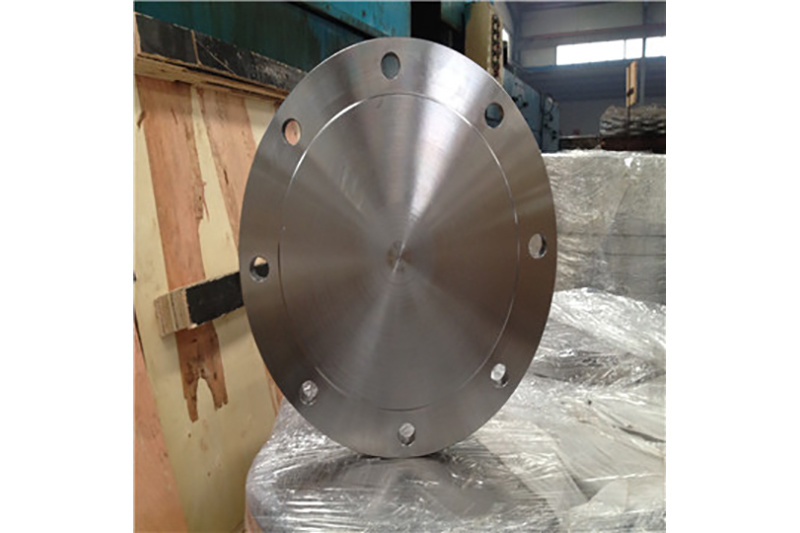
The Importance of Quality Control for Japanese Standard Flanges: Ensuring Durability and Reliability
The Importance of Quality Control for Japanese Standard Flanges In the construction and manufacturing sectors, the significance of quality control cannot be overstated, especially for components as crucial as flanges. Japanese standard flanges, known for their precision and durability, require stringent quality control measures to meet the demands of various applications. This article delves into
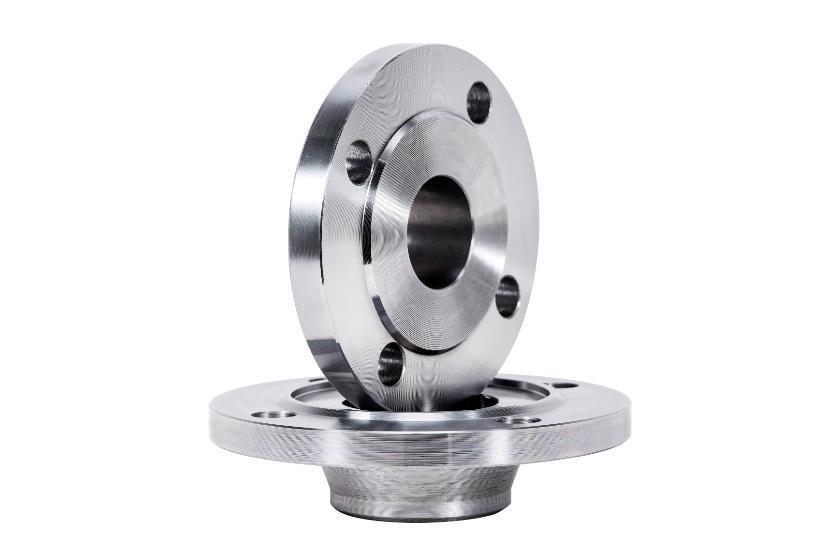
Understanding American Standard Flange in Construction and Decoration Materials
American standard flanges are critical components in the field of construction and decorative materials, particularly in piping systems. These flanges adhere to specific standards established by organizations such as the American National Standards Institute (ANSI) and the American Society of Mechanical Engineers (ASME). Their design and specifications are essential for ensuring compatibility and
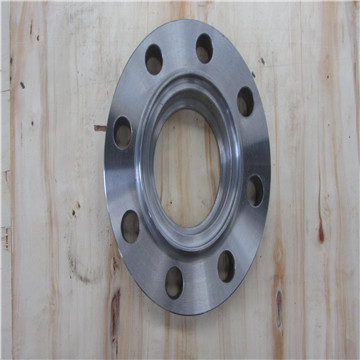
Exploring the Advantages of Using Threaded Flanges in HVAC Systems
Exploring the Advantages of Using Threaded Flanges in HVAC Systems Table of Contents 1. Introduction to Threaded Flanges in HVAC 2. Understanding Threaded Flanges 3. Benefits of Using Threaded Flanges in HVAC Systems 3.1 Superior Sealing Capability 3.2 Ease of Installation and Maintenance 3.3 Cost-Effectiveness 3.4 Versatility i

The Essential Guide to Flanged Connections in Building and Decorative Materials
Flanged connections are vital components in the construction and decorative materials sector, especially in the context of piping systems and fittings. Understanding their function, design, and application can significantly enhance the efficiency and reliability of installations. A flanged connection involves two flanges, which are flat pieces of material with holes for bolts. These flanges are bo
Shandong Xinhao Forging Co.,Ltd.
Tel:+86-15098858482
WeChat: 543983004
Email:xinhaoflange@gmail.com
Whatsapp:8615098858482
Website:www.xhflange.com

TikTok