

Why Engineers Prefer Japanese Standard Flanges for Reliability
Release time:
2025-07-18
Why Engineers Prefer Japanese Standard Flanges for Reliability Introduction to Japanese Standard Flanges In the realm of construction and engineering, the importance of **flanges** cannot be overstated. They are crucial components used to connect pipes, valves, and other equipment, playing a vital role in ensuring the integrity and reliability of systems. Among the many standards available, **Japa
Why Engineers Prefer Japanese Standard Flanges for Reliability
Introduction to Japanese Standard Flanges
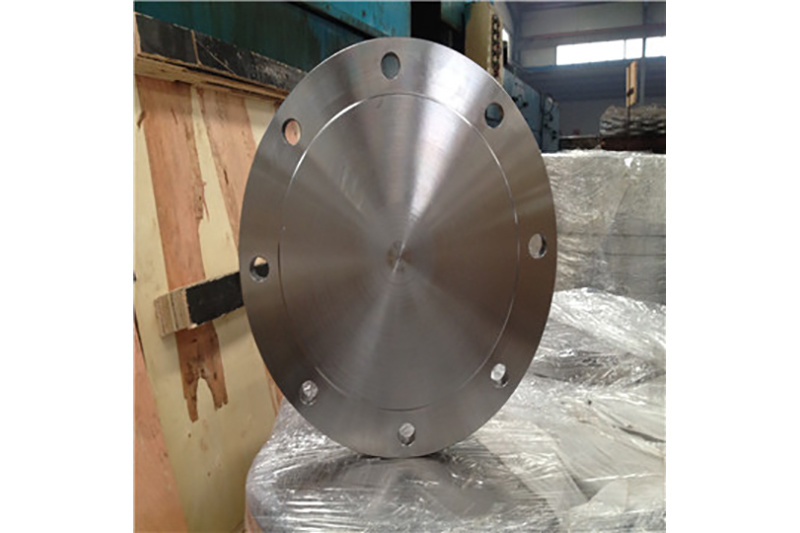
In the realm of construction and engineering, the importance of **flanges** cannot be overstated. They are crucial components used to connect pipes, valves, and other equipment, playing a vital role in ensuring the integrity and reliability of systems. Among the many standards available, **Japanese Standard Flanges** have emerged as a preferred choice for engineers worldwide. This article delves into the reasons why these flanges are synonymous with reliability and quality.
Understanding Flanges and Their Functionality
Flanges serve as the connection points in piping systems, providing a secure seal and allowing for easy disassembly when necessary. They come in various shapes, sizes, and materials, tailored to specific applications. Understanding the functionality of flanges is essential for recognizing why Japanese standards are regarded as a benchmark in the industry.
The Role of Flanges in Engineering
Flanges are integral to multiple engineering systems, including:
- **Fluid transport**: They help in transporting liquids and gases safely.
- **Pressure containment**: They maintain pressure integrity, preventing leaks.
- **Ease of maintenance**: Flanges allow for easy access during repairs.
Key Features of Japanese Standard Flanges
Japanese Standard Flanges stand out due to their adherence to rigorous quality standards and innovative design principles. Here we explore the notable features that set them apart.
Superior Material Quality
The materials used in Japanese Standard Flanges, such as **stainless steel**, **carbon steel**, and **alloy materials**, are sourced from reputable manufacturers. These materials are known for their:
- **Corrosion resistance**: Essential in harsh environments.
- **Strength and durability**: Capable of withstanding high pressures and temperatures.
Precision Engineering and Design
The manufacturing processes utilized in creating Japanese Standard Flanges emphasize precision and accuracy. This includes:
- **CNC machining**: Ensures exact dimensions and tolerances.
- **Quality control measures**: Regular inspections guarantee adherence to standards.
Adherence to International Standards
Japanese Standard Flanges comply with various international standards, such as **JIS (Japanese Industrial Standards)**. This adherence offers several advantages:
- **Global acceptance**: Facilitates ease of integration in international projects.
- **Simplified documentation**: Streamlined compliance with industry regulations.
The Importance of Standards in Engineering
Standards play a crucial role in engineering, as they establish benchmarks for safety, quality, and compatibility. Japanese Standard Flanges meet these needs effectively, making them a dependable choice for engineers.
Benefits of Using Japanese Standard Flanges
Choosing Japanese Standard Flanges brings numerous benefits to engineering projects. Here are some compelling reasons why engineers prefer these flanges.
Reliability Under Pressure
When it comes to high-pressure applications, reliability is paramount. Japanese Standard Flanges are designed to handle extreme conditions, ensuring that systems remain leak-free and operational.
Enhanced Safety Features
Safety is a top priority in engineering, and the design of Japanese Standard Flanges incorporates features that minimize risks, such as:
- **Robust sealing**: Prevents leaks and failures.
- **Fail-safe designs**: Mitigates the consequences of potential failures.
Cost-Effectiveness Over Time
While the initial investment in Japanese Standard Flanges may be higher than alternatives, their durability and reliability result in lower maintenance costs and reduced downtime.
Applications of Japanese Standard Flanges
Japanese Standard Flanges are versatile components used across various industries. Understanding their applications helps illustrate their importance.
Oil and Gas Industry
In the oil and gas sector, flanges are crucial for safely transporting hydrocarbons. Japanese Standard Flanges provide the reliability necessary for these high-stakes environments.
Water Treatment Facilities
Water treatment plants rely on flanges for efficient operation. The corrosion-resistant properties of Japanese Standard Flanges make them ideal for this application.
Manufacturing and Industrial Applications
From chemical processing to power generation, various industrial sectors depend on the quality of flanges to maintain operational efficiency.
Comparative Analysis: Japanese Standard Flanges vs. Other Standards
To better understand the advantages of Japanese Standard Flanges, it is helpful to compare them with other prevalent flange standards, such as ANSI and DIN.
Quality and Consistency
Japanese Standard Flanges are known for their consistent quality, largely due to stringent manufacturing practices. In contrast, other standards may vary in quality depending on the manufacturer.
Design Compatibility
Japanese Standard Flanges offer a high degree of compatibility with other systems, minimizing the risk of integration issues that may arise with other standards.
Frequently Asked Questions (FAQs)
1. What are the main advantages of Japanese Standard Flanges?
Japanese Standard Flanges provide superior reliability, enhanced safety features, and cost-effectiveness over time due to their high-quality materials and precision manufacturing.
2. Can Japanese Standard Flanges be used in high-pressure applications?
Yes, they are specially designed to withstand high-pressure environments, making them suitable for various applications in industries like oil and gas.
3. How do Japanese Standard Flanges compare to ANSI flanges?
Japanese Standard Flanges offer greater consistency in quality and precision, whereas ANSI flanges may vary based on the manufacturer.
4. Are Japanese Standard Flanges compatible with existing systems?
Yes, they are designed to be compatible with a wide range of systems, reducing the likelihood of integration issues.
5. Where can I source Japanese Standard Flanges?
You can source them from specialized suppliers and manufacturers that adhere to Japanese Industrial Standards (JIS).
Conclusion: The Case for Japanese Standard Flanges in Engineering
In conclusion, the preference of engineers for **Japanese Standard Flanges** is well-founded, stemming from their superior quality, reliability, and adherence to international standards. As the construction and engineering industries continue to evolve, the demand for dependable components like Japanese Standard Flanges will only increase. By investing in these high-quality flanges, engineers can ensure the safety and efficiency of their projects, ultimately leading to successful outcomes and satisfied clients. Embracing Japanese Standard Flanges is, therefore, not just a choice but a commitment to excellence in engineering.
Latest developments
Quality Standards in the Forging of Stainless Steel Products: Ensuring Excellence in Metallurgy
Quality Standards in the Forging of Stainless Steel Products Table of Contents Introduction to Stainless Steel Forging The Importance of Quality Standards in Forging Types of Stainless Steel Used in Forging Common Forging Processes in Stainless Steel Manufacturing Quality Assurance Methodologies in Stainless Steel Forging Testing and Certification of Stainless Steel Products Global
Understanding Non-Standard Flanges: A Key Component in Architectural Applications
Non-standard flanges are specialized components that deviate from conventional sizing and design specifications. Unlike standard flanges, which adhere to established dimensions and pressure ratings, non-standard flanges are custom-made to meet unique project requirements. These flanges are crucial in various architectural and construction applications, particularly when dealing with unconventional
The Importance of Quality Control for Japanese Standard Flanges: Ensuring Durability and Reliability
The Importance of Quality Control for Japanese Standard Flanges In the construction and manufacturing sectors, the significance of quality control cannot be overstated, especially for components as crucial as flanges. Japanese standard flanges, known for their precision and durability, require stringent quality control measures to meet the demands of various applications. This article delves into
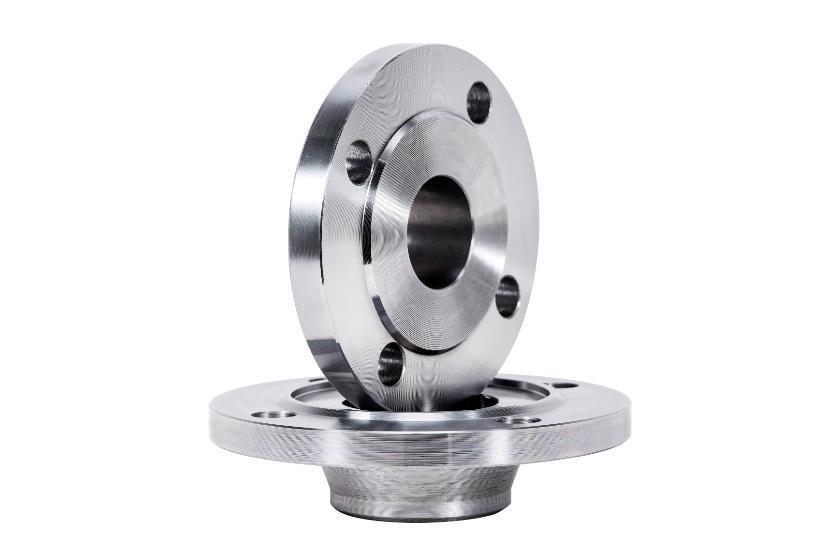
Understanding American Standard Flange in Construction and Decoration Materials
American standard flanges are critical components in the field of construction and decorative materials, particularly in piping systems. These flanges adhere to specific standards established by organizations such as the American National Standards Institute (ANSI) and the American Society of Mechanical Engineers (ASME). Their design and specifications are essential for ensuring compatibility and
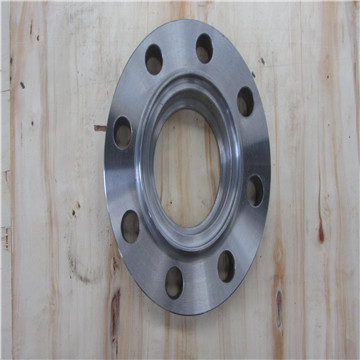
Exploring the Advantages of Using Threaded Flanges in HVAC Systems
Exploring the Advantages of Using Threaded Flanges in HVAC Systems Table of Contents 1. Introduction to Threaded Flanges in HVAC 2. Understanding Threaded Flanges 3. Benefits of Using Threaded Flanges in HVAC Systems 3.1 Superior Sealing Capability 3.2 Ease of Installation and Maintenance 3.3 Cost-Effectiveness 3.4 Versatility i

The Essential Guide to Flanged Connections in Building and Decorative Materials
Flanged connections are vital components in the construction and decorative materials sector, especially in the context of piping systems and fittings. Understanding their function, design, and application can significantly enhance the efficiency and reliability of installations. A flanged connection involves two flanges, which are flat pieces of material with holes for bolts. These flanges are bo
Shandong Xinhao Forging Co.,Ltd.
Tel:+86-15098858482
WeChat: 543983004
Email:xinhaoflange@gmail.com
Whatsapp:8615098858482
Website:www.xhflange.com

TikTok