

The Science Behind Stainless Steel Forging Techniques
Release time:
2025-07-20
The Science Behind Stainless Steel Forging Techniques Table of Contents 1. Introduction to Stainless Steel Forging 2. What is Stainless Steel? 3. The Forging Process Explained 4. Different Forging Techniques 4.1 Open Die Forging 4.2 Closed Die Forging 4.3 Screw Press Forging 4.4 Hammer Forging 5. Advantages of S
The Science Behind Stainless Steel Forging Techniques
Table of Contents
- 1. Introduction to Stainless Steel Forging
- 2. What is Stainless Steel?
- 3. The Forging Process Explained
- 4. Different Forging Techniques
- 5. Advantages of Stainless Steel Forging
- 6. Applications of Forged Stainless Steel
- 7. The Future of Stainless Steel Forging
- 8. Frequently Asked Questions
- 9. Conclusion
1. Introduction to Stainless Steel Forging
Stainless steel forging is a sophisticated and highly technical process that plays a vital role in the manufacturing of numerous products we rely on daily. This process involves shaping metal using localized compressive forces, resulting in robust, high-performance components. Understanding the science behind stainless steel forging techniques allows industries to optimize their production and achieve superior quality in their products.
2. What is Stainless Steel?
Stainless steel is an alloy primarily composed of iron, chromium, and nickel, which provides exceptional resistance to corrosion and oxidation. The presence of chromium, typically at least 10.5% by weight, is what grants stainless steel its characteristic durability and strength. Other alloying elements, such as molybdenum, manganese, and titanium, can enhance specific properties, making stainless steel versatile for various applications.
The combination of these elements not only increases corrosion resistance but also improves mechanical properties like toughness and hardness, making stainless steel an ideal material for forging processes.
3. The Forging Process Explained
Forging involves heating metal to a malleable state and applying pressure to shape it into desired forms. The process can be divided into several stages:
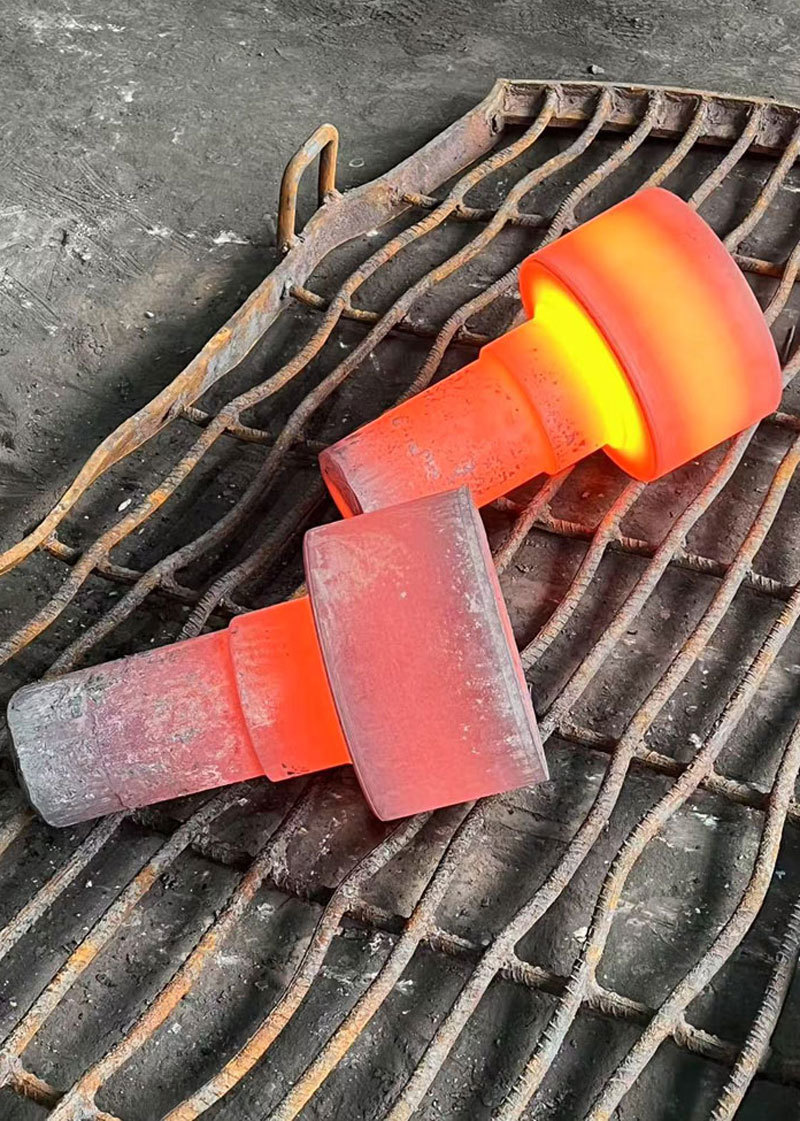
1. **Heating**: The stainless steel is heated in a furnace to reach a temperature that allows for plastic deformation, typically between 1,000°C and 1,200°C.
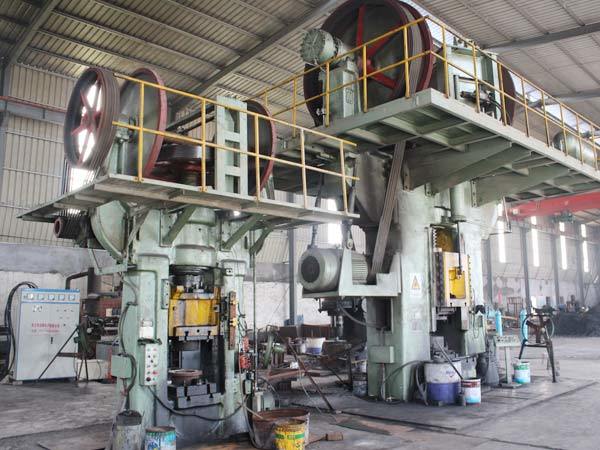
2. **Shaping**: Using mechanical methods such as hammers, presses, or dies, the heated metal is shaped into the required form. This stage is crucial as it determines the final dimensions and characteristics of the product.
3. **Cooling**: After shaping, the forged stainless steel is cooled, either slowly or rapidly, depending on the desired properties. Controlled cooling can improve hardness, while rapid cooling may be used for specific steel grades.
4. **Finishing**: This final stage includes processes like machining, grinding, and polishing to achieve the desired surface finish and tolerances.
4. Different Forging Techniques
There are various forging techniques used in the stainless steel industry, each offering unique advantages depending on the application.
4.1 Open Die Forging
Open die forging is the most traditional method, where the workpiece is placed between two flat dies and hammered into shape. This technique is ideal for producing large, simple shapes and allows for significant material flow, which can enhance the mechanical properties of the metal.
4.2 Closed Die Forging
In closed die forging, the metal is shaped within a die that has a specific cavity, allowing for more complex shapes and tighter tolerances. This technique is often used for high-volume production, as it can produce intricate geometries with less waste compared to open die forging.
4.3 Screw Press Forging
Screw press forging utilizes a rotating screw mechanism to apply pressure to the workpiece. This technique is highly efficient for producing high-strength components and is often used in the automotive and aerospace industries.
4.4 Hammer Forging
Hammer forging employs a powered hammer that strikes the heated metal to shape it. This technique is effective for creating parts with high structural integrity, making it suitable for heavy-duty applications.
5. Advantages of Stainless Steel Forging
Stainless steel forging offers numerous benefits, making it a preferred choice for many industries:
- **Superior Strength**: The forging process enhances the strength of stainless steel by aligning the grain structure, resulting in improved fatigue resistance and tensile strength.
- **Corrosion Resistance**: Forged stainless steel components exhibit excellent resistance to corrosion, making them suitable for harsh environments.
- **Lightweight**: Forged components can be lighter than their cast counterparts without sacrificing strength, which is crucial for industries such as aerospace and automotive.
- **Cost-Effectiveness**: While the initial investment in forging equipment can be high, the long-term benefits of reduced material waste and improved product lifespan make it cost-effective.
- **Design Flexibility**: Stainless steel forging allows for the production of complex shapes and sizes, catering to specific industry requirements.
6. Applications of Forged Stainless Steel
Stainless steel forging is utilized across various sectors, including:
- **Aerospace**: Components such as fasteners, rings, and fittings require high strength-to-weight ratios, making forged stainless steel ideal.
- **Automotive**: Forged stainless steel parts are used in suspension systems, engine components, and exhaust systems for their durability and performance.
- **Oil and Gas**: The industry relies on forged components like valves and fittings for their ability to withstand extreme pressures and corrosive environments.
- **Medical**: Surgical instruments and implants benefit from the cleanliness and strength of forged stainless steel.
7. The Future of Stainless Steel Forging
As technology advances, the future of stainless steel forging looks promising. Innovations in automation and computer-aided design (CAD) are optimizing the forging process, improving efficiency and precision. Additionally, the integration of sustainable practices in forging operations is becoming increasingly important as industries strive to reduce their environmental impact.
Advancements in alloy development will also continue to expand the capabilities of stainless steel, allowing for even more specialized applications. The adaptability and performance of forged stainless steel will ensure its relevance in a rapidly evolving industrial landscape.
8. Frequently Asked Questions
What is the difference between forged and cast stainless steel?
Forged stainless steel is shaped through mechanical forces, enhancing its strength and structural integrity, while cast stainless steel is poured into molds and may have more internal defects.
Can stainless steel be forged at room temperature?
While it is technically possible, forging stainless steel is typically performed at elevated temperatures to ensure malleability and prevent cracking.
What are the most common grades of stainless steel used in forging?
Common grades include 304, 316, and 410 stainless steel, each selected based on the desired properties and application requirements.
How does the forging process affect the grain structure of stainless steel?
The forging process aligns the grain structure, enhancing strength and toughness while reducing the likelihood of defects.
Is stainless steel forging environmentally friendly?
Forging processes can be more sustainable than other fabrication methods, as they typically result in less material waste and can utilize recycled materials.
9. Conclusion
The science behind stainless steel forging techniques is a fascinating interplay of metallurgy, engineering, and technology. By understanding the processes and advantages of stainless steel forging, industries can select the right methods to create high-performance components. As innovations continue to shape the future of forging, the versatility and strength of stainless steel will ensure its place at the forefront of advanced manufacturing. Embracing these techniques will not only enhance product quality but also drive efficiency and sustainability in the production process.
Latest developments
Quality Standards in the Forging of Stainless Steel Products: Ensuring Excellence in Metallurgy
Quality Standards in the Forging of Stainless Steel Products Table of Contents Introduction to Stainless Steel Forging The Importance of Quality Standards in Forging Types of Stainless Steel Used in Forging Common Forging Processes in Stainless Steel Manufacturing Quality Assurance Methodologies in Stainless Steel Forging Testing and Certification of Stainless Steel Products Global
Understanding Non-Standard Flanges: A Key Component in Architectural Applications
Non-standard flanges are specialized components that deviate from conventional sizing and design specifications. Unlike standard flanges, which adhere to established dimensions and pressure ratings, non-standard flanges are custom-made to meet unique project requirements. These flanges are crucial in various architectural and construction applications, particularly when dealing with unconventional
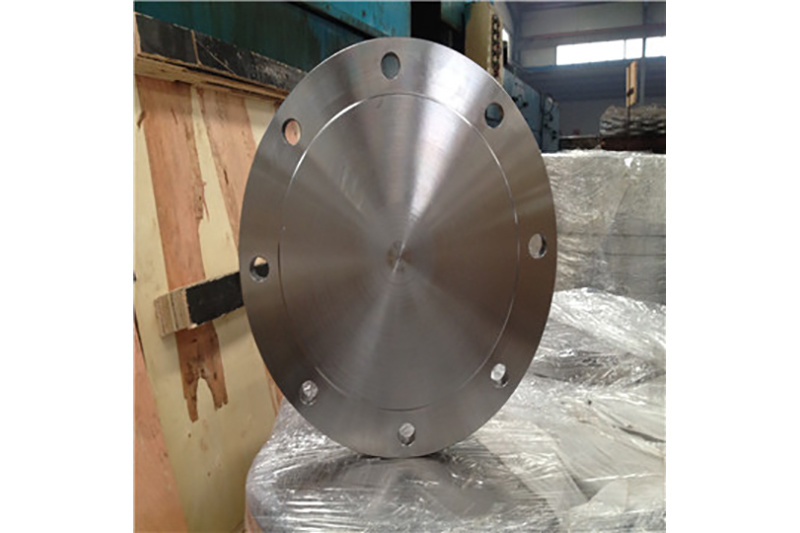
The Importance of Quality Control for Japanese Standard Flanges: Ensuring Durability and Reliability
The Importance of Quality Control for Japanese Standard Flanges In the construction and manufacturing sectors, the significance of quality control cannot be overstated, especially for components as crucial as flanges. Japanese standard flanges, known for their precision and durability, require stringent quality control measures to meet the demands of various applications. This article delves into
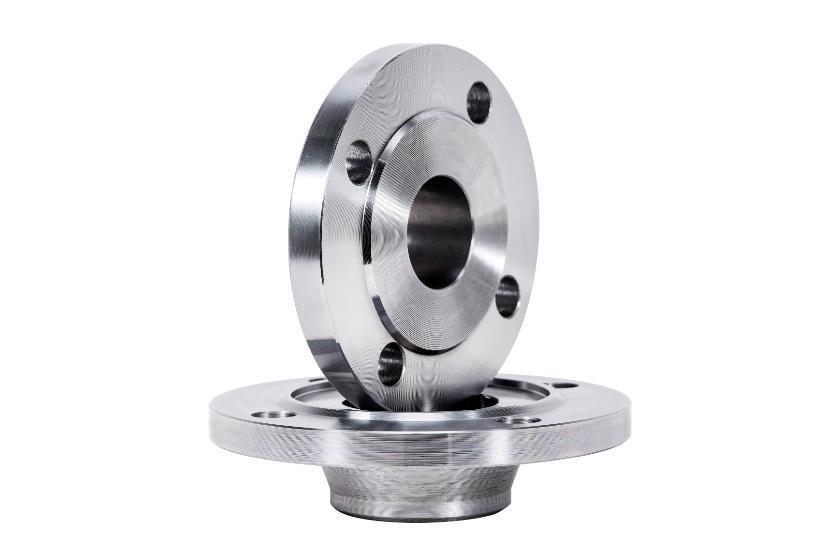
Understanding American Standard Flange in Construction and Decoration Materials
American standard flanges are critical components in the field of construction and decorative materials, particularly in piping systems. These flanges adhere to specific standards established by organizations such as the American National Standards Institute (ANSI) and the American Society of Mechanical Engineers (ASME). Their design and specifications are essential for ensuring compatibility and
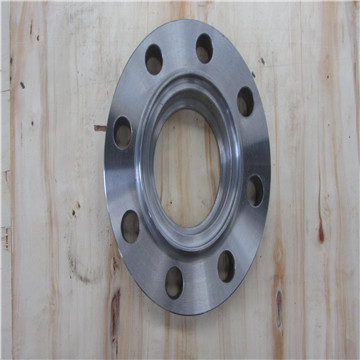
Exploring the Advantages of Using Threaded Flanges in HVAC Systems
Exploring the Advantages of Using Threaded Flanges in HVAC Systems Table of Contents 1. Introduction to Threaded Flanges in HVAC 2. Understanding Threaded Flanges 3. Benefits of Using Threaded Flanges in HVAC Systems 3.1 Superior Sealing Capability 3.2 Ease of Installation and Maintenance 3.3 Cost-Effectiveness 3.4 Versatility i

The Essential Guide to Flanged Connections in Building and Decorative Materials
Flanged connections are vital components in the construction and decorative materials sector, especially in the context of piping systems and fittings. Understanding their function, design, and application can significantly enhance the efficiency and reliability of installations. A flanged connection involves two flanges, which are flat pieces of material with holes for bolts. These flanges are bo
Shandong Xinhao Forging Co.,Ltd.
Tel:+86-15098858482
WeChat: 543983004
Email:xinhaoflange@gmail.com
Whatsapp:8615098858482
Website:www.xhflange.com

TikTok