


Innovative Uses of Flat Flanges in Decorative Architecture
Release time:
2025-07-22
Innovative Uses of Flat Flanges in Decorative Architecture Table of Contents Introduction to Flat Flanges What Are Flat Flanges? Historical Significance of Flanges in Architecture Modern Innovations in Flat Flange Design Aesthetic Applications of Flat Flanges Functional Benefits of Using Flat Flanges Environmental Impact of Decorative Flange Usage Future Trends in Decorative Archi
Innovative Uses of Flat Flanges in Decorative Architecture
Table of Contents
- Introduction to Flat Flanges
- What Are Flat Flanges?
- Historical Significance of Flanges in Architecture
- Modern Innovations in Flat Flange Design
- Aesthetic Applications of Flat Flanges
- Functional Benefits of Using Flat Flanges
- Environmental Impact of Decorative Flange Usage
- Future Trends in Decorative Architecture with Flat Flanges
- FAQs About Flat Flanges in Architecture
- Conclusion
Introduction to Flat Flanges
In the realm of **decorative architecture**, the integration of various materials and components plays a pivotal role in shaping both functionality and aesthetics. One such component that has seen innovative applications is the **flat flange**. Traditionally regarded as a mere mechanical component used in piping and connections, flat flanges are now emerging as a versatile element in architectural design. This article aims to explore the innovative uses of flat flanges, highlighting their **design potential** and **functional advantages**.
What Are Flat Flanges?
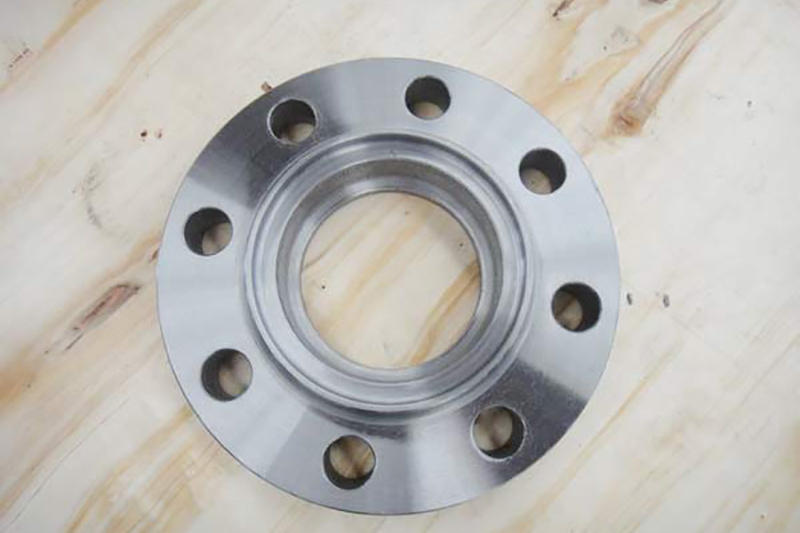
Flat flanges are **disc-shaped mechanical components** that provide a means for connecting pipes, valves, and other equipment. They are typically made from materials like **stainless steel**, **aluminum**, or **plastic**, and come in various sizes and thicknesses. In architecture, flat flanges serve not just as structural elements but also as decorative features, offering an intersection of engineering and artistry.
Types of Flat Flanges
Flat flanges can be categorized into several types based on their construction and application:
- **Slip-On Flanges**: These flanges slide over the pipe and are welded in place.
- **Weld Neck Flanges**: Designed to be welded to the pipe, these flanges offer a strong connection.
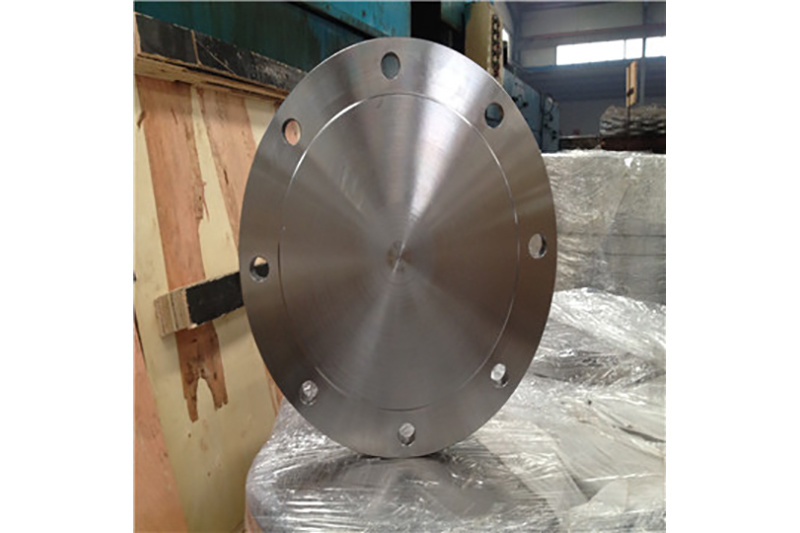
- **Blind Flanges**: Used to seal the end of a pipe, these flanges are integral in applications where future expansion is necessary.
Historical Significance of Flanges in Architecture
The use of flanges in construction dates back centuries, initially tied to the **industrial revolution**. Flanges allowed for the efficient assembly of metal structures and piping systems. As architects sought new ways to innovate, the aesthetic application of flanges began to evolve. The introduction of flat flanges marked a turning point where **functionality met artistry**, allowing builders to create visually striking designs while maintaining structural integrity.
Modern Innovations in Flat Flange Design
Today, innovative technologies and materials have transformed flat flanges into symbols of modern architecture. Designers are now using advanced fabrication techniques, such as **3D printing** and **CNC machining**, to create bespoke flat flanges that can fit unique architectural needs. The ability to customize shapes, sizes, and finishes opens up a realm of possibilities for **creative expression** in architectural projects.
Integration with Smart Technology
As smart buildings gain traction, flat flanges are being integrated with technology to enhance functionality. They can incorporate **sensors** to monitor structural integrity or environmental conditions, paving the way for smarter, more sustainable architectural solutions.
Aesthetic Applications of Flat Flanges
One of the most compelling uses of flat flanges in modern architecture lies in their ability to enhance aesthetics. Here are a few innovative applications:
1. Decorative Facades
Flanges can be used in designing intricate building facades. Their geometric shapes can create striking patterns, while the choice of materials and finishes can contribute to a building's overall visual identity. For instance, a **stainless steel flat flange** can provide a sleek, modern look when juxtaposed with glass or stone.
2. Artistic Installations
Architects and artists are increasingly utilizing flat flanges in **art installations**. By combining various materials and configurations, they create captivating sculptures that challenge conventional design boundaries. These installations not only serve as focal points but also enhance public spaces.
3. Interior Design Elements
In interior spaces, flat flanges can be incorporated into elements like **lighting fixtures**, **furniture**, and **partition walls**. Their unique shapes can add depth and interest, transforming mundane objects into statement pieces.
Functional Benefits of Using Flat Flanges
Beyond aesthetics, flat flanges offer numerous functional benefits that contribute to their adoption in architectural applications.
1. Structural Integrity
Flat flanges provide robust connections in various structures, ensuring stability and safety. Their ability to withstand significant loads makes them ideal for both indoor and outdoor applications.
2. Ease of Installation
The design simplicity of flat flanges allows for straightforward installation. This efficiency can reduce construction time and costs, a crucial factor in modern architectural projects.
3. Versatility
Flat flanges can be adapted for a variety of uses, from **load-bearing structures** to decorative accents. This versatility allows architects to explore creative solutions without compromising on safety or functionality.
Environmental Impact of Decorative Flange Usage
Sustainability is a significant concern in contemporary architecture, and flat flanges can contribute positively to this aspect. By utilizing **recyclable materials** and integrating flanges into energy-efficient designs, architects can minimize their environmental footprint.
1. Use of Recyclable Materials
Many flat flanges are made from metals that can be recycled at the end of their lifespan. This characteristic enhances sustainability, allowing architects to design with a circular economy in mind.
2. Energy Efficiency
Incorporating flat flanges in energy-efficient designs, such as passive heating and cooling systems, demonstrates a commitment to sustainable practices. By facilitating better airflow and thermal regulation, flanges can help reduce energy consumption in buildings.
Future Trends in Decorative Architecture with Flat Flanges
As architectural design continues to evolve, flat flanges will undoubtedly play an integral role. Some anticipated trends include:
1. Customization and Personalization
Advancements in manufacturing technologies will allow for greater customization of flat flanges, enabling architects to create unique designs tailored to specific projects and client preferences.
2. Integration of Smart Materials
Future developments may see the integration of smart materials into flat flanges. These materials could respond to environmental changes, enhancing both functionality and sustainability.
3. Increased Collaboration Between Disciplines
Architects, engineers, and artists will increasingly collaborate to explore innovative uses of flat flanges, pushing the boundaries of traditional architectural design.
FAQs About Flat Flanges in Architecture
1. What are the primary materials used for flat flanges in architecture?
Flat flanges are commonly made from **stainless steel**, **aluminum**, and various types of plastics, chosen for their strength, durability, and aesthetic qualities.
2. How do flat flanges contribute to the structural integrity of a building?
Flat flanges provide stable connections between various structural elements, ensuring that loads are evenly distributed and enhancing overall stability.
3. Can flat flanges be customized for specific architectural needs?
Yes, flat flanges can be designed and manufactured to meet specific requirements, including size, shape, and finish, allowing for tailored architectural solutions.
4. Are flat flanges environmentally friendly?
When made from recyclable materials and designed with sustainability in mind, flat flanges can contribute positively to environmental efforts in architecture.
5. What are some creative examples of flat flanges in use?
Examples include decorative facades on buildings, artistic installations in public spaces, and unique light fixtures, showcasing the blend of functionality and aesthetics.
Conclusion
The innovative uses of flat flanges in decorative architecture represent a significant evolution in design and functionality. As architects continue to push boundaries, these components will undoubtedly play a vital role in shaping the future of architectural aesthetics. By embracing the versatility of flat flanges, designers can create structures that are not only visually stunning but also functionally sound and environmentally responsible. Whether in the form of decorative elements or structural components, flat flanges are poised to remain a key feature in the realm of contemporary architecture.
Latest developments
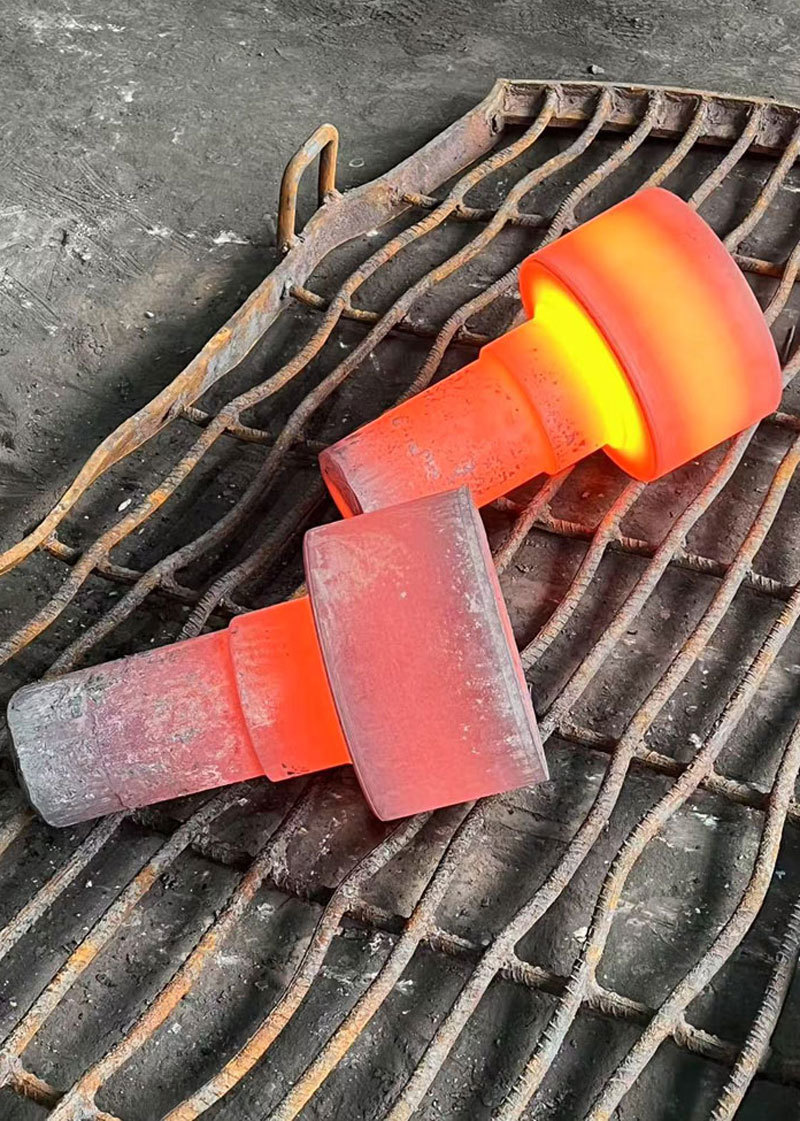
Quality Standards in the Forging of Stainless Steel Products: Ensuring Excellence in Metallurgy
Quality Standards in the Forging of Stainless Steel Products Table of Contents Introduction to Stainless Steel Forging The Importance of Quality Standards in Forging Types of Stainless Steel Used in Forging Common Forging Processes in Stainless Steel Manufacturing Quality Assurance Methodologies in Stainless Steel Forging Testing and Certification of Stainless Steel Products Global
Understanding Non-Standard Flanges: A Key Component in Architectural Applications
Non-standard flanges are specialized components that deviate from conventional sizing and design specifications. Unlike standard flanges, which adhere to established dimensions and pressure ratings, non-standard flanges are custom-made to meet unique project requirements. These flanges are crucial in various architectural and construction applications, particularly when dealing with unconventional
The Importance of Quality Control for Japanese Standard Flanges: Ensuring Durability and Reliability
The Importance of Quality Control for Japanese Standard Flanges In the construction and manufacturing sectors, the significance of quality control cannot be overstated, especially for components as crucial as flanges. Japanese standard flanges, known for their precision and durability, require stringent quality control measures to meet the demands of various applications. This article delves into
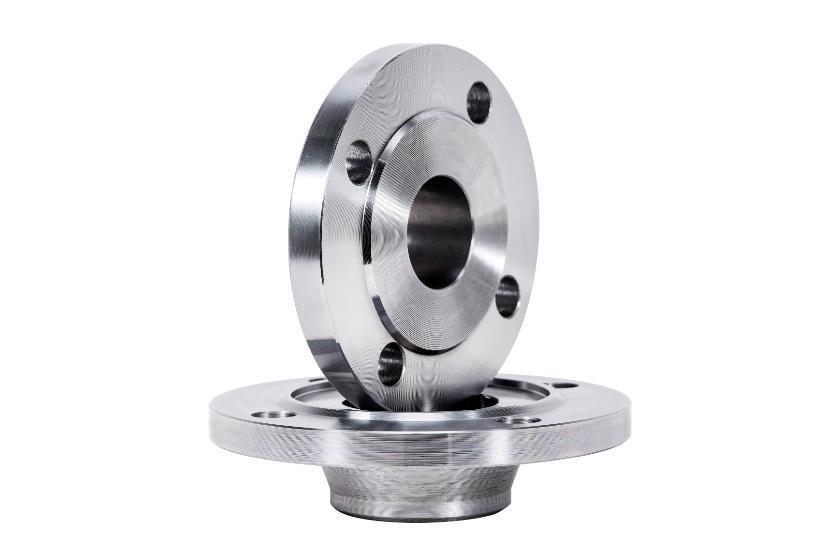
Understanding American Standard Flange in Construction and Decoration Materials
American standard flanges are critical components in the field of construction and decorative materials, particularly in piping systems. These flanges adhere to specific standards established by organizations such as the American National Standards Institute (ANSI) and the American Society of Mechanical Engineers (ASME). Their design and specifications are essential for ensuring compatibility and
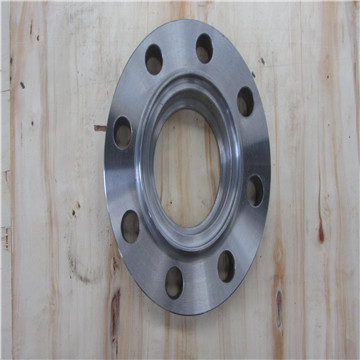
Exploring the Advantages of Using Threaded Flanges in HVAC Systems
Exploring the Advantages of Using Threaded Flanges in HVAC Systems Table of Contents 1. Introduction to Threaded Flanges in HVAC 2. Understanding Threaded Flanges 3. Benefits of Using Threaded Flanges in HVAC Systems 3.1 Superior Sealing Capability 3.2 Ease of Installation and Maintenance 3.3 Cost-Effectiveness 3.4 Versatility i

The Essential Guide to Flanged Connections in Building and Decorative Materials
Flanged connections are vital components in the construction and decorative materials sector, especially in the context of piping systems and fittings. Understanding their function, design, and application can significantly enhance the efficiency and reliability of installations. A flanged connection involves two flanges, which are flat pieces of material with holes for bolts. These flanges are bo
Shandong Xinhao Forging Co.,Ltd.
Tel:+86-15098858482
WeChat: 543983004
Email:xinhaoflange@gmail.com
Whatsapp:8615098858482
Website:www.xhflange.com

TikTok