

Essential Guide on Maintaining and Caring for Your Sliding Flanges for Enhanced Longevity
Release time:
2025-07-24
Essential Guide on Maintaining and Caring for Your Sliding Flanges for Enhanced Longevity Table of Contents Introduction to Sliding Flanges and Their Importance Understanding Sliding Flanges: Types and Applications Common Issues Encountered with Sliding Flanges Effective Maintenance Tips for Sliding Flanges Cleaning Procedures for Optimal Performance Importance of Regu

Essential Guide on Maintaining and Caring for Your Sliding Flanges for Enhanced Longevity
Table of Contents
- Introduction to Sliding Flanges and Their Importance
- Understanding Sliding Flanges: Types and Applications
- Common Issues Encountered with Sliding Flanges
- Effective Maintenance Tips for Sliding Flanges
- Cleaning Procedures for Optimal Performance
- Importance of Regular Inspections and Monitoring
- How Environmental Factors Affect Sliding Flanges
- When to Seek Professional Assistance
- Conclusion
- Frequently Asked Questions (FAQs)
Introduction to Sliding Flanges and Their Importance
Sliding flanges are pivotal components in various piping and construction systems, serving as connectors that facilitate the movement of fluids and gases. These flanges allow for thermal expansion and contraction without compromising the integrity of the pipeline. Proper maintenance and care are crucial to ensure their functionality and longevity, ultimately safeguarding your entire infrastructure.
Understanding Sliding Flanges: Types and Applications
Sliding flanges come in various types, each designed for specific applications. The most common types include:
1. Standard Sliding Flanges
These flanges are utilized in a wide array of industries and applications, providing a robust connection in standard piping systems.
2. Specially Designed Sliding Flanges
These flanges are custom-engineered for unique applications, often featuring reinforced designs to handle high-pressure environments or extreme temperatures.
Applications
Sliding flanges are commonly found in industries such as oil and gas, water treatment, HVAC systems, and construction. Understanding where and how they are used is essential for implementing effective maintenance strategies.
Common Issues Encountered with Sliding Flanges
Over time, sliding flanges can encounter several issues that may affect their performance, including:
1. Corrosion
One of the most prevalent problems, corrosion can weaken flanges and lead to leaks. Environmental factors, such as humidity and the presence of chemicals, can accelerate this process.
2. Misalignment
Improper installation or shifting of piping can lead to misalignment, putting undue stress on the flanges and potentially causing failure.
3. Wear and Tear
Regular usage can lead to wear and tear, affecting the sealing capabilities and overall function of the sliding flanges.
4. Accumulation of Debris
Debris accumulation can obstruct the flow of fluids and gases, leading to operational inefficiencies and increased maintenance needs.
Effective Maintenance Tips for Sliding Flanges
To enhance the longevity of your sliding flanges, consider implementing the following maintenance tips:
1. Regular Cleaning
Keep flanges free from dirt and debris by cleaning them regularly. Use a suitable cleaning solution and soft cloth to avoid scratching the surface.
2. Lubrication
Apply a suitable lubricant to the sliding surfaces to minimize friction and wear. Ensure that you use lubricants that are compatible with the materials involved.
3. Monitor for Signs of Damage
Regularly inspect flanges for any signs of wear, corrosion, or misalignment. Early detection of issues can prevent costly repairs in the future.
4. Tightening Bolts and Fasteners
Ensure that all bolts and fasteners are tightened to the manufacturer's specifications to maintain proper alignment and function.
5. Use Protective Coatings
Consider applying protective coatings to combat corrosion and environmental damage, especially in harsh conditions.
Cleaning Procedures for Optimal Performance
Proper cleaning is essential for maintaining sliding flanges. Follow these steps for effective cleaning:
1. Prepare the Cleaning Solution
Choose a non-corrosive cleaning solution that is suitable for the materials of your flanges. Avoid harsh chemicals that could cause damage.
2. Disassemble if Necessary
If there is significant buildup or if the flanges have not been cleaned in a while, consider disassembling them for thorough cleaning.
3. Clean with Care
Use a soft brush or cloth to apply the cleaning solution. Avoid abrasive tools that could scratch or damage the flange surface.
4. Rinse and Dry
After cleaning, rinse the flanges with clean water and dry them completely to prevent moisture accumulation and subsequent corrosion.
Importance of Regular Inspections and Monitoring
Conducting regular inspections is vital in identifying potential issues before they escalate. Create a routine inspection schedule that includes:
1. Visual Inspections
Regularly check for visible signs of corrosion, misalignment, and wear.
2. Performance Monitoring
Monitor the performance of the flanges in their operational environment, paying attention to any changes that may indicate a problem.
3. Documentation
Keep a record of inspections, maintenance activities, and any issues encountered. This documentation can help in future troubleshooting and maintenance planning.
How Environmental Factors Affect Sliding Flanges
Environmental conditions can significantly impact the lifespan and performance of sliding flanges. Common factors include:
1. Temperature Variations
Extreme temperature fluctuations can cause expansion and contraction, leading to misalignment and increased wear.
2. Humidity and Moisture
High humidity levels can accelerate corrosion, particularly in metal flanges. Protective coatings can be beneficial in such environments.
3. Chemical Exposure
Exposure to chemicals can corrode materials and compromise the integrity of sliding flanges. Always select materials that are resistant to the specific chemicals involved.
When to Seek Professional Assistance
Certain situations may warrant professional assistance for sliding flange maintenance:
1. Major Repairs
If significant damage is detected, such as severe corrosion or structural failure, seek professional help to ensure proper repair techniques are employed.
2. Installation Issues
If you encounter persistent misalignment or other installation-related problems, consulting a professional can provide you with effective solutions.
3. Lack of Expertise
For those who lack experience in flange maintenance, hiring a professional ensures that all procedures are performed correctly and safely.
Conclusion
Incorporating proper maintenance and care practices for your sliding flanges is essential for ensuring their longevity and optimal performance. Regular inspections, effective cleaning procedures, and awareness of environmental factors are key to preventing common issues such as corrosion and misalignment. By implementing these strategies, you can significantly enhance the durability of your sliding flanges and safeguard your infrastructure investment.
Frequently Asked Questions (FAQs)
1. How often should I inspect my sliding flanges?
Regular inspections should be conducted at least quarterly, or more frequently if the flanges are exposed to harsh conditions.
2. What is the best way to clean sliding flanges?
Use a non-corrosive cleaning solution and a soft cloth or brush to gently remove dirt and debris.
3. Can I lubricate my sliding flanges with any lubricant?
No, always use a lubricant that is specifically designed for the materials of your sliding flanges to avoid damage.
4. What signs indicate my sliding flanges need attention?
Look for signs of corrosion, leaks, misalignment, or unusual noises during operation.
5. When should I consider replacing my sliding flanges?
Consider replacement if you notice significant corrosion, structural damage, or if they fail to maintain a proper seal despite maintenance efforts.
Latest developments
Quality Standards in the Forging of Stainless Steel Products: Ensuring Excellence in Metallurgy
Quality Standards in the Forging of Stainless Steel Products Table of Contents Introduction to Stainless Steel Forging The Importance of Quality Standards in Forging Types of Stainless Steel Used in Forging Common Forging Processes in Stainless Steel Manufacturing Quality Assurance Methodologies in Stainless Steel Forging Testing and Certification of Stainless Steel Products Global
Understanding Non-Standard Flanges: A Key Component in Architectural Applications
Non-standard flanges are specialized components that deviate from conventional sizing and design specifications. Unlike standard flanges, which adhere to established dimensions and pressure ratings, non-standard flanges are custom-made to meet unique project requirements. These flanges are crucial in various architectural and construction applications, particularly when dealing with unconventional
The Importance of Quality Control for Japanese Standard Flanges: Ensuring Durability and Reliability
The Importance of Quality Control for Japanese Standard Flanges In the construction and manufacturing sectors, the significance of quality control cannot be overstated, especially for components as crucial as flanges. Japanese standard flanges, known for their precision and durability, require stringent quality control measures to meet the demands of various applications. This article delves into
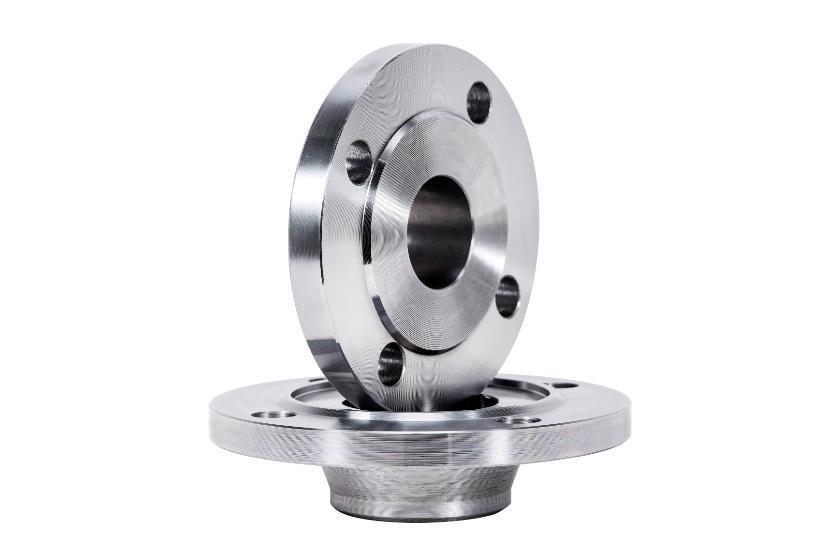
Understanding American Standard Flange in Construction and Decoration Materials
American standard flanges are critical components in the field of construction and decorative materials, particularly in piping systems. These flanges adhere to specific standards established by organizations such as the American National Standards Institute (ANSI) and the American Society of Mechanical Engineers (ASME). Their design and specifications are essential for ensuring compatibility and
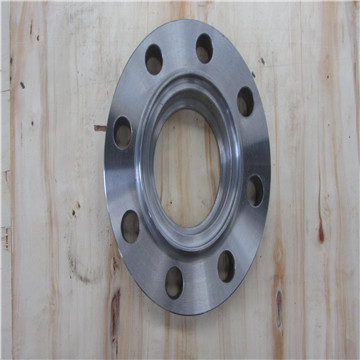
Exploring the Advantages of Using Threaded Flanges in HVAC Systems
Exploring the Advantages of Using Threaded Flanges in HVAC Systems Table of Contents 1. Introduction to Threaded Flanges in HVAC 2. Understanding Threaded Flanges 3. Benefits of Using Threaded Flanges in HVAC Systems 3.1 Superior Sealing Capability 3.2 Ease of Installation and Maintenance 3.3 Cost-Effectiveness 3.4 Versatility i

The Essential Guide to Flanged Connections in Building and Decorative Materials
Flanged connections are vital components in the construction and decorative materials sector, especially in the context of piping systems and fittings. Understanding their function, design, and application can significantly enhance the efficiency and reliability of installations. A flanged connection involves two flanges, which are flat pieces of material with holes for bolts. These flanges are bo
Shandong Xinhao Forging Co.,Ltd.
Tel:+86-15098858482
WeChat: 543983004
Email:xinhaoflange@gmail.com
Whatsapp:8615098858482
Website:www.xhflange.com

TikTok