

Sustainability in the Forging of Stainless Steel: A Greener Approach to Metal Production
Release time:
2025-07-30
Sustainability in the Forging of Stainless Steel: A Greener Approach to Metal Production Table of Contents 1. Introduction to Sustainable Forging 2. Importance of Sustainability in Stainless Steel Production 3. Current Environmental Challenges in Stainless Steel Forging 4. Innovative Techniques for Sustainable Forging 4.1 Recycling and Reuse of Materials
Sustainability in the Forging of Stainless Steel: A Greener Approach to Metal Production
Table of Contents
- 1. Introduction to Sustainable Forging
- 2. Importance of Sustainability in Stainless Steel Production
- 3. Current Environmental Challenges in Stainless Steel Forging
- 4. Innovative Techniques for Sustainable Forging
- 4.1 Recycling and Reuse of Materials
- 4.2 Energy-Efficient Processes
- 4.3 Use of Eco-Friendly Materials
- 5. Case Studies of Sustainable Practices
- 6. The Future of Sustainability in Stainless Steel Forging
- 7. Conclusion
- 8. FAQs
1. Introduction to Sustainable Forging
The forging of stainless steel is an essential process that underpins numerous industries, from construction to automotive manufacturing. However, the environmental impact of traditional forging practices raises significant concerns. In response, the industry is gradually shifting toward sustainable methods. This article outlines the various strategies being employed to foster sustainability in the forging of stainless steel, ensuring that future generations can benefit from this versatile material without compromising the planet.
2. Importance of Sustainability in Stainless Steel Production
Sustainability in stainless steel production is crucial for several reasons:
2.1 Environmental Impact Reduction
The forging process often involves high energy consumption and the emission of greenhouse gases. Implementing sustainable practices significantly reduces the industry's carbon footprint, contributing to global efforts against climate change.
2.2 Resource Conservation
With depleting natural resources, adopting sustainable methods ensures that materials are utilized efficiently. This includes recycling scrap stainless steel and minimizing waste throughout the forging process.
2.3 Economic Benefits
Sustainable practices can lead to cost savings in the long term. By reducing energy consumption and material waste, manufacturers can enhance their profitability while also appealing to environmentally conscious consumers.
3. Current Environmental Challenges in Stainless Steel Forging
Despite advancements, several challenges persist within the stainless steel forging industry:
3.1 High Energy Consumption
The traditional forging process is energy-intensive, primarily reliant on fossil fuels. Transitioning to renewable energy sources is vital for reducing overall energy consumption.
3.2 Waste Generation
A significant amount of waste is generated during the forging process, including metal scraps and byproducts. Effective waste management strategies must be developed to minimize this impact.
3.3 Emission of Greenhouse Gases
The production of stainless steel contributes to greenhouse gas emissions. Identifying alternative methods that produce fewer emissions is essential for a sustainable future.
4. Innovative Techniques for Sustainable Forging
To tackle these challenges, the industry is exploring various innovative techniques:
4.1 Recycling and Reuse of Materials
Recycling stainless steel is one of the most effective ways to promote sustainability. The material can be reprocessed without losing its inherent properties, making it an ideal candidate for a circular economy. Manufacturers can utilize post-consumer scrap and industrial waste, significantly reducing the need for virgin materials.
4.2 Energy-Efficient Processes
The adoption of energy-efficient technologies, such as electric arc furnaces (EAFs), is on the rise. EAFs consume less energy than traditional methods and can be powered by renewable sources. Additionally, integrating automation and smart manufacturing techniques can optimize energy use throughout the forging process.
4.3 Use of Eco-Friendly Materials
Utilizing eco-friendly materials, such as bio-based lubricants and non-toxic cleaning agents, can enhance the sustainability of the forging process. These materials reduce harmful emissions and improve worker safety, aligning with broader environmental health goals.
5. Case Studies of Sustainable Practices
Several companies are leading the way in sustainable stainless steel forging:
5.1 Company A: Leader in Recycling Initiatives
Company A has implemented a comprehensive recycling program that has increased its use of scrap materials by 50%. This initiative not only lowers costs but also significantly reduces waste sent to landfills.
5.2 Company B: Innovating with Renewable Energy
Company B has invested in solar energy to power its forging operations. This shift has decreased its reliance on fossil fuels and resulted in a 30% reduction in greenhouse gas emissions, setting a benchmark for others in the industry.
5.3 Company C: Sustainable Supply Chain Management
Company C focuses on sourcing its materials from suppliers who adhere to sustainable practices. This commitment ensures that every facet of production aligns with environmental goals, fostering a more responsible supply chain.
6. The Future of Sustainability in Stainless Steel Forging
The future of sustainability in stainless steel forging looks promising with emerging technologies:
6.1 The Role of Artificial Intelligence
Artificial intelligence (AI) can optimize production processes by analyzing data to predict energy usage and material waste. Manufacturers can utilize AI to enhance decision-making and operational efficiency.
6.2 Advancements in Biodegradable Materials
Research into biodegradable alternatives for traditional materials could revolutionize the forging process. These advancements may lead to reduced environmental impacts and enhanced sustainability.
6.3 Global Collaborative Efforts
International collaborations among manufacturers, environmental organizations, and governments will play a vital role in shaping sustainable practices. By sharing research and best practices, the industry can collectively push toward a greener future.
7. Conclusion
The forging of stainless steel is at a pivotal point where sustainability is becoming increasingly important. By embracing innovative techniques, recycling materials, and investing in renewable energy, manufacturers can significantly reduce their environmental impact. As the industry continues to evolve, the commitment to sustainability will not only benefit the planet but also enhance the economic viability of stainless steel production. Urging manufacturers and consumers to support these sustainable practices will pave the way for a greener, more responsible future in metal production.
8. FAQs
What is sustainable forging?
Sustainable forging refers to the implementation of practices and technologies that minimize environmental impact during the stainless steel forging process. This includes recycling materials, reducing energy consumption, and utilizing eco-friendly methods.
Why is recycling important in stainless steel production?
Recycling is crucial because it reduces the demand for virgin materials, conserves natural resources, and minimizes waste. Stainless steel can be recycled indefinitely without losing its properties, making it a sustainable option.
How can manufacturers reduce energy consumption in forging?
Manufacturers can reduce energy consumption by adopting energy-efficient technologies, such as electric arc furnaces, and integrating smart manufacturing practices to optimize energy use throughout production.
What are eco-friendly materials used in forging?
Eco-friendly materials can include bio-based lubricants, non-toxic cleaning agents, and recycled materials. These alternatives help reduce harmful emissions and improve overall sustainability in the forging process.
What is the future of sustainability in the forging industry?
The future includes advancements in renewable energy, AI optimization, and biodegradable materials, along with collaborative efforts among industry stakeholders to promote sustainable practices and innovations.
Latest developments
Quality Standards in the Forging of Stainless Steel Products: Ensuring Excellence in Metallurgy
Quality Standards in the Forging of Stainless Steel Products Table of Contents Introduction to Stainless Steel Forging The Importance of Quality Standards in Forging Types of Stainless Steel Used in Forging Common Forging Processes in Stainless Steel Manufacturing Quality Assurance Methodologies in Stainless Steel Forging Testing and Certification of Stainless Steel Products Global
Understanding Non-Standard Flanges: A Key Component in Architectural Applications
Non-standard flanges are specialized components that deviate from conventional sizing and design specifications. Unlike standard flanges, which adhere to established dimensions and pressure ratings, non-standard flanges are custom-made to meet unique project requirements. These flanges are crucial in various architectural and construction applications, particularly when dealing with unconventional
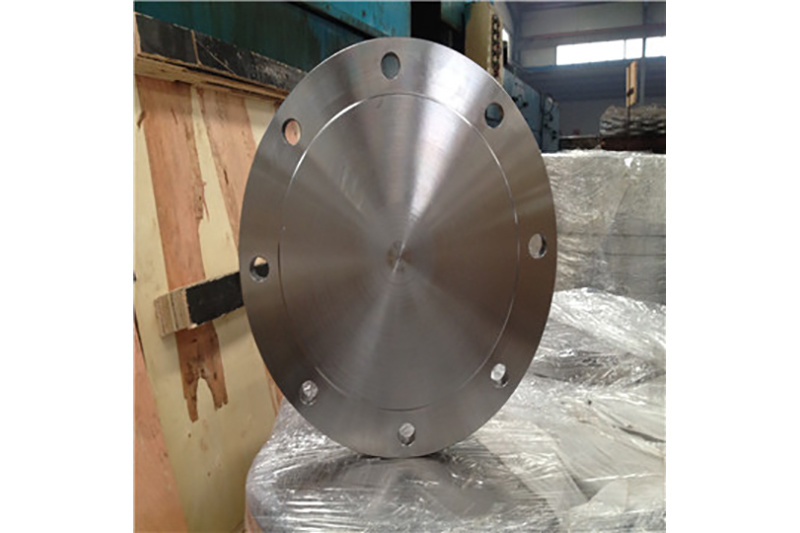
The Importance of Quality Control for Japanese Standard Flanges: Ensuring Durability and Reliability
The Importance of Quality Control for Japanese Standard Flanges In the construction and manufacturing sectors, the significance of quality control cannot be overstated, especially for components as crucial as flanges. Japanese standard flanges, known for their precision and durability, require stringent quality control measures to meet the demands of various applications. This article delves into
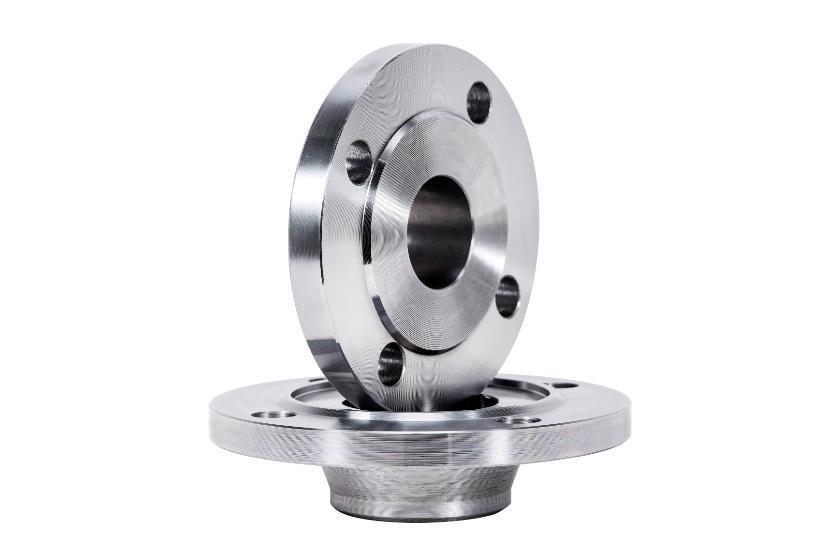
Understanding American Standard Flange in Construction and Decoration Materials
American standard flanges are critical components in the field of construction and decorative materials, particularly in piping systems. These flanges adhere to specific standards established by organizations such as the American National Standards Institute (ANSI) and the American Society of Mechanical Engineers (ASME). Their design and specifications are essential for ensuring compatibility and
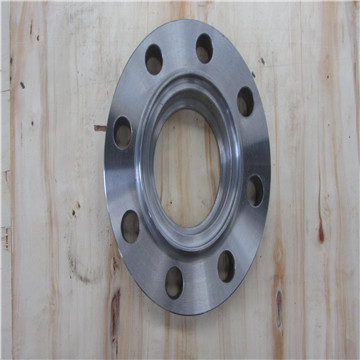
Exploring the Advantages of Using Threaded Flanges in HVAC Systems
Exploring the Advantages of Using Threaded Flanges in HVAC Systems Table of Contents 1. Introduction to Threaded Flanges in HVAC 2. Understanding Threaded Flanges 3. Benefits of Using Threaded Flanges in HVAC Systems 3.1 Superior Sealing Capability 3.2 Ease of Installation and Maintenance 3.3 Cost-Effectiveness 3.4 Versatility i

The Essential Guide to Flanged Connections in Building and Decorative Materials
Flanged connections are vital components in the construction and decorative materials sector, especially in the context of piping systems and fittings. Understanding their function, design, and application can significantly enhance the efficiency and reliability of installations. A flanged connection involves two flanges, which are flat pieces of material with holes for bolts. These flanges are bo
Shandong Xinhao Forging Co.,Ltd.
Tel:+86-15098858482
WeChat: 543983004
Email:xinhaoflange@gmail.com
Whatsapp:8615098858482
Website:www.xhflange.com

TikTok