

How Japanese Standard Flanges Optimize Infrastructure Projects for Enhanced Performance
Release time:
2025-08-07
How Japanese Standard Flanges Optimize Infrastructure Projects Table of Contents 1. Introduction to Japanese Standard Flanges 2. The Importance of Flanges in Infrastructure 3. Understanding Japanese Standards for Flanges 4. Benefits of Using Japanese Standard Flanges 5. Applications of Japanese Standard Flanges in Infrastructure Projects 6. Comparing Japanese Flanges with
How Japanese Standard Flanges Optimize Infrastructure Projects
Table of Contents
- 1. Introduction to Japanese Standard Flanges
- 2. The Importance of Flanges in Infrastructure
- 3. Understanding Japanese Standards for Flanges
- 4. Benefits of Using Japanese Standard Flanges
- 5. Applications of Japanese Standard Flanges in Infrastructure Projects
- 6. Comparing Japanese Flanges with Other Standards
- 7. Best Practices for Installing Japanese Standard Flanges
- 8. Conclusion
- 9. Frequently Asked Questions
1. Introduction to Japanese Standard Flanges
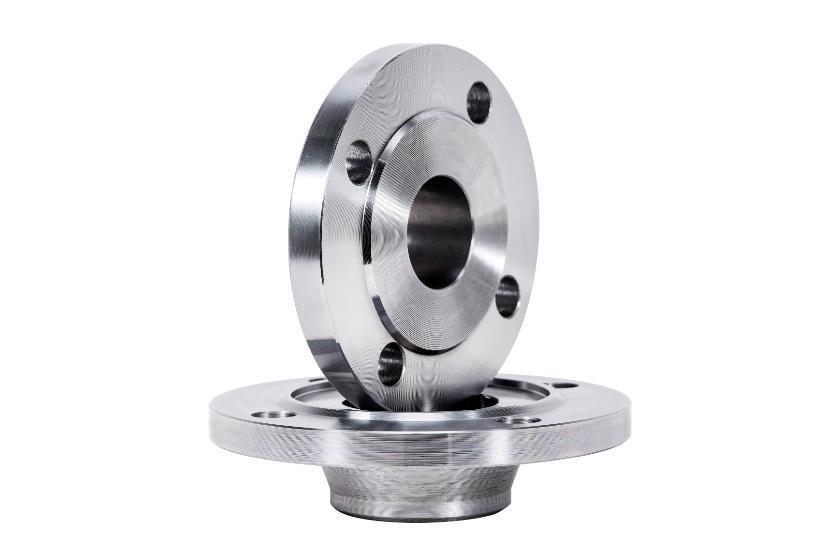
In the realm of construction and engineering, **flanges** are pivotal components that help create robust connections between pipes, valves, pumps, and other equipment. Among various standards, **Japanese standard flanges** have carved a niche for themselves due to their exceptional quality and precision. This article explores how these flanges optimize infrastructure projects, ensuring reliability and efficiency in various applications.
2. The Importance of Flanges in Infrastructure
Flanges serve multiple purposes in infrastructure projects, including:
- **Creating Secure Connections**: They ensure that different components are securely attached, preventing leaks and failures.
- **Facilitating Maintenance**: Flanges allow for easy disassembly, which is essential for maintenance and repairs.
- **Enhancing Structural Integrity**: By providing strong joints, flanges contribute to the overall stability of the infrastructure.
Understanding their role highlights why selecting the right flange type, such as those conforming to Japanese standards, is crucial for the success of an infrastructure project.
3. Understanding Japanese Standards for Flanges
Japanese standard flanges are designed according to strict regulations set by the **Japanese Industrial Standards (JIS)**. This ensures:
- **Uniformity**: All flanges adhere to specific dimensions and tolerances, which simplifies the engineering process.
- **Quality Assurance**: Rigorous testing guarantees that flanges can withstand varying pressures and temperatures, essential for infrastructure durability.
- **Compatibility**: JIS specifications ensure that these flanges are compatible with both domestic and international components.
The adherence to these standards leads to enhanced performance in various infrastructure applications.
4. Benefits of Using Japanese Standard Flanges
Utilizing Japanese standard flanges in infrastructure projects yields several significant benefits:
4.1 Precision Engineering
Japanese flanges are known for their high precision. This accuracy minimizes gaps and misalignments, which can lead to inefficiencies and failures in systems.
4.2 Durability and Reliability
Manufactured from high-grade materials, Japanese flanges are designed to endure harsh conditions. Their resilience ensures long-term functionality and reduces the likelihood of costly repairs.
4.3 Cost-Effectiveness
While the initial investment may be higher, the long lifespan and reduced maintenance costs associated with Japanese standard flanges result in overall savings for infrastructure projects.
4.4 Enhanced Safety
Using quality flanges minimizes risks associated with leaks and structural failures, enhancing the safety of construction projects.
5. Applications of Japanese Standard Flanges in Infrastructure Projects
Japanese standard flanges find applications in various sectors, including:
5.1 Water Supply Systems
In municipal water supply systems, flanges are crucial for connecting pipes and valves, ensuring a secure and leak-proof system.
5.2 Oil and Gas Industry
The oil and gas sector relies heavily on flanges to connect pipelines, where any failure could lead to catastrophic events.
5.3 Chemical Processing Plants
In chemical plants, the need for corrosion-resistant and robust connections makes Japanese flanges indispensable.
5.4 HVAC Systems
Heating, ventilation, and air conditioning systems utilize flanges for efficient airflow and pressure maintenance, ensuring optimal performance.
6. Comparing Japanese Flanges with Other Standards
When it comes to flange standards, various international norms exist, including ANSI (American National Standards Institute) and DIN (Deutsches Institut für Normung). Comparing these standards with Japanese standards reveals:
- **Quality**: Japanese standards often emphasize tighter tolerances and quality control, leading to superior products.
- **Compatibility**: Japanese flanges are designed to be compatible with a wide range of international standards, offering flexibility in construction projects.
- **Innovation**: Japan’s focus on technological advancement results in innovative flange designs that enhance functionality.
This comparison underscores the advantages of selecting Japanese standard flanges for infrastructure projects.
7. Best Practices for Installing Japanese Standard Flanges
Proper installation of flanges is vital for achieving optimal performance. Consider the following best practices:
7.1 Surface Preparation
Ensure that all surfaces are clean and free of debris before installation. This prevents leaks and ensures a tight seal.
7.2 Correct Gasket Selection
Choose gaskets that meet the specifications of the application. The right gasket material enhances the performance and longevity of the flange connection.
7.3 Torque Specifications
Follow the manufacturer's torque specifications during installation. This ensures that the flanges are tightened appropriately, minimizing the risk of failure.
7.4 Regular Inspection and Maintenance
Implement a schedule for regular inspections to identify wear and tear. Early detection of issues can prevent costly repairs and enhance safety.
8. Conclusion
Japanese standard flanges play a crucial role in optimizing infrastructure projects. Their precision, durability, and adherence to high standards make them an excellent choice for various applications, from water supply systems to the oil and gas industry. By understanding the benefits, applications, and installation best practices associated with these flanges, engineers and project managers can ensure the success and longevity of their infrastructure initiatives. Investing in quality components like Japanese standard flanges ultimately leads to enhanced performance, safety, and cost-efficiency.
9. Frequently Asked Questions
FAQ 1: What are Japanese standard flanges?
Japanese standard flanges are flange components designed according to the Japanese Industrial Standards (JIS), ensuring high quality and precision in various applications.
FAQ 2: What industries commonly use Japanese standard flanges?
Industries such as water supply, oil and gas, chemical processing, and HVAC systems commonly utilize Japanese standard flanges due to their reliability and performance.
FAQ 3: How do Japanese standard flanges compare to ANSI and DIN standards?
Japanese standard flanges often offer tighter tolerances and superior quality control compared to ANSI and DIN standards, making them a preferred choice for many applications.
FAQ 4: What is the importance of proper installation of flanges?
Proper installation is critical to ensuring a secure connection, preventing leaks, and maintaining the overall integrity of the system.
FAQ 5: Are Japanese standard flanges cost-effective?
While the initial cost may be higher, the long lifespan and reduced maintenance needs make Japanese standard flanges a cost-effective choice in the long run.
Latest developments
Quality Standards in the Forging of Stainless Steel Products: Ensuring Excellence in Metallurgy
Quality Standards in the Forging of Stainless Steel Products Table of Contents Introduction to Stainless Steel Forging The Importance of Quality Standards in Forging Types of Stainless Steel Used in Forging Common Forging Processes in Stainless Steel Manufacturing Quality Assurance Methodologies in Stainless Steel Forging Testing and Certification of Stainless Steel Products Global
Understanding Non-Standard Flanges: A Key Component in Architectural Applications
Non-standard flanges are specialized components that deviate from conventional sizing and design specifications. Unlike standard flanges, which adhere to established dimensions and pressure ratings, non-standard flanges are custom-made to meet unique project requirements. These flanges are crucial in various architectural and construction applications, particularly when dealing with unconventional
The Importance of Quality Control for Japanese Standard Flanges: Ensuring Durability and Reliability
The Importance of Quality Control for Japanese Standard Flanges In the construction and manufacturing sectors, the significance of quality control cannot be overstated, especially for components as crucial as flanges. Japanese standard flanges, known for their precision and durability, require stringent quality control measures to meet the demands of various applications. This article delves into
Understanding American Standard Flange in Construction and Decoration Materials
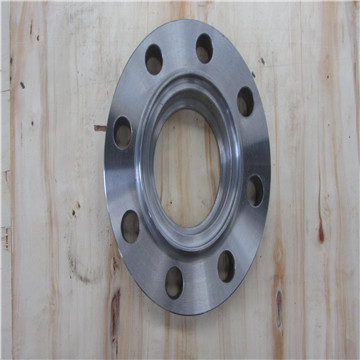
American standard flanges are critical components in the field of construction and decorative materials, particularly in piping systems. These flanges adhere to specific standards established by organizations such as the American National Standards Institute (ANSI) and the American Society of Mechanical Engineers (ASME). Their design and specifications are essential for ensuring compatibility and
Exploring the Advantages of Using Threaded Flanges in HVAC Systems
Exploring the Advantages of Using Threaded Flanges in HVAC Systems Table of Contents 1. Introduction to Threaded Flanges in HVAC 2. Understanding Threaded Flanges 3. Benefits of Using Threaded Flanges in HVAC Systems 3.1 Superior Sealing Capability 3.2 Ease of Installation and Maintenance 3.3 Cost-Effectiveness 3.4 Versatility i

The Essential Guide to Flanged Connections in Building and Decorative Materials
Flanged connections are vital components in the construction and decorative materials sector, especially in the context of piping systems and fittings. Understanding their function, design, and application can significantly enhance the efficiency and reliability of installations. A flanged connection involves two flanges, which are flat pieces of material with holes for bolts. These flanges are bo
Shandong Xinhao Forging Co.,Ltd.
Tel:+86-15098858482
WeChat: 543983004
Email:xinhaoflange@gmail.com
Whatsapp:8615098858482
Website:www.xhflange.com

TikTok