

Exploring the Different Types of Sliding Flanges Available on the Market
Release time:
2025-08-19
Exploring the Different Types of Sliding Flanges Available on the Market Sliding flanges play a crucial role in various construction and industrial applications, acting as key components in pipe systems, machinery, and structural frameworks. This article provides an in-depth examination of the different types of sliding flanges available on the market today, their applications, benefits, and consi
Exploring the Different Types of Sliding Flanges Available on the Market
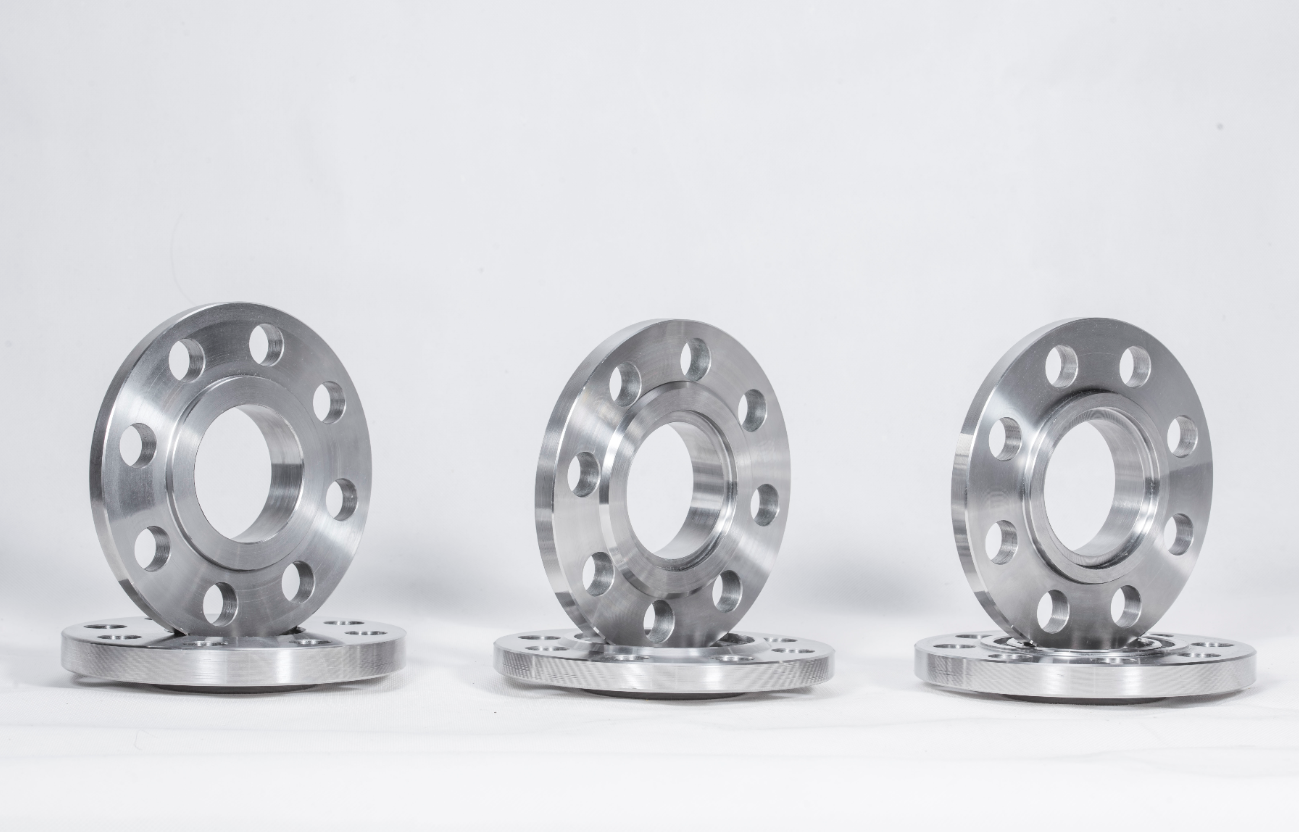
Sliding flanges play a crucial role in various construction and industrial applications, acting as key components in pipe systems, machinery, and structural frameworks. This article provides an in-depth examination of the different types of sliding flanges available on the market today, their applications, benefits, and considerations when selecting the right type for your needs.
Table of Contents
- What Are Sliding Flanges?
- Types of Sliding Flanges
- Applications of Sliding Flanges
- Benefits of Using Sliding Flanges
- Considerations When Choosing Sliding Flanges
- Maintenance and Care for Sliding Flanges
- FAQs About Sliding Flanges
- Conclusion
What Are Sliding Flanges?
Sliding flanges are integral components in piping systems, designed to connect pipes or other equipment in a manner that allows for flexibility and ease of assembly. Unlike fixed flanges, which are welded onto piping systems, sliding flanges can slide over the end of a pipe, allowing for adjustments during installation. This feature is particularly advantageous in environments where thermal expansion or contraction of pipes may occur.
Types of Sliding Flanges
There are several types of sliding flanges available, each designed for specific applications and requirements. Understanding these types can help you make an informed decision based on your project’s needs.
Weld Neck Flanges
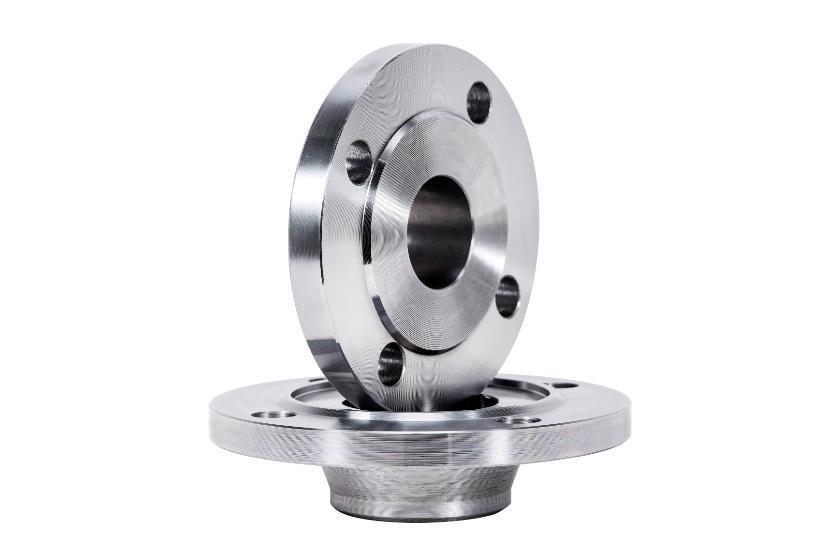
Weld neck flanges are characterized by their long neck, which allows them to be welded directly to the pipe. This type of flange is essential in high-pressure applications due to its ability to withstand significant stress. The smooth transition from the flange to the pipe helps reduce turbulence and potential leakage, making it a popular choice in the oil and gas industry.
Slip-On Flanges
Slip-on flanges are designed to slide over the pipe’s end before being welded in place. They are simpler to install than weld neck flanges and are ideal for low-pressure applications. The ease of installation and lower cost make slip-on flanges a common choice for many construction projects.
Socket Weld Flanges
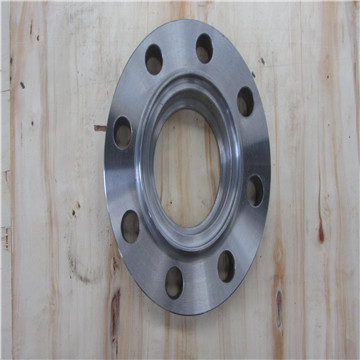
Socket weld flanges feature a socket that allows a pipe to fit inside. This design is particularly useful for small-diameter pipes. Socket weld flanges are typically used in high-pressure systems and can handle thermal expansion effectively, making them suitable for various industrial applications.
Blind Flanges
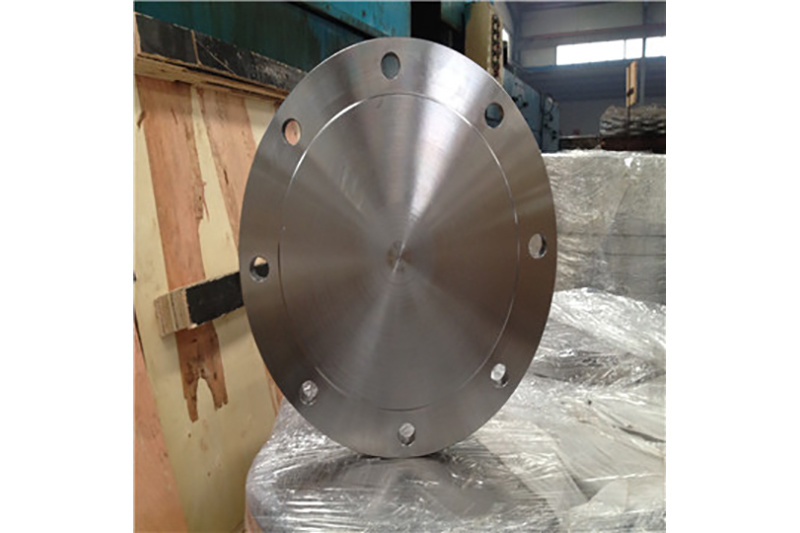
Blind flanges are solid flanges used to seal the end of a piping system. They do not have a hole in the center, which allows for a secure closure. Blind flanges are commonly utilized in systems where future expansion or maintenance might be necessary, making them a versatile option in various applications.
Applications of Sliding Flanges
Sliding flanges are widely used in different industries and applications. Understanding where and how they are applied can help in determining the right type for your needs.
1. Oil and Gas Industry
In the oil and gas sector, sliding flanges are essential for connecting pipelines and ensuring a secure seal under high pressure. The ability to withstand harsh environmental conditions and variable temperatures makes them a suitable choice for offshore and onshore installations.
2. Water Treatment Facilities
Sliding flanges are also critical in water treatment facilities, allowing for the easy maintenance of piping systems. Their design accommodates the expansion and contraction of pipes due to temperature variations, ensuring system reliability.
3. HVAC Systems
In heating, ventilation, and air conditioning (HVAC) systems, sliding flanges enable easy assembly and disassembly of ductwork. Their flexibility allows for quick repairs and replacements, making them invaluable in maintaining optimal system performance.
4. Chemical Processing
The chemical processing industry often employs sliding flanges due to their compatibility with various corrosive materials. They provide a secure and leak-proof connection that is essential for maintaining safety and operational efficiency.
Benefits of Using Sliding Flanges
The use of sliding flanges offers numerous benefits that contribute to their popularity in various applications.
1. Flexibility in Installation
Sliding flanges allow for adjustments during installation, which is crucial in projects where precision is necessary. This flexibility can save time and reduce labor costs.
2. Cost-Effectiveness
Compared to other flange types, sliding flanges are generally more affordable. Their straightforward design means fewer materials are required, resulting in overall cost savings for projects.
3. Simplified Maintenance
The ability to easily connect and disconnect pipes with sliding flanges simplifies maintenance tasks. This ease of access is essential for systems that require regular inspections or replacements.
4. Resistance to Thermal Expansion
Sliding flanges accommodate thermal expansion, which is particularly important in environments where temperature fluctuations are common. This feature helps maintain the integrity of the piping system over time.
Considerations When Choosing Sliding Flanges
Selecting the right sliding flange requires careful consideration of several factors to ensure optimal performance and longevity.
1. Material
The material used for sliding flanges should be compatible with the fluid being transported. Common materials include carbon steel, stainless steel, and various alloys, each offering different levels of corrosion resistance and strength.
2. Pressure Rating
Ensure that the sliding flange can handle the pressure of the system it will be part of. Each flange type comes with specific pressure ratings, and selecting one that meets or exceeds the system requirements is essential.
3. Size and Dimensions
Proper sizing is critical for achieving a secure fit. Measure both the pipe diameter and the flange dimensions accurately to guarantee compatibility.
4. Installation Environment
Consider the environmental conditions where the sliding flange will be installed. Factors such as temperature, humidity, and exposure to chemicals can influence the performance and longevity of the flange.
Maintenance and Care for Sliding Flanges
Proper maintenance is essential for ensuring the longevity and reliability of sliding flanges.
1. Regular Inspections
Conduct regular inspections to check for signs of corrosion, wear, and leakage. Identifying issues early can prevent costly repairs down the line.
2. Cleaning
Keep sliding flanges clean to prevent the buildup of contaminants that could lead to corrosion or malfunction. Use appropriate cleaning agents suitable for the flange material.
3. Tightening Connections
Ensure that all connections remain tight. Over time, vibrations and thermal fluctuations can loosen fittings, so periodic checks are necessary.
FAQs About Sliding Flanges
1. What is the difference between sliding flanges and welded flanges?
Sliding flanges can be easily installed and adjusted, while welded flanges are permanently fixed to pipes.
2. Can sliding flanges be used in high-pressure systems?
Yes, certain types of sliding flanges, like weld neck and socket weld flanges, are designed to handle high-pressure applications.
3. How do I know what size sliding flange to use?
Measure the pipe diameter and consult manufacturer specifications to select the appropriate flange size.
4. Are sliding flanges suitable for corrosive environments?
Yes, choose the right material, such as stainless steel or special alloys, to ensure compatibility with corrosive fluids.
5. How often should sliding flanges be inspected?
Regular inspections are recommended at least once a year, or more frequently in high-demand environments.
Conclusion
In summary, sliding flanges are integral components in various piping systems across multiple industries. Understanding the different types of sliding flanges, their applications, and their benefits can guide you in making informed decisions for your projects. By considering factors like material, pressure ratings, and maintenance needs, you can ensure the performance and longevity of your piping systems. Investing in the right sliding flange not only enhances operational efficiency but also contributes to the overall success of your construction or industrial project.
Latest developments
Quality Standards in the Forging of Stainless Steel Products: Ensuring Excellence in Metallurgy
Quality Standards in the Forging of Stainless Steel Products Table of Contents Introduction to Stainless Steel Forging The Importance of Quality Standards in Forging Types of Stainless Steel Used in Forging Common Forging Processes in Stainless Steel Manufacturing Quality Assurance Methodologies in Stainless Steel Forging Testing and Certification of Stainless Steel Products Global
Understanding Non-Standard Flanges: A Key Component in Architectural Applications
Non-standard flanges are specialized components that deviate from conventional sizing and design specifications. Unlike standard flanges, which adhere to established dimensions and pressure ratings, non-standard flanges are custom-made to meet unique project requirements. These flanges are crucial in various architectural and construction applications, particularly when dealing with unconventional
The Importance of Quality Control for Japanese Standard Flanges: Ensuring Durability and Reliability
The Importance of Quality Control for Japanese Standard Flanges In the construction and manufacturing sectors, the significance of quality control cannot be overstated, especially for components as crucial as flanges. Japanese standard flanges, known for their precision and durability, require stringent quality control measures to meet the demands of various applications. This article delves into
Understanding American Standard Flange in Construction and Decoration Materials
American standard flanges are critical components in the field of construction and decorative materials, particularly in piping systems. These flanges adhere to specific standards established by organizations such as the American National Standards Institute (ANSI) and the American Society of Mechanical Engineers (ASME). Their design and specifications are essential for ensuring compatibility and
Exploring the Advantages of Using Threaded Flanges in HVAC Systems
Exploring the Advantages of Using Threaded Flanges in HVAC Systems Table of Contents 1. Introduction to Threaded Flanges in HVAC 2. Understanding Threaded Flanges 3. Benefits of Using Threaded Flanges in HVAC Systems 3.1 Superior Sealing Capability 3.2 Ease of Installation and Maintenance 3.3 Cost-Effectiveness 3.4 Versatility i

The Essential Guide to Flanged Connections in Building and Decorative Materials
Flanged connections are vital components in the construction and decorative materials sector, especially in the context of piping systems and fittings. Understanding their function, design, and application can significantly enhance the efficiency and reliability of installations. A flanged connection involves two flanges, which are flat pieces of material with holes for bolts. These flanges are bo
Shandong Xinhao Forging Co.,Ltd.
Tel:+86-15098858482
WeChat: 543983004
Email:xinhaoflange@gmail.com
Whatsapp:8615098858482
Website:www.xhflange.com

TikTok