

The Evolution of Japanese Standard Flanges in Modern Architecture
Release time:
2025-08-31
The Evolution of Japanese Standard Flanges in Modern Architecture Table of Contents 1. Introduction to Japanese Standard Flanges 2. Historical Overview of Flange Development 3. Importance of Flanges in Modern Architecture 4. Types of Japanese Standard Flanges 4.1 Flat Flanges 4.2 Weld Neck Flanges 4.3 Slip-On Flanges 5. Tec
The Evolution of Japanese Standard Flanges in Modern Architecture
Table of Contents
- 1. Introduction to Japanese Standard Flanges
- 2. Historical Overview of Flange Development
- 3. Importance of Flanges in Modern Architecture
- 4. Types of Japanese Standard Flanges
- 5. Technological Advancements in Flange Design
- 6. Sustainability and Environmental Impact
- 7. Future Trends in Flange Utilization
- 8. Conclusion
- 9. Frequently Asked Questions
1. Introduction to Japanese Standard Flanges
The **Japanese standard flange** serves as a crucial component in modern architecture, particularly in the construction of piping systems and structural frameworks. These flanges, specifically designed to connect pipes, valves, and other equipment, have undergone significant evolution since their inception. In this article, we delve into the evolution of Japanese standard flanges, examining their historical significance, various types, technological advancements, and their role in sustainable architecture.
2. Historical Overview of Flange Development
The concept of flanges can be traced back to ancient civilizations, where rudimentary forms were used for basic construction needs. However, the formal development of Japanese standard flanges began in the early 20th century, during Japan's industrial revolution. As the country sought to modernize its infrastructure, the need for standardized components became apparent.
Initially, Japanese flanges were heavily influenced by Western designs. The adoption of international standards, particularly those set by the American National Standards Institute (ANSI), played a critical role in shaping Japanese standards. Over time, Japanese manufacturers began to innovate, developing unique specifications that catered to local requirements and construction practices.
The **post-World War II era** marked a significant turning point for flange development. As Japan rebuilt its infrastructure, flanges became integral to the rapid industrialization that followed. This period saw the introduction of advanced materials and manufacturing techniques, enhancing the performance and durability of flanges used in diverse applications.
3. Importance of Flanges in Modern Architecture
In contemporary architecture, flanges are vital for establishing rigid and reliable connections in various systems. They facilitate the smooth integration of mechanical, electrical, and plumbing (MEP) components, ensuring structural integrity and operational efficiency. The importance of flanges can be summarized in the following aspects:
3.1 Structural Integrity
Flanges provide the necessary strength to support heavy loads, making them essential in high-rise buildings and complex structures. By ensuring robust connections, they enhance the building's overall stability.
3.2 Flexibility in Design
The versatility of Japanese standard flanges allows architects to explore innovative designs. They can be used in diverse applications, from residential buildings to large-scale industrial facilities, offering flexibility in architectural expression.
3.3 Cost-Effectiveness
Utilizing standardized flanges reduces manufacturing costs and construction time. Their compatibility with various piping and structural systems streamlines the construction process, contributing to overall project efficiency.
4. Types of Japanese Standard Flanges
Understanding the different types of Japanese standard flanges is essential for architects and engineers involved in modern construction. Each type serves a specific purpose and comes with unique features.
4.1 Flat Flanges
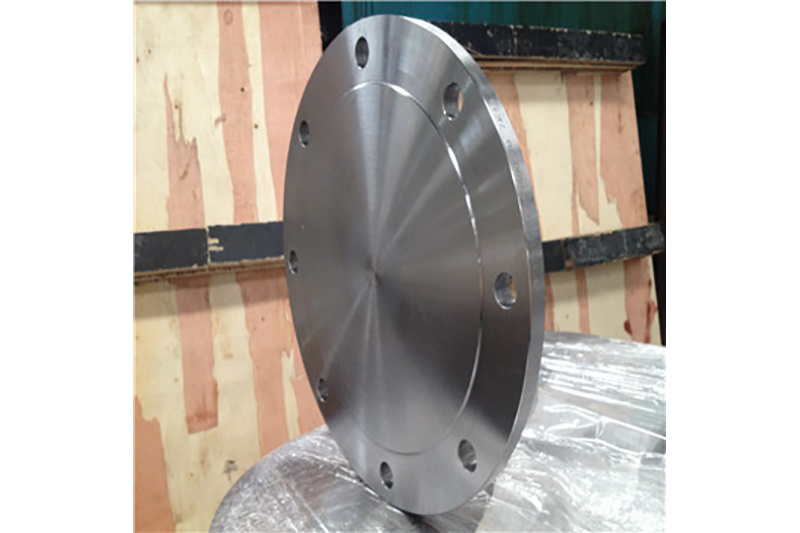
Flat flanges, also known as **slab flanges**, are designed with a flat surface that provides a simple connection between pipes. They are commonly used in low-pressure systems and are favored for their ease of installation and maintenance.
4.2 Weld Neck Flanges
Weld neck flanges feature a long neck that allows for butt welding to pipes. This design provides a smoother flow and minimizes turbulence, making them ideal for high-pressure and high-temperature applications typically seen in industrial settings.
4.3 Slip-On Flanges
Slip-on flanges are designed to slide over the pipe's end before being welded into place. They offer a cost-effective solution for various applications due to their simplicity and ease of installation, making them popular in both residential and commercial projects.
5. Technological Advancements in Flange Design
The evolution of technology has greatly influenced the design and manufacturing of Japanese standard flanges. Innovations in materials, production processes, and quality assurance have led to improved performance and reliability.
5.1 Advanced Materials
Modern flanges are manufactured using high-strength materials, including **stainless steel**, **carbon steel**, and **alloy steel**, which enhance durability and resistance to corrosion. This advancement ensures that flanges can withstand harsh environmental conditions, making them suitable for various applications.
5.2 Precision Manufacturing Techniques
The advent of advanced machining techniques, such as CNC (Computer Numerical Control) machining, has revolutionized flange production. These techniques allow for precise tolerances and dimensions, ensuring that flanges fit seamlessly with other components.
5.3 Quality Control Measures
Stringent quality control measures have become standard in the manufacturing process. Techniques such as ultrasonic testing and magnetic particle inspection ensure that every flange meets established safety and performance standards, reducing the risk of failure in critical applications.
6. Sustainability and Environmental Impact
In recent years, the architectural industry has increasingly focused on sustainability. Japanese standard flanges contribute to environmentally friendly practices in several ways:
6.1 Reduced Material Waste
The use of standardized flanges minimizes material waste during manufacturing and installation. By adhering to precise specifications, architects and engineers can optimize their material usage, aligning with sustainable building practices.
6.2 Energy Efficiency
Properly designed and installed flanges enhance energy efficiency in plumbing and HVAC systems. By reducing leaks and maintaining optimal flow rates, they contribute to lower energy consumption in built environments.
6.3 Recyclability
Many modern flanges are made from recyclable materials, reducing their environmental footprint. After their service life, these components can be repurposed, promoting a circular economy in the construction industry.
7. Future Trends in Flange Utilization
As architecture continues to evolve, so too will the role of Japanese standard flanges. Several trends are emerging that will shape their future utilization:
7.1 Integration with Smart Technologies
The integration of smart technologies into building systems is on the rise. Flanges that incorporate sensors for monitoring pressure and temperature will become increasingly common, enhancing system performance and maintenance.
7.2 Sustainable Design Practices
As sustainability becomes a priority, the demand for flanges that support green building initiatives will grow. Manufacturers will continue to innovate in materials and production methods, focusing on reducing environmental impact.
7.3 Modular Construction
The trend toward modular construction will influence flange design and application. Standardized flanges will play a crucial role in facilitating the efficient assembly of prefabricated modules, streamlining construction timelines.
8. Conclusion
The evolution of Japanese standard flanges in modern architecture reflects the dynamic interplay between tradition and innovation. From their historical roots to contemporary advancements, flanges have proven to be indispensable components in the construction industry. As we look to the future, the ongoing development of materials, technology, and sustainable practices will continue to shape the role of flanges, ensuring their relevance in the ever-evolving landscape of architecture.
9. Frequently Asked Questions
What are Japanese standard flanges?
Japanese standard flanges are components used to connect pipes, valves, and other equipment in various industrial and construction applications. They are designed to meet specific standards established by Japanese industrial regulations.
What are the different types of flanges?
The main types of flanges include flat flanges, weld neck flanges, and slip-on flanges. Each type serves different purposes and is suitable for various applications.
Why are flanges important in construction?
Flanges play a critical role in ensuring structural integrity, enhancing flexibility in design, and providing cost-effective solutions in construction projects.
How have technological advancements affected flange design?
Technological advancements have improved the materials, manufacturing processes, and quality control measures for flanges, resulting in enhanced performance and reliability.
What role do flanges play in sustainable architecture?
Flanges contribute to sustainability by reducing material waste, improving energy efficiency, and being made from recyclable materials. Their proper design and installation align with green building practices.
Through this comprehensive examination of Japanese standard flanges, we emphasize their importance in modern architecture while anticipating future trends that will continue to influence the construction landscape.
Latest developments
Quality Standards in the Forging of Stainless Steel Products: Ensuring Excellence in Metallurgy
Quality Standards in the Forging of Stainless Steel Products Table of Contents Introduction to Stainless Steel Forging The Importance of Quality Standards in Forging Types of Stainless Steel Used in Forging Common Forging Processes in Stainless Steel Manufacturing Quality Assurance Methodologies in Stainless Steel Forging Testing and Certification of Stainless Steel Products Global
Understanding Non-Standard Flanges: A Key Component in Architectural Applications
Non-standard flanges are specialized components that deviate from conventional sizing and design specifications. Unlike standard flanges, which adhere to established dimensions and pressure ratings, non-standard flanges are custom-made to meet unique project requirements. These flanges are crucial in various architectural and construction applications, particularly when dealing with unconventional
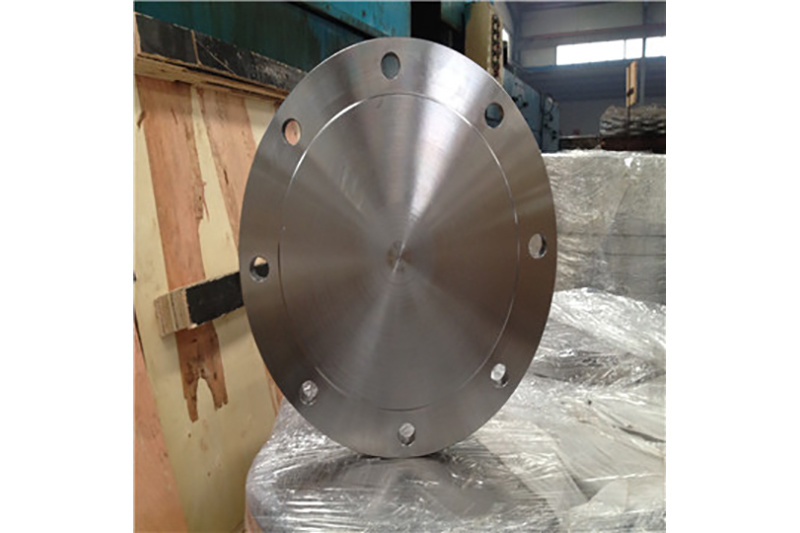
The Importance of Quality Control for Japanese Standard Flanges: Ensuring Durability and Reliability
The Importance of Quality Control for Japanese Standard Flanges In the construction and manufacturing sectors, the significance of quality control cannot be overstated, especially for components as crucial as flanges. Japanese standard flanges, known for their precision and durability, require stringent quality control measures to meet the demands of various applications. This article delves into
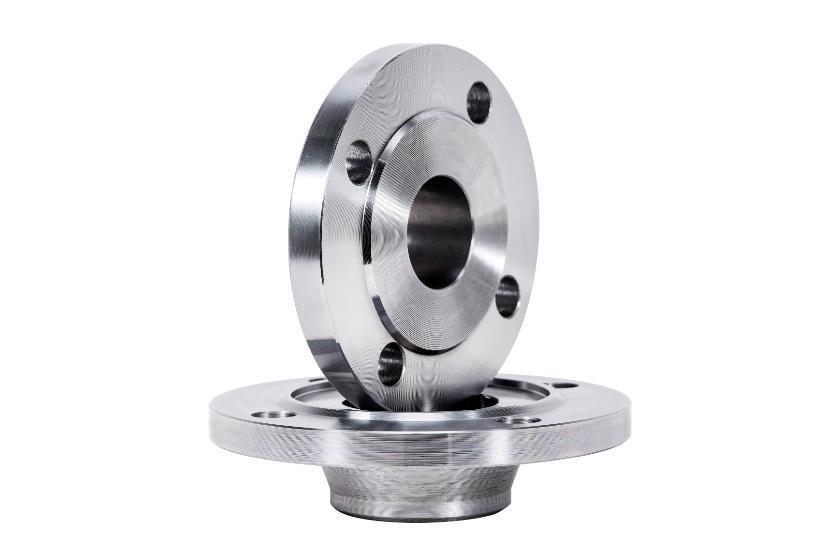
Understanding American Standard Flange in Construction and Decoration Materials
American standard flanges are critical components in the field of construction and decorative materials, particularly in piping systems. These flanges adhere to specific standards established by organizations such as the American National Standards Institute (ANSI) and the American Society of Mechanical Engineers (ASME). Their design and specifications are essential for ensuring compatibility and
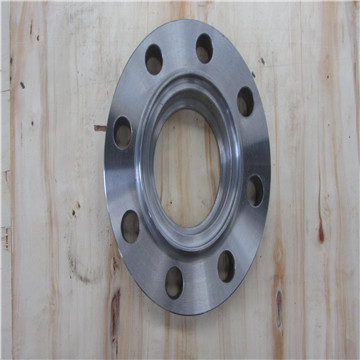
Exploring the Advantages of Using Threaded Flanges in HVAC Systems
Exploring the Advantages of Using Threaded Flanges in HVAC Systems Table of Contents 1. Introduction to Threaded Flanges in HVAC 2. Understanding Threaded Flanges 3. Benefits of Using Threaded Flanges in HVAC Systems 3.1 Superior Sealing Capability 3.2 Ease of Installation and Maintenance 3.3 Cost-Effectiveness 3.4 Versatility i

The Essential Guide to Flanged Connections in Building and Decorative Materials
Flanged connections are vital components in the construction and decorative materials sector, especially in the context of piping systems and fittings. Understanding their function, design, and application can significantly enhance the efficiency and reliability of installations. A flanged connection involves two flanges, which are flat pieces of material with holes for bolts. These flanges are bo
Shandong Xinhao Forging Co.,Ltd.
Tel:+86-15098858482
WeChat: 543983004
Email:xinhaoflange@gmail.com
Whatsapp:8615098858482
Website:www.xhflange.com

TikTok