

Japanese Standard Flanges vs. Other Flange Standards: A Comprehensive Guide
Release time:
2025-09-30
Japanese Standard Flanges vs. Other Flange Standards: What You Need to Know Table of Contents 1. Introduction to Flange Standards 2. Overview of Japanese Standard Flanges 3. Overview of Other Flange Standards 4. Key Differences Between Japanese Standard Flanges and Other Standards 5. Applications of Different Flange Standards 6. Advantages of Japanese Standard Flanges

Japanese Standard Flanges vs. Other Flange Standards: What You Need to Know
Table of Contents
- 1. Introduction to Flange Standards
- 2. Overview of Japanese Standard Flanges
- 3. Overview of Other Flange Standards
- 4. Key Differences Between Japanese Standard Flanges and Other Standards
- 5. Applications of Different Flange Standards
- 6. Advantages of Japanese Standard Flanges
- 7. Choosing the Right Flange Standard for Your Project
- 8. Frequently Asked Questions (FAQs)
- 9. Conclusion
1. Introduction to Flange Standards
In the construction and decoration materials industry, flanges play a critical role in connecting pipes, valves, pumps, and other equipment, providing a secure and leak-proof seal. Understanding the various flange standards is imperative for engineers, architects, and construction professionals. **Flange standards** dictate the dimensions, tolerances, and materials used, ensuring compatibility and safety in systems across the globe. Among these standards, **Japanese Standard Flanges** stand out for their unique specifications and applications.
2. Overview of Japanese Standard Flanges
Japanese Standard Flanges, often referred to as JIS (Japanese Industrial Standards) flanges, are widely used in Japan and have gained recognition internationally for their precision and reliability. These flanges are categorized based on their pressure ratings, size dimensions, and materials, making them adaptable for various industrial applications. Commonly, JIS flanges feature a smooth surface finish, which enhances their sealing capabilities and overall performance.
The most prevalent types include:
- **JIS B2220**: This standard governs the dimensions and tolerances for steel flanges, indicating the pressure ratings based on the flange's diameter.
- **JIS B2290**: This standard outlines the requirements for the design and manufacturing of flanges, ensuring safety and quality.
JIS flanges are primarily made from carbon steel, stainless steel, and alloy steel, catering to different environmental conditions and pressure requirements.
3. Overview of Other Flange Standards
In addition to Japanese standards, several other flange standards are recognized globally, including:
- **ANSI/ASME Flanges**: Predominantly used in the United States, these flanges are based on the American National Standards Institute (ANSI) and the American Society of Mechanical Engineers (ASME) standards. ANSI flanges are often utilized in industries requiring high-strength connections.
- **DIN Flanges**: The German Institute for Standardization (DIN) provides flanges that are commonly employed in Europe. DIN flanges are characterized by their metric dimensions and are frequently used in chemical and pharmaceutical industries.
- **BS Flanges**: The British Standard (BS) flanges are based on UK regulations and are commonly seen in various applications across the United Kingdom.
Each of these standards has its specific application requirements, which can influence the choice of flanges for different projects.
4. Key Differences Between Japanese Standard Flanges and Other Standards
Understanding the differences between Japanese Standard Flanges and other standards is crucial for selecting the appropriate type for your application. Here are some of the key differences:
4.1 Dimensions and Tolerances
JIS flanges often feature different dimensional specifications compared to ANSI and DIN flanges. For example, JIS flanges may have tighter tolerances, which can be important in systems requiring precision connections.
4.2 Pressure Ratings
The pressure ratings for JIS flanges differ from those of ANSI and DIN flanges. JIS flanges typically display pressure ratings based on the flange size, influencing their suitability in high-pressure applications.
4.3 Material Types
While JIS flanges are primarily made of carbon steel and stainless steel, ANSI and DIN standards may specify different materials, depending on the application's requirements. Understanding the material specifications is crucial for ensuring the flange can withstand environmental stresses.
5. Applications of Different Flange Standards
Flange standards dictate their applications across various industries.
5.1 Japanese Standard Flanges
JIS flanges are extensively used in industries such as:
- **Oil and Gas**: Their ability to withstand high pressures makes them suitable for pipelines and refineries.
- **Chemical Processing**: JIS flanges are often utilized in chemical plants where durability and resistance to corrosion are essential.
- **Marine Applications**: The robust design of JIS flanges ensures reliability in marine environments.
5.2 ANSI/ASME Flanges
These flanges are commonly found in:
- **Power Generation**: Used in power plants for their high strength and temperature resistance.
- **Water Treatment Facilities**: ANSI flanges are prevalent in systems requiring safe and secure connections.
5.3 DIN Flanges
DIN flanges are frequently used in:
- **Pharmaceuticals**: Their precise dimensions are crucial in maintaining sterile conditions.
- **Food Processing**: The material and design ensure compliance with health regulations.
6. Advantages of Japanese Standard Flanges
Choosing Japanese Standard Flanges offers several benefits:
6.1 Quality and Precision
JIS flanges are manufactured to stringent quality control standards, ensuring high precision in dimensions and performance. This reliability translates into reduced maintenance and failure rates in critical applications.
6.2 Versatility
The adaptability of JIS flanges to various industrial applications makes them a preferred choice for engineers and designers looking for reliable connections.
6.3 Availability of Standards
The comprehensive range of standards within the JIS framework allows for easier selection based on specific requirements, facilitating smoother project planning and execution.
7. Choosing the Right Flange Standard for Your Project
When selecting a flange standard for your project, consider the following factors:
7.1 Application Requirements
Assess the specific requirements of your project, including pressure ratings, temperature conditions, and environmental factors. This evaluation will guide you to the most suitable flange standard.
7.2 Compatibility with Existing Systems
Ensure that the chosen flanges are compatible with your existing piping and equipment to avoid costly modifications and downtime.
7.3 Material Considerations
Choose materials that align with the operational environment, focusing on corrosion resistance, strength, and longevity.
8. Frequently Asked Questions (FAQs)
8.1 What is the primary difference between JIS and ANSI flanges?
The primary difference lies in the dimensional specifications and pressure ratings, where JIS flanges often have tighter tolerances and different pressure classifications than ANSI flanges.
8.2 Are Japanese Standard Flanges available in different materials?
Yes, JIS flanges are available in various materials, including carbon steel, stainless steel, and alloy steel, catering to different application needs.
8.3 How do I ensure compatibility when using different flange standards?
Compatibility can be ensured by checking the pressure ratings, dimensions, and material types against existing systems, and consulting with an engineer if necessary.
8.4 Can JIS flanges be used in high-pressure applications?
Yes, JIS flanges are designed to handle high pressures, making them suitable for oil and gas applications and other high-pressure environments.
8.5 Where can I purchase Japanese Standard Flanges?
Japanese Standard Flanges can be purchased from specialized suppliers and manufacturers, many of whom offer comprehensive product catalogs and technical assistance.
9. Conclusion
Understanding the nuances between Japanese Standard Flanges and other flange standards is essential for making informed decisions in construction and industrial applications. With their precision, reliability, and versatility, JIS flanges present a robust option for various industries. By carefully evaluating your project requirements and considering the characteristics of different flange standards, you can ensure the selection of the right flanges for your needs, leading to enhanced safety, performance, and reliability in your systems.
Latest developments
Quality Standards in the Forging of Stainless Steel Products: Ensuring Excellence in Metallurgy
Quality Standards in the Forging of Stainless Steel Products Table of Contents Introduction to Stainless Steel Forging The Importance of Quality Standards in Forging Types of Stainless Steel Used in Forging Common Forging Processes in Stainless Steel Manufacturing Quality Assurance Methodologies in Stainless Steel Forging Testing and Certification of Stainless Steel Products Global
Understanding Non-Standard Flanges: A Key Component in Architectural Applications
Non-standard flanges are specialized components that deviate from conventional sizing and design specifications. Unlike standard flanges, which adhere to established dimensions and pressure ratings, non-standard flanges are custom-made to meet unique project requirements. These flanges are crucial in various architectural and construction applications, particularly when dealing with unconventional
The Importance of Quality Control for Japanese Standard Flanges: Ensuring Durability and Reliability
The Importance of Quality Control for Japanese Standard Flanges In the construction and manufacturing sectors, the significance of quality control cannot be overstated, especially for components as crucial as flanges. Japanese standard flanges, known for their precision and durability, require stringent quality control measures to meet the demands of various applications. This article delves into
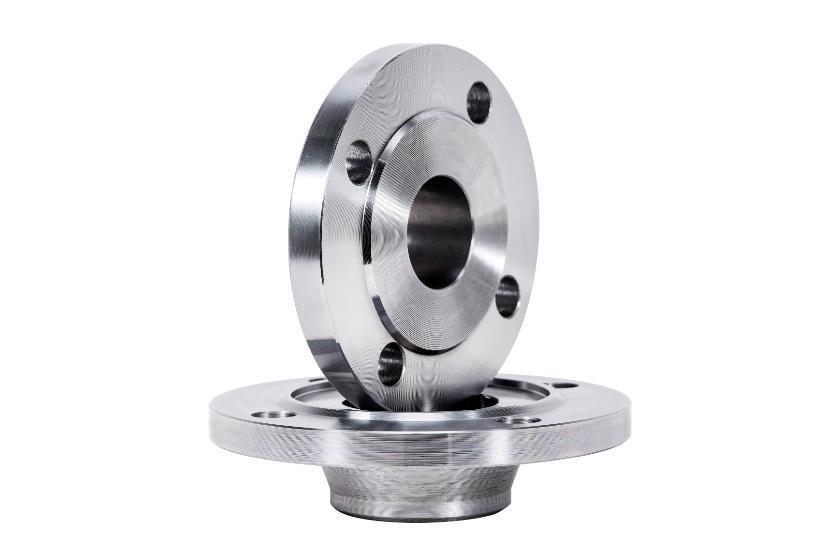
Understanding American Standard Flange in Construction and Decoration Materials
American standard flanges are critical components in the field of construction and decorative materials, particularly in piping systems. These flanges adhere to specific standards established by organizations such as the American National Standards Institute (ANSI) and the American Society of Mechanical Engineers (ASME). Their design and specifications are essential for ensuring compatibility and
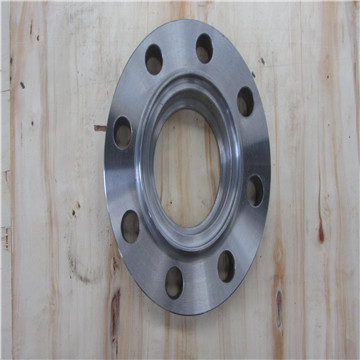
Exploring the Advantages of Using Threaded Flanges in HVAC Systems
Exploring the Advantages of Using Threaded Flanges in HVAC Systems Table of Contents 1. Introduction to Threaded Flanges in HVAC 2. Understanding Threaded Flanges 3. Benefits of Using Threaded Flanges in HVAC Systems 3.1 Superior Sealing Capability 3.2 Ease of Installation and Maintenance 3.3 Cost-Effectiveness 3.4 Versatility i

The Essential Guide to Flanged Connections in Building and Decorative Materials
Flanged connections are vital components in the construction and decorative materials sector, especially in the context of piping systems and fittings. Understanding their function, design, and application can significantly enhance the efficiency and reliability of installations. A flanged connection involves two flanges, which are flat pieces of material with holes for bolts. These flanges are bo
Shandong Xinhao Forging Co.,Ltd.
Tel:+86-15098858482
WeChat: 543983004
Email:xinhaoflange@gmail.com
Whatsapp:8615098858482
Website:www.xhflange.com

TikTok