

An In-Depth Look at Equipment Utilized in the Forging of Stainless Steel
Release time:
2025-10-06
An In-Depth Look at Equipment Utilized in the Forging of Stainless Steel Stainless steel, renowned for its strength, durability, and corrosion resistance, plays a pivotal role in various industries, from aerospace to construction. The process of forging stainless steel is crucial in producing components that meet stringent specifications. This article offers a detailed overview of the equipment in
An In-Depth Look at Equipment Utilized in the Forging of Stainless Steel
Stainless steel, renowned for its strength, durability, and corrosion resistance, plays a pivotal role in various industries, from aerospace to construction. The process of forging stainless steel is crucial in producing components that meet stringent specifications. This article offers a detailed overview of the equipment involved in forging stainless steel, emphasizing how each piece of machinery contributes to the overall success of the operation.
Table of Contents
- What is Stainless Steel Forging?
- Importance of Forging in Stainless Steel Production
- Types of Forging Processes
- Equipment Used in Stainless Steel Forging
- Best Practices in Stainless Steel Forging
- Common Challenges and Solutions in Forging
- The Future of Stainless Steel Forging
- FAQs
What is Stainless Steel Forging?
Forging is a manufacturing process that involves shaping metal using localized compressive forces. **Stainless steel forging** entails the manipulation of stainless steel alloys through various techniques to create components with enhanced mechanical properties. This process often results in a tighter grain structure, improving strength and durability in the final product.
Importance of Forging in Stainless Steel Production
The significance of forging in stainless steel production cannot be understated. By applying high pressure and heat, forging transforms the material into a robust shape while eliminating defects that are commonly found in cast products. Forged stainless steel parts are widely used in applications where strength, toughness, and resistance to wear are essential.
Types of Forging Processes
Understanding the types of forging processes is key to grasping how various equipment is utilized in the industry. The primary forging methods include:
Open Die Forging
In open die forging, large pieces of metal are shaped using flat dies. This technique is beneficial for producing large, simple shapes and is often employed in the manufacture of shafts, bars, and blocks. Equipment used in open die forging includes hydraulic presses and forging hammers.
Closed Die Forging
Closed die forging involves the use of two dies that trap the metal inside, allowing for the creation of complex shapes with high precision. This technique is typically used for high-volume production of parts such as gears and levers. The equipment requirements are more sophisticated, often necessitating high-capacity forging presses.
Ring Forging
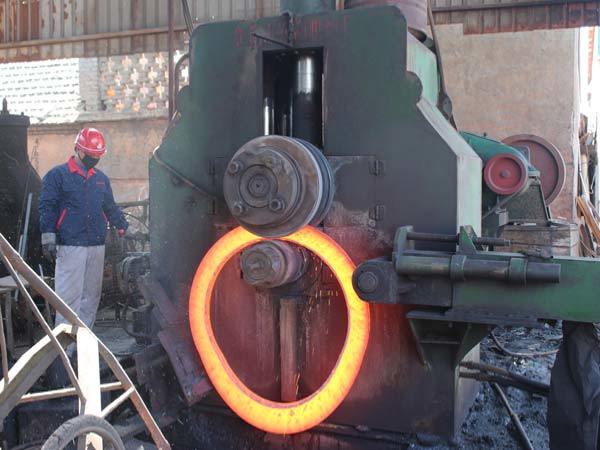
As the name suggests, ring forging is specialized for creating circular shapes. This method is critical in industries such as aerospace and automotive, where rings are commonly used in applications like bearings and seals. The equipment for ring forging often includes specialized dies and forging machines.
Equipment Used in Stainless Steel Forging
A variety of equipment is essential for effective stainless steel forging. Each type of machinery serves a unique function within the forging process.
Forging Presses
**Forging presses** are pivotal in the forging process. They apply immense force to shape the metal, and can be hydraulic or mechanical. Hydraulic presses are versatile, allowing for precise control over the forging operation. Mechanical presses, on the other hand, are known for their speed and efficiency in high-volume production.
Forging Hammers
**Forging hammers** deliver rapid, high-energy blows to the metal, compressing it into the desired shape. They can be categorized into various types, including air hammers, steam hammers, and electrical hammers. Each type has its own advantages, and the choice often depends on the specific requirements of the forging application.
Furnaces
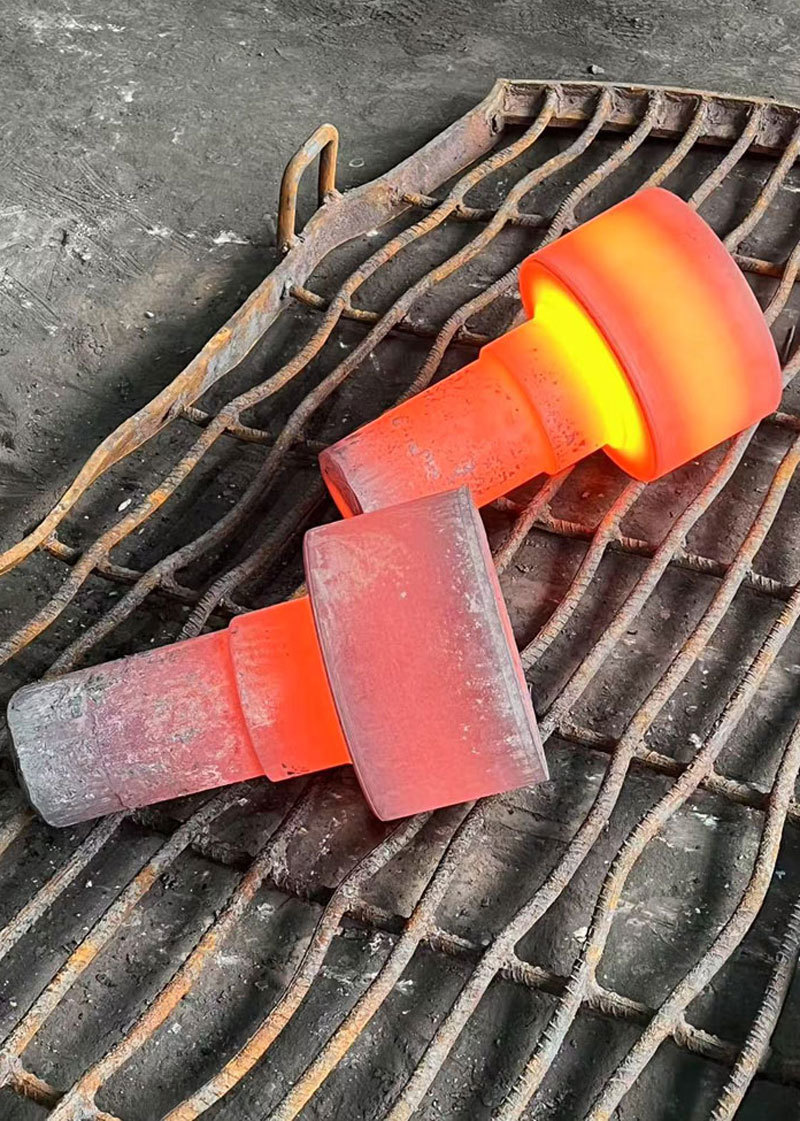
**Furnaces** are essential for heating stainless steel before forging. Different types of furnaces are used depending on the scale and precision required. Induction furnaces, for example, offer rapid heating and energy efficiency, while box furnaces are used for larger batches of metal. Proper heating ensures that the stainless steel reaches a malleable state.
Anvils and Dies
**Anvils and dies** are critical components that shape the metal during the forging process. Anvils provide a solid working surface, while dies are specifically designed to impart the desired shape to the forged part. The design and material of the dies can significantly influence the quality of the finished product.
Additional Equipment
Beyond the primary machinery, additional equipment plays a role in optimizing the forging process. This includes tools for trimming, cutting, and finishing forged parts. Inspection tools are also vital for ensuring that the forged components meet stringent quality standards.
Best Practices in Stainless Steel Forging
To achieve optimal results in stainless steel forging, certain best practices should be adhered to. These include:
1. **Material Selection:** Choose the appropriate stainless steel alloy for the specific application, considering factors like corrosion resistance and strength.
2. **Heat Treatment:** Implement proper heat treatment processes to enhance the properties of the forged components.
3. **Tool Maintenance:** Regularly maintain and inspect forging tools and equipment to ensure consistent performance and minimize downtime.
4. **Quality Control:** Incorporate stringent quality control measures throughout the forging process to guarantee the integrity of the final product.
Common Challenges and Solutions in Forging
The forging process, while effective, is not without its challenges. Common issues include:
- **Material Fracture:** This can occur due to excessive strain. Implementing proper heating and forging techniques can mitigate this risk.
- **Inconsistent Dimensions:** Variations in part size can arise from worn dies. Regular maintenance and replacement of tools are essential for maintaining precision.
- **Surface Defects:** These include issues like oxidation or scaling. Proper handling and post-forging treatments can help reduce surface defects.
The Future of Stainless Steel Forging
As industries evolve, so too does the technology surrounding stainless steel forging. Innovations such as advanced automation and computer-aided design (CAD) are enhancing the efficiency and precision of the forging process. Sustainability is also becoming a focus, with efforts to reduce energy consumption and waste during production.
FAQs
**1. What types of stainless steel are commonly used in forging?**
Stainless steel grades such as 304, 316, and 410 are frequently utilized in forging due to their favorable mechanical properties and corrosion resistance.
**2. How does the forging process improve stainless steel?**
Forging refines the grain structure of stainless steel, resulting in improved strength, toughness, and fatigue resistance compared to other manufacturing methods.
**3. What safety measures should be taken when forging stainless steel?**
Safety measures include wearing appropriate personal protective equipment (PPE), ensuring proper training for operators, and maintaining a clean and organized workspace.
**4. Can stainless steel be forged at room temperature?**
While it is possible to forge stainless steel at room temperature, heating the material significantly improves malleability and reduces the risk of cracking.
**5. What industries rely on forged stainless steel components?**
Industries such as aerospace, automotive, construction, and medical rely heavily on forged stainless steel components for their strength and reliability.
Conclusion
Forging stainless steel is an intricate process that requires precise machinery and knowledgeable operators. Understanding the equipment used in this process is crucial for anyone involved in manufacturing high-quality stainless steel components. By adhering to best practices and continuously evolving with emerging technologies, the forging industry can ensure the production of durable, high-performance parts that meet the demands of various applications. The future of stainless steel forging is bright, promising advancements that continue to enhance efficiency and sustainability in this essential sector.
Latest developments
Quality Standards in the Forging of Stainless Steel Products: Ensuring Excellence in Metallurgy
Quality Standards in the Forging of Stainless Steel Products Table of Contents Introduction to Stainless Steel Forging The Importance of Quality Standards in Forging Types of Stainless Steel Used in Forging Common Forging Processes in Stainless Steel Manufacturing Quality Assurance Methodologies in Stainless Steel Forging Testing and Certification of Stainless Steel Products Global
Understanding Non-Standard Flanges: A Key Component in Architectural Applications
Non-standard flanges are specialized components that deviate from conventional sizing and design specifications. Unlike standard flanges, which adhere to established dimensions and pressure ratings, non-standard flanges are custom-made to meet unique project requirements. These flanges are crucial in various architectural and construction applications, particularly when dealing with unconventional
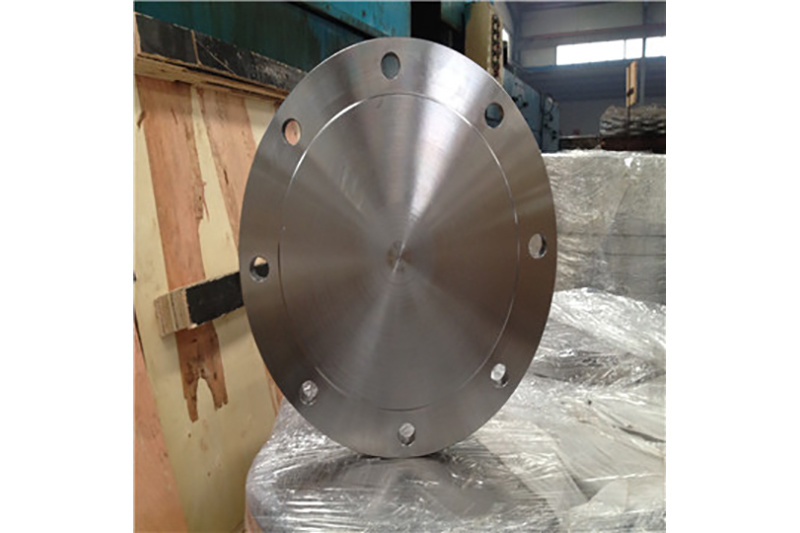
The Importance of Quality Control for Japanese Standard Flanges: Ensuring Durability and Reliability
The Importance of Quality Control for Japanese Standard Flanges In the construction and manufacturing sectors, the significance of quality control cannot be overstated, especially for components as crucial as flanges. Japanese standard flanges, known for their precision and durability, require stringent quality control measures to meet the demands of various applications. This article delves into
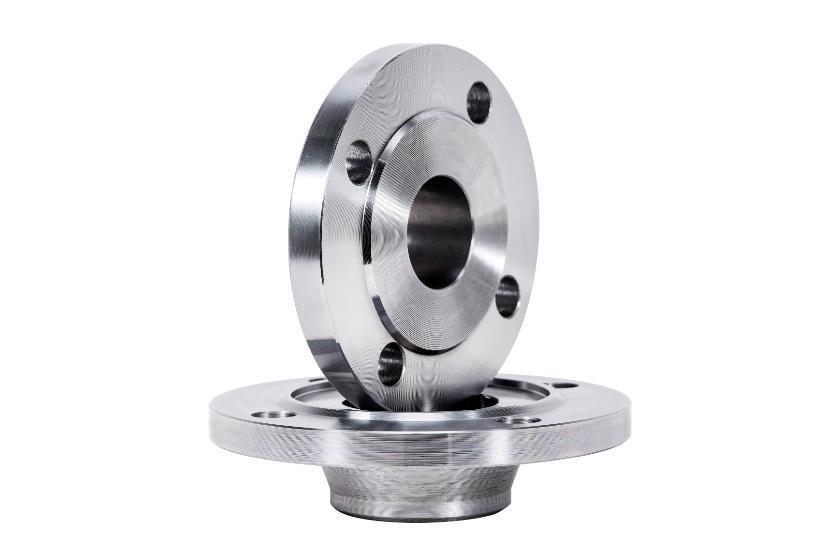
Understanding American Standard Flange in Construction and Decoration Materials
American standard flanges are critical components in the field of construction and decorative materials, particularly in piping systems. These flanges adhere to specific standards established by organizations such as the American National Standards Institute (ANSI) and the American Society of Mechanical Engineers (ASME). Their design and specifications are essential for ensuring compatibility and
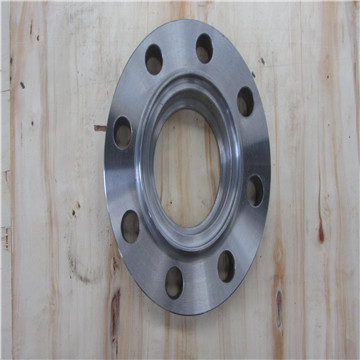
Exploring the Advantages of Using Threaded Flanges in HVAC Systems
Exploring the Advantages of Using Threaded Flanges in HVAC Systems Table of Contents 1. Introduction to Threaded Flanges in HVAC 2. Understanding Threaded Flanges 3. Benefits of Using Threaded Flanges in HVAC Systems 3.1 Superior Sealing Capability 3.2 Ease of Installation and Maintenance 3.3 Cost-Effectiveness 3.4 Versatility i

The Essential Guide to Flanged Connections in Building and Decorative Materials
Flanged connections are vital components in the construction and decorative materials sector, especially in the context of piping systems and fittings. Understanding their function, design, and application can significantly enhance the efficiency and reliability of installations. A flanged connection involves two flanges, which are flat pieces of material with holes for bolts. These flanges are bo
Shandong Xinhao Forging Co.,Ltd.
Tel:+86-15098858482
WeChat: 543983004
Email:xinhaoflange@gmail.com
Whatsapp:8615098858482
Website:www.xhflange.com

TikTok