

The Future of Flat Flanges in Construction Technology
Release time:
2025-10-12
The Future of Flat Flanges in Construction Technology Table of Contents 1. Introduction to Flat Flanges in Construction 2. Historical Significance of Flat Flanges 3. Current Uses of Flat Flanges in Construction 4. New Materials and Technologies Impacting Flat Flanges 5. Design Innovations in Flat Flanges 6. Sustainability and Flat Flanges in Construction 7. Challenges
The Future of Flat Flanges in Construction Technology
Table of Contents
- 1. Introduction to Flat Flanges in Construction
- 2. Historical Significance of Flat Flanges
- 3. Current Uses of Flat Flanges in Construction
- 4. New Materials and Technologies Impacting Flat Flanges
- 5. Design Innovations in Flat Flanges
- 6. Sustainability and Flat Flanges in Construction
- 7. Challenges Facing Flat Flanges in the Future
- 8. Future Trends in Flat Flanges Technology
- 9. Conclusion
- 10. FAQs about Flat Flanges in Construction
1. Introduction to Flat Flanges in Construction
Flat flanges play a critical role in construction technology, serving as integral components in piping systems, machinery, and structural applications. These devices create strong connections between various parts, ensuring safety and efficiency in construction projects. As we embrace a new era of construction, understanding the future of flat flanges is essential for professionals in the industry. This article delves into their historical significance, current applications, and the innovative technologies shaping their future.
2. Historical Significance of Flat Flanges
The use of flanges dates back several centuries, where they were initially designed for the purpose of connecting pipes and fittings in steam and water systems. Flat flanges emerged as a standard solution due to their simplicity and effectiveness. Historically, these components were manufactured from heavy materials, which led to durability but also increased overall weight and installation challenges.
Over the decades, advancements in metallurgy and engineering have contributed to more efficient production methods. Today, the evolution of flat flanges has paved the way for lighter, stronger materials that enhance performance while reducing logistical concerns.
3. Current Uses of Flat Flanges in Construction
In contemporary construction, flat flanges are ubiquitous. They serve various applications, including:
3.1. Piping Systems
Flat flanges are essential in connecting pipes in various systems, such as water supply, wastewater management, and HVAC installations. Their ability to create tight seals ensures leak-free operations, which is vital for safety and efficiency.
3.2. Machinery and Equipment
Flat flanges facilitate the assembly of machinery and equipment across numerous industries, including manufacturing, oil and gas, and construction. They help in aligning and securing components for optimal performance.
3.3. Structural Applications
In structural engineering, flat flanges support the construction of frameworks, bridges, and other load-bearing structures. Their design allows for ease of installation and maintenance, making them a preferred choice among engineers.
4. New Materials and Technologies Impacting Flat Flanges
The future of flat flanges lies significantly in the materials used in their production. Advancements in metallurgy and composite materials have led to innovations that promise greater durability and performance.
4.1. Composite Materials
Composites offer lightweight yet strong alternatives to traditional metal flanges. These materials are resistant to corrosion, making them ideal for harsh environments. As the construction industry shifts towards sustainable practices, the demand for composite flat flanges is expected to rise.
4.2. Smart Materials
Innovations in smart materials introduce the possibility of flanges that can monitor their own conditions. Sensors embedded within the material can provide real-time data on stress, temperature, and potential failures, significantly enhancing safety protocols.
5. Design Innovations in Flat Flanges
The design of flat flanges is evolving alongside advancements in technology. Innovative design practices are focused on enhancing functionality, reducing weight, and improving installation processes.
5.1. Finite Element Analysis (FEA)
Utilizing FEA in the design process allows engineers to simulate how flanges will perform under different loads and conditions. This advanced modeling technique helps in creating more reliable and efficient flange designs.
5.2. Modular Designs
Modular flat flanges simplify installation and maintenance. By employing a modular approach, construction teams can quickly adapt to changing project requirements, improving the overall efficiency of the construction process.
6. Sustainability and Flat Flanges in Construction
Sustainability is a crucial consideration in modern construction practices. Flat flanges are not exempt from this trend; indeed, their future is closely tied to sustainable development goals.
6.1. Eco-Friendly Manufacturing
Manufacturers are increasingly adopting eco-friendly practices in the production of flat flanges. This includes reducing waste, recycling materials, and utilizing renewable energy sources during manufacturing processes.
6.2. Energy Efficiency
The use of lightweight and highly durable flat flanges contributes to overall energy efficiency in construction. By reducing the weight of building materials, the energy required for transportation and assembly decreases, leading to a lower carbon footprint.
7. Challenges Facing Flat Flanges in the Future
Despite their importance, flat flanges face several challenges that could impact their future in construction technology.
7.1. Quality Control
Ensuring consistent quality in the manufacturing of flat flanges is vital. Variability in production processes can lead to defects, which compromise safety and reliability.
7.2. Regulatory Compliance
As regulations around construction materials become more stringent, manufacturers must adapt to comply with new safety and environmental standards. This can lead to increased production costs and potential delays.
8. Future Trends in Flat Flanges Technology
Looking ahead, several trends are poised to shape the future of flat flanges in construction technology.
8.1. Automation and Industry 4.0
The rise of automation and Industry 4.0 technologies will streamline the manufacturing process of flat flanges, making it more efficient and cost-effective. Smart factories equipped with advanced robotics and AI will enhance precision and reduce waste.
8.2. Customization and 3D Printing
3D printing technology enables the production of customized flat flanges tailored to specific project requirements. This level of customization enhances flexibility in design and application, setting the stage for innovative construction solutions.
9. Conclusion
The future of flat flanges in construction technology is bright and full of potential. As we embrace innovative materials, advanced design techniques, and sustainable practices, flat flanges will continue to play a pivotal role in the industry's evolution. By adapting to these changes and overcoming current challenges, manufacturers and construction professionals can ensure that flat flanges remain a cornerstone of safe and efficient construction practices.
10. FAQs about Flat Flanges in Construction
FAQ 1: What are flat flanges used for in construction?
Flat flanges are primarily used to connect pipes, machinery, and structural components, ensuring secure and leak-free assemblies.
FAQ 2: What materials are commonly used for flat flanges?
Flat flanges can be made from various materials, including stainless steel, carbon steel, and composite materials, depending on the application and environmental conditions.
FAQ 3: How do I choose the right flat flange for my project?
Selecting the right flat flange involves considering factors such as material compatibility, pressure ratings, and the specific requirements of your project.
FAQ 4: Can flat flanges be customized?
Yes, with advances in 3D printing and manufacturing technologies, flat flanges can be customized to meet the specific needs of unique projects.
FAQ 5: What are the safety considerations when using flat flanges?
Safety considerations include ensuring proper torque during installation, regular inspections for wear and tear, and adhering to relevant industry standards and regulations.
Latest developments

Quality Standards in the Forging of Stainless Steel Products: Ensuring Excellence in Metallurgy
Quality Standards in the Forging of Stainless Steel Products Table of Contents Introduction to Stainless Steel Forging The Importance of Quality Standards in Forging Types of Stainless Steel Used in Forging Common Forging Processes in Stainless Steel Manufacturing Quality Assurance Methodologies in Stainless Steel Forging Testing and Certification of Stainless Steel Products Global
Understanding Non-Standard Flanges: A Key Component in Architectural Applications
Non-standard flanges are specialized components that deviate from conventional sizing and design specifications. Unlike standard flanges, which adhere to established dimensions and pressure ratings, non-standard flanges are custom-made to meet unique project requirements. These flanges are crucial in various architectural and construction applications, particularly when dealing with unconventional
The Importance of Quality Control for Japanese Standard Flanges: Ensuring Durability and Reliability
The Importance of Quality Control for Japanese Standard Flanges In the construction and manufacturing sectors, the significance of quality control cannot be overstated, especially for components as crucial as flanges. Japanese standard flanges, known for their precision and durability, require stringent quality control measures to meet the demands of various applications. This article delves into
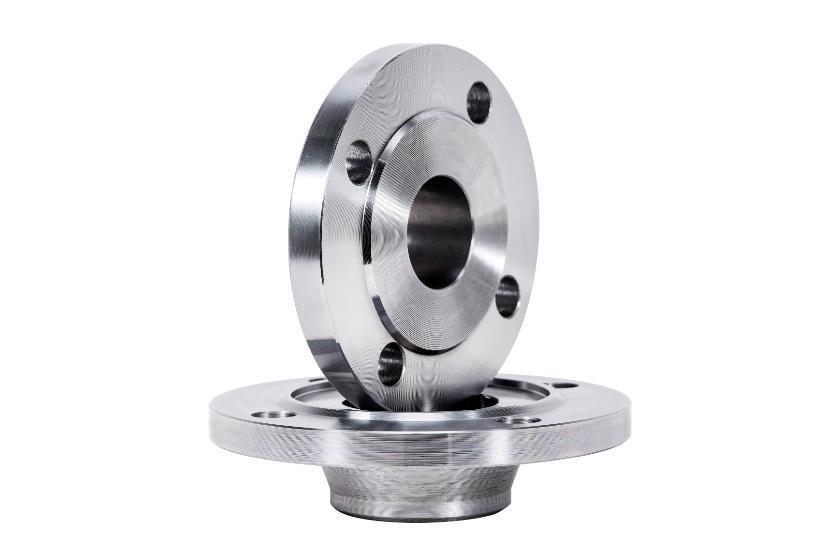
Understanding American Standard Flange in Construction and Decoration Materials
American standard flanges are critical components in the field of construction and decorative materials, particularly in piping systems. These flanges adhere to specific standards established by organizations such as the American National Standards Institute (ANSI) and the American Society of Mechanical Engineers (ASME). Their design and specifications are essential for ensuring compatibility and
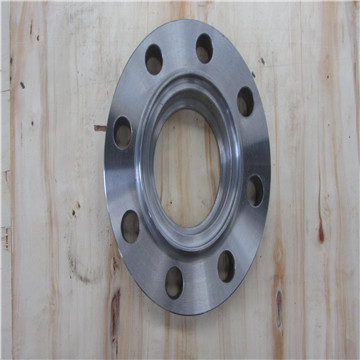
Exploring the Advantages of Using Threaded Flanges in HVAC Systems
Exploring the Advantages of Using Threaded Flanges in HVAC Systems Table of Contents 1. Introduction to Threaded Flanges in HVAC 2. Understanding Threaded Flanges 3. Benefits of Using Threaded Flanges in HVAC Systems 3.1 Superior Sealing Capability 3.2 Ease of Installation and Maintenance 3.3 Cost-Effectiveness 3.4 Versatility i

The Essential Guide to Flanged Connections in Building and Decorative Materials
Flanged connections are vital components in the construction and decorative materials sector, especially in the context of piping systems and fittings. Understanding their function, design, and application can significantly enhance the efficiency and reliability of installations. A flanged connection involves two flanges, which are flat pieces of material with holes for bolts. These flanges are bo
Shandong Xinhao Forging Co.,Ltd.
Tel:+86-15098858482
WeChat: 543983004
Email:xinhaoflange@gmail.com
Whatsapp:8615098858482
Website:www.xhflange.com

TikTok