

Key Considerations When Sourcing Threaded Flanges for Projects
Release time:
2025-10-24
Key Considerations When Sourcing Threaded Flanges for Projects Table of Contents 1. Understanding Threaded Flanges 2. Types of Threaded Flanges 3. Importance of Material Selection 4. Dimensions and Standards 5. Quality Assurance and Testing 6. Evaluating Supplier Reputation and Certifications 7. Cost Considerations 8. Installation and Maintenance Tips 9. Fr
Key Considerations When Sourcing Threaded Flanges for Projects
Table of Contents
- 1. Understanding Threaded Flanges
- 2. Types of Threaded Flanges
- 3. Importance of Material Selection
- 4. Dimensions and Standards
- 5. Quality Assurance and Testing
- 6. Evaluating Supplier Reputation and Certifications
- 7. Cost Considerations
- 8. Installation and Maintenance Tips
- 9. Frequently Asked Questions (FAQs)
- 10. Conclusion
1. Understanding Threaded Flanges
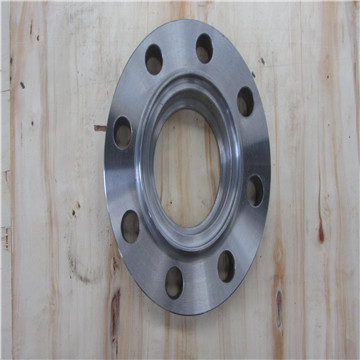
Threaded flanges play a crucial role in piping systems, serving as the interface between pipes and other components. These flanges are designed to facilitate easy assembly and disassembly, making them indispensable in various industrial applications. Understanding the functionality and design of threaded flanges is the first step in ensuring you select the right type for your project needs.
What Are Threaded Flanges?
Threaded flanges feature internal threads that allow them to be screwed directly onto the end of a pipe. This design eliminates the need for additional welding or bolting, simplifying installation. The primary advantages include ease of use, reusability, and the ability to withstand high-pressure conditions when correctly installed.
Applications of Threaded Flanges
These flanges are commonly used in industries where frequent maintenance occurs, such as oil and gas, water treatment, and chemical processing. Their ability to be quickly attached or detached allows for efficient repairs and replacements, reducing downtime in operations.
2. Types of Threaded Flanges
Choosing the correct type of threaded flange is essential for ensuring compatibility and performance. Various designs cater to different applications and requirements.
Standard Threaded Flanges
Standard threaded flanges are the most widely used. They conform to specified dimensions and thread types, making them suitable for a broad range of applications.
Specialty Threaded Flanges
Specialty flanges may include unique features tailored for specific environments or pressures, such as raised face or flat face flanges. Understanding the specific requirements of your project will guide you in selecting the right specialty flange.
3. Importance of Material Selection
The material from which a threaded flange is made directly affects its performance and lifespan. Selecting the right material is crucial for project success.
Common Materials Used
Threaded flanges are typically made from a variety of materials, including:
- **Carbon Steel**: Known for its strength and durability, carbon steel flanges are suitable for a range of applications.
- **Stainless Steel**: This material offers excellent resistance to corrosion, making it ideal for harsh environments.
- **Alloy Steel**: Alloy steel flanges are engineered for high-stress applications, providing enhanced performance over standard carbon steel.
- **Plastic/Composite Materials**: These flanges are lightweight and resistant to chemicals, suitable for low-pressure applications.
Evaluating Material Suitability
When sourcing threaded flanges, consider the environment in which they will be used. Factors such as temperature, pressure, and exposure to corrosive substances play a crucial role in material selection.
4. Dimensions and Standards
Adhering to recognized standards is vital when sourcing threaded flanges to ensure compatibility and safety.
Industry Standards
Common standards include ANSI, ASME, and ASTM, which dictate the dimensions and tolerances for flanges. Familiarity with these standards will ensure that the flanges you choose meet regulatory requirements and are fit for purpose.
Measuring Flanges
Proper measurements are critical when selecting threaded flanges. Key dimensions include:
- **Bolt Hole Diameter**: The size of the holes where bolts pass through.
- **Flange Thickness**: Determines the strength and durability of the flange.
- **Nominal Pipe Size (NPS)**: The diameter of the pipe to which the flange will be attached.
5. Quality Assurance and Testing
Sourcing quality threaded flanges involves understanding the manufacturing processes and quality control measures in place.
Quality Control Standards
Reputable suppliers will adhere to stringent quality control protocols to ensure their products meet the required specifications. Look for suppliers that provide documentation on their quality assurance practices, including third-party testing certifications.
Testing Methods
Common tests for threaded flanges include:
- **Hydrostatic Testing**: Ensures that the flange can withstand pressure without leaking.
- **Visual Inspection**: Looks for any surface defects or irregularities.
- **Dye Penetrant Testing**: Used to detect surface cracks or flaws.
6. Evaluating Supplier Reputation and Certifications
Choosing the right supplier is just as important as selecting the right flange.
Researching Supplier Credentials
Investigate potential suppliers to verify their industry experience, client testimonials, and certifications. Look for suppliers that are ISO-certified, as this indicates a commitment to quality and reliability.
Building Supplier Relationships
Establishing strong relationships with suppliers can lead to better pricing, availability, and support. Engage with multiple suppliers to compare offerings and find the best fit for your project needs.
7. Cost Considerations
Budgeting for threaded flanges requires a comprehensive understanding of the various cost factors involved.
Factors Influencing Cost
- **Material Type**: Higher-quality materials typically come at a premium price.
- **Flange Design**: Specialty flanges may cost more than standard designs.
- **Supplier Pricing Strategies**: Different suppliers may have varying pricing structures based on their business model.
Cost-Saving Strategies
- **Bulk Purchasing**: Consider buying flanges in bulk to take advantage of discounts.
- **Long-Term Contracts**: Establishing a long-term relationship with a supplier may lead to cost savings over time.
8. Installation and Maintenance Tips
Proper installation and maintenance of threaded flanges can significantly extend their lifespan and ensure optimal performance.
Installation Best Practices
- **Clean the Threads**: Ensure all threaded areas are free from debris and contaminants before installation.
- **Use Appropriate Gaskets**: Select the right gasket material to ensure a proper seal at the connection points.
- **Torque Specifications**: Follow manufacturer torque specifications to avoid over-tightening which can lead to flange damage.
Maintenance Recommendations
Regular maintenance checks can identify issues before they become significant problems. Inspect for signs of wear, corrosion, or leaks, and address any irregularities promptly.
9. Frequently Asked Questions (FAQs)
Q1: What are the most common materials for threaded flanges?
A1: The most common materials include carbon steel, stainless steel, alloy steel, and plastic/composite materials, each suited for different applications.
Q2: How can I determine the correct size of a threaded flange?
A2: Measure the nominal pipe size (NPS), bolt hole diameter, and flange thickness to ensure compatibility with your piping system.
Q3: What quality control measures should I look for in a flange supplier?
A3: Look for suppliers that adhere to industry standards and provide documentation on their quality assurance processes and third-party testing certifications.
Q4: Can I reuse threaded flanges?
A4: Yes, threaded flanges can be reused as long as they are in good condition and have not been damaged during removal or installation.
Q5: What are the signs that a threaded flange needs to be replaced?
A5: Signs include visible corrosion, cracks, leaks, or any signs of severe wear. Regular inspections can help identify these issues early.
10. Conclusion
Sourcing threaded flanges requires careful consideration of various factors, including material selection, dimensions, quality assurance, supplier reputation, and cost. By understanding these key considerations, we can make informed decisions that enhance project efficiency and effectiveness. Whether for industrial applications or decorative purposes, ensuring the right flanges are sourced will lead to successful outcomes in any project. Always prioritize quality, compliance with standards, and the reputation of your suppliers to ensure the best results.
Latest developments
Quality Standards in the Forging of Stainless Steel Products: Ensuring Excellence in Metallurgy
Quality Standards in the Forging of Stainless Steel Products Table of Contents Introduction to Stainless Steel Forging The Importance of Quality Standards in Forging Types of Stainless Steel Used in Forging Common Forging Processes in Stainless Steel Manufacturing Quality Assurance Methodologies in Stainless Steel Forging Testing and Certification of Stainless Steel Products Global
Understanding Non-Standard Flanges: A Key Component in Architectural Applications
Non-standard flanges are specialized components that deviate from conventional sizing and design specifications. Unlike standard flanges, which adhere to established dimensions and pressure ratings, non-standard flanges are custom-made to meet unique project requirements. These flanges are crucial in various architectural and construction applications, particularly when dealing with unconventional
The Importance of Quality Control for Japanese Standard Flanges: Ensuring Durability and Reliability
The Importance of Quality Control for Japanese Standard Flanges In the construction and manufacturing sectors, the significance of quality control cannot be overstated, especially for components as crucial as flanges. Japanese standard flanges, known for their precision and durability, require stringent quality control measures to meet the demands of various applications. This article delves into
Understanding American Standard Flange in Construction and Decoration Materials
American standard flanges are critical components in the field of construction and decorative materials, particularly in piping systems. These flanges adhere to specific standards established by organizations such as the American National Standards Institute (ANSI) and the American Society of Mechanical Engineers (ASME). Their design and specifications are essential for ensuring compatibility and
Exploring the Advantages of Using Threaded Flanges in HVAC Systems
Exploring the Advantages of Using Threaded Flanges in HVAC Systems Table of Contents 1. Introduction to Threaded Flanges in HVAC 2. Understanding Threaded Flanges 3. Benefits of Using Threaded Flanges in HVAC Systems 3.1 Superior Sealing Capability 3.2 Ease of Installation and Maintenance 3.3 Cost-Effectiveness 3.4 Versatility i

The Essential Guide to Flanged Connections in Building and Decorative Materials
Flanged connections are vital components in the construction and decorative materials sector, especially in the context of piping systems and fittings. Understanding their function, design, and application can significantly enhance the efficiency and reliability of installations. A flanged connection involves two flanges, which are flat pieces of material with holes for bolts. These flanges are bo
Shandong Xinhao Forging Co.,Ltd.
Tel:+86-15098858482
WeChat: 543983004
Email:xinhaoflange@gmail.com
Whatsapp:8615098858482
Website:www.xhflange.com

TikTok