

Connecting the Dots: The Importance of Japanese Standard Flanges in Construction and Decoration
Release time:
2025-10-30
Connecting the Dots: The Importance of Japanese Standard Flanges in Construction and Decoration Table of Contents Introduction to Japanese Standard Flanges What Are Japanese Standard Flanges? Types of Japanese Flanges and Their Uses Manufacturing Process of Japanese Standard Flanges The Importance of Japanese Standard Flanges in Construction Applications of Japanese Standa
Connecting the Dots: The Importance of Japanese Standard Flanges in Construction and Decoration
Table of Contents
- Introduction to Japanese Standard Flanges
- What Are Japanese Standard Flanges?
- Types of Japanese Flanges and Their Uses
- Manufacturing Process of Japanese Standard Flanges
- The Importance of Japanese Standard Flanges in Construction
- Applications of Japanese Standard Flanges in Various Industries
- Choosing the Right Japanese Standard Flange for Your Project
- Safety Standards and Regulations for Japanese Flanges
- The Future of Japanese Standard Flanges
- Conclusion
- FAQs
Introduction to Japanese Standard Flanges
In the world of construction and decoration materials, the significance of **Japanese standard flanges** cannot be overstated. These components play a fundamental role in the integrity and safety of piping systems and structural frameworks. Understanding their specifications, applications, and manufacturing processes can significantly impact project outcomes in various industries.
What Are Japanese Standard Flanges?
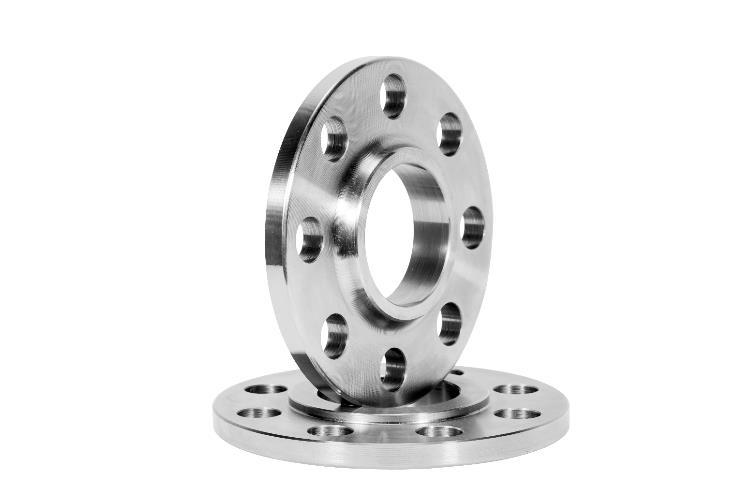
Japanese standard flanges are specialized fittings used to connect two sections of pipe or to connect pipe to other components such as valves, pumps, or equipment. They are characterized by strict adherence to Japanese Industrial Standards (JIS), ensuring uniformity and high quality across all products. These flanges are critical in maintaining the **pressure and flow** within piping systems, making their design and manufacturing essential for any construction project.
Key Features of Japanese Standard Flanges
- **Material Quality**: Typically made from high-grade steel, stainless steel, or cast iron, ensuring durability and resistance to corrosion.
- **Standard Dimensions**: Designed according to JIS specifications, which provide detailed dimensions for different flange types.
- **Versatility**: Suitable for a wide range of applications in various industries, including construction, petrochemical, and water treatment.
Types of Japanese Flanges and Their Uses
Different types of Japanese standard flanges cater to various applications. Understanding these types can help in selecting the right flange for your specific needs.
1. Weld Neck Flanges
Weld neck flanges feature a long tapered neck that provides a gradual transition between the flange and the pipe. They are widely used in high-pressure applications due to their strength and ability to handle stress.
2. Slip-On Flanges
Slip-on flanges are designed to slip over the pipe, making them easy to install. They are suitable for low-pressure applications and are often used in non-critical piping systems.
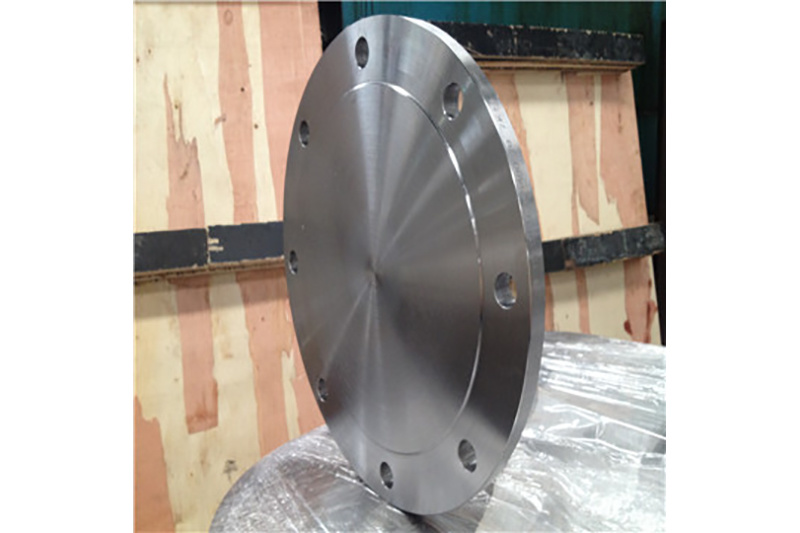
3. Blind Flanges
Blind flanges are solid disks used to seal the end of a pipe. They are perfect for preventing flow in a piping system and are often used in maintenance scenarios.
4. Socket Weld Flanges
Socket weld flanges are used for small-diameter pipes and are welded into place. They are ideal for high-pressure systems where leakage must be minimized.
5. Threaded Flanges
Threaded flanges have internal threads that allow them to be screwed onto the pipe. They are suitable for applications where welding is not feasible.
Manufacturing Process of Japanese Standard Flanges
The manufacturing process of Japanese standard flanges is crucial to ensure their strength and durability. This process typically involves several key steps:
1. Material Selection
High-quality raw materials are selected based on the intended application. Common materials include carbon steel, stainless steel, and alloy steel, each with specific properties tailored for their use.
2. Forging and Machining
The manufacturing process often begins with forging, where the raw material is heated and shaped into the desired flange form. This process enhances the metal's properties, making it stronger and more durable. Following forging, extensive machining is performed to achieve precise dimensions.
3. Surface Treatment
Surface treatment processes, such as galvanizing or painting, are applied to protect the flanges from corrosion and improve their lifespan. This step is particularly important for flanges used in harsh environments.
4. Quality Control
Rigorous quality control measures are implemented throughout the manufacturing process. This includes dimensional inspections, non-destructive testing, and verification of compliance with JIS standards.
The Importance of Japanese Standard Flanges in Construction
In the construction industry, the importance of using Japanese standard flanges cannot be emphasized enough. These components ensure the safe and efficient operation of piping systems, which are integral to various construction projects.
1. Safety and Reliability
Japanese standard flanges provide a reliable connection between pipes, ensuring that systems can handle the necessary pressure without risk of failure. This reliability is paramount in applications involving hazardous materials.
2. Compliance with Regulations
Using flanges that comply with JIS standards guarantees that construction projects meet local and international regulations. This compliance minimizes legal risks and enhances project credibility.
3. Cost-Effectiveness
Implementing high-quality Japanese standard flanges can reduce long-term maintenance costs associated with leaks and failures. Investing in quality components can lead to significant savings over the lifespan of the project.
Applications of Japanese Standard Flanges in Various Industries
Japanese standard flanges find applications across multiple industries due to their versatility and reliability.
1. Oil and Gas Industry
In the oil and gas sector, flanges are crucial for connecting pipelines and securing equipment. The high pressures involved make the use of robust Japanese flanges essential for operational safety.
2. Water Treatment Facilities
Water treatment plants rely on flanges to connect various sections of piping systems that transport water safely. Using standardized flanges ensures compliance with health and safety regulations.
3. Chemical Processing
In chemical processing plants, using flanges that can withstand corrosive substances is vital. Japanese standard flanges made from suitable materials offer the necessary chemical resistance.
4. Construction and Building Services
In building services, flanges are often used for HVAC systems, plumbing, and fire protection systems. Their ability to provide secure and leak-proof connections is essential for overall system performance.
Choosing the Right Japanese Standard Flange for Your Project
Selecting the appropriate flange for a specific application involves several considerations.
1. Understand Your Requirements
Start by identifying the operational requirements, such as pressure, temperature, and the types of fluids being transported. This understanding will guide your choice of flange type and material.
2. Consider Installation Method
Different flanges have varying installation requirements. Ensure you choose a flange that matches your installation capabilities and equipment.
3. Compliance and Standards
Ensure that the selected flange complies with the relevant JIS standards and any other applicable regulations. This compliance will safeguard against potential legal issues.
Safety Standards and Regulations for Japanese Flanges
Adhering to safety standards is crucial when working with Japanese standard flanges, especially in industries that handle hazardous materials.
1. JIS Standards
Understanding the Japanese Industrial Standards (JIS) that govern flange manufacturing is essential. These standards specify dimensions, materials, and testing requirements to ensure reliability and safety.
2. Industry-Specific Regulations
In addition to JIS standards, various industries have specific regulations governing the use of flanges. It is crucial to be aware of these regulations to maintain safety and compliance.
3. Regular Inspections
Conducting regular inspections of flanges and their connections can help identify potential issues before they lead to failures. This proactive approach enhances the overall safety of the system.
The Future of Japanese Standard Flanges
As industries evolve, so too do the requirements for flanges. The future of Japanese standard flanges may be shaped by several trends.
1. Advancements in Materials
Ongoing research into new materials and coatings may lead to flanges with improved performance characteristics, such as enhanced corrosion resistance and lighter weights.
2. Technological Integration
With the rise of smart technology, the integration of monitoring systems into flange applications could provide real-time data on pressure and temperature, enhancing safety and efficiency.
3. Sustainability Practices
As industries move towards sustainable practices, the demand for environmentally friendly materials and processes in flange manufacturing is likely to grow.
Conclusion
Japanese standard flanges are critical components in the construction and decoration materials industry. Understanding their types, manufacturing processes, and applications is essential for ensuring safety and reliability in various projects. As we embrace advancements in materials and technology, the role of these flanges will continue to evolve, reinforcing their importance in modern construction. Investing in high-quality Japanese standard flanges not only guarantees compliance with standards but also enhances the integrity and efficiency of piping systems across industries.
FAQs
1. What are the main types of Japanese standard flanges?
The main types include weld neck, slip-on, blind, socket weld, and threaded flanges, each serving different applications based on their design and installation requirements.
2. How can I ensure the safety of my piping system with flanges?
Ensure compliance with JIS standards, conduct regular inspections, and choose flanges suitable for the specific pressure and temperature conditions of your system.
3. What materials are commonly used for Japanese standard flanges?
Common materials include carbon steel, stainless steel, and alloy steel, chosen based on their properties and the application requirements.
4. Are Japanese standard flanges suitable for high-pressure applications?
Yes, certain types, such as weld neck flanges, are specifically designed for high-pressure applications, ensuring secure connections.
5. How do I choose the right flange for my project?
Consider factors such as operational requirements, installation methods, and compliance with regulations to select the appropriate flange type and material for your project.
Latest developments
Understanding Non-Standard Flanges: Key Considerations for Your Projects
Non-standard flanges play a crucial role in various piping systems, offering flexibility and adaptability in construction projects. These flanges deviate from the standard dimensions and specifications set by organizations such as the American National Standards Institute (ANSI) or the International Organization for Standardization (ISO). Instead, non-standard flanges are custom-made to meet speci

How Japanese Standard Flanges Influence Construction Costs
How Japanese Standard Flanges Influence Construction Costs Understanding Japanese Standard Flanges Japanese standard flanges are critical components in piping systems used across various construction projects. They ensure the secure connection of pipes, valves, fittings, and other equipment. These flanges adhere to specific Japanese Industrial Standards (JIS), which dictate their dimensions, mat

--- In the realm of construction and decorative materials, American Standard flanges serve as fundamental components in piping systems. Flanges are essential for connecting pipes, valves, pumps, and other equipment, ensuring the integrity and reliability of plumbing and industrial systems. Understanding the specifications and applications of American Standard flanges can significantly enhance your
Threaded Flanges: Essential Components for Fire Protection Systems
Threaded Flanges: Essential Components for Fire Protection Systems Table of Contents 1. Introduction to Threaded Flanges 2. What Are Threaded Flanges? 3. Types of Threaded Flanges 3.1 Standard Threaded Flanges 3.2 Specialty Threaded Flanges 4. Applications of Threaded Flanges in Fire Protection Systems 4.1 Fire Sprinkl

Understanding Flanged Connections: Key Considerations for Construction and Decorative Materials
Flanged connections play a pivotal role in the construction and decorative materials industry, particularly when it comes to piping systems. These connections are used to join pipes, valves, pumps, and other equipment, allowing for easy assembly, disassembly, and maintenance. Understanding the intricacies of flanged connections is essential for professionals involved in design and installation pro
A Beginner's Comprehensive Guide to Understanding Sliding Flanges in Plumbing
A Beginner's Comprehensive Guide to Understanding Sliding Flanges in Plumbing Table of Contents What Are Sliding Flanges? The Importance of Sliding Flanges in Plumbing Systems Design and Structure of Sliding Flanges Types of Sliding Flanges Used in Plumbing Advantages of Using Sliding Flanges Installation Process for Sliding Flanges Maintenance Tips for Sliding Flanges Common Misc
Shandong Xinhao Forging Co.,Ltd.
Tel:+86-15098858482
WeChat: 543983004
Email:xinhaoflange@gmail.com
Whatsapp:8615098858482
Website:www.xhflange.com

TikTok