

How Stainless Steel Forging Enhances Corrosion Resistance: A Comprehensive Guide
Release time:
2025-11-05
How Stainless Steel Forging Enhances Corrosion Resistance: A Comprehensive Guide Table of Contents 1. Introduction to Stainless Steel Forging 2. What is Stainless Steel? 3. The Process of Stainless Steel Forging 4. Benefits of Forged Stainless Steel 5. Understanding Corrosion Resistance 6. How Forging Improves Corrosion Resistance 7. Applications of Forged Stainles

How Stainless Steel Forging Enhances Corrosion Resistance: A Comprehensive Guide
Table of Contents
- 1. Introduction to Stainless Steel Forging
- 2. What is Stainless Steel?
- 3. The Process of Stainless Steel Forging
- 4. Benefits of Forged Stainless Steel
- 5. Understanding Corrosion Resistance
- 6. How Forging Improves Corrosion Resistance
- 7. Applications of Forged Stainless Steel
- 8. Conclusion
- 9. Frequently Asked Questions (FAQs)
1. Introduction to Stainless Steel Forging
In today’s industrial landscape, **stainless steel** is a cornerstone material, renowned for its strength, aesthetic appeal, and, critically, its **corrosion resistance**. The method of forging stainless steel further enhances these properties, making it an indispensable choice across sectors such as construction, automotive, and energy. This article delves into the intricacies of how stainless steel forging enhances corrosion resistance, the processes involved, and its vast applications.
2. What is Stainless Steel?
Stainless steel is an alloy primarily composed of iron, carbon, and a minimum of 10.5% chromium. This unique combination of materials enables stainless steel to develop a protective layer of chromium oxide when exposed to oxygen, which significantly contributes to its corrosion resistance. It is available in various grades, each tailored to specific applications, characterized by distinct properties such as tensile strength, ductility, and resistance to rust.
3. The Process of Stainless Steel Forging
Forging is a manufacturing process that involves shaping metal using localized compressive forces. The process can be achieved through various methods, including open-die forging, closed-die forging, and upset forging. Each technique has its advantages, but they all share the common goal of enhancing the material’s structure.
During the forging process:
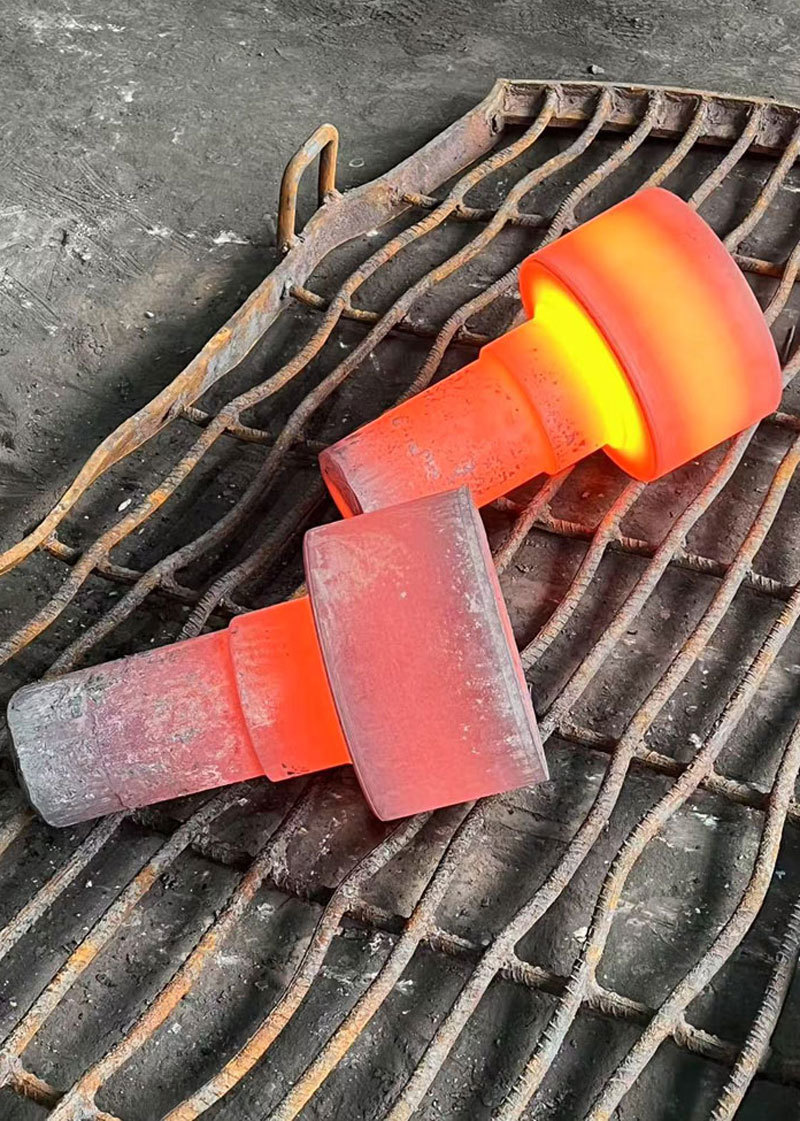
1. **Heating:** Stainless steel is heated to a temperature that makes it malleable, usually between 1,100 to 1,300 degrees Celsius.
2. **Shaping:** Once heated, the steel is shaped using hammers or presses that apply immense pressure.
3. **Cooling:** After being shaped, the material is cooled slowly, allowing it to retain its improved microstructure.
This intensive process results in a refined grain structure, leading to improved mechanical properties and enhanced corrosion resistance.
4. Benefits of Forged Stainless Steel
The advantages of using forged stainless steel are manifold. Key benefits include:
- **Increased Strength:** Forging aligns the grain structure, enhancing strength and toughness.
- **Improved Ductility:** The forging process increases ductility, allowing the material to withstand stress without fracturing.
- **Enhanced Corrosion Resistance:** As discussed, the forging process significantly improves the corrosion resistance of stainless steel.
- **Reduced Material Waste:** Forging produces less scrap compared to other manufacturing methods, making it more economical.
- **Consistency in Quality:** Forged stainless steel components exhibit uniformity in properties, essential for high-performance applications.
5. Understanding Corrosion Resistance
Corrosion resistance refers to a material’s ability to withstand deterioration due to environmental factors such as moisture, oxygen, and chemicals. It is crucial in applications where materials are exposed to harsh conditions. The **passivation layer** formed on stainless steel, primarily due to chromium, is responsible for protecting the underlying metal from corrosion.
Factors influencing corrosion resistance include:
- **Alloy Composition:** The specific grades and elements in stainless steel (like nickel, molybdenum, and nitrogen) can enhance resistance.
- **Microstructure:** The grain structure influenced by processes like forging plays a vital role in protecting against corrosive elements.
- **Environmental Conditions:** Factors such as pH levels, temperature, and exposure to salts or chemicals can affect corrosion rates.
6. How Forging Improves Corrosion Resistance
The improvement in corrosion resistance achieved through the forging of stainless steel can be attributed to several key mechanisms:
1. **Refinement of Grain Structure:** The forging process subjects stainless steel to significant deformation, which refines its grain structure. A finer grain size increases the surface area for the formation of the protective chromium oxide layer, enhancing corrosion resistance.
2. **Reduction of Impurities:** Forging can eliminate trapped impurities and inclusions, which are often to blame for localized corrosion. A cleaner material is less susceptible to pitting and crevice corrosion.
3. **Homogenization of Material Properties:** The intensive pressure and heat treatment involved in forging lead to a more uniform distribution of alloying elements throughout the steel. This homogeneity is crucial for consistent corrosion resistance across the component.
4. **Enhanced Surface Finish:** Forged components often have superior surface finishes compared to cast or machined alternatives. A smoother surface reduces the likelihood of corrosion initiation points.
5. **Stress Relief:** The forging process can relieve internal stresses within the metal, which may otherwise lead to premature failure or corrosion under stress conditions.
7. Applications of Forged Stainless Steel
The enhanced properties of forged stainless steel make it suitable for a broad spectrum of applications, including:
- **Aerospace Components:** The lightweight yet strong characteristics are ideal for various aerospace applications, including structural components and engine parts.
- **Marine Equipment:** Due to its exceptional corrosion resistance, forged stainless steel is extensively used in marine environments, including boat fittings and hardware.
- **Oil and Gas Industry:** Components such as valves and pipes benefit from the durability and corrosion resistance, ensuring safety and reliability in harsh environments.
- **Construction:** Forged stainless steel is utilized in building frameworks, fasteners, and fixtures, especially in coastal areas where corrosion is a concern.
8. Conclusion
In conclusion, **stainless steel forging** significantly enhances corrosion resistance through various mechanisms that improve material properties and durability. The process not only refines the grain structure but also eliminates impurities and promotes a more uniform composition, making forged stainless steel a superior choice for applications exposed to harsh conditions. As industries continue to prioritize longevity and performance in their materials, the role of forged stainless steel will undoubtedly grow, reinforcing its status as a material of choice across multiple sectors.
9. Frequently Asked Questions (FAQs)
1. What is the difference between forged and cast stainless steel?
Forged stainless steel has a refined grain structure due to the forging process, leading to enhanced strength and corrosion resistance, while cast stainless steel may have impurities and less uniform properties.
2. How does temperature affect the corrosion resistance of stainless steel?
Higher temperatures can accelerate corrosion processes, particularly in environments with chlorides. However, the forging process can enhance the steel's resistance to such conditions.
3. Can all grades of stainless steel be forged?
Not all grades are suitable for forging. The most commonly forged types include austenitic and martensitic stainless steels, which exhibit the desired mechanical properties.
4. What are the primary elements that enhance stainless steel's corrosion resistance?
Chromium, nickel, and molybdenum are key elements that improve corrosion resistance. The specific alloy composition will determine the level of protection against corrosion.
5. How can I ensure the corrosion resistance of forged stainless steel products?
Selecting the appropriate grade of stainless steel for your application, ensuring proper surface finishes, and maintaining the material to prevent exposure to harsh environments will help maintain corrosion resistance.
Latest developments
Quality Standards in the Forging of Stainless Steel Products: Ensuring Excellence in Metallurgy
Quality Standards in the Forging of Stainless Steel Products Table of Contents Introduction to Stainless Steel Forging The Importance of Quality Standards in Forging Types of Stainless Steel Used in Forging Common Forging Processes in Stainless Steel Manufacturing Quality Assurance Methodologies in Stainless Steel Forging Testing and Certification of Stainless Steel Products Global
Understanding Non-Standard Flanges: A Key Component in Architectural Applications
Non-standard flanges are specialized components that deviate from conventional sizing and design specifications. Unlike standard flanges, which adhere to established dimensions and pressure ratings, non-standard flanges are custom-made to meet unique project requirements. These flanges are crucial in various architectural and construction applications, particularly when dealing with unconventional
The Importance of Quality Control for Japanese Standard Flanges: Ensuring Durability and Reliability
The Importance of Quality Control for Japanese Standard Flanges In the construction and manufacturing sectors, the significance of quality control cannot be overstated, especially for components as crucial as flanges. Japanese standard flanges, known for their precision and durability, require stringent quality control measures to meet the demands of various applications. This article delves into
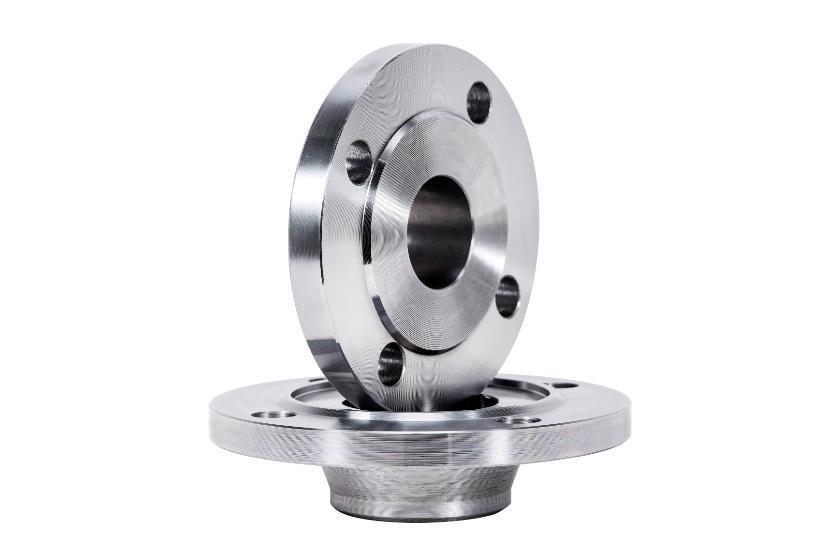
Understanding American Standard Flange in Construction and Decoration Materials
American standard flanges are critical components in the field of construction and decorative materials, particularly in piping systems. These flanges adhere to specific standards established by organizations such as the American National Standards Institute (ANSI) and the American Society of Mechanical Engineers (ASME). Their design and specifications are essential for ensuring compatibility and
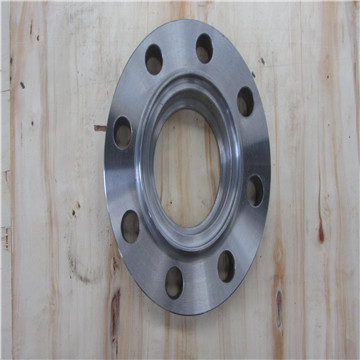
Exploring the Advantages of Using Threaded Flanges in HVAC Systems
Exploring the Advantages of Using Threaded Flanges in HVAC Systems Table of Contents 1. Introduction to Threaded Flanges in HVAC 2. Understanding Threaded Flanges 3. Benefits of Using Threaded Flanges in HVAC Systems 3.1 Superior Sealing Capability 3.2 Ease of Installation and Maintenance 3.3 Cost-Effectiveness 3.4 Versatility i

The Essential Guide to Flanged Connections in Building and Decorative Materials
Flanged connections are vital components in the construction and decorative materials sector, especially in the context of piping systems and fittings. Understanding their function, design, and application can significantly enhance the efficiency and reliability of installations. A flanged connection involves two flanges, which are flat pieces of material with holes for bolts. These flanges are bo
Shandong Xinhao Forging Co.,Ltd.
Tel:+86-15098858482
WeChat: 543983004
Email:xinhaoflange@gmail.com
Whatsapp:8615098858482
Website:www.xhflange.com

TikTok