

Common Mistakes to Avoid When Using Sliding Flanges in Projects
Release time:
2025-11-17
Common Mistakes to Avoid When Using Sliding Flanges in Projects Introduction to Sliding Flanges In the realm of construction and decoration, **sliding flanges** play a crucial role in providing a secure and adaptable connection in piping systems. They offer flexibility in design and functionality, making them a preferred choice for many professionals. However, improper use can lead to significant
Common Mistakes to Avoid When Using Sliding Flanges in Projects
Introduction to Sliding Flanges
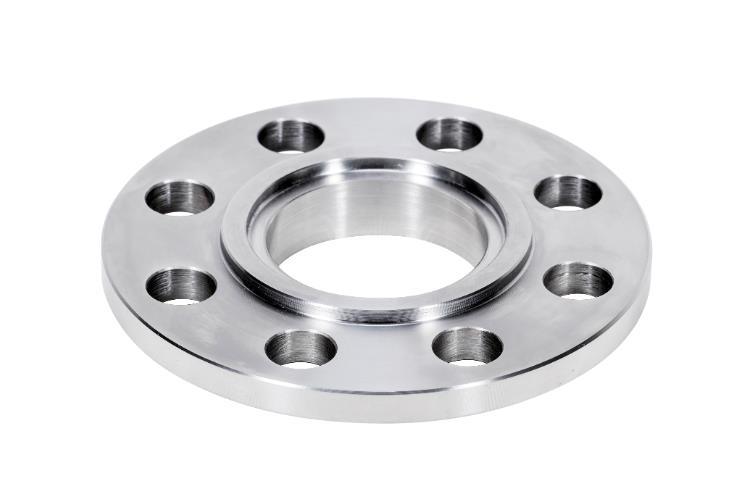
In the realm of construction and decoration, **sliding flanges** play a crucial role in providing a secure and adaptable connection in piping systems. They offer flexibility in design and functionality, making them a preferred choice for many professionals. However, improper use can lead to significant issues, including leaks, structural weaknesses, and increased maintenance costs. This article aims to help you identify and avoid common mistakes associated with sliding flanges, ensuring that your projects are executed smoothly and efficiently.
Table of Contents
- Understanding Sliding Flanges
- Common Mistakes to Avoid
- Design Flaws in Sliding Flange Applications
- Installation Errors That Compromise Performance
- Material Compatibility Issues
- Overlooked Maintenance Practices
- Real-World Examples of Mistakes
- Conclusion
- Frequently Asked Questions
Understanding Sliding Flanges
Sliding flanges are designed to accommodate thermal expansion and contraction in piping systems. Unlike fixed flanges, sliding flanges allow movement along the length of the pipe, making them ideal for applications where thermal or pressure changes are expected. This flexibility is essential in preventing stress and damage to the piping infrastructure.
There are two primary types of sliding flanges: **piping sliding flanges** and **expansion sliding flanges**. Understanding the differences between these types can significantly influence your project outcomes.
The Importance of Proper Use
Utilizing sliding flanges correctly is integral to maintaining the integrity of a project. When installed and used properly, they can effectively manage the stresses within piping systems. However, neglecting best practices can lead to various costly and dangerous errors.
Common Mistakes to Avoid
Here, we delve into the most frequent mistakes made when using sliding flanges, providing insights on how to avoid them.
Lack of Thorough Design Planning
One of the foremost mistakes in utilizing sliding flanges is insufficient design planning. This can result in miscalculations that affect the overall system functionality. It is essential to perform a detailed analysis of the required **flange dimensions**, **pressure ratings**, and environmental factors that could influence the system.
Failure to Account for Thermal Expansion
Ignoring the thermal expansion that occurs in piping systems can have severe repercussions. Ensure that your design allows for adequate movement, particularly in environments with fluctuating temperatures.
Using Incompatible Materials
Selecting the wrong materials for sliding flanges can lead to premature failures. It is crucial to ensure that the materials used are compatible with the fluid being transported and the environmental conditions.
Corrosion Resistance Considerations
In corrosive environments, opting for materials that resist corrosion is vital. Stainless steel or specially coated materials can ensure longevity and performance in harsh conditions.
Design Flaws in Sliding Flange Applications
Design flaws can significantly compromise the efficiency of sliding flanges. It is essential to understand these potential pitfalls to prevent costly repairs or replacements.
Inadequate Load Bearing Calculations
Underestimating the load that sliding flanges must bear is a common mistake. Ensure accurate calculations that consider the entire system's weight, including the fluid and any additional components.
Ignoring Installation Angles
Incorrect installation angles can lead to misalignment and increased stress on flanges. Always adhere to manufacturer guidelines regarding installation angles to ensure optimal performance.
Installation Errors That Compromise Performance
Proper installation is critical for the functionality of sliding flanges. Any errors during this phase can lead to leaks and system failures.
Neglecting to Use Proper Sealants
Using inadequate or unsuitable sealants can result in leaks. Always select appropriate sealants designed for the specific application and ensure that the surfaces are clean before application.
Improper Torque Settings
Using improper torque settings during installation can lead to flange failure. Always refer to manufacturer specifications for the correct torque settings to ensure a secure connection.
Material Compatibility Issues
Understanding the compatibility of materials used in sliding flanges is vital for their effective operation.
Incompatibility with Fluids
Certain materials may react negatively with specific fluids, leading to failures. Conduct thorough research to ensure that the materials chosen can withstand the chemical properties of the transported fluids.
Environmental Resistance
Consider the environmental factors where the sliding flanges will be installed. Factors like humidity, temperature variations, and exposure to chemicals can affect material performance.
Overlooked Maintenance Practices
Regular maintenance is essential to ensure the longevity and performance of sliding flanges. Failing to implement a comprehensive maintenance schedule can lead to severe issues.
Ignoring Inspection Protocols
Regular inspections allow for the early detection of issues. Create a schedule for routine inspections to assess flange conditions, ensuring that any signs of wear or damage are promptly addressed.
Delayed Repairs
Delaying repairs can exacerbate existing problems. As soon as an issue is identified, prioritize it for repair to prevent further complications.
Real-World Examples of Mistakes
Understanding real-world examples can provide additional insight into the implications of neglecting best practices regarding sliding flanges.
Case Study 1: Misalignment Issues
In one instance, a construction project faced significant challenges due to misaligned sliding flanges. This misalignment led to increased stress on the piping system, resulting in leaks and costly downtime. Proper alignment techniques could have prevented these issues.
Case Study 2: Material Failure
Another project experienced failures due to using incompatible materials in sliding flanges. The selected material could not withstand the corrosive environment, leading to premature failures. Choosing the right material would have extended the flanges' lifespan significantly.
Conclusion
Utilizing sliding flanges in construction and decoration projects requires careful consideration and adherence to best practices. By recognizing and avoiding common mistakes, such as inadequate planning, installation errors, and neglecting maintenance, you can ensure the success of your projects. Always prioritize correct material selection and thorough inspections to maintain the integrity of your piping systems. With the right knowledge and attention to detail, your projects can achieve optimal performance and longevity.
Frequently Asked Questions
What are sliding flanges used for in construction projects?
Sliding flanges are utilized to ensure flexible connections in piping systems, accommodating thermal expansion and contraction to prevent stress and leaks.
How can I ensure the correct installation of sliding flanges?
Adhere to manufacturer specifications for installation angles and torque settings, and use appropriate sealants to ensure a secure connection.
What materials are best for sliding flanges in corrosive environments?
Stainless steel or specially coated materials that resist corrosion are ideal for use in harsh environments.
Why is regular maintenance important for sliding flanges?
Regular maintenance allows for early detection of issues, ensuring the long-term performance and reliability of the piping system.
What are the consequences of ignoring design flaws in sliding flange applications?
Ignoring design flaws can lead to leaks, system failures, and increased maintenance costs, ultimately affecting project timelines and budgets.
Latest developments
Quality Standards in the Forging of Stainless Steel Products: Ensuring Excellence in Metallurgy
Quality Standards in the Forging of Stainless Steel Products Table of Contents Introduction to Stainless Steel Forging The Importance of Quality Standards in Forging Types of Stainless Steel Used in Forging Common Forging Processes in Stainless Steel Manufacturing Quality Assurance Methodologies in Stainless Steel Forging Testing and Certification of Stainless Steel Products Global
Understanding Non-Standard Flanges: A Key Component in Architectural Applications
Non-standard flanges are specialized components that deviate from conventional sizing and design specifications. Unlike standard flanges, which adhere to established dimensions and pressure ratings, non-standard flanges are custom-made to meet unique project requirements. These flanges are crucial in various architectural and construction applications, particularly when dealing with unconventional
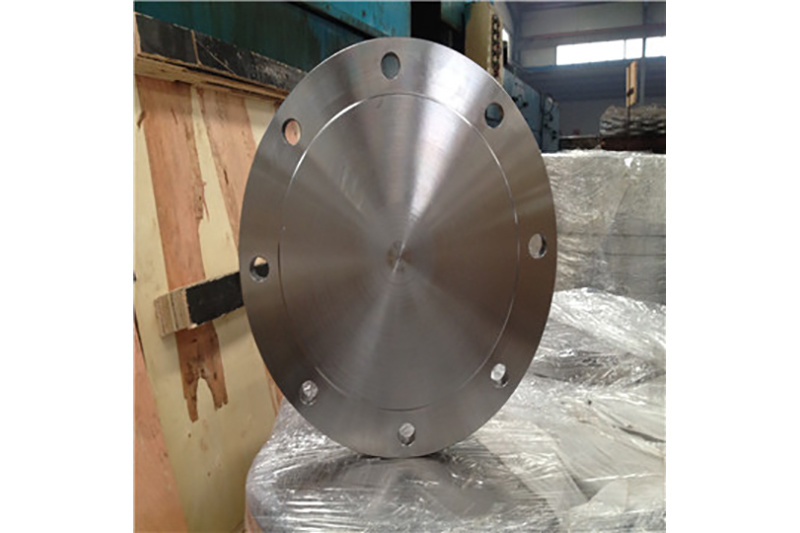
The Importance of Quality Control for Japanese Standard Flanges: Ensuring Durability and Reliability
The Importance of Quality Control for Japanese Standard Flanges In the construction and manufacturing sectors, the significance of quality control cannot be overstated, especially for components as crucial as flanges. Japanese standard flanges, known for their precision and durability, require stringent quality control measures to meet the demands of various applications. This article delves into
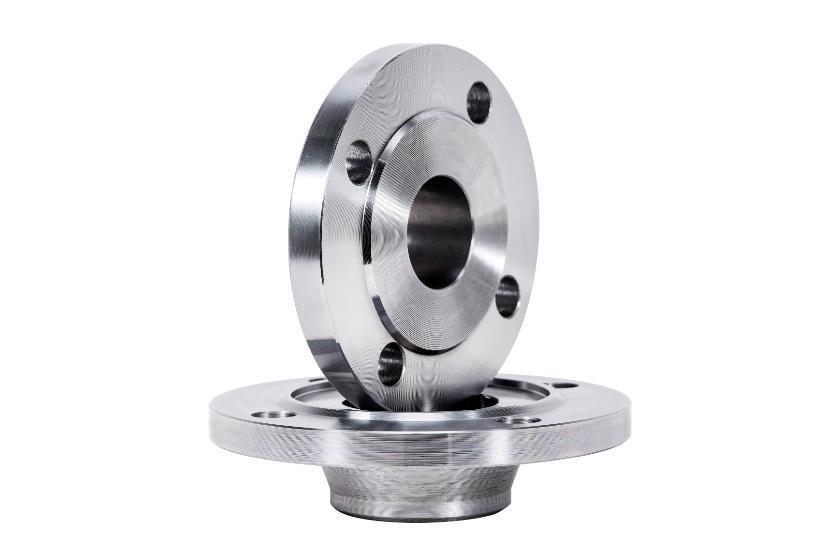
Understanding American Standard Flange in Construction and Decoration Materials
American standard flanges are critical components in the field of construction and decorative materials, particularly in piping systems. These flanges adhere to specific standards established by organizations such as the American National Standards Institute (ANSI) and the American Society of Mechanical Engineers (ASME). Their design and specifications are essential for ensuring compatibility and
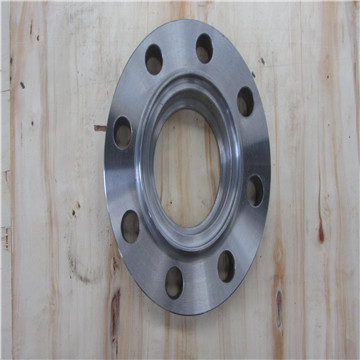
Exploring the Advantages of Using Threaded Flanges in HVAC Systems
Exploring the Advantages of Using Threaded Flanges in HVAC Systems Table of Contents 1. Introduction to Threaded Flanges in HVAC 2. Understanding Threaded Flanges 3. Benefits of Using Threaded Flanges in HVAC Systems 3.1 Superior Sealing Capability 3.2 Ease of Installation and Maintenance 3.3 Cost-Effectiveness 3.4 Versatility i

The Essential Guide to Flanged Connections in Building and Decorative Materials
Flanged connections are vital components in the construction and decorative materials sector, especially in the context of piping systems and fittings. Understanding their function, design, and application can significantly enhance the efficiency and reliability of installations. A flanged connection involves two flanges, which are flat pieces of material with holes for bolts. These flanges are bo
Shandong Xinhao Forging Co.,Ltd.
Tel:+86-15098858482
WeChat: 543983004
Email:xinhaoflange@gmail.com
Whatsapp:8615098858482
Website:www.xhflange.com

TikTok