

Troubleshooting Common Issues with Threaded Flanges: A Comprehensive Guide
Release time:
2025-11-23
Troubleshooting Common Issues with Threaded Flanges Introduction to Threaded Flanges Threaded flanges play a critical role in the construction and decorative materials industry, facilitating the connection of piping systems. They are designed to provide a secure, leak-proof seal, ensuring the integrity of fluid transport. Understanding the common issues that may arise with threaded flanges is esse
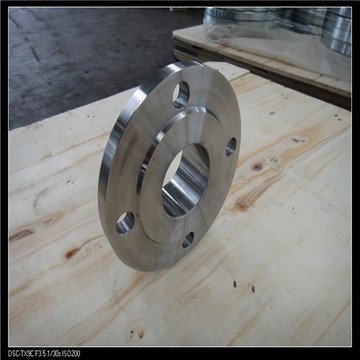
Troubleshooting Common Issues with Threaded Flanges
Introduction to Threaded Flanges
Threaded flanges play a critical role in the construction and decorative materials industry, facilitating the connection of piping systems. They are designed to provide a secure, leak-proof seal, ensuring the integrity of fluid transport. Understanding the common issues that may arise with threaded flanges is essential for maintaining efficient operations.
Understanding Threaded Flanges: Function and Importance
Threaded flanges are circular components with a threaded bore that allows for the direct attachment to corresponding threaded pipes. Their primary function is to join two sections of pipe, providing a robust connection that can withstand pressure and thermal changes. The importance of these flanges cannot be overstated; they are pivotal in ensuring a leak-free and safe piping system.
Key Applications of Threaded Flanges
Threaded flanges find extensive use across various industries, including:
- **Oil and Gas**: Used in pipelines to transport petroleum products.
- **Water Treatment**: Essential for connecting sections of water systems.
- **Chemical Processing**: Facilitate safe transfer of chemicals in processing plants.
Common Issues with Threaded Flanges
Despite their robust design, threaded flanges can experience several issues that may compromise the integrity of a piping system. Understanding these issues is the first step toward effective troubleshooting.
1. Leaks at the Flange Joint
One of the most common issues faced with threaded flanges is leakage. This can occur due to various factors:
- **Improper thread alignment**: Ensuring that threads are correctly aligned is crucial for maintaining a proper seal.
- **Wear and tear**: Over time, the threads can wear, leading to gaps that allow leaks.
- **Inadequate sealing materials**: The use of improper or degraded sealing materials can contribute to leaks.
Solutions for Leaks
- **Regular Inspections**: Conduct routine inspections to check for signs of wear or corrosion.
- **Use of Appropriate Sealants**: Employ high-quality sealants designed for the specific application to enhance leak prevention.
- **Re-threading or Replacing Flanges**: If threads are worn, consider re-threading or replacing the flanges to restore integrity.
2. Corrosion of Threaded Flanges
Corrosion is a significant challenge, particularly in environments exposed to moisture and chemicals. This can lead to structural weakness and potential failure of the piping system.
Preventing Corrosion
- **Material Selection**: Use corrosion-resistant materials, such as stainless steel or coated flanges, to mitigate corrosion risk.
- **Protective Coatings**: Applying protective coatings can help shield flanges from corrosive elements.
3. Misalignment Issues
Misalignment of threaded flanges can lead to stress on the piping system, increasing the risk of failure.
Addressing Misalignment
- **Proper Installation Techniques**: Ensure flanges are installed using proper techniques to maintain alignment.
- **Use Alignment Tools**: Employ tools to check and correct alignment during installation.
4. Over-tightening of Flanges
Over-tightening can cause deformation of the flange, leading to stress fractures and leaks.
Best Practices for Tightening Flanges
- **Follow Torque Specifications**: Always adhere to manufacturer specifications for torque settings.
- **Use a Torque Wrench**: This ensures consistent and correct tightening without overdoing it.
5. Incompatible Materials
Using dissimilar materials for threaded flanges and pipes can lead to galvanic corrosion, which can compromise the entire system.
Recommendations for Material Compatibility
- **Consult Material Compatibility Charts**: Ensure that materials used are compatible to avoid corrosion issues.
- **Standardization**: Where possible, use a standardized set of materials for your piping systems.
Best Practices for Maintaining Threaded Flanges
To prevent issues with threaded flanges, implementing best practices for maintenance and inspection is vital.
Routine Inspection and Maintenance
- **Visual Inspections**: Regularly check for visible signs of wear, corrosion, or misalignment.
- **Functional Testing**: Conduct tests to ensure that the flanges maintain pressure and do not leak.
Proper Installation Techniques
- **Training**: Ensure that personnel are adequately trained in the proper installation of threaded flanges.
- **Use of Quality Tools**: Employ high-quality tools for installation and maintenance to ensure optimal performance.
Documentation and Record Keeping
- **Maintenance Logs**: Keep detailed records of inspections, maintenance, and any repairs performed on threaded flanges.
- **Incident Reports**: Document any issues encountered to identify patterns and improve future practices.
FAQs About Troubleshooting Threaded Flanges
1. What should I do if my threaded flanges are leaking?
Inspect the alignment and condition of the threads. If necessary, re-thread or replace the flanges and ensure proper sealing materials are used.
2. How can I prevent corrosion in threaded flanges?
Utilize corrosion-resistant materials and apply protective coatings to shield flanges from environmental factors.
3. Is it possible to repair a misaligned threaded flange?
Yes, adjustments can be made during installation. Use alignment tools to ensure proper positioning before securing the connection.
4. What are the signs of over-tightened flanges?
Signs include visible deformation of the flange, stress fractures, and leaks. If you suspect over-tightening, carefully loosen the flange and re-tighten according to specifications.
5. How often should I perform maintenance on my threaded flanges?
Routine inspections should be conducted quarterly, or more frequently in critical applications, to ensure reliability and early detection of issues.
Conclusion
Threaded flanges are essential components in many piping systems, providing secure connections for fluid transport. However, various challenges may arise over time, leading to leaks, corrosion, and structural failures. By understanding these common issues and implementing effective troubleshooting and maintenance practices, we can ensure the longevity and reliability of threaded flanges. Regular inspections, proper installation techniques, and adherence to best practices are key to avoiding complications and maintaining high operational standards in your piping systems.
Latest developments
Quality Standards in the Forging of Stainless Steel Products: Ensuring Excellence in Metallurgy
Quality Standards in the Forging of Stainless Steel Products Table of Contents Introduction to Stainless Steel Forging The Importance of Quality Standards in Forging Types of Stainless Steel Used in Forging Common Forging Processes in Stainless Steel Manufacturing Quality Assurance Methodologies in Stainless Steel Forging Testing and Certification of Stainless Steel Products Global
Understanding Non-Standard Flanges: A Key Component in Architectural Applications
Non-standard flanges are specialized components that deviate from conventional sizing and design specifications. Unlike standard flanges, which adhere to established dimensions and pressure ratings, non-standard flanges are custom-made to meet unique project requirements. These flanges are crucial in various architectural and construction applications, particularly when dealing with unconventional
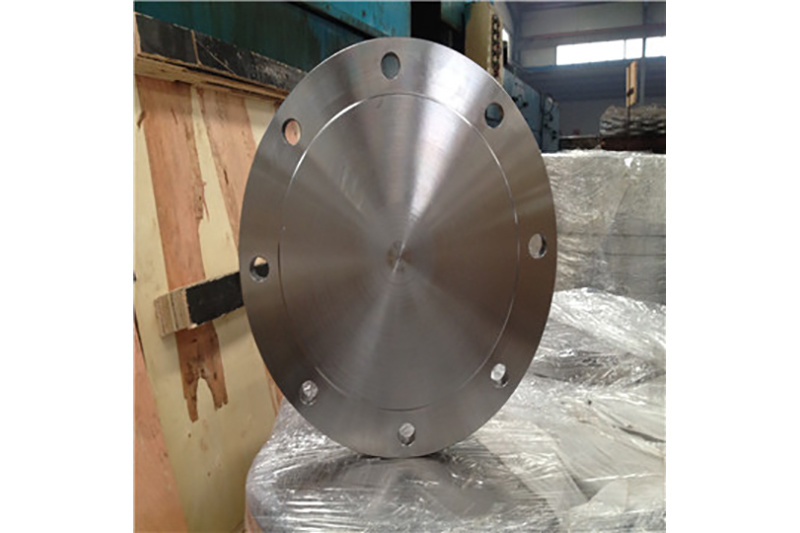
The Importance of Quality Control for Japanese Standard Flanges: Ensuring Durability and Reliability
The Importance of Quality Control for Japanese Standard Flanges In the construction and manufacturing sectors, the significance of quality control cannot be overstated, especially for components as crucial as flanges. Japanese standard flanges, known for their precision and durability, require stringent quality control measures to meet the demands of various applications. This article delves into
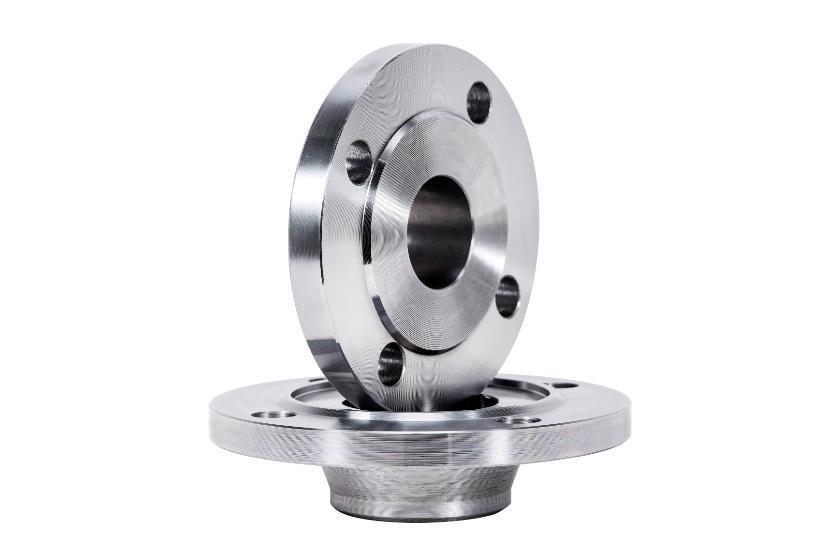
Understanding American Standard Flange in Construction and Decoration Materials
American standard flanges are critical components in the field of construction and decorative materials, particularly in piping systems. These flanges adhere to specific standards established by organizations such as the American National Standards Institute (ANSI) and the American Society of Mechanical Engineers (ASME). Their design and specifications are essential for ensuring compatibility and
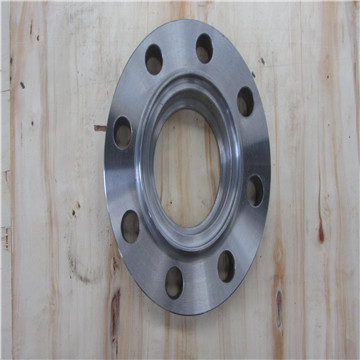
Exploring the Advantages of Using Threaded Flanges in HVAC Systems
Exploring the Advantages of Using Threaded Flanges in HVAC Systems Table of Contents 1. Introduction to Threaded Flanges in HVAC 2. Understanding Threaded Flanges 3. Benefits of Using Threaded Flanges in HVAC Systems 3.1 Superior Sealing Capability 3.2 Ease of Installation and Maintenance 3.3 Cost-Effectiveness 3.4 Versatility i

The Essential Guide to Flanged Connections in Building and Decorative Materials
Flanged connections are vital components in the construction and decorative materials sector, especially in the context of piping systems and fittings. Understanding their function, design, and application can significantly enhance the efficiency and reliability of installations. A flanged connection involves two flanges, which are flat pieces of material with holes for bolts. These flanges are bo
Shandong Xinhao Forging Co.,Ltd.
Tel:+86-15098858482
WeChat: 543983004
Email:xinhaoflange@gmail.com
Whatsapp:8615098858482
Website:www.xhflange.com

TikTok