

Forged vs. Wrought Stainless Steel: Key Differences Explained
Release time:
2025-12-05
Forged vs. Wrought Stainless Steel: Key Differences Explained Table of Contents 1. Introduction to Stainless Steel 2. Understanding Forged Stainless Steel 2.1 What is Forged Stainless Steel? 2.2 The Forging Process Explained 3. Understanding Wrought Stainless Steel 3.1 What is Wrought Stainless Steel? 3.2 The Wrought Process Explained 4. Key Differences Between Forged and Wrought
Forged vs. Wrought Stainless Steel: Key Differences Explained
Table of Contents
1. Introduction to Stainless Steel
2. Understanding Forged Stainless Steel
2.1 What is Forged Stainless Steel?
2.2 The Forging Process Explained
3. Understanding Wrought Stainless Steel
3.1 What is Wrought Stainless Steel?
3.2 The Wrought Process Explained
4. Key Differences Between Forged and Wrought Stainless Steel
4.1 Strength and Durability
4.2 Applications in Industry
4.3 Cost Considerations
5. Advantages of Forged Stainless Steel
6. Advantages of Wrought Stainless Steel
7. Choosing the Right Stainless Steel for Your Needs
8. Frequently Asked Questions (FAQs)
9. Conclusion
1. Introduction to Stainless Steel
Stainless steel is a versatile material renowned for its resilience and resistance to corrosion. Composed primarily of iron, chromium, and nickel, stainless steel is essential in various industries, including construction, automotive, and energy. Its durability makes it ideal for demanding applications, but not all stainless steel is created equal. Understanding the differences between forged and wrought stainless steel is crucial for selecting the right material for your projects.
2. Understanding Forged Stainless Steel
2.1 What is Forged Stainless Steel?
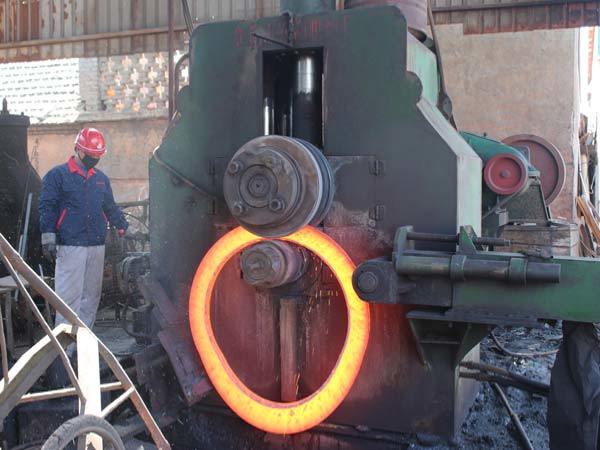
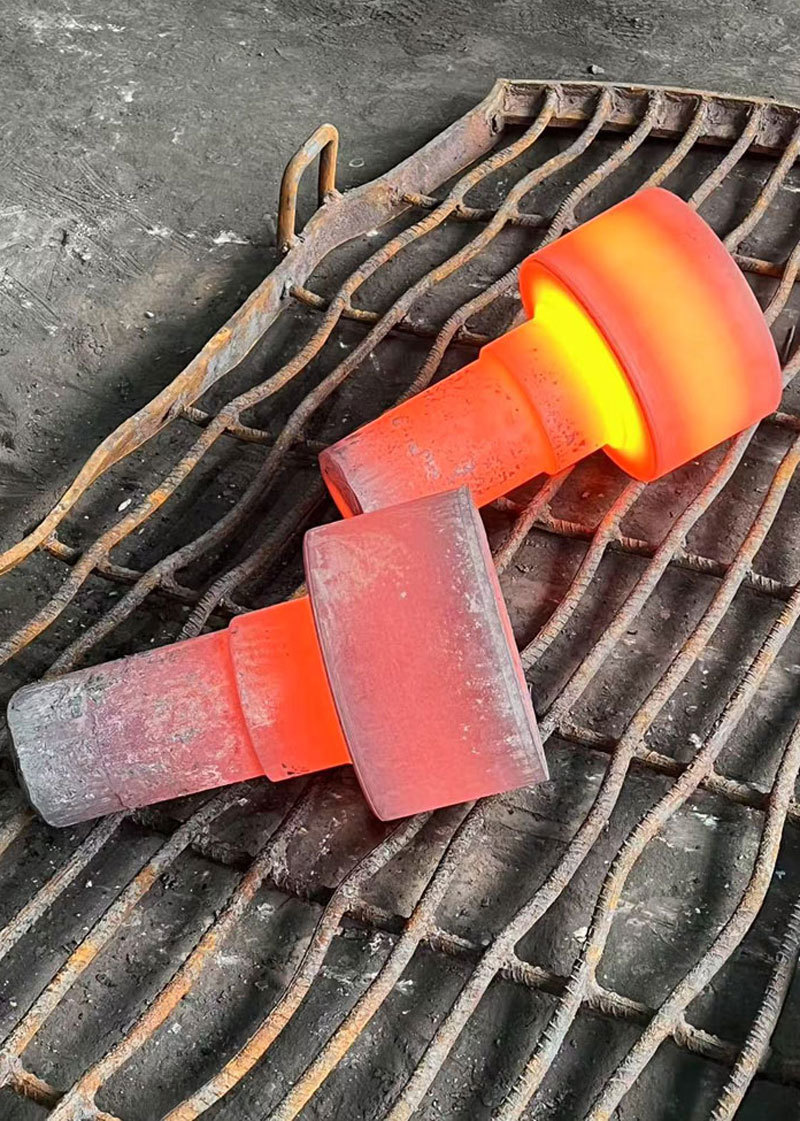
Forged stainless steel is produced by shaping the material through compressive forces, usually by hammering or pressing at high temperatures. This process aligns the metal's internal structure, enhancing its strength and toughness. Forged stainless steel is often used in applications where performance under stress is critical.
2.2 The Forging Process Explained
The forging process involves heating stainless steel to a temperature that makes it malleable, followed by application of force to shape it. This process can be performed through various methods, including open-die forging, closed-die forging, and drop forging. Each method has unique characteristics and advantages depending on the application. The result is a finished product with superior mechanical properties, making forged stainless steel ideal for high-load applications such as tools, valves, and fittings.
3. Understanding Wrought Stainless Steel
3.1 What is Wrought Stainless Steel?
Wrought stainless steel, on the other hand, is created through a process of deformation without removing any material. This includes techniques like rolling, extruding, and bending. The term "wrought" signifies that the metal has been worked into its final form, often resulting in a range of shapes and sizes, from sheets and plates to bars and tubes.
3.2 The Wrought Process Explained
In the wrought process, stainless steel is heated and then mechanically deformed, resulting in a more uniform grain structure and improved ductility compared to its cast counterparts. This process allows for precise control over the dimensions and mechanical properties of the final product. Wrought stainless steel is commonly used in applications where aesthetic appearance and finish are significant, such as architectural elements and consumer products.
4. Key Differences Between Forged and Wrought Stainless Steel
4.1 Strength and Durability
The primary difference between forged and wrought stainless steel lies in their strength and durability. Forged stainless steel typically exhibits enhanced strength due to the alignment of the grain structure during the forging process. This results in a material that can withstand higher stress and is less prone to failure under extreme conditions. In contrast, while wrought stainless steel is strong, it may lack the same level of durability as forged steel, particularly in high-stress environments.
4.2 Applications in Industry
Both forged and wrought stainless steel find extensive applications across various industries. Forged stainless steel is predominantly used in high-pressure environments such as oil and gas exploration, aerospace components, and heavy machinery. Wrought stainless steel, however, is favored for applications requiring intricate designs and a smooth finish, such as kitchen appliances, medical devices, and architectural structures. Understanding these applications is essential in determining which type of stainless steel is suitable for specific projects.
4.3 Cost Considerations
Cost is another consideration when choosing between forged and wrought stainless steel. Generally, forged stainless steel tends to be more expensive due to the intensive manufacturing process and the enhanced properties it offers. Conversely, wrought stainless steel is often more cost-effective, making it a popular choice for projects where budget constraints are a concern. However, the long-term benefits of using forged steel in high-demand applications may justify the initial investment.
5. Advantages of Forged Stainless Steel
Forged stainless steel offers several advantages, including:
- **Increased Strength:** The forging process results in a more robust material capable of withstanding higher loads and pressures.
- **Improved Toughness:** Forged stainless steel exhibits higher toughness, reducing the risk of fracture or failure under stress.
- **Uniform Grain Structure:** The alignment of the grain structure during forging leads to consistent mechanical properties throughout the product.
- **Resistance to Fatigue:** Forged stainless steel is less likely to fail under repeated stress, making it ideal for dynamic applications.
6. Advantages of Wrought Stainless Steel
Wrought stainless steel also presents numerous benefits, including:
- **Versatility:** The wrought process allows for a wide range of shapes and sizes, making it versatile for various applications.
- **Aesthetic Appeal:** Wrought stainless steel can be finished to a high standard, making it ideal for visible components.
- **Cost-Effectiveness:** Often more affordable than forged stainless steel, making it suitable for budget-conscious projects.
- **Ease of Fabrication:** Wrought stainless steel can be easily machined, welded, and fabricated into complex designs.
7. Choosing the Right Stainless Steel for Your Needs
Selecting between forged and wrought stainless steel depends on various factors, including the specific requirements of your project, budget constraints, and environmental conditions. For applications requiring superior strength and durability, forged stainless steel is the optimal choice. Conversely, if aesthetic appeal and cost-effectiveness are priorities, wrought stainless steel may be more suitable. Assessing the unique needs of your project will guide you in making the best decision.
8. Frequently Asked Questions (FAQs)
1. What is the primary difference between forged and wrought stainless steel?
The primary difference lies in their manufacturing processes—forged stainless steel is shaped through compressive forces while wrought stainless steel is deformed without removing material.
2. Is forged stainless steel stronger than wrought stainless steel?
Yes, forged stainless steel is generally stronger due to the alignment of its grain structure, which enhances its mechanical properties.
3. What are the common applications of forged stainless steel?
Forged stainless steel is commonly used in oil and gas applications, aerospace components, and heavy machinery due to its high strength and durability.
4. Can wrought stainless steel be used in high-stress applications?
While wrought stainless steel can be used in various applications, it may not provide the same level of strength and durability as forged stainless steel in high-stress environments.
5. How do I choose between forged and wrought stainless steel for my project?
Consider the specific requirements of your project, including strength needs, aesthetic preferences, and budget constraints, to determine which type is more suitable.
9. Conclusion
In conclusion, both forged and wrought stainless steel play integral roles in various industries, each with its unique advantages and applications. Forged stainless steel excels in strength and durability, making it ideal for high-stress environments, while wrought stainless steel offers versatility and aesthetic appeal at a potentially lower cost. By understanding the key differences between these two types of stainless steel, you can make informed decisions that meet your project's specific requirements and ensure optimal performance.
Latest developments
Quality Standards in the Forging of Stainless Steel Products: Ensuring Excellence in Metallurgy
Quality Standards in the Forging of Stainless Steel Products Table of Contents Introduction to Stainless Steel Forging The Importance of Quality Standards in Forging Types of Stainless Steel Used in Forging Common Forging Processes in Stainless Steel Manufacturing Quality Assurance Methodologies in Stainless Steel Forging Testing and Certification of Stainless Steel Products Global
Understanding Non-Standard Flanges: A Key Component in Architectural Applications
Non-standard flanges are specialized components that deviate from conventional sizing and design specifications. Unlike standard flanges, which adhere to established dimensions and pressure ratings, non-standard flanges are custom-made to meet unique project requirements. These flanges are crucial in various architectural and construction applications, particularly when dealing with unconventional
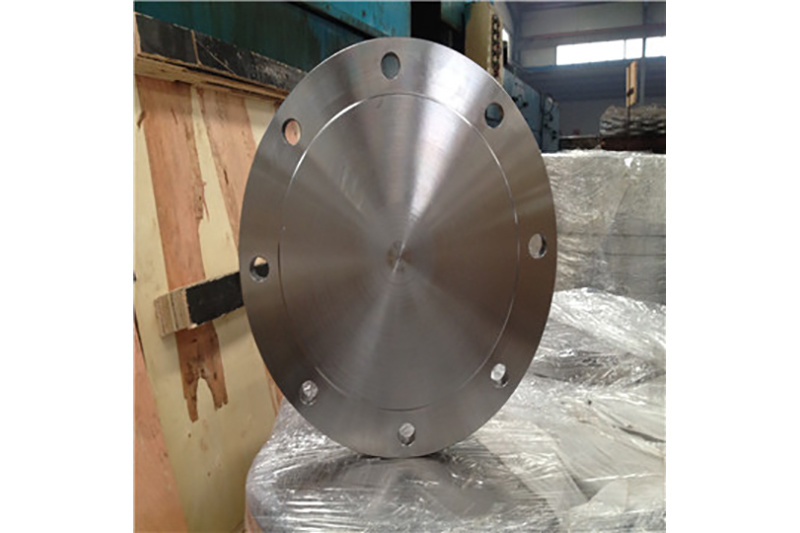
The Importance of Quality Control for Japanese Standard Flanges: Ensuring Durability and Reliability
The Importance of Quality Control for Japanese Standard Flanges In the construction and manufacturing sectors, the significance of quality control cannot be overstated, especially for components as crucial as flanges. Japanese standard flanges, known for their precision and durability, require stringent quality control measures to meet the demands of various applications. This article delves into
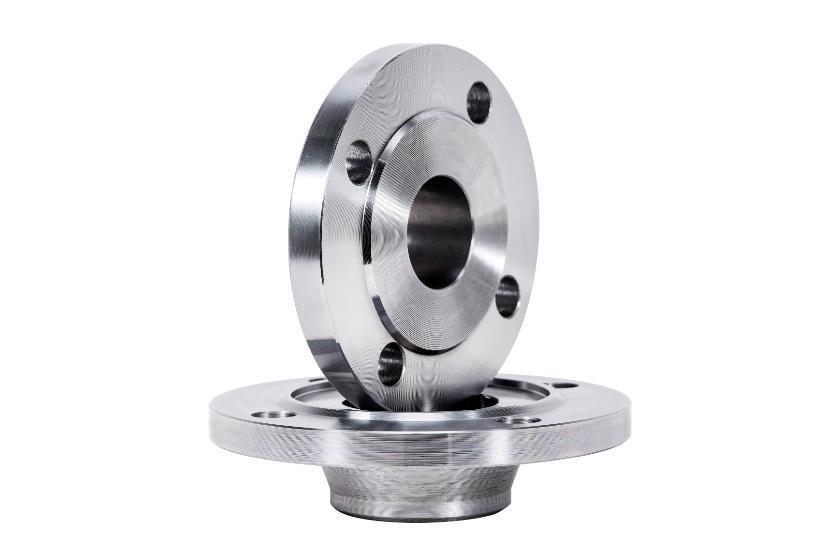
Understanding American Standard Flange in Construction and Decoration Materials
American standard flanges are critical components in the field of construction and decorative materials, particularly in piping systems. These flanges adhere to specific standards established by organizations such as the American National Standards Institute (ANSI) and the American Society of Mechanical Engineers (ASME). Their design and specifications are essential for ensuring compatibility and
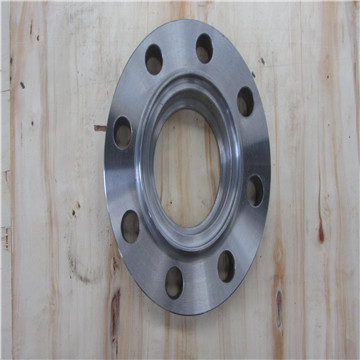
Exploring the Advantages of Using Threaded Flanges in HVAC Systems
Exploring the Advantages of Using Threaded Flanges in HVAC Systems Table of Contents 1. Introduction to Threaded Flanges in HVAC 2. Understanding Threaded Flanges 3. Benefits of Using Threaded Flanges in HVAC Systems 3.1 Superior Sealing Capability 3.2 Ease of Installation and Maintenance 3.3 Cost-Effectiveness 3.4 Versatility i

The Essential Guide to Flanged Connections in Building and Decorative Materials
Flanged connections are vital components in the construction and decorative materials sector, especially in the context of piping systems and fittings. Understanding their function, design, and application can significantly enhance the efficiency and reliability of installations. A flanged connection involves two flanges, which are flat pieces of material with holes for bolts. These flanges are bo
Shandong Xinhao Forging Co.,Ltd.
Tel:+86-15098858482
WeChat: 543983004
Email:xinhaoflange@gmail.com
Whatsapp:8615098858482
Website:www.xhflange.com

TikTok