

The Future of Sliding Flanges: Trends to Watch in Construction
Release time:
2025-12-17
The Future of Sliding Flanges: Trends to Watch in Construction The construction industry is continuously evolving, with innovations emerging at every corner. One of the components that play a crucial role in piping systems is the sliding flange. As we look forward to the future, it is essential to examine the trends surrounding sliding flanges and how they will shape construction practices. This a
The Future of Sliding Flanges: Trends to Watch in Construction
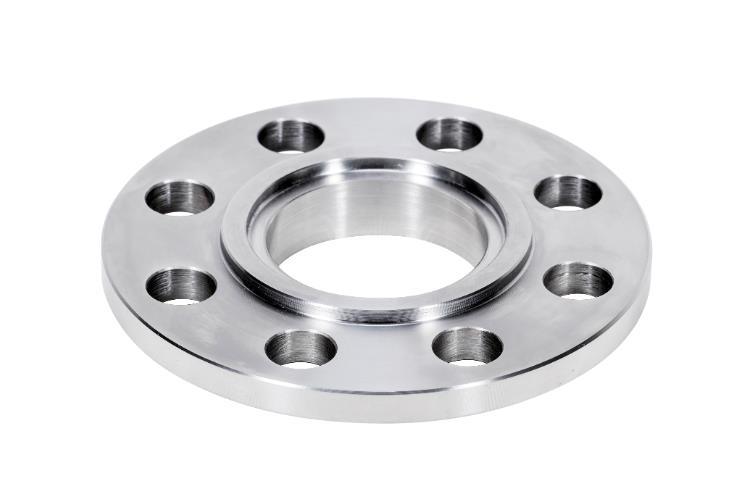
The construction industry is continuously evolving, with innovations emerging at every corner. One of the components that play a crucial role in piping systems is the sliding flange. As we look forward to the future, it is essential to examine the trends surrounding sliding flanges and how they will shape construction practices. This article aims to provide an in-depth analysis of current trends, innovations, and future directions for sliding flanges, helping industry professionals stay ahead of the curve.
Understanding Sliding Flanges: A Brief Overview
Sliding flanges are a type of flange that allows for flexibility in the alignment of piping systems. Unlike fixed flanges, sliding flanges can accommodate slight misalignments in pipes, making them an ideal choice for various construction applications. This section delves into the structure and function of sliding flanges, highlighting their importance in modern construction.
What Makes Sliding Flanges Unique?
Sliding flanges are typically characterized by their unique design, which allows for limited movement along the pipe's axis. The following points outline their key features:
- **Flexibility**: Sliding flanges offer significant flexibility, accommodating shifts in pipe alignment.
- **Ease of Installation**: The design simplifies installation processes, making it easier for construction teams to connect piping systems.
- **Durability**: Made from robust materials, sliding flanges are designed to withstand challenging conditions, enhancing their longevity.
Applications of Sliding Flanges in Construction
Sliding flanges find their application across various sectors within construction, including:
- **Water Supply Systems**: They are often used in water supply networks to allow for minor adjustments during installation.
- **Industrial Piping**: Sliding flanges are prevalent in industrial settings, where they facilitate the connection of different components.
- **Oil and Gas**: In the oil and gas sector, sliding flanges provide the necessary flexibility to accommodate changes in pressure and temperature.
Current Trends in Sliding Flanges
As the construction industry progresses, several trends are emerging in the realm of sliding flanges. This section explores these trends and their implications for the future of construction.
1. Advancements in Material Science
One of the most significant trends in sliding flanges is the advancement in materials used for their manufacturing. Modern flanges are now being produced from high-strength alloys and composite materials that offer enhanced durability and resistance to corrosion. This shift leads to longer-lasting components that reduce maintenance costs and improve overall system reliability.
2. Increased Demand for Sustainable Solutions
Sustainability is at the forefront of modern construction practices. As industries seek to reduce their environmental footprint, the demand for eco-friendly materials in sliding flanges is rising. Manufacturers are now focusing on producing flanges that utilize recycled materials and sustainable manufacturing processes, contributing to a greener future in construction.
3. Innovations in Design and Functionality
The design of sliding flanges is also evolving, with innovations enhancing their functionality. For instance, the introduction of self-aligning features allows sliding flanges to automatically adjust to misalignments, further simplifying installation processes. These innovations not only improve efficiency but also minimize the risk of damage to piping systems.
4. Integration of Smart Technology
With the advent of Industry 4.0, smart technology is making its way into construction equipment and components, including sliding flanges. The incorporation of sensors and IoT (Internet of Things) technology into sliding flanges can provide real-time data on pressure, temperature, and alignment, allowing for proactive maintenance and improved safety in piping systems.
5. Customization and Tailored Solutions
As construction projects become increasingly specialized, the need for customized sliding flanges is on the rise. Manufacturers are now offering tailored solutions that cater to specific project requirements, ensuring optimal performance and compatibility within unique systems.
Future Directions for Sliding Flanges
As we look to the future, the following directions are likely to shape the development and utilization of sliding flanges in the construction industry.
1. Enhanced Performance through Research and Development
Ongoing research and development efforts will continue to drive performance enhancements in sliding flanges. Manufacturers are investing in R&D to explore new materials, designs, and technologies that can further improve the efficiency and effectiveness of sliding flanges.
2. Regulatory Changes and Standards
With the construction industry under constant scrutiny regarding safety and environmental standards, regulatory changes will play a significant role in shaping the future of sliding flanges. Manufacturers must adhere to evolving regulations, ensuring that their products remain compliant while still meeting performance expectations.
3. Globalization and Sourcing
The global nature of the construction industry means that sliding flanges will increasingly be sourced from various regions around the world. This globalization can lead to a wider variety of options for construction professionals, as well as increased collaboration between manufacturers and contractors.
4. Education and Training for Industry Professionals
As new technologies and materials emerge, there will be a growing need for education and training for industry professionals. Understanding the latest trends and innovations within sliding flanges will be crucial for engineers, project managers, and construction teams to ensure successful implementation in their projects.
5. Focus on Safety and Reliability
Safety remains a top priority in construction practices. As sliding flanges evolve, manufacturers will focus on enhancing safety features to ensure that they can withstand various stressors in dynamic environments while maintaining reliability.
Key Considerations for Choosing Sliding Flanges
When selecting sliding flanges for construction projects, several factors should be taken into account to ensure optimal performance:
1. Material Selection
Choosing the right material is crucial for the durability and longevity of sliding flanges. Consider factors such as corrosion resistance, strength, and weight when selecting materials.
2. Size and Compatibility
Ensure that the sliding flanges are the correct size and compatible with the piping systems in use. Mismatched sizes can lead to installation difficulties and potential failures.
3. Manufacturer Reputation
Selecting a reputable manufacturer with a track record of producing high-quality sliding flanges is essential. Researching customer reviews and industry feedback can provide insights into the reliability of their products.
4. Compliance with Standards
Ensure that the selected sliding flanges meet industry standards and regulations. Compliance is vital for safety and performance in construction applications.
5. Cost Considerations
While cost is an important factor, it should not be the sole consideration when selecting sliding flanges. Consider the long-term benefits of investing in high-quality components that offer durability and reliability.
FAQs about Sliding Flanges
1. What are sliding flanges used for?
Sliding flanges are primarily used in piping systems to allow for adjustments in alignment and to accommodate thermal expansion or contractions.
2. How do sliding flanges differ from fixed flanges?
Unlike fixed flanges, which are rigidly attached to the piping, sliding flanges allow for movement along the pipe's axis, providing greater flexibility.
3. What materials are used in the manufacture of sliding flanges?
Sliding flanges can be made from various materials, including stainless steel, carbon steel, and specialized alloys designed for specific applications.
4. Are sliding flanges suitable for high-pressure applications?
Yes, sliding flanges can be designed to handle high-pressure applications, but it is essential to select the appropriate materials and specifications based on the requirements.
5. Can sliding flanges be customized?
Many manufacturers offer customization options for sliding flanges, allowing them to be tailored to meet specific project needs and specifications.
Conclusion
The future of sliding flanges in construction is poised for significant transformation, driven by advancements in materials, design innovations, and a growing focus on sustainability and safety. As industry professionals, staying informed about these trends and understanding the implications of emerging technologies will be crucial for successful project implementation. By embracing these changes, we can ensure that sliding flanges continue to play a vital role in the efficiency and reliability of construction and piping systems for years to come.
Latest developments

Quality Standards in the Forging of Stainless Steel Products: Ensuring Excellence in Metallurgy
Quality Standards in the Forging of Stainless Steel Products Table of Contents Introduction to Stainless Steel Forging The Importance of Quality Standards in Forging Types of Stainless Steel Used in Forging Common Forging Processes in Stainless Steel Manufacturing Quality Assurance Methodologies in Stainless Steel Forging Testing and Certification of Stainless Steel Products Global
Understanding Non-Standard Flanges: A Key Component in Architectural Applications
Non-standard flanges are specialized components that deviate from conventional sizing and design specifications. Unlike standard flanges, which adhere to established dimensions and pressure ratings, non-standard flanges are custom-made to meet unique project requirements. These flanges are crucial in various architectural and construction applications, particularly when dealing with unconventional
The Importance of Quality Control for Japanese Standard Flanges: Ensuring Durability and Reliability
The Importance of Quality Control for Japanese Standard Flanges In the construction and manufacturing sectors, the significance of quality control cannot be overstated, especially for components as crucial as flanges. Japanese standard flanges, known for their precision and durability, require stringent quality control measures to meet the demands of various applications. This article delves into
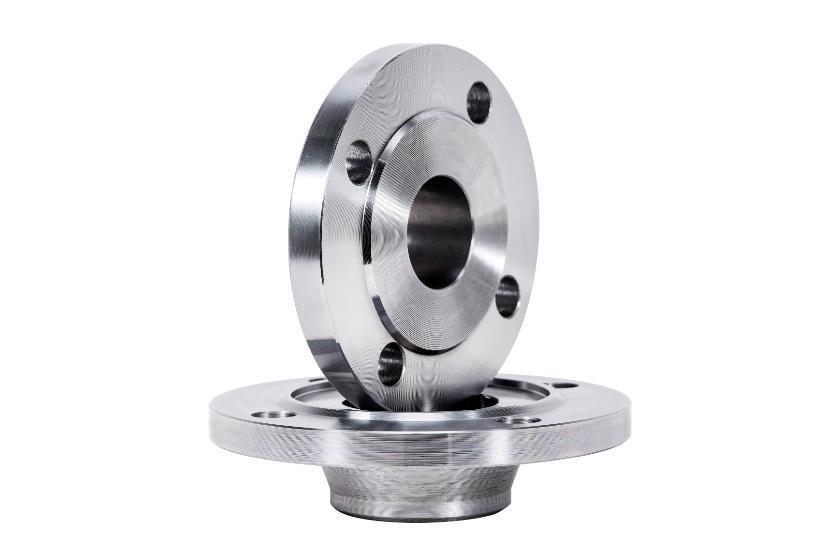
Understanding American Standard Flange in Construction and Decoration Materials
American standard flanges are critical components in the field of construction and decorative materials, particularly in piping systems. These flanges adhere to specific standards established by organizations such as the American National Standards Institute (ANSI) and the American Society of Mechanical Engineers (ASME). Their design and specifications are essential for ensuring compatibility and
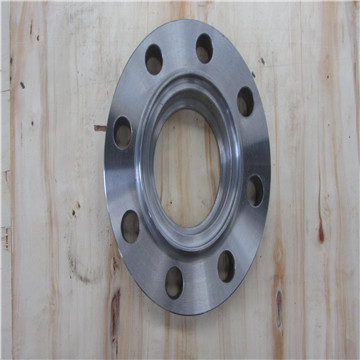
Exploring the Advantages of Using Threaded Flanges in HVAC Systems
Exploring the Advantages of Using Threaded Flanges in HVAC Systems Table of Contents 1. Introduction to Threaded Flanges in HVAC 2. Understanding Threaded Flanges 3. Benefits of Using Threaded Flanges in HVAC Systems 3.1 Superior Sealing Capability 3.2 Ease of Installation and Maintenance 3.3 Cost-Effectiveness 3.4 Versatility i

The Essential Guide to Flanged Connections in Building and Decorative Materials
Flanged connections are vital components in the construction and decorative materials sector, especially in the context of piping systems and fittings. Understanding their function, design, and application can significantly enhance the efficiency and reliability of installations. A flanged connection involves two flanges, which are flat pieces of material with holes for bolts. These flanges are bo
Shandong Xinhao Forging Co.,Ltd.
Tel:+86-15098858482
WeChat: 543983004
Email:xinhaoflange@gmail.com
Whatsapp:8615098858482
Website:www.xhflange.com

TikTok