

The Science Behind Threaded Flanges: Understanding Their Design
Release time:
2025-12-23
The Science Behind Threaded Flanges: Understanding Their Design Table of Contents 1. Introduction to Threaded Flanges 2. What Are Threaded Flanges? 3. Design Features of Threaded Flanges 4. Types of Threaded Flanges 5. Applications of Threaded Flanges 6. Advantages of Using Threaded Flanges 7. Material Selection for Threaded Flanges 8. Installation and Maintenance 9. Frequently
The Science Behind Threaded Flanges: Understanding Their Design
Table of Contents
- 1. Introduction to Threaded Flanges
- 2. What Are Threaded Flanges?
- 3. Design Features of Threaded Flanges
- 4. Types of Threaded Flanges
- 5. Applications of Threaded Flanges
- 6. Advantages of Using Threaded Flanges
- 7. Material Selection for Threaded Flanges
- 8. Installation and Maintenance
- 9. Frequently Asked Questions
- 10. Conclusion
1. Introduction to Threaded Flanges
Threaded flanges are a crucial component in various piping systems, particularly in industries that require robust and reliable connections. Understanding the design and functionality of threaded flanges can significantly benefit engineers, architects, and construction professionals. This article aims to demystify the science behind threaded flanges, highlighting their design principles, types, applications, and more.
2. What Are Threaded Flanges?
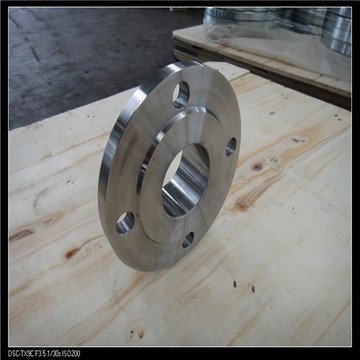
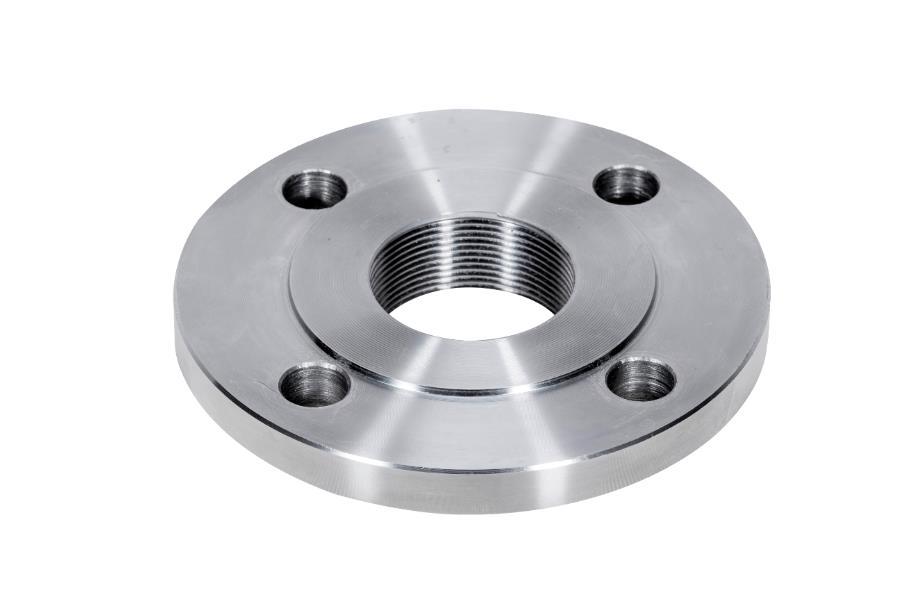
Threaded flanges are specialized fittings used to connect pipes, valves, pumps, and other equipment in a piping system. Unlike standard flanges that are welded to the piping, threaded flanges feature internal threads that allow them to be screwed onto the corresponding threaded pipe. This design facilitates easy assembly and disassembly, making threaded flanges particularly useful in situations where regular maintenance or replacement is necessary.
Key Characteristics of Threaded Flanges
- **Internal Threading**: The primary distinguishing feature of threaded flanges is the internal threading that allows for easy attachment to pipes.
- **Material Versatility**: Threaded flanges can be manufactured from various materials, including stainless steel, carbon steel, and plastic, making them suitable for diverse applications.
- **Pressure Ratings**: Threaded flanges are available in various pressure ratings, ensuring compatibility with different system requirements.
3. Design Features of Threaded Flanges
The design of threaded flanges is intricate and tailored to meet specific engineering requirements. Several key features contribute to their effectiveness:
Flange Face Types
The flange face typically comes in two designs: **raised face (RF)** and **flat face (FF)**. Raised face flanges provide a small raised portion on the flange surface, enhancing the sealing area, while flat face flanges have a flat surface allowing for a more even distribution of pressure.
Thread Specifications
The threads on a threaded flange must adhere to specific standards, such as **American National Standards Institute (ANSI)** or **British Standard (BS)** specifications. These standards dictate the thread dimensions, ensuring compatibility with other components.
Thickness and Diameter
Flanges come in various thicknesses and diameters to accommodate different piping sizes and pressure requirements. The thickness affects the flange's strength and ability to withstand pressure, while the diameter is crucial for proper alignment within the piping system.
4. Types of Threaded Flanges
Understanding the various types of threaded flanges can help in selecting the right one for specific applications. Below are the most common types:
1. Threaded Blind Flange
A threaded blind flange is used to seal off the end of a piping system. This type has no central hole and is designed to block the passage of fluid, making it ideal for temporary closures.
2. Threaded Slip-On Flange
Threaded slip-on flanges can be slid over the pipe end and then threaded into place. This design allows for easy alignment and installation, making them popular in various applications.
3. Threaded Socket Weld Flange
This type combines the benefits of threading and welding. The flange is first welded to the pipe, then the threading is done to ensure a secure fit. This design is advantageous in high-pressure systems.
5. Applications of Threaded Flanges
Threaded flanges find applications across numerous industries due to their versatility and reliability. Here are some of the primary sectors where threaded flanges are utilized:
1. Oil and Gas Industry
In the oil and gas sector, threaded flanges are commonly used in both upstream and downstream processes. Their ability to withstand high pressures and corrosive environments makes them ideal for pipelines and storage tanks.
2. Chemical Processing
Threaded flanges are extensively used in chemical processing plants where various chemicals are transported. Their design ensures secure connections, preventing leaks that could result in hazardous situations.
3. Water and Wastewater Management
In water treatment facilities, threaded flanges facilitate the connection of pipes, valves, and fittings. Their ease of installation and maintenance is particularly valuable in this sector.
6. Advantages of Using Threaded Flanges
The benefits of using threaded flanges extend beyond mere convenience. Here are some key advantages:
1. Easy Installation and Maintenance
Threaded flanges can be installed quickly and efficiently, saving time during construction or repairs. Their design allows for easy disassembly, facilitating maintenance without the need for extensive equipment.
2. Cost-Effective
The ability to reuse threaded flanges during maintenance reduces overall costs. Instead of replacing entire sections of piping, only the flange may need to be replaced, leading to significant savings.
3. Versatility
Threaded flanges can be adapted for various applications and conditions, from high-pressure environments to corrosive chemical handling. Their versatility makes them a preferred choice in many industries.
7. Material Selection for Threaded Flanges
Choosing the right material for threaded flanges is critical to ensure their durability and performance. Here are the most commonly used materials:
1. Carbon Steel
Carbon steel flanges are prevalent due to their strength and cost-effectiveness. They are suitable for low-pressure applications and environments where corrosion is not a significant concern.
2. Stainless Steel
Stainless steel threaded flanges are ideal for applications requiring resistance to corrosion and high temperatures. They are commonly used in the oil and gas and chemical processing sectors.
3. Plastic
For less demanding applications, plastic threaded flanges offer corrosion resistance and lightweight properties. They are often used in water treatment and other non-critical systems.
8. Installation and Maintenance
Proper installation and maintenance of threaded flanges are vital for ensuring their longevity and performance. Here are some best practices:
1. Installation Guidelines
- Ensure that the threads on both the flange and the pipe are clean and free of debris before installation.
- Use appropriate sealing materials to enhance the connection and prevent leaks.
- Follow manufacturer specifications regarding torque to avoid over-tightening, which can lead to thread damage.
2. Regular Maintenance
Regular inspections should be conducted to check for signs of wear, corrosion, or leaks. If any issues are identified, addressing them promptly can prevent more significant problems down the line.
9. Frequently Asked Questions
1. What are the main benefits of using threaded flanges?
Threaded flanges offer easy installation and maintenance, cost-effectiveness, and versatility for various applications.
2. Can threaded flanges be used in high-pressure systems?
Yes, threaded flanges can be designed to withstand high pressures, making them suitable for a variety of applications in oil and gas, as well as chemical processing.
3. How do I choose the right material for a threaded flange?
Consider the operating environment, including factors like pressure, temperature, and exposure to corrosive substances when selecting the material for a threaded flange.
4. Are threaded flanges reusable?
Yes, one of the advantages of threaded flanges is that they can often be reused during maintenance, reducing costs.
5. What is the difference between threaded and welded flanges?
Threaded flanges utilize internal threads for connection, allowing for easy assembly and disassembly, while welded flanges are permanently joined to pipes through welding.
10. Conclusion
Threaded flanges are an essential element in modern piping systems, combining engineering precision with practical functionality. Their unique design features and versatility make them suitable for a myriad of applications across different industries. Understanding the science behind their design not only enhances our knowledge but also ensures that we can make informed decisions when it comes to selecting and utilizing these critical components. Whether in the oil and gas sector, chemical processing, or water management, threaded flanges continue to play a vital role in ensuring efficient and safe operations.
Latest developments
Understanding Flanged Connections in Building and Decoration Materials
Flanged connections are a fundamental component in piping systems within the construction and decoration materials sector. These connections consist of two flanges, which are typically flat pieces of metal that are bolted together, creating a secure joint. This method of joining pipes, valves, and fittings is favored due to its reliability, ease of maintenance, and ability to handle high pressure
The Advantages of Sliding Flanges in High-Pressure Applications
The Advantages of Sliding Flanges in High-Pressure Applications Table of Contents 1. Understanding Sliding Flanges 2. Importance of Sliding Flanges in High-Pressure Systems 3. Key Benefits of Sliding Flanges 3.1 Flexibility and Adjustability 3.2 Stress Reduction on Piping 3.3 Enhanced Sealing Capabilities 4. Applications of Sliding Flanges 5. Installation

Understanding High Neck Flanges: Essential Components for Construction and Decorative Materials
High neck flanges are critical components in various piping systems used in the construction and decorative materials industry. They are designed to connect pipes, valves, pumps, and other equipment, ensuring a secure and leak-proof seal. The high neck design distinguishes them from standard flanges, as they feature a longer neck that helps to accommodate thicker materials and provides additional
How to Maintain Your Flat Flanges for Longevity: Essential Tips for Optimal Performance
How to Maintain Your Flat Flanges for Longevity Flanges are essential components in piping and plumbing systems, facilitating connections in various applications. Among these, **flat flanges** are widely used due to their ease of installation and maintenance. However, to ensure their longevity and optimal performance, proper care and maintenance are paramount. In this article, we will delve into e

The Role of Steel Industries Forgings in Construction and Decorative Materials
In the construction and decorative materials sector, the importance of steel industries forgings cannot be overstated. Forging is a manufacturing process that involves shaping metal using localized compressive forces, which results in products that boast enhanced mechanical properties. This method is particularly relevant for the steel industry, where forgings are integral in creating components u

Forging Stainless Steel: Techniques for Optimal Quality
Forging Stainless Steel: Techniques for Optimal Quality Table of Contents 1. Introduction to Forging Stainless Steel 2. What is Stainless Steel? 3. The Importance of Forging in Stainless Steel 4. Key Forging Techniques for Stainless Steel 4.1 Open Die Forging 4.2 Closed Die Forging 4.3 Upset Forging 4.4 Swaging 5. The Forging P
Shandong Xinhao Forging Co.,Ltd.
Tel:+86-15098858482
WeChat: 543983004
Email:xinhaoflange@gmail.com
Whatsapp:8615098858482
Website:www.xhflange.com

TikTok